Finding the right way to pay for your home can feel like learning a whole new language. You might hear people talk about “conventional mortgages” more than anything else, but what does that actually mean for you as a first-time buyer? Simply put, a conventional mortgage is a home loan that is not insured or guaranteed by the federal government.
When you get a loan through the government, like an FHA or VA loan, the government tells the bank, “If this person can’t pay, we will help cover the loss.” With conventional mortgages, that safety net isn’t there. Instead, the loan follows rules set by private lenders or large entities like Fannie Mae and Freddie Mac. Because the government isn’t backing the loan, lenders often have stricter rules for who can qualify, making these loans a “gold standard” for those with solid credit.
If you are looking at houses in a suburban neighborhood or a city condo, you are likely looking at a property that can be financed with a conventional loan. Understanding the nuances of conventional mortgages is the first step toward walking into your new home with confidence and financial clarity.
What is a Conventional Mortgage, Exactly?
In the simplest terms, a conventional mortgage is a private contract between you and a lender. Most of these loans are “conforming,” which means they “conform” to a set of rules established by two massive organizations: Fannie Mae and Freddie Mac. These rules involve how much you can borrow and what kind of financial shape you need to be in.
Think of it like a club membership. The government-backed loans are like a community center—they want to help as many people as possible get in, so the entry requirements are a bit lower. Conventional mortgages are more like a private gym. The equipment might be better (lower long-term costs), but they want to see that you’ve been “working out” your finances before they let you join.
The Real-World Scenario
Imagine Sarah, who works as a manager at a local Costco. She has saved up a decent amount of money and has a credit score in the 700s. When she applies for a mortgage, the bank looks at her profile and sees she doesn’t need the government’s extra “insurance” to prove she’s a good borrower. They offer her a conventional mortgage because she meets their high standards.
The Common Beginner Mistake
Many beginners think that “conventional” means “20% down payment required.” This is a huge myth that stops people from even trying to buy a home.
The Correct Mindset
While 20% is great because it saves you money on insurance, many conventional mortgages actually allow you to put down as little as 3%. The key isn’t just the down payment; it’s your overall financial health, especially your credit score and your income stability.
Conforming vs. Non-Conforming: Knowing the Difference
Not all conventional loans are created equal. They generally fall into two buckets: conforming and non-conforming. This distinction is vital because it determines how much money you can actually ask for.
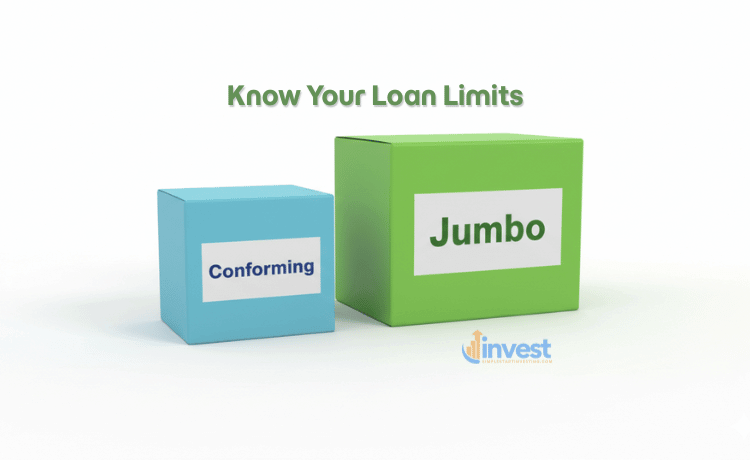
A conforming loan follows the price limits set by the Federal Housing Finance Agency (FHFA). These limits change every year to keep up with rising home prices across the country. If you try to buy a house that costs more than these limits, you move into “non-conforming” territory, often called a Jumbo Loan.
The Real-World Scenario
Let’s say you are looking at a beautiful home in a mid-sized city. If the loan amount you need is 600,000 dollars, you are likely well within the “conforming” limits for most of the U.S. However, if you are eyeing a luxury estate near a Google or Apple campus in California where the price tag is 2 million dollars, you would need a Jumbo Loan. These are still conventional, but because the bank is taking a much bigger risk on such a large amount, the rules get even tougher.
The Common Beginner Mistake
Beginners often assume that if a bank says “no” to a large loan, it’s because they don’t like the borrower. In reality, it might just be that the loan amount exceeded the conforming limit, and the bank doesn’t offer “Jumbo” products.
The Correct Mindset
Always check the current loan limits for your specific county. Understanding these limits helps you set a realistic budget for your home search so you don’t fall in love with a house that requires a much more difficult “non-conforming” approval process.
The Core Qualifications: Are You Ready?
To get a conventional mortgage, lenders look at three big pillars: your credit score, your debt-to-income ratio, and your down payment.
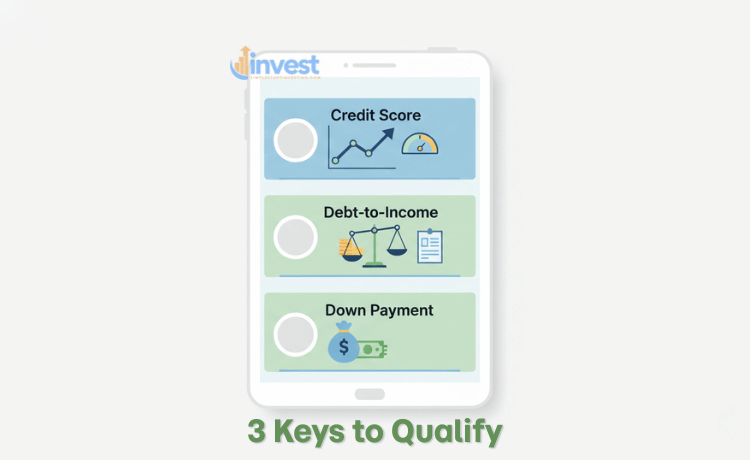
1. The Credit Score Requirement
For a conventional loan, you typically need a credit score of at least 620. However, just because 620 gets you in the door doesn’t mean it’s the best deal. Lenders reserve their lowest interest rates for people with scores of 740 or higher.
Example: If two people apply for the same 300,000 dollar loan, but one has a 620 score and the other has a 760 score, the person with the 760 score might pay hundreds of dollars less every single month just because their “trustworthiness” rating is higher.
2. Debt-to-Income (DTI) Ratio
Lenders want to make sure you aren’t “house poor”—meaning all your money goes to your mortgage and you can’t afford food or gas for your car (maybe a Tesla or a Ford). They use a calculation called the Debt-to-Income ratio.
To figure this out, you take all your monthly debt payments—like your car loan, student loans, and credit card minimums—and add your projected new mortgage payment. Then, you look at how much you earn each month before taxes are taken out. Generally, lenders want your total debts to be less than 43% to 45% of your pre-tax income.
3. The Down Payment
As mentioned, you don’t need 20%. First-time buyers can often get in with 3%. However, there is a “catch” called Private Mortgage Insurance (PMI) if you put down less than 20%.
Understanding Private Mortgage Insurance (PMI)
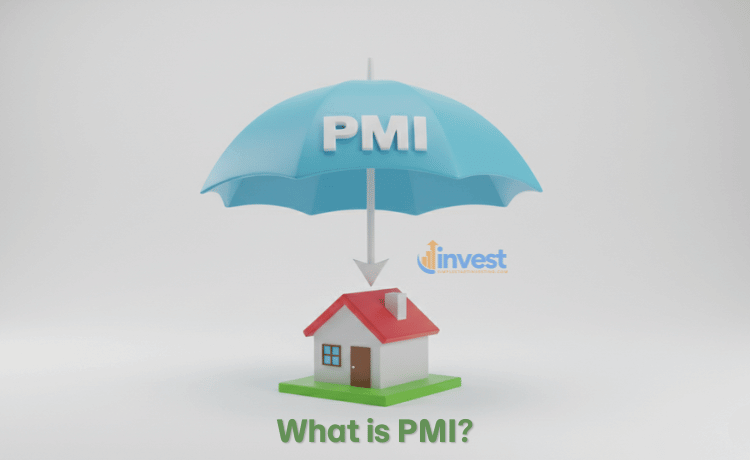
PMI is a term that scares many people, but it’s actually a tool that helps you buy a home sooner. If you don’t have 20% of the home’s price ready in cash, the lender sees your loan as “high risk.” To protect themselves, they require you to pay for an insurance policy that covers them if you stop paying your mortgage.
The Real-World Scenario
Suppose you buy a home for 400,000 dollars. A 20% down payment would be 80,000 dollars. If you only have 20,000 dollars (which is 5%), the bank will give you the loan, but they will add a monthly PMI fee to your bill. This might cost you an extra 100 to 200 dollars a month.
The Common Beginner Mistake
A lot of people think PMI is a permanent “tax” on their house. They feel like they are throwing money away forever.
The Correct Mindset
PMI is temporary. Once you have paid off enough of your loan so that you own 20% of the home’s value (or if the home’s value goes up significantly), you can usually ask the bank to cancel the PMI. It is a “stepping stone” fee that allows you to own a home now rather than waiting ten years to save up a massive down payment.
The Pros: Why Choose a Conventional Mortgage?
Why do most people go the conventional route instead of using government programs? There are several major benefits.
Flexibility in Property Types
Conventional loans can be used for almost any type of property. Want a vacation home in Florida or a small rental property to list on Airbnb? Government loans (like FHA) usually require the home to be your “primary residence” (the place you live in). Conventional loans allow you to buy second homes or investment properties.
Lower Long-Term Costs
If you have a high credit score and a 20% down payment, a conventional loan is almost always the cheapest way to borrow money. You won’t have the upfront “funding fees” that come with many government loans, and your interest rate will be very competitive.
More Power in a Competitive Market
In a “seller’s market,” where many people are trying to buy the same house, sellers often prefer buyers with conventional loans. This is because government loans have very strict appraisal rules. If a house has a peeling piece of paint or a cracked window, an FHA appraiser might demand it be fixed before the loan is approved. A conventional appraiser is usually more focused on the value of the home, making the closing process smoother for the seller.
The Cons: The Challenges of Going Conventional
While they offer great benefits, conventional mortgages aren’t for everyone. They are harder to get if your financial history is “bumpy.”
Stricter Credit Requirements
If your credit score is in the 500s due to past mistakes, a conventional lender will likely turn you down. You would need to look at an FHA loan or spend time rebuilding your credit first.
Higher Down Payments for Some
While 3% is possible for first-time buyers, if you’ve owned a home before, the minimum might jump to 5% or more. And for investment properties, you might be required to put down 15% to 25%.
The Cost of a Lower Score
If your score is right on the edge (around 620-640), a conventional loan might actually be more expensive than an FHA loan because the interest rate and PMI costs will be much higher. In this case, “conventional” isn’t always “better.”
Conventional vs. FHA: Which is Right for You?
This is the most common debate for new buyers. The choice usually comes down to your credit score and how much cash you have.
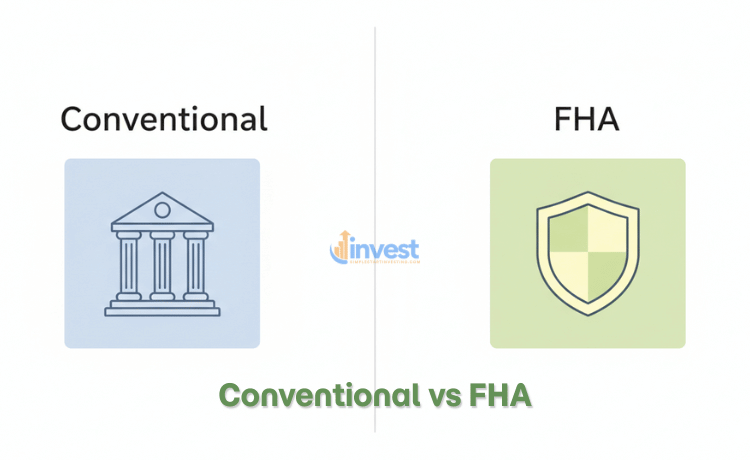
- Choose Conventional if: Your credit score is above 720, you have at least 3% to 5% saved, and you want the ability to cancel your mortgage insurance in the future.
- Choose FHA if: Your credit score is between 580 and 660, or if you have a very high debt load that a conventional lender won’t accept.
The Real-World Scenario
Think of a young couple working at Walmart. They have steady jobs but had some credit card debt in their early 20s that dropped their score to 640. They might find that an FHA loan accepts them with a 3.5% down payment and a better interest rate than a conventional loan would offer at that specific credit score.
The Common Beginner Mistake
Thinking that there is one “perfect” loan for everyone.
The Correct Mindset
The “best” loan is the one that fits your specific financial snapshot today. It is always worth asking your loan officer to show you a side-by-side comparison of a conventional loan versus an FHA loan.
Steps to Qualify for a Conventional Mortgage
If you’ve decided that a conventional mortgage is your goal, here is how you prepare:
1. Polish Your Credit
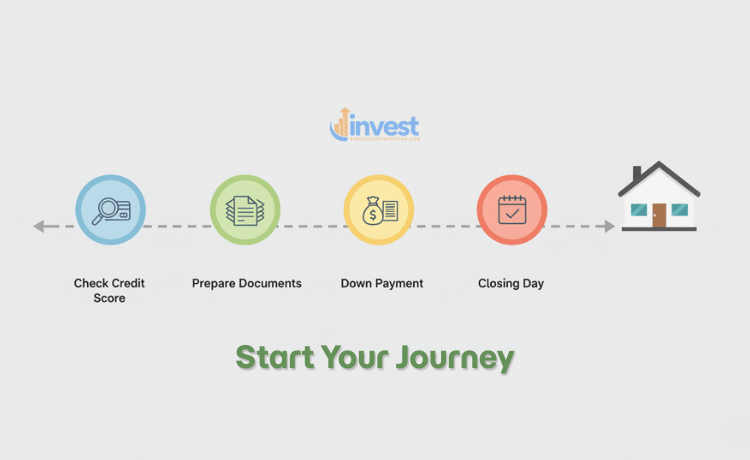
Six months before you plan to buy, check your credit report. Pay off small balances on credit cards (like your Amazon or Target cards) to lower your utilization. This can boost your score by 20 to 50 points, potentially saving you thousands in interest.
2. Document Everything
Lenders love paper. You will need your last two years of tax returns, your last two months of bank statements, and your most recent pay stubs. If you get bonuses or commissions, make sure you can show a history of receiving them.
3. Save for the “Hidden” Costs
The down payment isn’t your only expense. You also have “closing costs”—fees for the appraisal, the title search, and the lender’s work. These usually cost between 2% and 5% of the home’s price. If you are buying a 300,000 dollar home, you might need 9,000 dollars just for the down payment (at 3%) plus another 9,000 dollars for closing costs.
4. Get a Pre-Approval
Before you go house hunting, get a “Pre-Approval Letter.” This is a document from a lender saying they have checked your finances and are willing to lend you a specific amount. In the US market, most real estate agents won’t even show you a house without one.
Common Questions About Conventional Mortgages
Can I get a conventional loan if I am self-employed? Yes, but it’s a bit more work. You generally need to show two years of consistent income through your tax returns. Lenders will look at your “net income” (what’s left after your business expenses) to decide how much you can afford.
What happens if interest rates go down after I buy? One of the best things about a conventional mortgage is the ability to “refinance.” If you buy a house today and rates drop significantly in two years, you can apply for a new conventional loan at the lower rate to replace your old one.
Are there different lengths for the loan? The most popular is the 30-year fixed-rate mortgage. This gives you the lowest monthly payment. However, you can also choose a 15-year mortgage. You will pay more each month, but you will pay off the house much faster and save a massive amount of money in interest over time.
Final Thoughts for the Beginner
Conventional mortgages are the most popular way to buy a home for a reason: they are flexible, they reward good financial habits, and they can be very cost-effective. While the entry requirements are higher than government-backed loans, the long-term benefits of not being tied to government insurance rules are significant.
Remember, you don’t need to be a millionaire to qualify. You just need a plan, a decent credit score, and a clear understanding of what you can afford. Take it one step at a time, gather your documents, and don’t be afraid to ask questions. Your first home is closer than you think.
Note: Mortgage regulations and interest rates can change frequently based on economic conditions and lender policies. Please verify current guidelines with a qualified mortgage professional before making financial decisions.
Disclaimer: This content is for educational purposes only and does not constitute financial advice.