So, you have finally found “the one”—that perfect three-bedroom house with the sun-drenched kitchen and the backyard of your dreams. You are ready to make an offer, but your real estate agent mentions you need to put down an earnest money deposit.
If you are a first-time buyer, this might sound a bit intimidating. Is it an extra fee? Is it a down payment? Do you ever get it back if things go wrong? Understanding the earnest money deposit is one of the most important steps in securing your future home without risking your hard-earned savings.

Think of earnest money as a way to show the seller that you are not just “window shopping.” In the fast-moving US housing market, talk is cheap. A check, however, speaks volumes.
What Is Earnest Money Anyway?
At its core, earnest money is a “good faith” deposit. When you submit an offer on a home, you include a specific amount of money to prove to the seller that you are serious about the purchase.
The Simple Explanation Imagine you are at a busy restaurant that does not usually take reservations. To hold a large table for a special event, the manager asks for a fifty-dollar deposit. If you show up and eat, that fifty dollars goes toward your final bill. If you simply never show up, the restaurant keeps the money because they lost out on other customers while waiting for you. Earnest money works exactly like that, but with much higher stakes.
A Real-World Example Let’s say you are looking to buy a beautiful townhouse in a suburb of Atlanta. The listing price is 350,000 dollars. To make your offer stand out against other buyers, you decide to offer a 5,000 dollar earnest money deposit. This 5,000 dollars tells the seller, “I am so committed to buying this house that I am willing to set aside this money right now to prove it.”
The Common Beginner Mistake Many new buyers think earnest money is an additional “service fee” paid to the seller or the agent. They worry that this is money “lost” on top of the purchase price.
The Correct Financial Logic In reality, your earnest money is a “down payment on your down payment.” If the deal goes through successfully, that 5,000 dollars is applied directly to your closing costs or your down payment. You aren’t paying extra; you are just paying a small portion of the total cost a little earlier in the process.
How Much Earnest Money Should You Pay?
One of the most frequent questions beginners ask is: “What is the right amount?” There is no law that dictates a specific number, but there are market standards that usually apply.
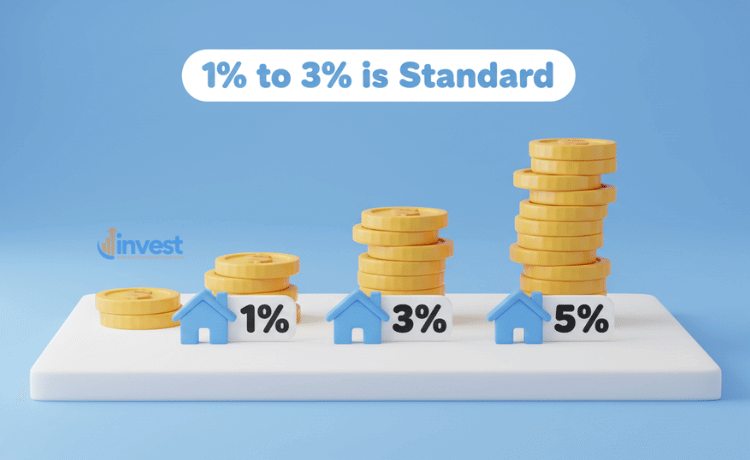
The Simple Explanation In most parts of the United States, a standard earnest money deposit ranges from 1 percent to 3 percent of the home’s total purchase price. However, in “hot” markets where there are more buyers than houses—like parts of Austin, Texas or Seattle, Washington—sellers might expect 5 percent or even 10 percent to take your offer seriously.
A Simple Numerical Example Suppose you are buying a home for 400,000 dollars.
- If you offer a 1 percent deposit, you would pay 4,000 dollars.
- If you offer a 2 percent deposit, you would pay 8,000 dollars.
- If you offer a 3 percent deposit, you would pay 12,000 dollars. Your agent will look at recent sales in the neighborhood to tell you which of these amounts will make the seller feel most secure.
The Common Beginner Mistake Some beginners try to offer the smallest amount possible—perhaps only 500 dollars—to “save money” upfront. They think that as long as the offer price is high, the deposit doesn’t matter.
The Correct Financial Logic A tiny deposit can actually signal to a seller that you are a “flaky” buyer. If you only have 500 dollars on the line, it is very easy for you to walk away if you find a “better” house next week. Sellers want to see “skin in the game.” A stronger deposit shows you have the financial stability to close the deal and the commitment to stay through the finish line.
Where Does Your Money Go? (The Escrow Safety Net)
One of the biggest fears for a new buyer is the thought of handing a large check directly to the seller. What if the seller takes your 10,000 dollars and disappears?

The Simple Explanation You never give your earnest money deposit directly to the seller. Instead, the money is held by a neutral third party, usually called an escrow company or a title company. They act like a “referee” in a sports game. They hold the money in a special account and only release it when certain conditions are met.
A Real-World Example Think of a company like Amazon. When you buy a product, Amazon holds your payment. They don’t give the money to the third-party seller until the item is shipped and delivered. In real estate, the escrow company holds your money in a secure account while you do your inspections and get your loan approved.
The Common Beginner Mistake New buyers sometimes assume that once the money is in escrow, the seller can “grab” it whenever they want.
The Correct Financial Logic The escrow company cannot release the money to the seller unless you authorize it, or the contract dictates that you have failed to meet your obligations. The money stays in “financial limbo” until the day you sign the final papers (the closing) or until the contract is legally cancelled.
Protecting Your Deposit: The Power of Contingencies
This is the most critical part of the process. How do you make sure you get your money back if the house is a disaster or if your bank denies your loan? You use contingencies.

The Simple Explanation A contingency is basically an “if” statement in your contract. It says, “I will buy this house IF these specific things happen.” If those things don’t happen, you can walk away and take your earnest money deposit with you.
1. The Home Inspection Contingency
Explanation: This gives you the right to have a professional inspector check the home for issues like mold, a leaky roof, or a cracked foundation. Example: You are buying a house from a large builder like Lennar. The inspector finds a major structural issue with the attic. Mistake: Thinking you have to buy the house anyway because you already paid the deposit. Logic: Because you have an inspection contingency, you can tell the seller to fix it, or you can cancel the deal and get every penny of your deposit back.
2. The Appraisal Contingency
Explanation: Your bank will not lend you more money than the house is actually worth. An appraiser will determine the market value. Example: You offered 500,000 dollars for a house, but the appraiser says it is only worth 480,000 dollars. Mistake: Thinking you have to find an extra 20,000 dollars in cash immediately. Logic: This contingency allows you to renegotiate the price with the seller. If they won’t budge, you can cancel the contract and keep your earnest money.
3. The Financing Contingency
Explanation: Even if you are “pre-approved,” a bank can still deny your loan at the last minute if you lose your job or interest rates spike. Example: You were planning to use a mortgage from a major bank like Chase or Wells Fargo, but your debt-to-income ratio changed, and they denied the loan. Mistake: Panicking that you have lost both the house and your deposit. Logic: As long as you have a financing contingency, a loan denial is a “get out of jail free” card that protects your deposit.
When Could You Actually Lose Your Money?
While contingencies protect you, there are certain situations where the seller is legally allowed to keep your earnest money deposit. This usually happens when the buyer breaches the contract.
The Simple Explanation You lose your money when you back out of the deal for a reason that is not covered by a contingency, or if you miss a deadline.
A Real-World Example Let’s say you have passed the inspection period and your loan is fully approved. Two days before the closing, you suddenly decide you want to move to Hawaii instead. There is no “Hawaii” contingency in your contract.
The Common Beginner Mistake Many people think “Buyer’s Remorse” or getting “cold feet” is a valid reason to get their money back.
The Correct Financial Logic If you back out simply because you changed your mind, you have wasted the seller’s time and money. During the thirty to forty-five days the house was “under contract,” the seller might have turned down five other offers. In this case, your earnest money serves as “liquidated damages” to compensate the seller for their lost time.
The Importance of Deadlines (The “Time is of the Essence” Rule)
In US real estate contracts, deadlines are not “suggestions.” They are hard boundaries.
The Simple Explanation Your contract will say things like, “Buyer has 10 days to complete an inspection.” If you wait until day eleven to ask for repairs, you might have waived your right to cancel based on that inspection.

A Real-World Example Imagine you are buying a home and your financing contingency expires on the 15th of the month. On the 16th, your bank tells you there is a problem. Because you missed the deadline to notify the seller, your deposit is now “at risk.”
The Common Beginner Mistake New buyers often assume their agent or the bank will handle all the dates and remind them.
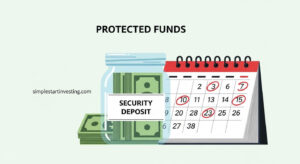
The Correct Financial Logic While a good agent will help, the legal responsibility falls on the buyer. You must be proactive. Mark every deadline on your calendar the moment the contract is signed. Missing a deadline by even one hour can result in the loss of thousands of dollars.
How the 2026 Market Affects Your Strategy
As we look at the current housing environment, the strategy around earnest money is shifting. With home prices stabilizing and interest rates becoming more predictable, the “wild west” era of waiving all protections is mostly over.
The Simple Explanation In previous years, buyers were so desperate they would “waive” their inspection or appraisal contingencies just to get a house. Today, that is rarely a smart move for a beginner.
Example Scenarios
- In a balanced market: Stick to the 1 percent to 2 percent range. Keep all your contingencies in place. This is the safest way to buy.
- In a competitive neighborhood: You might increase your deposit to 3 percent but keep your inspection contingency. This shows you are serious but still protects you from a “money pit” house.
The Correct Financial Logic Do not let the fear of losing a house drive you to make a risky financial move. Your earnest money deposit is a tool for negotiation, not a gamble. Always prioritize the safety of your deposit over the speed of the transaction.
Step-by-Step Summary for the First-Time Buyer
If you are about to sign a contract, here is your checklist for handling the earnest money deposit:
- Consult your agent: Ask what the local “norm” is for deposits in that specific neighborhood.
- Check your liquid cash: Ensure you have the funds in a checking or savings account. You usually need to send the wire or check within 24 to 48 hours of an accepted offer.
- Review the contingencies: Double-check that your contract includes protections for inspection, appraisal, and financing.
- Know the escrow holder: Confirm who is holding the money (usually a title company or attorney).
- Watch the calendar: Be aware of your “due diligence” or “contingency” periods.
Buying a home is the largest purchase most people will ever make. While the earnest money deposit might feel like a scary hurdle, it is actually a structured part of a system designed to protect both you and the person selling the home. By understanding the rules, respecting the deadlines, and keeping your contingencies in place, you can move forward with confidence, knowing your money is safe.
Disclaimer: This content is for educational purposes only and does not constitute financial or legal advice. Real estate laws vary by state; always consult with a qualified professional before signing any contracts.