Imagine you just spent months searching for the perfect home. You finally found it, signed the papers, and moved in. But a year later, a stranger knocks on your door claiming they are the long-lost heir of a previous owner and that the house actually belongs to them. Or perhaps a contractor shows up with a court order because the person who sold you the house never paid for the new roof.
This sounds like a nightmare, but in the world of American real estate, these “hidden” ownership issues happen more often than you think. This is where title insurance for beginners becomes your most important financial shield. It is the only thing standing between you and a legal battle that could cost you your entire home.

In this guide, we will break down exactly what title insurance is, why your bank forces you to buy it, and why you should definitely buy a policy for yourself too. We will keep it simple, clear, and focused on protecting your biggest investment.
What Exactly is a Property “Title”?
Before we talk about insurance, we need to understand the “Title.” Many people think the Title is just a piece of paper you keep in a safe. In reality, the Title is a legal concept. It represents your right to own, use, and sell a specific piece of land and the buildings on it.
Think of a property Title like a chain. Every time a house is sold, a new link is added to that chain. If a link from fifty years ago was broken—maybe a signature was forged or a tax bill went unpaid—the whole chain could fall apart today. Title insurance for beginners is designed to protect you if one of those old links fails.

How it works in plain English
Title insurance is a safety net. If someone challenges your right to own your home because of something that happened in the past, the insurance company steps in. They pay for the lawyers to defend you and, if you lose, they pay you back for the value of the home you lost.
A real-world example
Imagine a giant company like Walmart buying land for a new store. Before they build, they need to be 100 percent sure that no one else can claim they own that dirt. If they build a 10 million dollar store and then find out the seller didn’t actually own the land, Walmart would be in huge trouble. They use title insurance to make sure their investment is safe from the history of that land. Your home deserves the same level of protection.
The common beginner mistake
Many new buyers think that if the “Title Search” comes back clean, they are 100 percent safe. They assume that because a professional looked through old records and found nothing, there are no risks.
The mindset shift
A title search is great, but it is not a guarantee. Humans make mistakes. Documents get lost. People commit fraud. You should view the title search as a “health check” and title insurance as the “emergency fund” that pays out if the health check missed a hidden disease.
The Two Types of Title Insurance
When you go to “close” on your home (the final step where you sign everything), you will see two different types of title insurance on your paperwork. It is vital to know which is which.

1. Lender’s Title Insurance
If you are getting a mortgage from a bank like JPMorgan Chase or a local credit union, they will almost always require you to buy a Lender’s Title Insurance policy. This policy protects the bank’s money. If a title problem arises, the bank gets paid back, but you do not.
2. Owner’s Title Insurance
This is the policy that protects you. It is usually optional, but highly recommended. If you don’t have this and a title defect is discovered, you could lose your down payment and every monthly mortgage payment you’ve ever made. The bank would be fine (because they have their own policy), but you would be out on the street.
A real-world example
Let’s say you buy a house for 400,000 dollars. You put down 80,000 dollars and the bank lends you 320,000 dollars. If a legal issue takes the house away, the Lender’s Policy pays the bank their 320,000 dollars. Without an Owner’s Policy, your 80,000 dollars is gone forever. You are left with zero dollars and no home.
The common beginner mistake
New buyers often see the “Lender’s Title Insurance” fee and think, “Okay, I’m covered.” They don’t realize that the bank’s policy only looks out for the bank.
The mindset shift
You are the one living in the house and paying the bills. You need your own shield. Always ensure you are getting an Owner’s Policy alongside the Lender’s Policy. In many parts of the U.S., you can even negotiate for the seller to pay for your Owner’s Policy as part of the deal.
Why Title Insurance is “Backwards” Insurance
Most insurance is about the future. Car insurance protects you if you crash tomorrow. Life insurance protects your family if something happens later. Health insurance covers future sickness.
Title insurance for beginners is unique because it protects you from the past. It is looking at everything that happened before you ever saw the house. It covers errors, liens, and disputes that are already “baked into” the history of the property.
How it works in plain English
You pay a one-time fee at the start. There are no monthly premiums. Once you pay that fee, you are protected for as long as you (or your heirs) own the property. It is essentially a “lifetime warranty” on your ownership rights.
A real-world example
Imagine buying a used Tesla. If the previous owner didn’t pay their registration fees, the DMV might come after you. Title insurance for a home is like having a policy that says, “If the previous owner didn’t pay their taxes or ignored a court order before I bought this car, the insurance company will handle the bill.”
The common beginner mistake
Beginners often ask, “Why do I have to pay for this every month?” or “When does the policy expire?”
The mindset shift
You only pay once. It is a closing cost, not an ongoing expense. Because the risk is in the past, the insurance company does all the work upfront to check the history, and then they stand behind that work forever.
Common “Hidden Monsters” Title Insurance Protects Against
What are these scary issues that could pop up? In the legal world, we call them “encumbrances” or “title defects.” Here are the most common ones that title insurance for beginners covers.
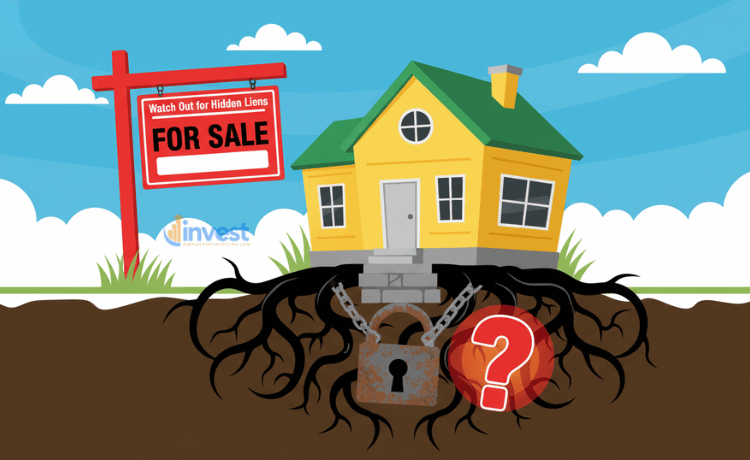
1. Unpaid Liens
A lien is a legal claim against a property because of a debt. If the previous owner didn’t pay their property taxes, or if they didn’t pay a contractor for a kitchen remodel, that debt “attaches” to the house. When you buy the house, you might accidentally “buy” that debt too.
2. Errors in Public Records
Humans file the paperwork at the county office. Sometimes they type a name wrong, record the wrong square footage, or forget to log a document entirely. These clerical errors can make it look like the person who sold you the house didn’t actually have the right to do so.
3. Forgery and Fraud
This is the most dangerous one. Someone might have forged a signature on a deed years ago to steal a house from an elderly relative. If that fraud is discovered ten years later, the entire chain of ownership is invalid.
4. Missing Heirs
If a previous owner died and their will wasn’t handled correctly, a “missing heir” could show up years later. Under the law, they might still own a piece of your living room.
Real-world scenario
Imagine a house was owned by a family for 40 years. The father passes away and the son sells the house to you. Two years later, a daughter appears from another state. She proves that her father meant for her to own half the house. Without title insurance, you would have to pay her for her “half” of the house or face a massive lawsuit. With insurance, the company handles the lawyers and the payout.
The common beginner mistake
Many people think, “The seller seems nice, they wouldn’t lie to me.”
The mindset shift
It’s not just about the person selling to you. It’s about the person who sold it to them, and the person before that. You are insuring the history of the land, not just the honesty of the current seller.
How Much Does It Cost?
Price is always a concern for new homeowners. The cost of title insurance varies depending on where you live and the price of the home. Generally, in the United States, you can expect the total cost for both policies to be between 0.5 percent and 1 percent of the home’s purchase price.

Explaining the math with words
If you buy a home for 300,000 dollars, your title insurance cost might be around 1,500 dollars to 3,000 dollars. This is paid one time at the closing table. If you are also getting a mortgage, the cost for the Lender’s policy is often much lower if you buy it at the same time as your Owner’s policy. This is called a “simultaneous issue” rate, and it can save you hundreds of dollars.
A real-world example
Think of it like buying a high-end laptop at Best Buy. They might offer a “Geek Squad” protection plan for a one-time fee. Title insurance is like that, but for a 400,000 dollar house instead of a 1,000 dollar laptop. For a relatively small one-time payment, you are protecting a massive amount of money.
The common beginner mistake
Some buyers try to “shop around” and pick the absolute cheapest company without checking their reputation. Or, they try to skip the Owner’s Policy to save 1,000 dollars on their closing costs.
The mindset shift
Saving 1,000 dollars today is not worth risking 300,000 dollars tomorrow. While you can shop for title companies in many states, focus on companies that have a long history and strong financial backing. You want a company that will still be in business twenty years from now if a problem arises.
The Title Search: The Detective Work
Before a title insurance company issues a policy, they perform a deep dive into public records. This is called a Title Search. They look through deeds, tax records, land surveys, and divorce decrees.

Their goal is to find problems before you buy the house. If they find an unpaid tax bill for 500 dollars, they will require the seller to pay it before the sale can go through. This “clearing the title” process is actually one of the most valuable parts of the service. They are cleaning up the property’s history so you can start fresh.
How it works in plain English
Think of the title company as a private investigator. They go to the library of local government records and read the “biography” of your house. If there are any “villains” in the story (unpaid debts or missing owners), they make sure those villains are handled before you become the main character.
A real-world example
If Amazon wants to build a new warehouse, they hire a massive team to check every inch of the legal history. They won’t spend a penny until the “detectives” say the land is clear. Title companies do this same high-level research for your suburban home.
The common beginner mistake
Believing that if the title company does their job, no problems can ever happen later.
The mindset shift
The search catches about 95 percent of problems. The insurance is there for the 5 percent that are impossible to find—like a forged signature that looks perfectly real or a secret child of a previous owner that no one knew existed.
Why Regulations Matter
The rules for title insurance for beginners can change depending on which state you are in. In some states, like Texas, the government sets the prices, so every company charges the same amount. In other states, companies compete on price, and you can save money by comparing quotes.
Because real estate laws and tax regulations (from the IRS) can change, it is always a good idea to ask your real estate agent or a qualified attorney about the specific rules in your area this year.
Note: Regulations regarding property transfers and insurance can change; please check current guidelines or consult with a professional.
Closing the Deal with Confidence
When you sit down to sign your closing documents, the stack of papers will be thick. You will see fees for “Title Search,” “Title Examination,” and “Title Insurance Premium.”
Do not be intimidated. Remember that these fees are creating a wall of protection around your home. Once that ink is dry and your policy is in effect, you can sleep soundly knowing that even if a “hidden monster” from 1980 crawls out of the public records, you are covered.
Final Summary of Steps for Beginners:
- Ask for a Quote: Ask your lender or agent for the estimated cost of both Lender’s and Owner’s Title Insurance early in the process.
- Confirm Ownership: Ensure you are getting an “Owner’s Policy” to protect your own equity.
- Check for Discounts: Ask if there is a “reissue rate” if the seller has a recent policy, or a “simultaneous issue” discount if you are buying both policies at once.
- Keep Your Policy: After closing, put your title insurance policy in a safe place. You will need it if you ever sell the home or if a claim arises.
Buying a home is a journey. Understanding title insurance for beginners is the map that ensures you don’t fall into a legal trap along the way. Protect your home, protect your family, and enjoy your new front door with total peace of mind.
Disclaimer: This content is for educational purposes only and does not constitute financial or legal advice. Regulations and costs can vary by state; always consult with a licensed title professional or real estate attorney before closing on a property.