
So, you found the perfect house. You walked through the rooms, imagined where your sofa would go, and finally took the leap by submitting an offer. Now, the notification pings on your phone. Your agent says the seller has sent a real estate counter-offer.
Instead of a “Yes” or a “No,” the seller has essentially said, “Maybe, but only if we change a few things.” For a beginner, this can feel like a high-stakes game of poker. You might feel a rush of anxiety or a sense of frustration. However, a counter-offer is actually a great sign. It means the seller is interested in your offer but wants to fine-tune the details to better suit their needs.

In the world of American real estate, the real estate counter-offer is the bridge between a dream and a closed deal. Understanding how to walk across that bridge without falling into common traps is the key to winning your new home. This guide will walk you through exactly how to handle these negotiations like a seasoned pro.
What Exactly Is a Real Estate Counter-Offer?
At its core, a real estate counter-offer is a rejection of your original offer combined with a brand-new offer from the seller. Legally, once a seller counters, your initial offer is “dead.” You are no longer bound by your first set of terms, and the ball is back in your court.
Think of it as a conversation. You said, “I’ll buy your house for 400,000 dollars and I want to move in by June.” The seller responded, “I’ll sell it to you for 415,000 dollars, but I need to stay until July.” They liked the “who” (you), but they want to adjust the “what” and the “when.”

Most people assume negotiations are only about the price. While the price is a huge factor, a counter-offer can involve many different variables. This includes the closing date, the amount of your earnest money deposit, which appliances stay with the house, or even who pays for certain repairs found during an inspection.
The Common Components of a Counter-Offer
When you receive a real estate counter-offer, you need to look past the total price and examine the “fine print.” Sellers usually adjust one or more of the following areas to minimize their risk or maximize their profit.
1. Purchase Price Adjustments
This is the most frequent change. If the market is “hot” (meaning there are more buyers than houses), sellers often counter with a price closer to their original listing price. They might even counter above the listing price if they have multiple interested parties.
2. Earnest Money Deposit
Earnest money is the “good faith” deposit you put down to show you are serious. A seller might ask you to increase this amount. For example, if you offered 5,000 dollars, they might counter asking for 10,000 dollars. This gives the seller more security; if you back out for a reason not covered by the contract, they get to keep that money.
3. Closing and Possession Dates
The timing of a move is a massive logistical challenge. A seller might counter-offer because they need more time to finish building their new home, or perhaps they want to close faster to avoid another month of mortgage payments.
4. Contingency Changes
Contingencies are your “escape hatches.” They allow you to walk away if the house fails inspection or if your bank doesn’t approve your loan. A seller might try to shorten the “inspection period” from 10 days to 5 days to keep the process moving quickly.
The 4-Step Deep Dive: Price Negotiations
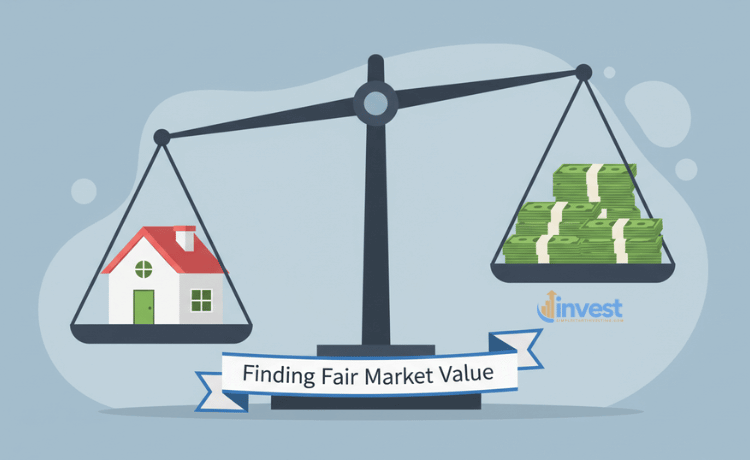
Understanding the Logic
When a seller counters your price, they aren’t necessarily being greedy. They are looking at the “net proceeds.” This is the amount of money they actually take home after paying off their mortgage, paying the real estate agents, and covering closing costs. If your offer is too low, they might actually lose money on the sale.
A Real-World US Example
Imagine you are looking at a home in a suburb of Dallas, Texas, listed for 450,000 dollars. You see some minor wear and tear, so you offer 430,000 dollars. The seller responds with a real estate counter-offer of 445,000 dollars.
They are effectively meeting you less than halfway. In their mind, they have looked at recent sales of similar homes (called “comps”) like those sold by companies like Zillow or Redfin, and they believe 445,000 dollars is the fair market value.
The Beginner’s Mistake
Many beginners take a price counter-offer personally. They feel like the seller is “nickel and diming” them. This emotional reaction often leads the buyer to walk away immediately or to dig their heels in and refuse to budge even by 1,000 dollars.
The Correct Financial Mindset
Shift your focus from the total price to the monthly impact. If you are financing the home with a 30-year mortgage, a 5,000 dollar difference in the purchase price might only change your monthly payment by about 30 or 40 dollars.
Ask yourself: “Is this house worth an extra 40 dollars a month to me?” If the answer is yes, don’t let the deal die over a small percentage of the total cost. Focus on the long-term value of the asset rather than the “win” of the negotiation.
The 4-Step Deep Dive: Inspection and Repair Credits

Understanding the Logic
Sellers hate surprises. If you ask for a 10,000 dollar reduction because the roof is old, the seller might counter by offering a 5,000 dollar “closing cost credit” instead. They want to limit their responsibility. They would rather give you cash at the end than manage a roofing crew themselves.
A Real-World US Example
Suppose you are buying a charming older home in Atlanta. Your inspector finds that the HVAC system (the heating and cooling) is twenty years old. It works, but it’s at the end of its life. You ask the seller to replace it before closing.
The seller sends a real estate counter-offer stating they will not replace the unit, but they will provide a 3,000 dollar credit toward your closing costs. This means at the closing table, you have to bring 3,000 dollars less in cash, which you can then save to buy a new HVAC later.
The Beginner’s Mistake
New buyers often insist that the seller “fix” everything before move-in. The mistake here is that a seller who is moving out has very little incentive to do a high-quality job. They might hire the cheapest possible contractor to do a “patch job” just to satisfy the contract.
The Correct Financial Mindset
It is often better to take a “credit” or a price reduction than to have the seller perform repairs. By taking the credit, you maintain control. You can choose the contractor, choose the quality of the materials, and ensure the work is done to your standards after you own the home.
Strategic Ways to Respond to a Counter-Offer
When that real estate counter-offer hits your inbox, you generally have three paths you can take. Each one requires a different strategy.
1. Accept the Counter-Offer
If the seller’s new terms are reasonable and the house still fits your budget, you can simply sign the document. Once you sign a counter-offer, you have a legally binding contract. The house is officially “Under Contract” or “Pending.”
2. Reject the Counter-Offer
If the seller’s terms are completely unrealistic—for instance, if they want 50,000 dollars over the appraised value—you can simply walk away. You don’t even have to respond, though it is polite to have your agent let them know you are moving on. This is sometimes the best move if the seller is being “difficult” early in the process.
3. Counter the Counter-Offer (The “Back-and-Forth”)
This is the most common path. You might say, “I can’t do 445,000 dollars, but I will do 438,000 dollars, and I’ll waive the request for the new fence.” This shows you are willing to compromise. In the US market, most deals involve two or three rounds of these “maybe” moments before both parties are happy.
Navigating the “Appraisal Gap” Counter
In recent years, a new type of counter-offer has become very common in the US: the Appraisal Gap Guarantee. Because home prices have risen so fast, banks sometimes “appraise” a house for less than the agreed-upon price.
If you agree to buy a house for 500,000 dollars, but the bank says it is only worth 480,000 dollars, the bank will only lend you money based on the 480,000 dollar value. This leaves a “gap” of 20,000 dollars.
A seller might send a real estate counter-offer asking you to guarantee that you will pay that 20,000 dollar difference in cash if the appraisal comes in low.
The Strategy: Only agree to this if you have the extra cash sitting in a savings account. Never promise an appraisal gap guarantee using money you don’t have. It is a high-risk move that requires a very clear understanding of your liquid assets.
The Role of Your Real Estate Agent
You should never navigate a real estate counter-offer alone. Your agent is your primary negotiator. They have access to data that you don’t, such as exactly how much other houses in the neighborhood sold for in the last thirty days.

Ask your agent: “What is the seller’s motivation?” If the seller has already bought a new house, they are likely desperate to close and might accept a lower price. If the house has been on the market for 60 days, you have more leverage to stand your ground.
Why Speed Matters in Negotiations
In many US states, a real estate counter-offer typically has an expiration date, often 24 to 48 hours. However, even if there is a deadline, you should try to respond as quickly as possible.
While you are “thinking” about a counter-offer, the seller is often still allowed to show the house to other people. If another buyer walks in with a better, “cleaner” offer, the seller can technically withdraw their counter-offer to you and accept the new person’s deal (as long as you haven’t signed it yet).
Being “decisive” is a superpower in real estate. It signals to the seller that you are a serious, motivated buyer who won’t cause problems during the closing process.
Summary of the “Maybe” Mindset
Receiving a real estate counter-offer is not a roadblock; it is an invitation to the table. By focusing on the logic of the seller, keeping your emotions in check, and looking at the long-term monthly cost rather than the sticker price, you can navigate these waters with confidence.

Remember, the goal isn’t to “win” the negotiation by beating the seller down. The goal is to reach an agreement where both you and the seller feel like you’ve made a fair deal. That is how you successfully turn a “maybe” into the keys to your new front door.
Key Takeaways for Beginners:
- Don’t panic: A counter-offer means the seller wants to work with you.
- Check the dates: Sometimes the move-in date is more important to a seller than the price.
- Stay rational: A 5,000 dollar price hike is a small amount when spread across a 30-year mortgage.
- Use credits: It’s often safer to take a cash credit for repairs than to let the seller do the work.
- Regulations vary: Real estate laws and contract forms differ by state. Always check current local guidelines or consult with a licensed professional in your specific area.
Disclaimer: This content is for educational purposes only and does not constitute financial, legal, or real estate advice. Real estate transactions involve significant risk, and regulations can change; please consult with a licensed real estate broker or attorney before making any binding decisions.