Have you ever looked at your paycheck and wondered where those few extra dollars are going? If you signed up for a Flexible Spending Account, that money is sitting in a special pot waiting for you to use it. But there is a catch that catches many people off guard every year. If you do not spend that money by the deadline, your boss might get to keep it. This is why understanding FSA spending rules is one of the most important financial moves you can make this season.
An FSA is a great way to save on taxes while paying for health costs. However, many people treat it like a regular savings account and wait for a “rainy day” to use it. In the world of the IRS, that rainy day has a hard expiration date. In this guide, we will break down exactly how to use every penny of your hard-earned money so you don’t leave a single cent on the table.
What Exactly Is a Flexible Spending Account?
An FSA is an employer-sponsored benefit that allows you to set aside money from your paycheck before taxes are taken out. Think of it like a discount on everything health-related. Because the money goes into the account before the government takes its cut, you are effectively paying less for your doctor visits and medicine.
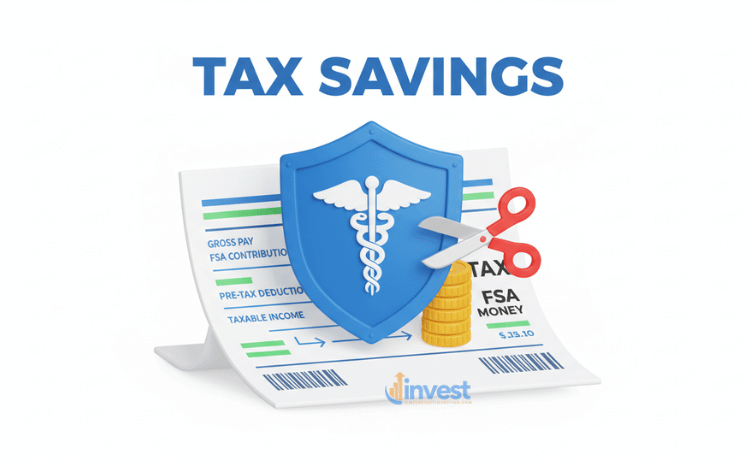
A Simple Example Imagine you work at a large company like Amazon or Walmart. You decide to put 2,000 dollars into your FSA for the year. Normally, if you earned that 2,000 dollars, the government might take 400 dollars in taxes, leaving you with only 1,600 dollars. By using an FSA, you get to keep and spend the full 2,000 dollars on your healthcare. It is like getting a 400 dollar gift from the IRS.
The Common Beginner Mistake Many newcomers think that the money in an FSA is “their money” in the same way a bank account is. They assume that if they don’t use it this year, it will just sit there and grow until they need it three years from now. They think of it as a long-term nest egg for future surgeries or big medical events.
The Financial Logic In reality, an FSA is a “use it or lose it” tool. It is designed to cover expenses you expect to have within the current year. To make the most of it, you should look at your upcoming needs—like new glasses, dental cleanings, or daily medications—and fund the account specifically for those costs. It is a short-term spending tool, not a long-term savings vehicle.
Understanding the FSA Spending Rules and Deadlines
The most famous of all FSA spending rules is the year-end deadline. For most plans, this date is December 31st. If you have a balance left in your account at midnight on New Year’s Eve, that money could disappear forever. Your employer is generally not allowed to just give it back to you as cash.
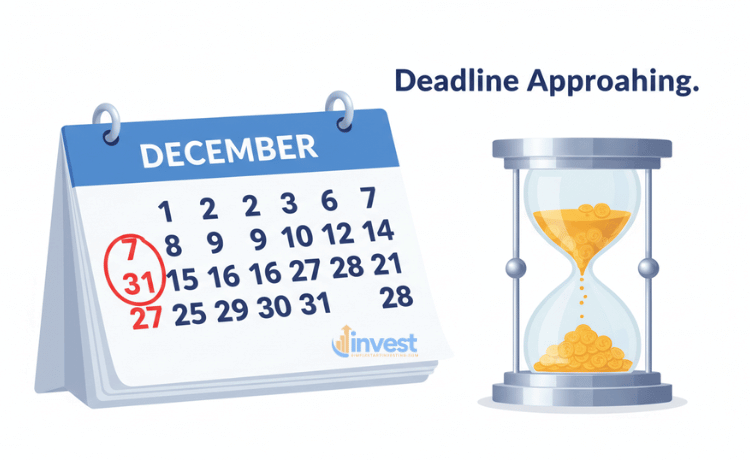
A Practical Example Let’s say you have 500 dollars left in your FSA in mid-December. If you do nothing, on January 1st, that 500 dollars vanishes from your portal. However, if you go to a place like Warby Parker and buy two pairs of prescription sunglasses for 500 dollars on December 28th, you have successfully “saved” that money from being lost.
The Common Beginner Mistake A lot of people believe the December 31st deadline is set in stone for everyone. They panic and buy things they don’t need, or worse, they give up entirely because they think they missed the window. They don’t realize that their specific company might have “safety valves” built into the plan.
The Financial Logic While the rule is “use it or lose it,” many employers offer one of two exceptions. Some give you a “Grace Period,” which is an extra two and a half months (usually until March 15th) to spend last year’s money. Others allow a “Carryover,” where you can move a specific amount—usually around 600 to 700 dollars—into the next year. You must check your specific plan documents to see if you have these options. Knowledge is the only way to avoid losing your balance.
What Can You Actually Buy? (The Fun Part)
When people think of medical expenses, they think of boring things like hospital bills or boring bandages. But the list of items covered under FSA spending rules is surprisingly long and includes things you probably buy every week at Costco or Target.

A Real-World Example You can use your FSA for high-tech items like high-end breast pumps, blood pressure monitors, or even specialized acne light therapy masks. You can also stock up on basics like sunscreen (SPF 15 or higher), menstrual products, and even over-the-counter pain relievers like Advil or Tylenol. If you have a baby, items like thermometers and nasal aspirators are all fair game.
The Common Beginner Mistake New users often think they need a doctor’s prescription for every single thing they buy with an FSA. They might avoid buying a first-aid kit or sunscreen because they don’t want to go through the hassle of getting a note from a physician. This leads to them spending “real” post-tax money on things their FSA could have covered for free.
The Financial Logic Recent law changes have made it much easier to use these funds. Most over-the-counter medications and menstrual products no longer require a prescription to be FSA-eligible. To be safe, look for the “FSA Eligible” label when shopping online or use a dedicated site like the FSA Store. It is much smarter to use your pre-tax dollars for your daily health essentials than to let that money expire.
Health FSA vs. Dependent Care FSA: Don’t Mix Them Up
There are actually two main types of FSAs, and the FSA spending rules for them are very different. The first is for healthcare, which we have been discussing. The second is the Dependent Care FSA, which is meant for people who pay for care so they can work.
A Daily Life Example Suppose you have a toddler in daycare that costs 1,000 dollars a month. You can put money into a Dependent Care FSA to pay that bill. For a married couple, you might put 5,000 dollars or even 7,500 dollars (depending on the year’s limits) into this account. This pays for the daycare with pre-tax money, saving you thousands in taxes over the course of a year.
The Common Beginner Mistake The biggest mistake here is thinking you can “borrow” from one to pay for the other. A parent might try to use their Dependent Care FSA money to buy a new pair of glasses for their child. Or they might try to use their Health FSA to pay for a week of summer camp.
The Financial Logic These are two separate “buckets” of money. The Health FSA is for medical, dental, and vision needs for your family. The Dependent Care FSA is strictly for care services—like daycare, preschool, or elder care—that allow you to go to work. You cannot move money between them. If you have extra money in your Dependent Care account, you need to find more care hours or qualifying summer camps to spend it on before the deadline.
FSA vs. HSA: Which One Do You Have?
This is perhaps the most confusing part for beginners. Both accounts help you save on taxes, but the rules are opposites. If you are following FSA spending rules, you are on a clock. If you have an HSA (Health Savings Account), you are on a marathon.
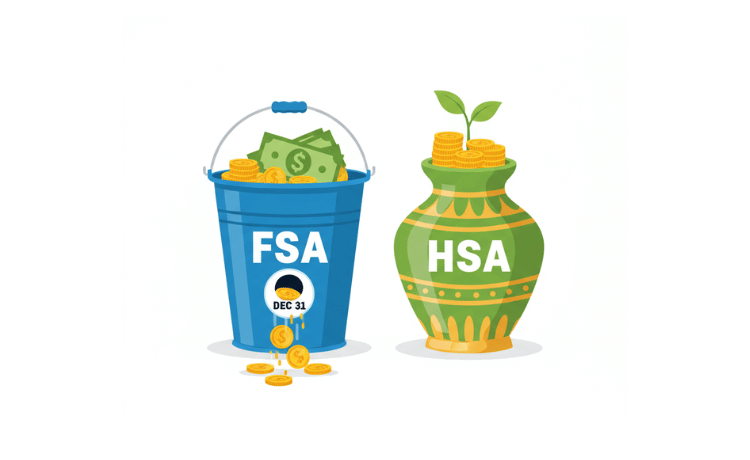
A Comparative Example Think of an FSA like a gift card that expires at the end of the year. You have to use it or you lose the value. Now, think of an HSA like a traditional savings account at a bank. If you put 1,000 dollars into an HSA at a firm like Fidelity or Vanguard, that money stays there forever. It can even be invested in the stock market to grow over twenty years.
The Common Beginner Mistake People often hear about the benefits of an HSA—like being able to keep the money forever—and assume their FSA works the same way. This is a dangerous mistake. Because they think the money is safe, they don’t check their balance in December, only to find it empty in January.
The Financial Logic You generally cannot have both a full Health FSA and an HSA at the same time. Usually, if you have a “standard” health plan with low deductibles, you get an FSA. If you have a “high deductible” health plan, you get an HSA. If you have an FSA, you must be aggressive about spending it. If you have an HSA, you should be aggressive about saving and investing it. Always confirm which one you have before making a year-end spending plan.
Your Step-by-Step Plan to Empty Your FSA
If you have money left and the year is ending, don’t panic. Follow this logical path to ensure you follow the FSA spending rules correctly while getting the most value for your lifestyle.

Step 1: The Inventory Check Log into your benefits portal (like Highmark, Aetna, or UnitedHealthcare) and look for your “Available Balance.” Do not just look at what you contributed; look at what is left after the claims you already made.
Step 2: Schedule the Professionals Check if you or your family members are due for a dentist cleaning, an eye exam, or a physical. These professional services often have co-pays or out-of-pocket costs that are perfect for using up a few hundred dollars. Even a trip to the chiropractor or an acupuncture session is often covered.
Step 3: The Vision Upgrade Vision care is one of the easiest ways to spend FSA funds. If you wear contacts, buy a six-month supply. If your glasses are scratched, get a new pair. Many people don’t realize that prescription sunglasses or even “blue light” glasses (if they have a prescription) are eligible.
Step 4: The “Home Pharmacy” Stock Up If you still have 100 dollars left, head to a pharmacy. Buy the expensive sunscreens, the high-quality thermometers, the large boxes of bandages, and any over-the-counter allergy or pain meds you use regularly. These items don’t expire quickly, so you are essentially “pre-paying” for next year’s needs.
The Logic Adjustment Newcomers often feel “guilty” about spending the money at the last minute, as if they are “gaming the system.” In reality, this is exactly what the account is for. The government created these accounts to encourage you to take care of your health. Spending the money on a new pair of glasses or a high-quality first aid kit is a responsible financial decision that protects the money you worked hard to earn.
Why Timing Matters for Claims
It isn’t just about spending the money; it is about when the “service” happened. This is a technical part of the FSA spending rules that can catch even experienced investors.
An Analytical Example Suppose you go to the dentist on December 30th, but the dentist doesn’t send you the bill until January 15th. Because the service happened in December, you can still use your “last year” money to pay that bill. However, if you schedule the dentist for January 2nd, you cannot use your old money, even if you still have a balance. The date on the receipt is what matters.
The Common Beginner Mistake Many people think they can “pre-pay” for a surgery next year using this year’s money. They might try to pay their doctor in December for a procedure happening in February. Most of the time, the IRS will reject this claim because the medical care hasn’t actually happened yet.
The Financial Logic To be safe, make sure all your appointments and purchases occur before December 31st. Keep every single receipt, even for small items. Sometimes the debit card provided by your employer works at the register, but other times the insurance company will ask you to prove the purchase later. If you lose the receipt, you might have to pay the money back to the plan.
Summary of the “Use It or Lose It” Strategy
Managing an FSA doesn’t have to be stressful. It is simply a matter of shifting your mindset from “saving” to “strategic spending.” By understanding that this money has an expiration date, you can turn a potential loss into a huge win for your family’s health and your wallet.
- Check your balance early: Don’t wait until December 30th.
- Know your plan’s specifics: Check if you have a grace period or a carryover.
- Think beyond the doctor’s office: Use funds for vision, dental, and over-the-counter essentials.
- Keep your receipts: Physical or digital proof is your best friend.
An FSA is one of the few places where the government gives you a direct path to lower your taxes. Don’t let that opportunity go to waste by letting your balance expire. Take a few minutes this week to look at your account, plan your purchases, and finish the year with a zero balance and a healthier home.
Disclaimer: This content is for educational purposes only and does not constitute financial, legal, or tax advice. Regulations regarding FSAs and tax laws can change; please consult with a qualified tax professional or your HR department for the most current guidelines.