So, you are ready to take that big leap. You have been browsing listings on Zillow or Apartments.com, imagining where your sofa will go and how it will feel to finally have your own keys. It is an exciting milestone, but for many young adults in the United States, the excitement quickly turns into a “wallet shock” when the actual bills start rolling in.
Understanding your first apartment costs is about much more than just looking at the monthly rent price listed on a website. In the US rental market, the “sticker price” is often just the beginning of a long list of financial obligations. If you do not prepare for the layers of expenses waiting for you, you might find yourself in debt before you even unpack your first box.

This guide is designed to walk you through every single dollar you will likely spend during your first move. We will break down the hidden fees, the upfront hurdles, and the recurring monthly costs that many beginners overlook. By the time you finish reading, you will have a clear, realistic roadmap for your move-out budget.
What Exactly Are “First Apartment Costs”?
When we talk about first apartment costs, we are referring to the total amount of money required to transition from living with family or in a dorm to holding your own lease. This is not a single number. It is a combination of one-time fees, refundable deposits, and new monthly habits.
To understand this, let’s look at how these costs work in the real world. Imagine a young professional named Marcus who finds a great studio apartment in a city like Charlotte, North Carolina. The rent is listed as 1,200 dollars per month. Marcus has 1,500 dollars in his savings account and thinks he is ready to sign.
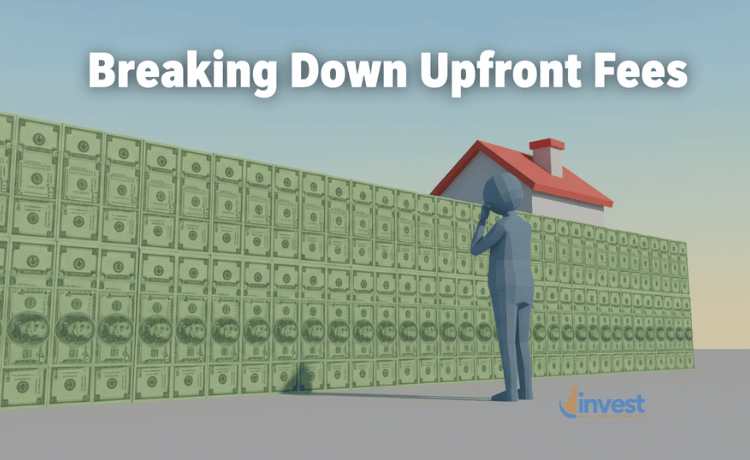
However, the leasing office informs Marcus that he needs to pay an application fee of 50 dollars, a security deposit of 1,200 dollars, and the first month of rent upfront. Suddenly, Marcus needs 2,450 dollars just to get the keys. He is 950 dollars short because he only looked at the rent price, not the total first apartment costs.
A common mistake beginners make is assuming that having “enough for rent” means they are ready to move. This leads to people using high-interest credit cards to cover deposits or furniture, which creates a cycle of debt. The correct financial logic is to treat your move-out as a “capital project.” You need a lump sum of cash for the “startup costs” and a separate, sustainable plan for your monthly “operating costs.”
The “Upfront” Wall: Expenses Before You Move In
Before you even get to step inside your new home as a tenant, you will face the “Upfront Wall.” These are the costs that landlords and management companies require to prove you are a reliable tenant and to protect their property.
Application and Background Check Fees
In the US, almost every landlord will charge you an application fee. This covers the cost of running your credit report and checking your criminal and rental history. These fees usually range from 30 dollars to 100 dollars per person.
Example: If you are moving in with a roommate to an apartment managed by a large company like Greystar, you might both have to pay a 75 dollar fee. That is 150 dollars gone before you even know if the apartment is yours.
The Security Deposit
The security deposit is perhaps the most significant part of your first apartment costs. This is money the landlord holds in case you damage the unit or break the lease. Usually, this is equal to one full month of rent, though if your credit score is lower, a landlord might ask for two months.
A common misunderstanding is that the security deposit is “the last month’s rent.” It is not. You cannot tell your landlord to “just use the deposit” for your final month of living there. You must pay rent every month, and the deposit is returned to you after you move out, provided the apartment is in good condition.
Administrative Fees
Many modern apartment complexes in the US now charge a one-time “Admin Fee” or “Move-in Fee.” Unlike a security deposit, this money is usually non-refundable. It covers the office work required to set up your file and prepare your lease. This can cost anywhere from 100 dollars to 300 dollars.
The Monthly Reality: More Than Just a Roof
Once you have climbed over the Upfront Wall, you have to deal with the monthly rhythm of expenses. This is where most beginners struggle to maintain their budget.
Utilities: The Variable Monster
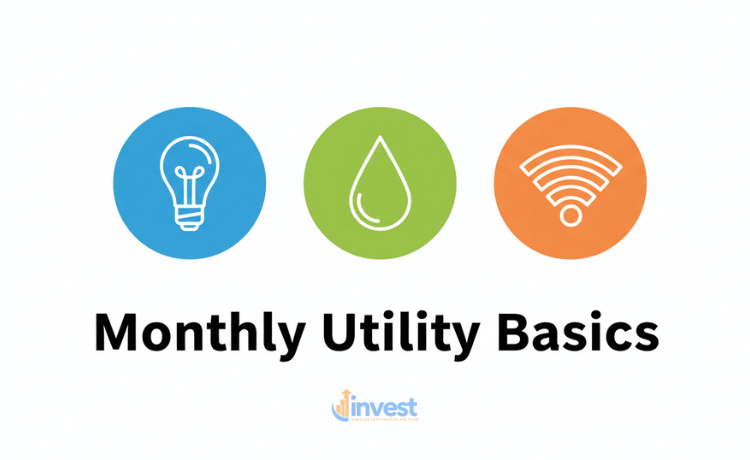
In some parts of the world, utilities might be included in the rent. In the US, this is becoming rare. You will likely be responsible for:
- Electricity: This can fluctuate wildly. In a place like Phoenix, Arizona, your electric bill might be 50 dollars in the winter but 200 dollars in the summer due to air conditioning.
- Water and Sewer: Sometimes billed by the city, sometimes through a third-party service like Conservice.
- Trash and Pest Control: Often a mandatory monthly fee of 20 dollars to 40 dollars.
Renters Insurance
Most US landlords now require proof of renters insurance before they give you the keys. This is actually a good thing. Renters insurance protects your personal belongings (like your laptop or furniture) if there is a fire or theft. It also provides liability coverage if someone gets hurt in your apartment.
Example: A policy from a company like State Farm or Lemonade usually costs between 15 dollars and 30 dollars per month. A common mistake is thinking the “landlord’s insurance” covers your stuff. It doesn’t. Their insurance only covers the building’s structure. If a pipe bursts and ruins your 2,000 dollar MacBook, you are on your own without your own policy.
Internet and Streaming
Reliable high-speed internet is a necessity today. Depending on your provider (like Xfinity, AT&T, or Spectrum), you should budget between 50 dollars and 100 dollars per month. Do not forget to account for the “introductory rate” ending after the first year, which could cause your bill to jump.
The “Hidden” Costs You Might Forget
There are several “stealth” expenses that can eat away at your savings if you aren’t careful. These are often small individually but large when added together.
Parking and Pet Rent
If you live in a dense city like Seattle or Chicago, you might have to pay for a parking spot in your own building. This can range from 50 dollars to 300 dollars per month. Similarly, if you have a dog or cat, expect to pay a “Pet Deposit” (one-time) and “Pet Rent” (monthly), which is often 25 dollars to 50 dollars per pet.
Laundry
If your apartment does not have a washer and dryer inside the unit, you will have to pay for the communal laundry room or a local laundromat. This can easily cost 20 dollars to 40 dollars per month in quarters or via a mobile app. It also takes up your most valuable resource: time.
The “First Grocery Trip”
When you move out for the first time, you start with an empty kitchen. You don’t just need food; you need the basics. Salt, pepper, olive oil, flour, trash bags, dish soap, and toilet paper. Buying all of these “staples” at once can cost 150 dollars to 200 dollars on your very first shopping trip.

How to Calculate If You Can Afford It
To avoid financial disaster, you need a way to measure your income against these first apartment costs. In the US, a very common “rule of thumb” is the Thirty Percent Rule.
The logic is simple: Your monthly rent should not exceed thirty percent of your gross monthly income (your pay before taxes are taken out). For example, if you earn 4,000 dollars per month before taxes, your rent should be no more than 1,200 dollars.
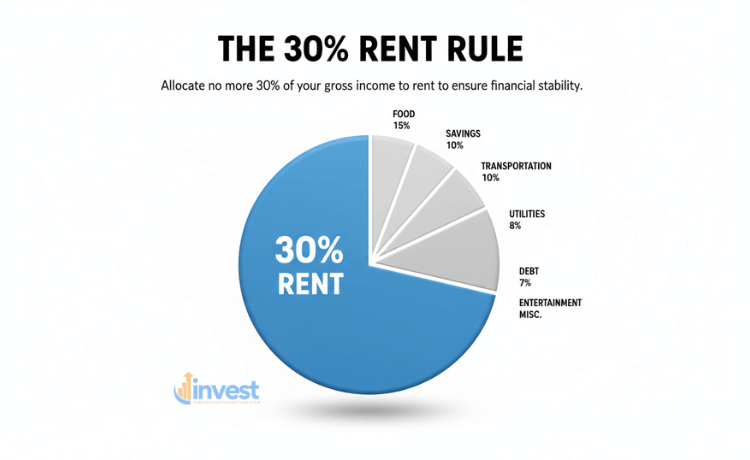
However, many financial experts today suggest using thirty percent of your “take-home pay” (the money that actually hits your bank account) instead. This is a safer way to budget because it accounts for the taxes and insurance already deducted from your paycheck.
If your take-home pay is 3,000 dollars, and you follow this logic, your rent goal should be 900 dollars. If you choose an apartment that costs 1,500 dollars, you are spending fifty percent of your income on just rent. This leaves very little room for food, transportation, or savings, leading to a “paycheck to paycheck” lifestyle.
Common Beginner Misconceptions
“I can just buy furniture later.”
The Mistake: Many beginners move into an empty apartment with just a mattress, thinking they will buy things slowly. They soon realize that living without a trash can, a shower curtain, or a place to sit makes life miserable. They then panic-buy cheap furniture on credit. The Fix: Budget at least 500 dollars to 1,000 dollars for “essential lifestyle items” before you move. Check Facebook Marketplace or local thrift stores for used items to save money.
“My credit score doesn’t matter for renting.”
The Mistake: Thinking that as long as you have the cash, the landlord will say yes. The Fix: Landlords in the US use your credit score to determine your risk. A low score might not get you rejected, but it might force you to pay a much higher security deposit. Check your score for free on sites like AnnualCreditReport.com before you apply.
“I’ll save money by living further away.”
The Mistake: Choosing a cheaper apartment 20 miles from work to save 200 dollars on rent. The Fix: Calculate the cost of gas, car maintenance, and the value of your time. If you spend an extra 250 dollars on gas and car repairs because of the long commute, you haven’t actually saved any money; you’ve just moved the expense from “Rent” to “Transportation.”

Preparation Strategies for Success
Moving out is a marathon, not a sprint. Here is how to prepare your finances correctly:
- The “Move-In Fund”: Save a lump sum that covers three times the monthly rent. If rent is 1,000 dollars, save 3,000 dollars. This covers the first month, the security deposit, and those initial furniture/grocery costs.
- The “Utility Buffer”: Call the local utility companies (like the electric or water company) for the address you are considering. Many companies will give you the “average monthly bill” for that specific unit for the past year. This removes the guesswork.
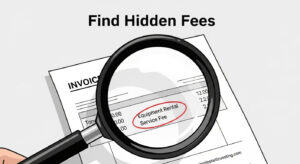
- Read the Lease Carefully: Look for “hidden fees” like valet trash, amenity fees (for the gym or pool), or mandatory technology packages. These are often not included in the advertised price.
Remember, the goal of your first apartment is to gain independence, not to create a financial prison. By accounting for every part of your first apartment costs early on, you can enjoy your new space with peace of mind.
Regulations regarding security deposits and tenant rights vary significantly by state (for example, California has different laws than Texas). Please check your local state and city housing department guidelines or consult with a legal professional to understand the specific protections available to you.
Disclaimer: This content is for educational purposes only and does not constitute financial, legal, or real estate advice.