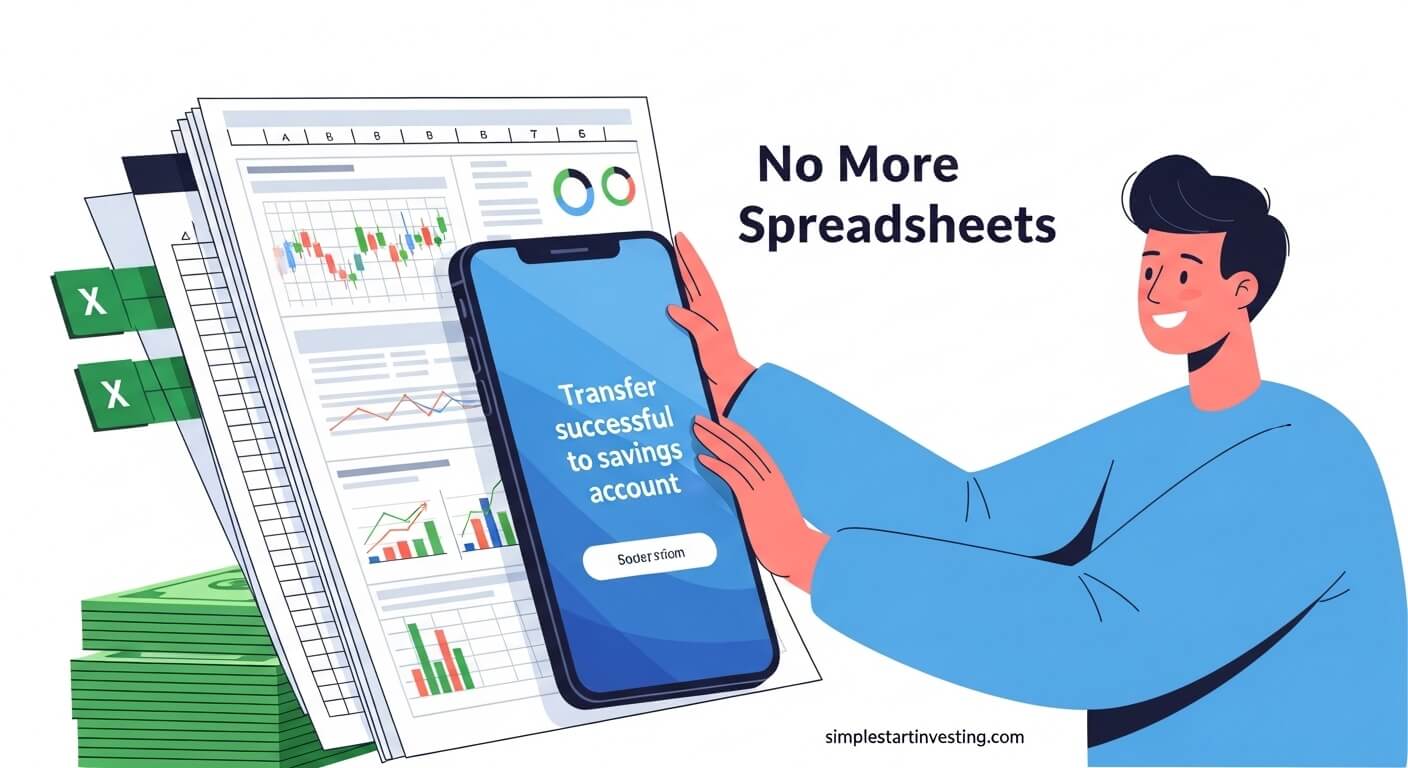
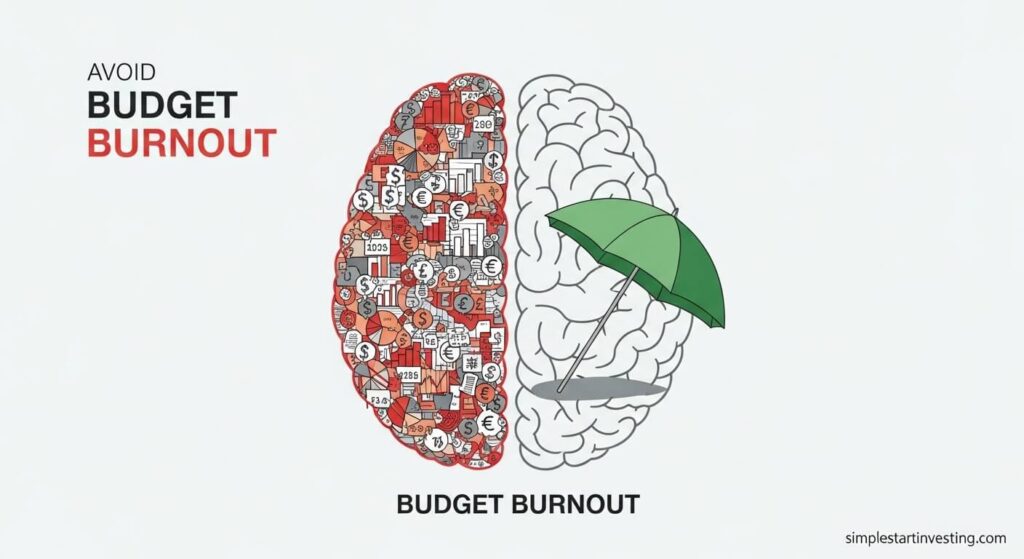
If you have ever tried to sit down with a complex spreadsheet, a stack of crumpled receipts, and a feeling of impending doom, you are not alone. For most of us, traditional budgeting feels like a second job that we never applied for and certainly do not get paid to do. The constant pressure to categorize every single coffee, every gallon of gas, and every digital subscription can lead to “budget burnout” before the first month is even over.
This is where the Anti-Budget comes in. If you are someone who hates the granular detail of tracking every penny, this strategy might be the financial lifesaver you have been looking for. Instead of looking backward at where your money went, you focus entirely on one single action at the beginning of the month.
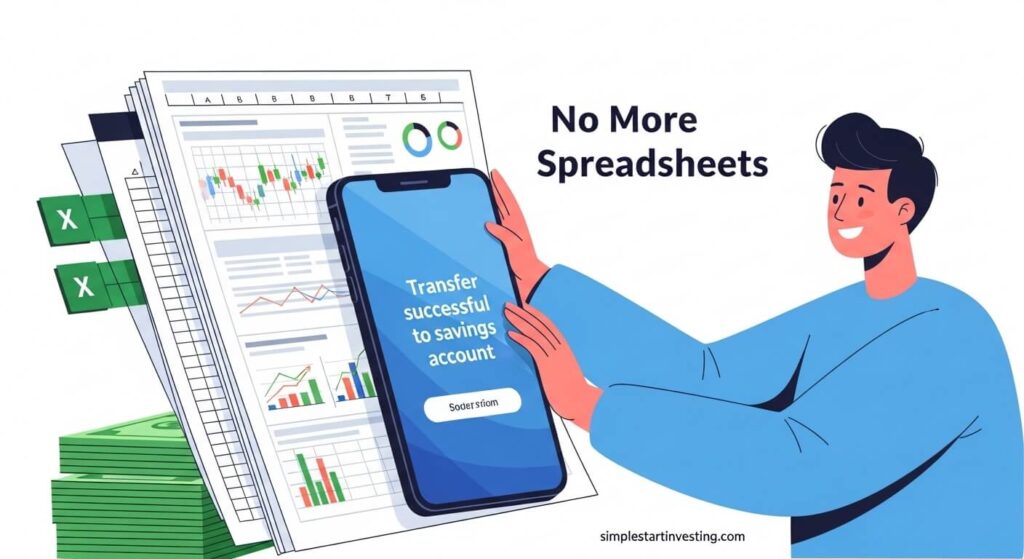
The Anti-Budget flips the script on traditional personal finance. It is built for real life, not for math enthusiasts. In this guide, we are going to break down exactly how this works, why it is often more effective than traditional methods for beginners, and how you can set it up today without ever opening a spreadsheet again.
What Exactly Is the Anti-Budget?
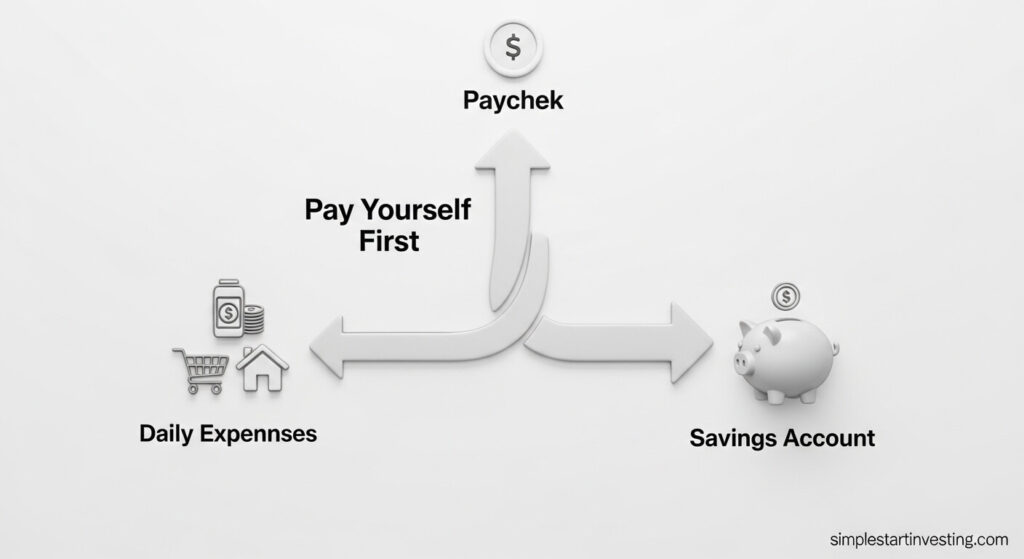
The Anti-Budget is a simplified financial strategy often referred to by experts as the “Pay Yourself First” method. In a traditional budget, you spend money throughout the month, keep track of it all, and then hope there is something left over at the end to put into savings. The problem? There is almost never anything left.
With the Anti-Budget, you reverse that order. The very first thing you do when your paycheck hits your bank account is take a predetermined amount and move it into your savings or investment accounts. Once that money is gone, you are free to spend every single cent remaining in your checking account however you please.
There are no categories. There are no “dining out” limits. There is no guilt. As long as your savings goal is met upfront and your fixed bills (like rent and utilities) are covered, the rest of your money is yours to enjoy. It transforms budgeting from a restrictive chore into a simple gatekeeping system.
Why We Often Fail at Traditional Budgeting
Most beginners believe that if they cannot stick to a strict budget, they are “bad with money.” This is a common misunderstanding. The reality is that traditional line-item budgeting requires a high level of executive function and constant attention.
When you try to track every dollar, you are fighting against human nature. We have “decision fatigue.” By the time you get through a long day of work, deciding whether a 5-dollar snack fits into your “miscellaneous” or “grocery” category feels like an unnecessary burden. Eventually, most people just stop doing it.
When you stop tracking, you usually stop saving. This leads to a cycle of guilt and avoidance. The Anti-Budget solves this by removing the need for constant decision-making. You make one big decision on payday, and the rest of the month requires zero “budgeting” effort. You aren’t failing at finance; you might just be using a system that isn’t compatible with your lifestyle.
The Psychology Behind “Pay Yourself First”
The reason the Anti-Budget works so well is rooted in a concept called Parkinson’s Law. This law suggests that “work expands to fill the time available for its completion.” In finance, this translates to: “spending expands to fill the money available.”
If you have 1,000 dollars in your checking account, your brain perceives that you have 1,000 dollars to spend. You might justify extra purchases because the balance looks healthy. However, if you immediately move 200 dollars to a separate savings account, your brain now sees 800 dollars.
You will naturally adjust your lifestyle to fit that 800 dollars without even thinking about it. By removing the “savings” portion from your sight, you take away the temptation to spend it. You are essentially tricking yourself into living on less while your wealth grows quietly in the background.
How to Set Up Your Anti-Budget Step-by-Step
Setting up this system does not require any complex math. It just requires a little bit of honesty about your monthly obligations. Here is how a beginner can implement the Anti-Budget starting today.
Step 1: Identify Your Fixed Costs
Before you can “spend the rest,” you need to know what “the rest” actually is. Look at your bank statements from the last three months. Total up your non-negotiable bills. This includes your rent or mortgage, car payments, insurance, utilities, and any minimum debt payments.
For example, if your total take-home pay is 4,000 dollars a month and your fixed bills total 2,500 dollars, you have 1,500 dollars of “flexible” money left.
Step 2: Decide on Your Savings Goal
This is the most important part of the Anti-Budget. How much do you want to save for your future? If you are just starting, do not feel pressured to save half your income. Even starting with 5 percent or 10 percent is a massive win.
Using our previous example, if you decide to save 500 dollars a month, that is your “Anti-Budget” number. This money will be moved out of your account as soon as you get paid.
Step 3: Automate the Process
The secret sauce of the Anti-Budget is automation. You should not have to manually move money every month. If you have to think about it, you might find an excuse not to do it.
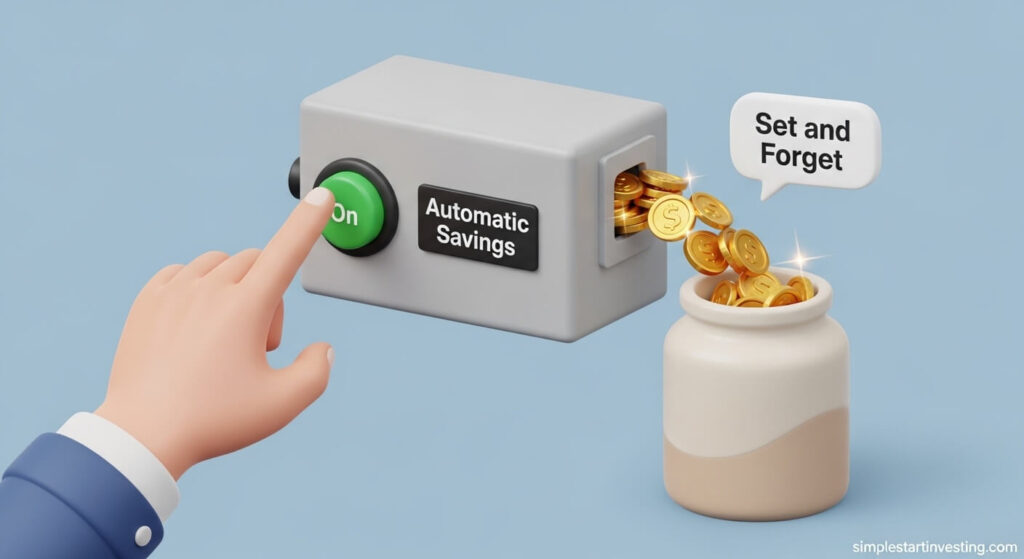
Most US employers allow you to split your Direct Deposit. You can ask your HR department to send 500 dollars to your savings account and the remaining 3,500 dollars to your checking account. If your employer doesn’t offer this, you can set up an automatic recurring transfer within your banking app to happen the day after your payday.
Step 4: Spend with Confidence
Once your 500 dollars has moved to savings and your 2,500 dollars in bills are covered, the remaining 1,000 dollars in your checking account is yours. You don’t need to track if you spent too much on shoes or too much on pizza. If there is money in the account, you can spend it. If the account gets low, you naturally slow down your spending until the next payday.
Common Misunderstandings About the Anti-Budget
One of the biggest misconceptions is that the Anti-Budget is “lazy” or “irresponsible.” Critics argue that if you don’t know exactly where every dollar goes, you are losing control.
However, for a beginner, “perfect” is the enemy of “good.” It is much better to have a simple system that you actually follow for ten years than a perfect spreadsheet that you quit after two weeks. The Anti-Budget ensures the most important task—saving—happens every single time.
Another misunderstanding is that this method only works for people who make a lot of money. In reality, it is even more vital for those with tighter incomes. When money is tight, the temptation to use “leftover” cash for immediate wants is higher. By “paying yourself first,” you ensure your future self is taken care of before the daily grind eats up your resources.
Where Should the “Saved” Money Go?
In the US market, simply putting money into a standard checking account isn’t enough because inflation can eat away at its value. To make your Anti-Budget truly effective, you should have a “destination” for your automated savings.
For most beginners, the first stop is an Emergency Fund. This is usually kept in a High-Yield Savings Account (HYSA). These accounts are offered by many online banks and pay much higher interest than a traditional “big bank” savings account.
Once you have a few months of expenses saved, your automated “Anti-Budget” transfer can be redirected to retirement accounts like a 401(k) or an IRA. The beauty of this system is that as your goals change, the system stays the same—only the destination of the automated transfer changes.
Is the Anti-Budget Right for You?
While the Anti-Budget is incredibly effective, it isn’t a one-size-fits-all solution. It works best for people who:
- Feel overwhelmed by spreadsheets and apps.
- Have a relatively stable income.
- Are looking to build a consistent saving habit.
- Value simplicity and time over granular data.
If you are currently in significant “high-interest” debt (like credit card debt), you might need a slightly more hands-on approach initially to aggressively pay down those balances. However, even then, the “pay yourself first” logic applies: you can automate your debt “savings” so that the debt is paid off before you have a chance to spend the money elsewhere.
The “Guilt-Free” Spending Perk
The most underrated benefit of the Anti-Budget is the mental freedom it provides. Traditional budgeting often makes you feel guilty for enjoying your money. If you spend 100 dollars on a nice dinner, a traditional budgeter might worry they are “over” their restaurant category for the month.

With the Anti-Budget, that guilt disappears. Because you have already “paid” your future self, the money left in your account is intended to be spent. It allows you to enjoy the fruits of your labor today without compromising your security tomorrow. You can buy that expensive gadget or go on that weekend trip knowing that your retirement and emergency funds are already growing.
Making Adjustments Over Time
Your Anti-Budget is not set in stone. Life changes, and your financial system should be able to breathe with you. If you get a raise at work, you don’t necessarily need to change your lifestyle. You can simply increase your automated transfer.
For example, if you get a raise of 200 dollars per month, you could choose to move 100 dollars of that into your savings and keep the other 100 dollars for “fun” spending. This allows you to avoid “lifestyle creep” while still feeling the reward of your hard work.
Conversely, if your expenses go up—perhaps your rent increases—you might need to temporarily lower your savings goal. The key is to keep the habit of the automated transfer alive, even if the amount fluctuates.
Transitioning from “Zero” to “Anti-Budget”
If you are starting from zero, the prospect of moving hundreds of dollars might feel scary. The best way to start is small. You don’t need to jump into a 20 percent savings rate on day one.
Try starting with just 50 dollars per paycheck. Set up the automation and see how it feels for two months. You will likely find that you don’t even miss that 50 dollars. Once you are comfortable, bump it up to 100 dollars. This gradual approach builds “financial confidence,” which is far more important for a beginner than any specific math formula.

The Anti-Budget is about building a system that works while you sleep. It recognizes that you are a human being with a life to lead, not a calculator. By prioritizing your future at the start of the month, you earn the right to relax for the rest of it.
Final Thoughts for the Beginner
Personal finance is 20 percent head knowledge and 80 percent behavior. You can read every book on investing, but if you cannot find a way to consistently save money, the knowledge won’t help you. The Anti-Budget is a behavioral tool designed to make the “right” choice the “easiest” choice.
Stop worrying about the pennies and start focusing on the big picture. Automate your savings, cover your bills, and give yourself permission to enjoy what is left. It is the simplest path to a stress-free financial life.
Disclaimer: This content is for educational purposes only and does not constitute financial advice. Financial regulations and account types may change; please consult with a qualified professional or check current IRS and SEC guidelines before making major financial decisions.