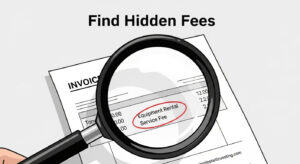
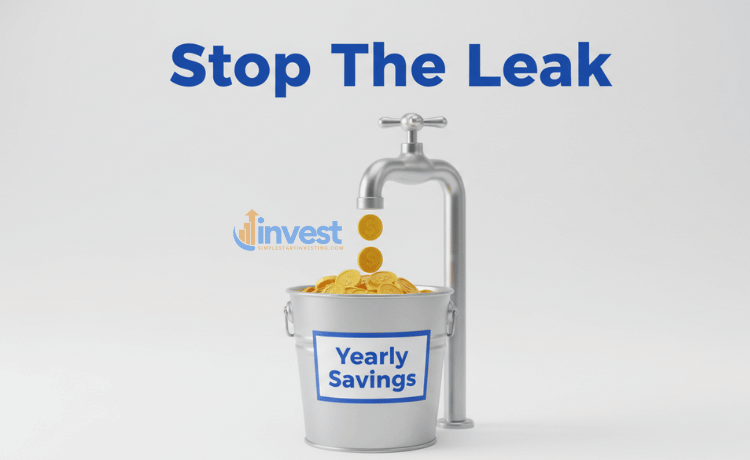
Have you ever looked at your bank statement and seen a charge for ten dollars that you did not recognize? Maybe it was a streaming service you stopped watching months ago, or a “pro” version of a photo editing app you only used once for a holiday card. These small, recurring charges are like a leaky faucet in your house. One drop does not seem like much, but over time, it can flood your basement. This is why a Subscription Audit is the single most effective way for a beginner to “find” money they didn’t know they had.
A Subscription Audit is simply the process of going through every single recurring payment in your life and asking one question: Is this still worth the money? For many Americans, these “invisible” costs have grown significantly. Most people now spend around 90 dollars every month on various services. If you are not careful, you could be losing hundreds of dollars every year on things you do not even use. By performing a Subscription Audit today, you can reclaim that cash and put it toward your future.
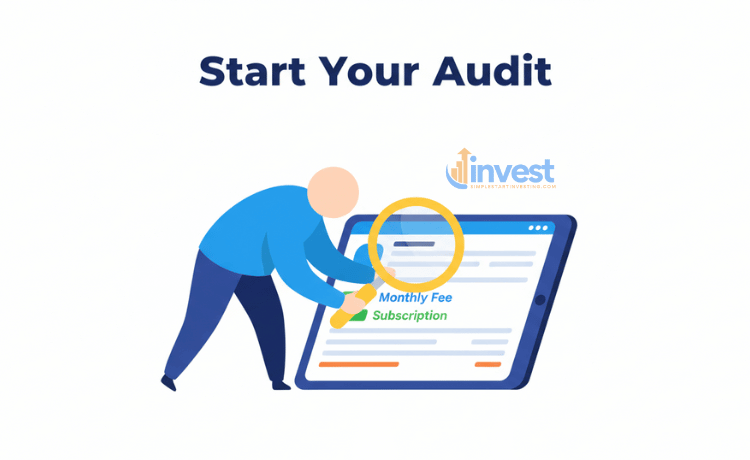
What Exactly Is a Subscription Audit?
At its heart, a Subscription Audit is a deep clean for your finances. Think of it like cleaning out your closet. You look at every item, see if it still fits, and decide if you want to keep it or give it away. In the financial world, “giving it away” means canceling the service so the company stops taking your money.
A common mistake beginners make is thinking that a Subscription Audit is only for “extra” things like Netflix or Spotify. They often ignore things like cloud storage fees, gym memberships, or even small identity theft protection charges that their bank might add.
The correct way to think about this is to view every recurring charge as a choice you make every single month. If you are not actively choosing to use a service, you are essentially giving your hard-earned money to a corporation for free. A proper Subscription Audit helps you take back control of that choice.
The Hidden Cost of “Small” Monthly Fees
Companies love the “subscription model” because humans are naturally forgetful. They know that if they charge you just 5 dollars or 10 dollars a month, you are less likely to notice it than if they charged you 120 dollars all at once. This is a psychological trick designed to keep you paying indefinitely.
How the numbers add up
Let’s look at how these small fees impact your wallet. Imagine you have a streaming service that costs 15 dollars a month, a news site subscription for 5 dollars, and a fitness app for 10 dollars. Together, that is 30 dollars every month.
If you do not use these services, you are losing 30 dollars a month. Over the course of twelve months, that adds up to 360 dollars. In five years, that is 1,800 dollars gone. That is enough money to buy several shares of a major company like Apple (AAPL) or Microsoft (MSFT), which could grow in value over time instead of just disappearing.
The trap of the “Free Trial”
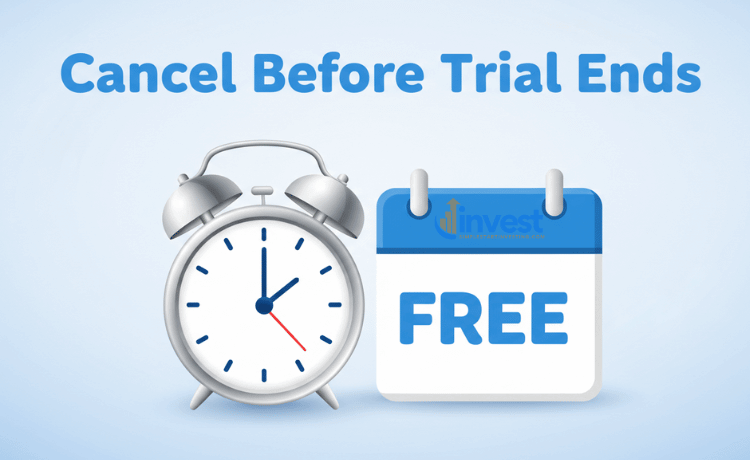
Almost every service today offers a “7-day free trial.” They ask for your credit card information upfront, hoping you will forget to cancel before the eighth day.
- The Misconception: Beginners often think, “I’ll just sign up and cancel it tomorrow.”
- The Reality: Life gets busy. You forget. The company charges you for a full month, and because you missed the window, they often refuse to give you a refund.
- The Better Mindset: Treat a free trial like a contract. As soon as you sign up, set a reminder on your phone for 24 hours before the trial ends to perform a mini Subscription Audit on that specific service.
How to Perform Your Own Subscription Audit (Step-by-Step)
You do not need to be a math genius or a financial expert to do this. You just need a little bit of time and a eagle-eye for detail. Here is the best way to handle your Subscription Audit manually.
Step 1: Gather your “Paper Trail”
Log in to your online banking portal or pull up your last three months of credit card statements. You want to look at three months because some subscriptions are billed quarterly rather than monthly.
Step 2: The Line-By-Line Hunt
Scan every single transaction. Look for words like “recurring,” “subscription,” “membership,” or “auto-pay.” Do not just look for big numbers. In fact, the most dangerous fees are the ones under 10 dollars because they blend into the background.
Step 3: Identify the “Zombies”
A “zombie” subscription is something you signed up for long ago and forgot existed. For example, maybe you signed up for a premium delivery service from a retailer like Walmart or Amazon to get free shipping on one item, and you never used it again. If you haven’t used the service in the last 30 days, it is a candidate for cancellation.
Step 4: Look for Price Hikes
Many companies raise their prices without making it very obvious. You might have signed up for a service at 9 dollars a month, but now you notice you are being charged 14 dollars. During your Subscription Audit, check if the value you get from the service has increased along with the price. If not, it is time to say goodbye.
Common Areas Where Money “Hides”
When you are doing your Subscription Audit, there are a few places where people almost always find hidden fees.
1. The App Store and Play Store
Many of the apps on your phone have subscriptions that do not show up as the name of the app on your bank statement. They might just say “Apple.com/bill” or “Google Services.”
- To fix this: Go into your phone settings, click on your name, and look at the “Subscriptions” tab. You might be surprised to find three or four apps you deleted months ago are still charging you every month.
2. Gym and Wellness Memberships
Gyms are famous for making it hard to cancel. Many people keep paying for a gym membership they don’t use simply because the “cancellation process” feels like too much work.
- The Fix: During your Subscription Audit, be honest. If you haven’t walked into that gym in two months, call them today. Even if there is a small “cancellation fee,” paying it once is better than paying a monthly membership fee forever.
3. Cloud Storage and Digital Backup
Do you pay for extra storage on your phone? Do you also pay for a separate backup service for your computer? Many people pay for two or three different services that do the exact same thing. By consolidating your files into one service, you can often cut your monthly bill in half.
Understanding the New “Click-to-Cancel” Landscape
You might have heard that the government is trying to make it easier to cancel subscriptions. The Federal Trade Commission (FTC) in the United States has been working on a “Click-to-Cancel” rule. The goal of this rule is simple: if you can sign up for a service with one click, you should be able to cancel it with one click too.
However, the legal world is complicated. While this rule was finalized, it has faced challenges in court recently. Some parts of the rules are in effect, while others are being reviewed.
- The Misconception: Beginners might think, “I don’t need to worry about my Subscription Audit because the government will make companies cancel for me.”
- The Reality: You are still responsible for your own money. While laws are getting stricter—especially in states like California—companies will always find ways to keep you subscribed. You must be your own advocate.
- The Better Mindset: Stay informed, but do not wait for a law to save you money. Take action yourself.
Note: Regulations can change; please check current guidelines from the FTC or consult a professional.
What to Do with Your “Found” Money?
The best part of a Subscription Audit is not just stopping the leak—it is where you put the water. Once you cancel 50 dollars worth of unused services, you have effectively given yourself a 600-dollar-a-year raise.

Instead of spending that money on more “stuff,” consider these options:
- Build an Emergency Fund: Put that money into a high-yield savings account. This is your “safety net” for when life gets messy.
- Invest in the Market: You could use that 50 dollars a month to buy fractional shares of an exchange-traded fund (ETF). These are collections of stocks that let you own a small piece of many companies at once.
- Pay Down Debt: If you have a credit card with a high interest rate, every dollar you “save” from your Subscription Audit can be used to pay off that debt faster.
Imagine if you stopped paying for a 15-dollar streaming service and instead put that 15 dollars into a broad market fund every month. Over twenty or thirty years, that small change could grow into thousands of dollars due to the power of compound growth.
Common Myths That Stop People from Auditing
Many beginners avoid doing a Subscription Audit because of a few common myths. Let’s clear those up.
Myth 1: “It’s only ten dollars, it doesn’t matter.”
This is the biggest mistake in personal finance. If you have five “ten-dollar” mistakes, you are losing 50 dollars a month. In the world of investing, 50 dollars a month invested consistently can turn into a significant amount of wealth over time. Every dollar matters.
Myth 2: “I might need it later.”
This is the “just in case” trap. Companies love this mindset. If you haven’t used a service in three months, you probably won’t use it next month either. If you truly need it later, you can almost always sign up again in less than two minutes. Cancel now, and rejoin only if you actually miss it.
Myth 3: “I’ll do it when I have more time.”
A Subscription Audit actually saves you time in the long run. By clearing out the digital clutter, you have fewer emails to manage and fewer transactions to track. You can finish a basic audit in about thirty minutes.
Summary of the Subscription Audit Process
To wrap things up, remember that managing your money is not about being “cheap.” It is about being intentional. A Subscription Audit ensures that your money is going toward things that actually make your life better.
- Print or download your bank statements from the last 90 days.
- Highlight every recurring charge, no matter how small.
- Cancel anything you haven’t used in the last month.
- Set reminders for any “free trials” you have active.
- Redirect those savings into an investment account or emergency fund.
By doing this once every few months, you stay in the driver’s seat of your financial life. You work hard for your money—don’t let it slip away to a company you forgot you even liked.
Disclaimer: This content is for educational purposes only and does not constitute financial, legal, or tax advice. For specific advice regarding your financial situation, please consult with a qualified professional.