If you have ever looked at your credit card statement and felt a sense of relief seeing that small “minimum payment” amount, you are not alone. It looks so manageable. For a balance of 1,000 dollars, the bank might only ask for 25 dollars. It feels like a win. You think to yourself, “I can afford 25 dollars this month.”
However, this small number is one of the most dangerous illusions in the world of personal finance. That credit card minimum payment is not designed to help you get out of debt. In fact, it is designed to keep you in debt for as long as possible. When you only pay the minimum, you aren’t really paying off what you bought; you are mostly just paying the bank for the privilege of staying in debt.
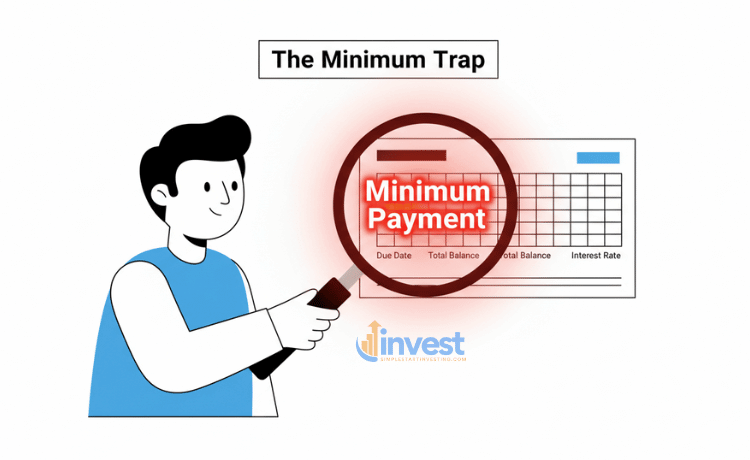
In this guide, we are going to pull back the curtain on how a credit card minimum payment works. We will explore why it is a trap, how the interest builds up behind your back, and most importantly, how you can break free to build a real financial future.
What Exactly Is a Credit Card Minimum Payment?
To understand the trap, we first need to define what we are looking at. In simple terms, the credit card minimum payment is the smallest amount of money you must pay by the due date to keep your account in “good standing.” As long as you pay this amount, the bank won’t charge you a late fee, and they won’t report you as “late” to the credit bureaus.
The Real-World Example
Imagine you went to Amazon and bought a high-end laptop for 1,200 dollars. When your bill arrives, you see two numbers. One is the “Statement Balance” of 1,200 dollars. The other is the “Minimum Payment Due,” which is only 30 dollars. It is very tempting to just pay the 30 dollars and use the rest of your cash for other things.
The Common Mistake
Many beginners believe that as long as they pay the minimum, they are managing their credit cards “the right way.” They treat it like a monthly subscription fee, similar to a Netflix account. They think, “As long as I pay my 30 dollars, I’m a responsible borrower.”
The Logic Shift
You must stop viewing the minimum payment as a “bill” and start seeing it as a “toll.” If you only pay the minimum, you are barely touching the actual money you borrowed (the principal). Most of that payment goes toward the interest. You are essentially walking on a financial hamster wheel: moving very fast and paying every month, but staying in exactly the same place.
The Narrative Math: How 1,000 Dollars Becomes a Lifetime Burden
Let’s look at how the math works without using confusing formulas. Suppose you have a balance of 2,000 dollars on a card with a typical interest rate, often called the APR, of 24 percent.
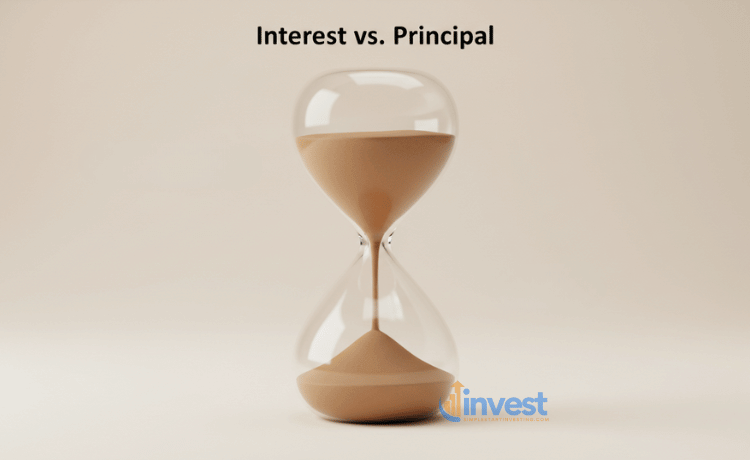
In the first month, the bank calculates your interest based on that 2,000 dollars. At a 24 percent annual rate, your monthly interest is roughly 2 percent. Two percent of 2,000 dollars is 40 dollars.
If your credit card minimum payment is 50 dollars, look at what happens when you pay it:
- 40 dollars goes straight to the bank as interest profit.
- Only 10 dollars goes toward actually reducing your 2,000 dollar debt.
Next month, your new balance is 1,990 dollars. You have paid 50 dollars of your hard-earned money, but your debt only went down by 10 dollars. If you continue this every month, it could take you over 15 years to pay off that original 2,000 dollar purchase. By the time you are finished, you might have paid the bank an extra 3,000 dollars or more in interest alone. That 2,000 dollar purchase effectively cost you 5,000 dollars.
Why Do Banks Set the Minimum So Low?
You might wonder why banks don’t require you to pay more. The answer is simple: business. Banks are in the business of selling money. Interest is the price they charge for that money.
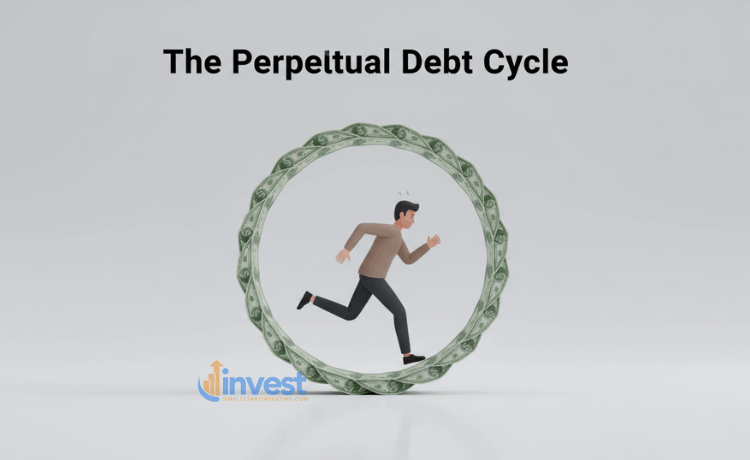
When you make a credit card minimum payment, the bank is very happy. Why? Because you are a “revolving” customer. You are someone who provides them with a steady stream of interest income every single month without ever actually finishing the loan.
If you paid your bill in full every month, the bank would actually make less money from you. They wouldn’t get to charge you that 24 percent interest. By setting the minimum payment at a tiny level—usually around 1 percent to 3 percent of your total balance—they ensure that you stay in the “interest-paying zone” for a long, long time.
The Common Mistake
Beginners often think, “The bank wouldn’t let me pay this little if it was bad for me.” They assume the bank has their best interests at heart.
The Logic Shift
The bank’s “minimum” is the legal minimum they must accept, not the recommended amount for your financial health. Their goal is profit; your goal is freedom. These two goals are often in direct conflict.
How the Minimum Payment Trap Hurts Your Credit Score
Most people know that paying late hurts your credit score. But did you know that only paying the minimum can also keep your score lower than it should be?
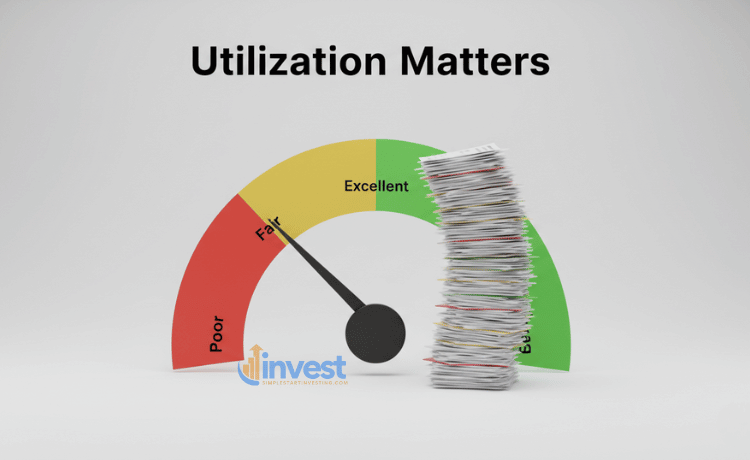
This happens because of something called “Credit Utilization.” This is a fancy way of saying “how much of your credit limit you are using.”
The Real-World Example
Suppose you have a credit card with a limit of 5,000 dollars. You have spent 4,000 dollars on it. Your credit utilization is 80 percent. Even if you make your credit card minimum payment on time every single month, that 80 percent utilization stays high because your balance isn’t moving down.
Lenders and credit bureaus look at high utilization as a sign of “financial stress.” They think, “This person is maxed out and can only afford the minimum; they might be a risky person to lend to.”
The Common Mistake
A beginner might think, “My score will go up because I’m never late.”
The Logic Shift
While your “Payment History” (staying on time) is 35 percent of your score, your “Amounts Owed” (utilization) is 30 percent. By only paying the minimum, you are helping one part of your score while severely hurting another. To get a high credit score, you need to drive that balance down, not just keep it from getting worse.
The Compound Interest Monster: Working Against You
You may have heard that compound interest is the “eighth wonder of the world” when it comes to investing. It allows your money to grow over time. However, when it comes to credit cards, compound interest is your worst enemy.
When you don’t pay your full balance, the interest the bank charges you this month gets added to your balance next month. Then, the bank charges you interest on the new, higher balance—which includes the old interest!
It is a snowball rolling down a hill, but instead of building your wealth, it is building your debt. This is why many people feel like they are paying and paying, but their balance never seems to change. It is because the interest is growing almost as fast as they are paying.
The “Minimum Payment Warning” on Your Statement
In the United States, there is a law called the Credit CARD Act of 2009. Because of this law, every credit card statement must include a “Minimum Payment Warning” box.
Next time you get your bill (or look at it in your mobile app), find this box. It will tell you two things:
- How many years it will take to pay off your balance if you only pay the minimum.
- How much you will end up paying in total (including all the interest).
It is often shocking to see. You might see that a 3,000 dollar balance will take 22 years to pay off and cost you a total of 8,000 dollars. This box exists specifically to warn you about the trap we are discussing today.
How to Escape the Trap: A Step-by-Step Strategy
If you find yourself stuck in the cycle of making only the credit card minimum payment, don’t panic. You can get out, but you need a plan that is more aggressive than the bank’s plan.
1. Stop the Bleeding
The first step is to stop adding new charges to the card. If you are trying to bail water out of a boat, you have to stop the water from coming in first. Use a debit card or cash for your daily needs while you are in “pay-down mode.”
2. Pay More Than the Minimum (Even a Little)
You don’t have to pay the whole balance today if you can’t afford it. But paying even 20 dollars or 50 dollars more than the minimum can shave years off your debt.
For example, if your minimum is 30 dollars, try to pay 60 dollars. That extra 30 dollars goes 100 percent toward your principal debt. It doesn’t get eaten by interest. This is how you actually start making progress.
3. Use the “Debt Avalanche” or “Debt Snowball”
- The Avalanche: Focus all your extra money on the card with the highest interest rate first. This saves you the most money in the long run.
- The Snowball: Focus on the card with the smallest balance first. Once that is paid off, you feel a “win,” and you take that payment and apply it to the next card. This is great for staying motivated.
4. Look for 0% Interest Transfer Offers
If you have a decent credit score, you might qualify for a “Balance Transfer” card. Companies like Citi or Chase often offer 12 to 18 months of zero interest on balances you move to them. This stops the “Compound Interest Monster” and allows every penny you pay to go toward your debt.
Note: Regulations and offers change; please check current guidelines or consult a professional.
Moving Toward the “Full Balance” Mindset
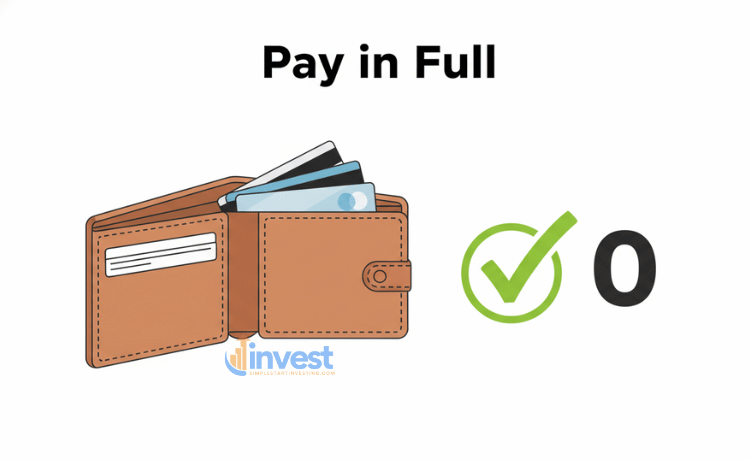
The ultimate goal of a successful investor is to use the bank’s money for free. You do this by paying your “Statement Balance” in full every single month.
When you pay in full, the bank does not charge you interest. You get the convenience of the credit card, the rewards points (like cash back from Discover or travel miles from American Express), and a great credit score, all without paying a dime in interest.
The Common Mistake
Newcomers often think they need to “carry a balance” (keep a little debt on the card) to build credit. This is a myth.
The Logic Shift
The credit bureaus want to see that you use the card, but they don’t care if you pay interest. Paying interest does not help your credit score. It only hurts your bank account. You can have a perfect 850 credit score without ever paying a single cent of credit card interest.
Summary: Your Path to Financial Freedom
Breaking the habit of making only the credit card minimum payment is the first step toward building wealth. Money that you are currently giving to the bank in interest is money that you could be investing in your future, your retirement, or a down payment on a home.
Understand that the minimum payment is a tool for the bank, not for you. By paying more than the minimum, understanding your interest rates, and focusing on lowering your utilization, you take control of your financial life.
Disclaimer: This content is for educational purposes only and does not constitute financial advice. Credit card terms and interest rates are subject to change by the issuer; always review your specific cardholder agreement and consult with a qualified financial advisor for your personal situation.