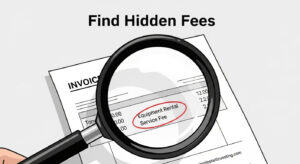
Imagine opening your mailbox and finding a thick envelope from a hospital. Your heart sinks as you see a total balance of 5,000 dollars for a single afternoon visit. Most people feel a sense of panic and immediately start thinking about which credit card to use or how to dip into their savings. But here is the secret that hospitals rarely mention: that first bill is often just a starting point, not a final verdict. You have the power to negotiate medical bills just like you might negotiate the price of a used car or a service contract.

In the United States, medical billing is notoriously complex and prone to human error. Research suggests that a staggering number of hospital bills—some estimates say as many as 80 percent—contain at least one mistake. These aren’t just small typos; they are often “upcoded” procedures or duplicate charges that can add hundreds or thousands of dollars to your total. If you simply pay the amount on the statement without questioning it, you might be throwing away hard-earned money.
This guide is designed for the absolute beginner. We will walk through the exact steps you need to take to protect your wallet. We will look at how to spot errors, how to find the “real” price of a procedure, and how to speak with billing departments to secure a discount. By the end of this article, you will feel confident enough to pick up the phone and say, “I am not ready to pay this yet.”
The Myth of the “Fixed Price” in Healthcare
One of the biggest hurdles for beginners is the belief that medical prices are set in stone. In almost every other part of American life, the price you see is the price you pay. When you buy a gallon of milk at Walmart or a new iPhone at an Apple store, there is no room for negotiation. However, healthcare operates on a completely different system called a “Chargemaster.”
A Chargemaster is essentially a massive list of every single item and service a hospital provides, from a single aspirin tablet to a complex brain surgery. The prices on this list are often highly inflated—sometimes five or ten times higher than what it actually costs the hospital to provide the service. These “sticker prices” are designed as a starting point for negotiations with giant insurance companies, not as a fair price for an individual person.
Why Beginners Get This Wrong
Most newcomers assume that the bill they receive is a legal mandate. They think that because a reputable hospital sent the bill, the math must be correct and the prices must be fair. This leads to a “compliance mindset” where the patient feels guilty or stressed about “owing” the money, rather than looking at the bill as a business invoice that needs to be verified.
Adjusting Your Mindset
Think of your medical bill like a quote from a home contractor. If a plumber told you it would cost 500 dollars to change a lightbulb, you would immediately question it. You need to apply that same healthy skepticism to your healthcare costs. When you learn how to negotiate medical bills, you are simply asking the hospital to charge you a fair, market-based rate instead of an inflated “fantasy” price.
Step 1: The Magic Key—The Itemized Bill
The bill you receive in the mail is usually a “summary statement.” It might have a broad category like “Laboratory Services” followed by a large number like 1,200 dollars. This tells you absolutely nothing about what you are actually paying for. To start your negotiation, you must demand an itemized bill.
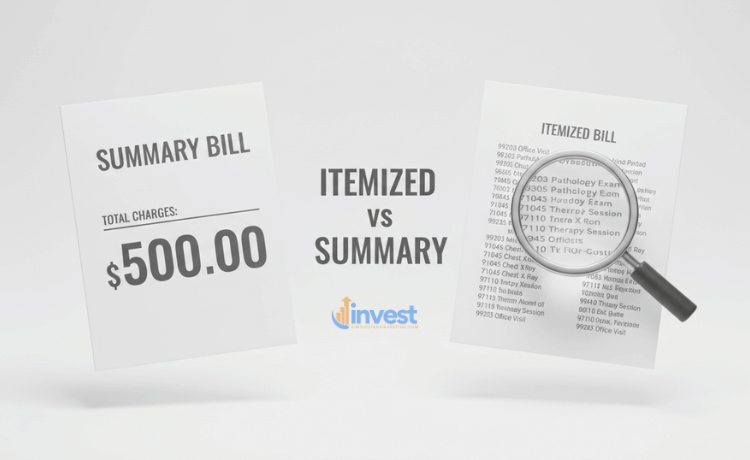
An itemized bill breaks down every single charge into a line item. It will include specific “CPT codes,” which are five-digit numbers used by the medical industry to identify specific tests and procedures. Having these codes is essential because it allows you to look up exactly what was done and what it should cost.
Real-World Example: The 30-Dollar Tylenol
Consider a patient named Sarah who went to a hospital in Texas for a minor injury. Her summary bill showed “Pharmacy Charges” of 150 dollars. When she requested an itemized bill, she saw a line item for one tablet of extra-strength Tylenol priced at 30 dollars. In the real world, you can buy a bottle of 100 tablets at Costco for about 10 dollars. By seeing this specific line item, Sarah was able to point out the absurdity of the charge and negotiate the pharmacy portion of her bill down significantly.
Common Mistake: Accepting the Summary
A common mistake for beginners is trying to negotiate using only the summary statement. If you call a billing agent and say, “My 5,000 dollar bill is too high,” they will likely just offer you a payment plan to pay the full 5,000 dollars over three years. They won’t lower the price because you haven’t given them a specific reason to do so.
The Logic for Success
Always remember: You cannot argue with a total, but you can argue with a line item. Once you have the itemized list, you are no longer complaining about a big number; you are auditing a professional document. This shifts the power balance in your favor.
Step 2: Spotting Common Billing Errors
Once you have your itemized bill in hand, it is time to play detective. You don’t need a medical degree to do this; you just need a keen eye and a bit of patience. There are three major types of errors that happen every day in US hospitals.
1. Duplicate Billing
This happens more often than you would think. Perhaps a nurse ordered a blood test at 8:00 AM, and then a different doctor ordered the same test at 10:00 AM because they didn’t see the first result yet. The hospital system might accidentally charge you for both, even if only one test was actually performed. Check your bill for any identical CPT codes listed twice on the same day.
2. “Upcoding”
Upcoding is when a hospital bills for a more complex (and expensive) version of a service than what you actually received. For example, if you spent ten minutes talking to a doctor about a cold, but the hospital billed you for a “Level 5 Complex Consultation” (which is usually reserved for life-threatening emergencies), that is upcoding.
3. “Unbundling”
Some medical procedures are “bundled,” meaning one price covers everything involved. If you have a surgery, the price should typically include the surgical drapes, the anesthesia prep, and the recovery room time. “Unbundling” occurs when the hospital charges you for the surgery and then adds separate individual charges for the drapes and the towels. It is like a restaurant charging you for a burger and then adding a separate line item for the bun and another for the lettuce.
Adjusting Your Understanding
Beginners often think these errors are intentional “scams.” While some cases are predatory, most are simply the result of messy paperwork and overworked staff. Instead of getting angry, approach the billing department with a “helpful auditor” persona. Say, “I noticed a duplicate charge here for the X-ray; could you please verify the medical records and correct that?” This approach is much more effective than accusations.
Step 3: Understanding the “No Surprises Act”
In recent years, the US government passed a very important law called the No Surprises Act. This is a massive win for patients, especially those who are new to navigating the system.
Before this law, you could go to a hospital that was “in-network” for your insurance, but the specific doctor who treated you (like an anesthesiologist) might have been “out-of-network.” A few weeks later, you would get a “balance bill” for thousands of dollars because your insurance wouldn’t cover the full out-of-network rate.
How the Law Protects You
Under the No Surprises Act, this practice is largely illegal for emergency services and for certain services at in-network facilities. If you receive a bill that seems to be an out-of-network “surprise,” you should immediately mention the No Surprises Act to the billing department.
Real-World Example: The Out-of-Network Specialist
Imagine you go to a major hospital in New York for emergency surgery. The hospital is in your insurance network, but the doctor who performs the surgery is a specialist from another state who doesn’t take your insurance. Before 2022, you might have been stuck with a 10,000 dollar bill. Today, the law requires the hospital and the insurance company to settle that cost between themselves, leaving you with only your standard in-network co-pay.
Common Mistake: Paying the “Balance Bill”
Many beginners receive these surprise bills and think, “Well, my insurance didn’t pay it, so I guess I have to.” This is a costly error. Always check to see if the service should have been protected under federal or state “surprise billing” laws. If the bill came from an emergency room visit, you have very strong legal protections.
Step 4: The Power of “Charity Care” (Financial Assistance)
Did you know that most hospitals in the United States are technically non-profit organizations? To keep their tax-exempt status, the IRS requires them to have a “Financial Assistance Policy,” often called Charity Care.

This is perhaps the most underused tool in the beginner’s toolkit. Charity Care is not just for people with zero income. In many cases, families earning up to four times the Federal Poverty Level can qualify for significant discounts or even have their entire bill erased. For a family of four, that could mean an annual income of over 120,000 dollars might still qualify for some level of assistance at certain hospitals.
How to Apply
You won’t find a “Charity Care” button on your bill. You have to look for it. Go to the hospital’s website and search for “Financial Assistance” or “Plain Language Summary.” You will usually need to fill out an application and provide proof of income, such as pay stubs or tax returns.
Example: The Middle-Class Discount
Consider a teacher named Mark who makes 60,000 dollars a year. He had a 15,000 dollar bill for an appendectomy. Mark assumed he “made too much money” for help. However, after researching his hospital’s policy, he discovered they offer a 50 percent discount for anyone making less than 300 percent of the poverty line. By filling out a two-page form, Mark’s bill was instantly cut from 15,000 dollars down to 7,500 dollars.
Adjusting Your Logic
Beginners often feel a sense of “shame” about asking for financial assistance. They think it is like asking for a handout. In reality, Charity Care is a legal requirement that hospitals must fulfill to maintain their business status. It is a part of the American healthcare financial structure. You are not “taking” from the system; you are using the system exactly as it was designed.
Step 5: Successful Negotiation Scripts
When you are ready to call the billing department to negotiate medical bills, you need a plan. The person on the other end of the phone is often a low-level clerk with limited power, but they do have “buttons” they can press if you say the right things.

The “Prompt Pay” Discount
If you have some money saved up, one of the easiest ways to get a discount is to offer a lump sum. You can say: “I cannot afford this 2,000 dollar bill. However, I have 1,200 dollars available right now. If I pay the full 1,200 dollars today, can we consider the account settled in full?” Hospitals love this because they would rather have 1,200 dollars today than chase you for 2,000 dollars for the next five years.
The “Medicare Rate” Argument
If the hospital insists their prices are fair, you can bring up the Medicare rate. Medicare is the government insurance for seniors, and it pays the lowest rates in the country. You can say: “I see you are charging 500 dollars for this lab test. I have researched and found that Medicare only pays 80 dollars for this same test. I am willing to pay 120 dollars, which is 150 percent of the Medicare rate.” This shows you have done your homework and are offering a reasonable market price.
Logic Over Emotion
Newcomers often call and get emotional—they cry or get angry about the cost. While your feelings are valid, they rarely result in a lower bill. The billing agent hears sad stories all day. They are much more likely to help you if you provide data, mention specific laws, or offer a “settlement” amount that helps them close the file.
Step 6: Payment Plans and Interest
If you cannot negotiate the bill down to a price you can pay today, your next step is a payment plan. Almost every hospital will allow you to pay your bill over 12, 24, or even 36 months.
The 0 Percent Rule
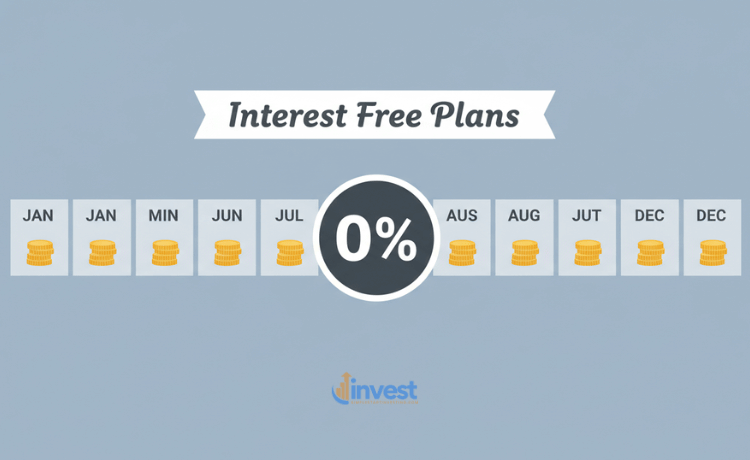
The most important rule for beginners is: Never pay interest on a medical bill. Most hospitals offer interest-free payment plans if you ask for them. If they try to sign you up for a medical credit card (like CareCredit), be very careful. Those cards often have extremely high interest rates if you miss a single payment. Stick to an internal payment plan directly with the hospital’s billing office.
Protecting Your Credit Score
A common fear is that medical debt will ruin your credit score immediately. The good news is that the major credit bureaus in the US (Equifax, Experian, and TransUnion) have changed their rules. Most medical debt under 500 dollars is no longer reported on credit reports. For larger debts, there is usually a one-year “waiting period” before a medical bill can appear on your credit report, giving you time to negotiate or set up a plan.
Summary Checklist for Beginners
If you are staring at a medical bill right now, follow this simple logic:
- Do not pay yet. Your credit is safe for a few months while you investigate.
- Get the itemized bill. Look for CPT codes and line-by-line descriptions.
- Check for errors. Look for duplicates, upcoding, or charges for things you didn’t receive (like a meal you skipped).
- Look for Charity Care. Even if you have a job, you might qualify for a discount based on your income and household size.
- Research the “Fair Price.” Use websites like Healthcare Bluebook to see what the procedure actually costs in your zip code.
- Negotiate the balance. Offer a lump sum for a discount or ask for an interest-free payment plan.
Negotiating your medical costs might feel intimidating at first, but it is one of the most valuable financial skills you can learn in the United States. You are your own best advocate. By taking these steps, you are moving from a passive victim of a confusing system to an active, informed consumer. Remember, the hospital wants to get paid, and you want to pay a fair price. Negotiation is simply the process of finding that middle ground.
Important Disclaimer
Regulations regarding medical billing, the No Surprises Act, and hospital financial assistance policies can change based on new federal laws or state-specific rules. Always check current guidelines on official government websites like CMS.gov or consult with a professional patient advocate if you have a complex situation.