Buying a home is one of the most exciting milestones in your life, but the final stretch can feel like a marathon of paperwork. Just when you think you are ready to get your keys, a five-page document arrives in your inbox: the Closing Disclosure. If you are feeling overwhelmed, you are not alone. This Closing Disclosure guide is designed to help you navigate this vital document with confidence.
The Closing Disclosure, often referred to as the CD, is the final “receipt” for your home loan. It outlines exactly what you are paying, the interest rate you are locked into, and how much money you need to bring to the closing table. Because this document is legally required to be in your hands three business days before you sign the final papers, you have a golden window of time to spot errors that could cost you thousands of dollars.
In this guide, we will break down every section of the Closing Disclosure in plain English. We will look at why beginners often miss red flags and how you can protect your bank account by being a diligent reviewer. Let’s dive into the details so you can walk into your closing meeting with total peace of mind.
What Exactly Is a Closing Disclosure?
At its core, a Closing Disclosure is a formal legal document provided by your lender. It summarizes the final terms of your mortgage loan. It includes your monthly payment, the costs to get the loan, and the fees for third-party services like title insurance or government recording fees.
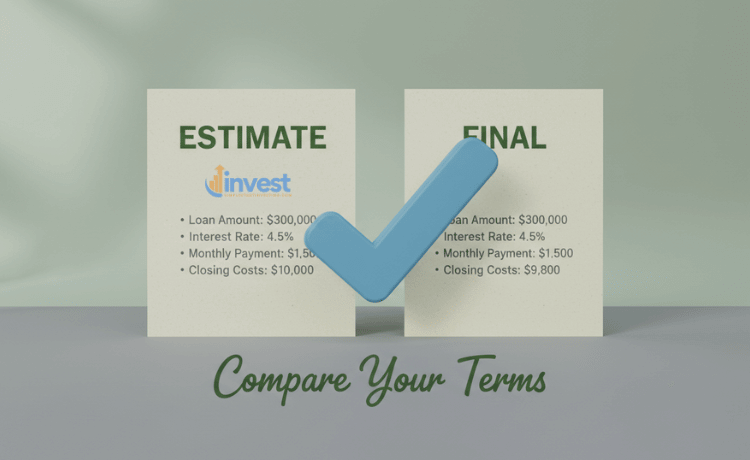
Think of it as the finalized version of the Loan Estimate you received when you first applied for the mortgage. While the Loan Estimate was an educated guess, the Closing Disclosure is the “no-surprises” reality. It tells you exactly where every penny is going.
Why Beginners Often Get Confused
Many first-time buyers mistake the Closing Disclosure for just another piece of “fine print” that needs a quick signature. They assume the lender and the title company have done all the math correctly.
However, humans handle these documents, and humans make mistakes. A misspelled name or a misplaced decimal point can cause major delays or financial discrepancies. It is your right—and your responsibility—to verify every line item.
The Correct Mindset
Instead of seeing the CD as a hurdle, view it as your final protection. You are the only person in the transaction whose sole interest is protecting your own money. By following a Closing Disclosure guide, you are acting as your own financial advocate.
The Power of the Three-Day Rule
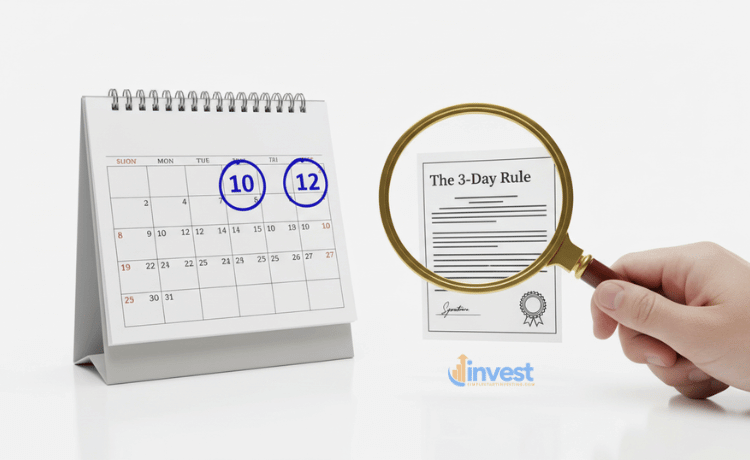
One of the most important consumer protections in the US housing market is the “Three-Day Rule.” By law, your lender must provide the Closing Disclosure at least three business days before you close on the loan.
This rule exists specifically to prevent “bait and switch” tactics where fees suddenly skyrocket at the last minute. It gives you time to compare the CD with your original Loan Estimate. If you see a major change that wasn’t explained, you have the right to ask questions before the clock runs out.
A Real-World Example of the Three-Day Rule
Imagine you are buying a home near a major tech hub, perhaps moving to a suburb outside of Seattle. You receive your CD on a Tuesday. This means you have Wednesday, Thursday, and Friday to review it. You cannot be forced to sign the final papers until Saturday (or more likely Monday, depending on business hours).
If you notice that your “Origination Fee” jumped from 1,000 dollars on your estimate to 3,000 dollars on the CD, you now have 72 hours to call your loan officer and demand an explanation. Without this rule, you might not have noticed the extra 2,000 dollars until you were sitting at the closing table with a pen in your hand and moving trucks already packed.
Common Misconception
A common mistake is thinking that “three days” includes Sundays or federal holidays. It does not. The rule refers to business days. If you receive your CD on a Thursday before a holiday weekend, your “three-day” clock might not finish until the following Tuesday. Always clarify the exact “signing date” with your lender to ensure they are following the law.
Page 1: The “Big Picture” Numbers
The first page of your Closing Disclosure is the most critical. It contains the “Loan Terms,” “Projected Payments,” and “Costs at Closing.” This is where you verify the “bones” of your deal.
Loan Amount and Interest Rate
Check the loan amount first. If you agreed to borrow 250,000 dollars but the document says 255,000 dollars, stop immediately. Next, check the interest rate. If you “locked in” your rate at 6.5 percent, but the CD shows 6.8 percent, you need to find out why. Even a small increase in your interest rate can result in tens of thousands of dollars in extra interest over the life of a 30-year loan.
Prepayment Penalties and Balloon Payments
In the modern US mortgage market, most standard loans do not have prepayment penalties. A prepayment penalty is a fee charged if you pay off your loan early (for example, by selling the house or refinancing). A balloon payment is a large lump sum due at the end of the loan term.
Common Error: Beginners often ignore the “Yes/No” boxes next to these terms. If you see a “Yes” next to “Prepayment Penalty,” you are essentially being punished for being financially responsible in the future. Ensure these are marked “No” unless you specifically agreed to a specialized loan product.
Projected Monthly Payment
This section tells you what you will actually pay every month. It’s not just the principal and interest. It usually includes “Escrow,” which is money the lender collects to pay your property taxes and home insurance for you.
Example Case: Let’s say your principal and interest are 1,800 dollars. Your lender also estimates that your taxes and insurance will be 400 dollars a month. Your “Projected Total Monthly Payment” will show as 2,200 dollars. If you were only expecting to pay 1,800 dollars, this is the moment you realize your budget needs to accommodate an extra 400 dollars every month.
Page 2: Diving into the Closing Cost Details
Page two is where things get granular. It is divided into two main sections: Loan Costs and Other Costs.
Section A: Origination Charges
These are the fees the lender charges to give you the loan. Look for items like “Application Fee” or “Underwriting Fee.”
Mindset Shift: Many beginners think these fees are set in stone. While you can’t usually negotiate them at the closing table, you should check if they match what was on your Loan Estimate. If your lender promised a “No-Fee” loan but you see a 1,200 dollar processing fee, you have a valid reason to complain.
Section B, C, and D: Services You Did or Did Not Shop For
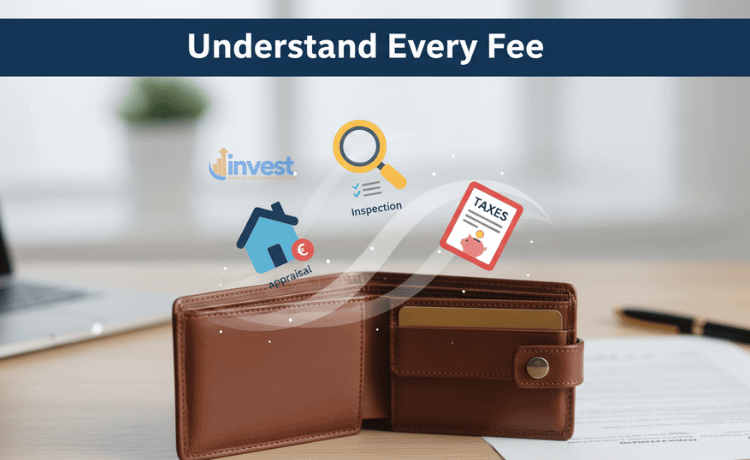
This includes things like the appraisal (checking the home’s value) and the credit report fee. It also includes title insurance. In many parts of the US, you have the right to shop for your own title company. If you chose a company that quoted you 800 dollars, but the CD shows a different company charging 1,500 dollars, an error has occurred.
Section E through J: Other Costs
This includes government taxes, recording fees, and “Prepaids.” Prepaids are items you pay in advance, like the first full year of homeowners insurance or several months of property taxes.
Common Mistake: Beginners often overlook the “Initial Escrow Payment at Closing.” This is a “cushion” of money the lender keeps to ensure your taxes are always paid on time. It can be a large amount, sometimes several thousand dollars. If you didn’t account for this, your “Cash to Close” might be higher than you expected.
Page 3: The “Calculating Cash to Close” Section
This is the most important part of the Closing Disclosure guide for your wallet. This section shows exactly how much money you need to bring to the closing appointment, usually in the form of a wire transfer or a certified check.

How the Math Works (In Plain English)
To find your “Cash to Close,” the lender starts with the total closing costs. Then, they subtract any “Earnest Money” you already paid when you made the offer. They also subtract any “Seller Credits” (money the seller agreed to pay toward your costs) and any “Lender Credits.”
Simple Math Example: If your total closing costs are 10,000 dollars, and you already paid a 3,000 dollar deposit when your offer was accepted, you might think you owe 7,000 dollars. However, if the seller agreed to pay 2,000 dollars toward your costs, your final “Cash to Close” would be 5,000 dollars.
The Comparison Column
Page 3 has a very helpful feature: a column that compares the final CD numbers to the original Loan Estimate. If a number changed significantly, there should be a “Yes” in the “Did this change?” column. If the answer is “Yes,” look for the explanation. Legally, certain fees cannot increase by more than 10 percent, and some cannot increase at all.
Common Red Flags to Watch For
When you are reviewing your document, keep an eye out for these frequent errors:
- Misspelled Names: It sounds minor, but if your name is “Jonathon” and the document says “Jonathan,” the county recorder might reject the deed. This can cause a massive headache when you try to sell the home later.
- Incorrect Interest Rate: As mentioned, even a 0.125 percent difference can cost you thousands over time.
- Duplicate Fees: Sometimes a fee for a “Credit Report” might appear twice under different names. Ensure you aren’t paying for the same service twice.
- Missing Seller Credits: If the seller agreed to pay for a 500 dollar home warranty or 2,000 dollars in closing costs after an inspection, make sure those credits are listed. If they aren’t there, you are paying for things the seller promised to cover.
Adjusting Your Perspective
Many people feel “rude” for questioning the lender or the title agent. They feel like they are being difficult. In reality, being a “difficult” reviewer is a sign of financial maturity. Real estate professionals handle hundreds of these documents a month; you only handle one every few years. It is okay to be the person who asks, “Why is this 200 dollars higher than I expected?”
What to Do if You Find a Mistake
If you find an error, do not panic. Most mistakes are clerical and can be fixed quickly.
- Call your Loan Officer immediately: Explain exactly which line item looks wrong.
- Contact your Real Estate Agent: Your agent can talk to the seller’s side if the error involves seller credits or sales price.
- Do not sign until it is fixed: Once you sign the Closing Disclosure, you are agreeing to those terms. If the error is significant (like the wrong interest rate), the lender might have to issue a new CD, which could restart the three-day waiting period. While this might delay your move-in by a few days, it is better than living with a 30-year mistake.

A Note on Legal Changes
Real estate laws and tax regulations can change. For example, the IRS may update rules regarding the deductibility of mortgage interest or points paid at closing. While this guide provides a solid foundation, always check for the most current guidelines or consult with a tax professional regarding your specific situation.
Summary of Your Closing Checklist
To wrap up this Closing Disclosure guide, here is a simple mental checklist for your three-day review period:
- Check the Spelling: Are all names and addresses 100% correct?
- Verify the Loan Type: Is it a Fixed Rate or an Adjustable Rate (ARM)? Did you get what you asked for?
- Confirm the Rate: Does the interest rate match your lock-in agreement?
- Look at the Cash to Close: Is this a number you can actually afford to pay today?
- Compare to the Estimate: Did any fees jump up unexpectedly?
By taking these steps, you transform from a passive observer into an empowered homeowner. The Closing Disclosure isn’t just a pile of paper; it’s your final chance to ensure your home-buying journey ends on a high note.
Disclaimer: This content is for educational purposes only and does not constitute financial, legal, or tax advice. Please consult with a qualified professional before making any major financial decisions.