Finding the right house in the current market can feel like trying to find a needle in a haystack—while the haystack is on fire. With inventory shifting and mortgage rates being a frequent topic of conversation, having a solid home search checklist is no longer just a “good idea.” It is your survival guide.
A home search checklist is a personalized document that separates the things you absolutely need from the things that would simply be “cool” to have. Without one, it is incredibly easy to walk into a house with a beautiful kitchen and forget that the roof is twenty years old or that the commute to your job will take two hours every day.
This guide will help you build a professional-grade home search checklist so you can shop with confidence, save time, and avoid the “buyer’s remorse” that haunts so many first-time homeowners.
What Exactly Is a Home Search Checklist?
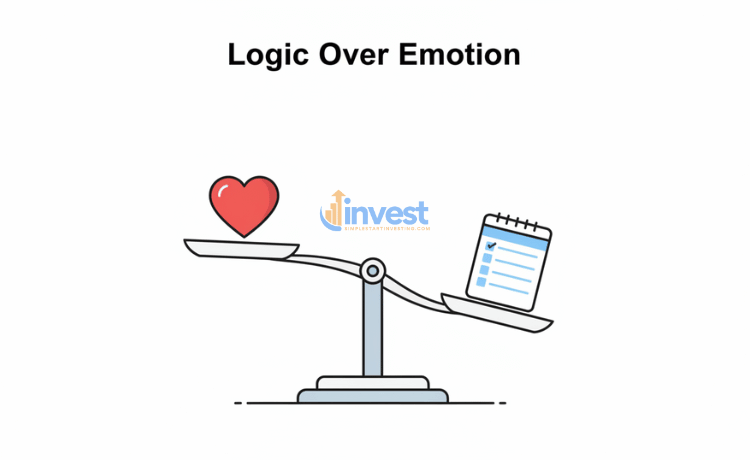
At its simplest, a home search checklist is a tool used to keep your emotions in check. Buying a home is one of the most emotional financial decisions you will ever make. You aren’t just buying four walls; you are buying the place where you’ll sleep, eat, and perhaps raise a family.

Think of it like a grocery list. If you go to the store hungry without a list, you’ll probably come home with three bags of chips and no actual dinner. In real estate, the “chips” are things like trendy light fixtures or a fancy mailbox. The “dinner” is a solid foundation, a safe neighborhood, and a price you can actually afford.
Why Beginners Often Get It Wrong
Most beginners start their search by looking at photos on websites like Zillow or Realtor.com. They see a home with “great bones” or a “modern farmhouse” vibe and fall in love with the aesthetic.
The Common Mistake: Beginners often confuse cosmetic features with structural or lifestyle features. They might see a house with ugly purple carpet and cross it off their list immediately, even if the house is in the perfect neighborhood and has a brand-new HVAC system.
The Mindset Shift: You can change the carpet. You cannot change the location. You can paint a wall. You cannot easily add an extra thousand square feet of living space without spending a fortune. Your checklist should prioritize “permanent” features over “fixable” ones.
Defining Your “Must-Haves” (The Non-Negotiables)
Your “must-haves” are the deal-breakers. These are the features that, if missing, mean the house simply will not work for your life. If you need three bedrooms because you have two children, a two-bedroom house—no matter how beautiful—is a “no.”
1. The Power of Location
In real estate, “location, location, location” is a cliché for a reason. You can remodel every inch of a house, but you cannot move it three miles closer to your office.
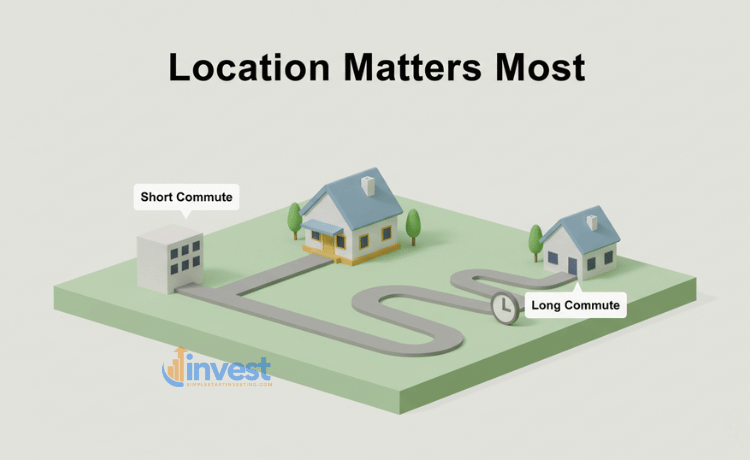
Example: Imagine you find a stunning home in a quiet rural area for 400,000 dollars. It has everything you want. However, your job is in the city. That “dream home” now requires a 90-minute commute each way. Over a year, you are spending roughly 750 hours in your car. Is the extra bedroom worth 30 days of your life spent in traffic?
The Common Mistake: Buyers often think they can “handle” a long commute if the house is nice enough.
The Mindset Shift: Your neighborhood determines your quality of life more than your kitchen cabinets do. Check the commute at 8:00 AM on a Tuesday using a map app before you even visit the property.
2. Space and Layout
You need to know how many bedrooms and bathrooms you require to live comfortably. This isn’t just about today; it is about the next five to ten years.
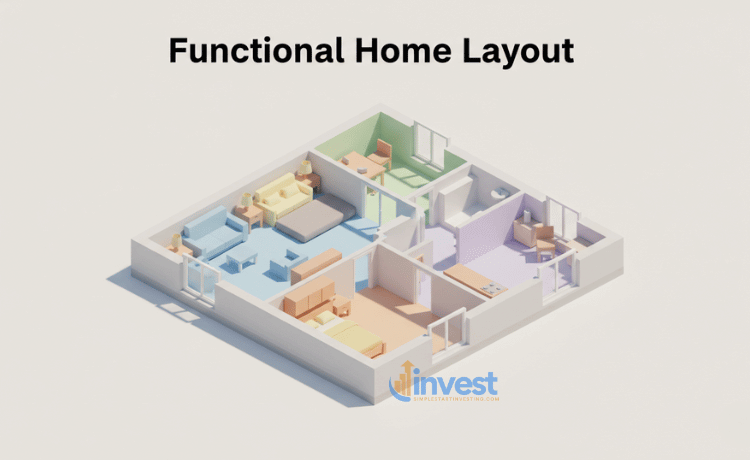
Example: If you are a couple planning to have children in the next few years, a one-bedroom condo might be “enough” today, but it will feel very small very quickly.
The Common Mistake: Buying for your current life instead of your “near-future” life. Moving is expensive. Closing costs alone can take a huge bite out of your savings. You don’t want to have to sell and move again in twenty-four months because you outgrew the space.
The Mindset Shift: Look for a layout that is functional. An “open floor plan” is trendy, but if you work from home, you might actually need a house with walls and doors to provide a quiet office space.
The “Nice-to-Haves” (The Bonus Round)
These are the features that make a house “better” but aren’t essential for your survival or happiness. These are the things you are willing to compromise on if the price and location are right.
1. Cosmetic Finishes
This includes things like stainless steel appliances, granite countertops, hardwood floors, and specific paint colors.

Example: House A has a dated kitchen from the 1990s but is priced at 350,000 dollars in your favorite school district. House B has a “chef’s kitchen” with marble counters but costs 425,000 dollars and is 10 miles further away.
The Common Mistake: Paying a premium for “move-in ready” finishes. Often, builders or “flippers” put in the cheapest possible trendy materials to make a house look expensive in photos.
The Mindset Shift: Learn to see past the decor. If you buy House A for 350,000 dollars, you might have the budget to spend 20,000 dollars over the next two years to make the kitchen exactly how you want it, and you’ll still be “all-in” for less than House B.
2. Luxury Amenities
Swimming pools, hot tubs, and smart home systems fall into this category.
Example: A pool is great in the summer, but it also comes with increased insurance costs and weekly maintenance fees. If you start with a 2,500 dollar monthly mortgage and add 300 dollars for pool chemicals and professional cleaning, your “fun” feature just increased your living costs significantly.
The Common Mistake: Buyers forget that “nice-to-haves” often come with “must-pay” maintenance bills.
The Mindset Shift: Treat these as a “tie-breaker.” If two houses are equal in location and price, pick the one with the pool. But never choose a worse location just to get a hot tub.
The Financial Checklist: More Than Just the Price
Your home search checklist must include a section for the “Total Monthly Cost.” This is where many beginners get into trouble because they only look at the listing price.
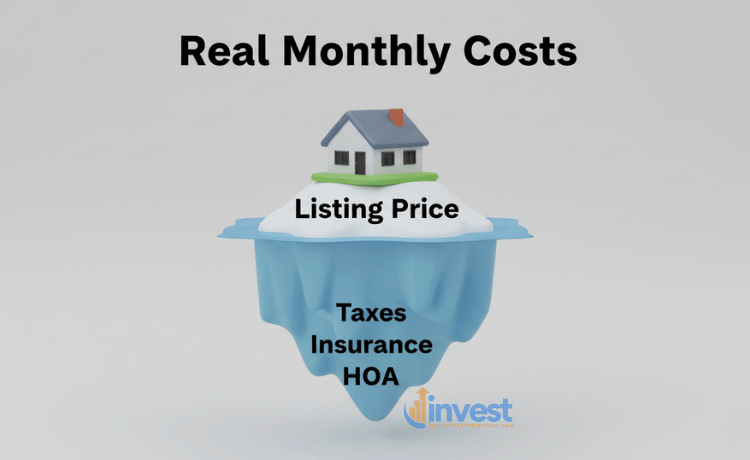
Understanding the “Real” Cost
The listing price on a site like Walmart’s website is what you pay at the register. In real estate, the listing price is just the beginning.
Example: If you buy a home for 300,000 dollars, your “mortgage” is only one part of the bill. You also have to pay:
- Property Taxes (which vary by county).
- Homeowners Insurance (which is currently rising in many states).
- HOA Fees (Homeowners Association fees).
If your principal and interest (the loan part) is 1,800 dollars, but the taxes are 400 dollars and the insurance is 200 dollars, your real monthly payment is 2,400 dollars.
The Common Mistake: Getting a “pre-approval” for a 400,000 dollar loan and assuming you should spend all 400,000 dollars. Just because a bank says they will let you borrow that much doesn’t mean you should.
The Mindset Shift: Focus on the “Monthly Out-the-Door Cost.” A house that is cheaper to buy but has 500 dollars a month in HOA fees might be more expensive than a pricier house with no HOA.
Red Flags to Watch For (The “Run Away” List)
While your checklist tells you what to look for, it should also tell you what to avoid. These are structural issues that often look small but cost a fortune to fix.
1. Foundation and Water Damage
Look for cracks in the basement walls or a “musty” smell. Water is the enemy of a house.
Example: A small “trickle” of water in the basement during a heavy rain might seem like a minor annoyance. However, fixing a foundation or a major drainage issue can easily cost 10,000 to 30,000 dollars.
The Common Mistake: Assuming the “Home Inspection” will catch everything and make the seller fix it. In a competitive market, sellers might refuse to fix these issues or offer a small credit that doesn’t cover the full cost.
The Mindset Shift: If you see evidence of major structural issues, be prepared to walk away. No amount of “nice-to-have” features can make up for a house that is literally shifting into the ground.
2. The Roof and Systems
Check the age of the roof, the HVAC (Heating, Ventilation, and Air Conditioning) system, and the water heater.
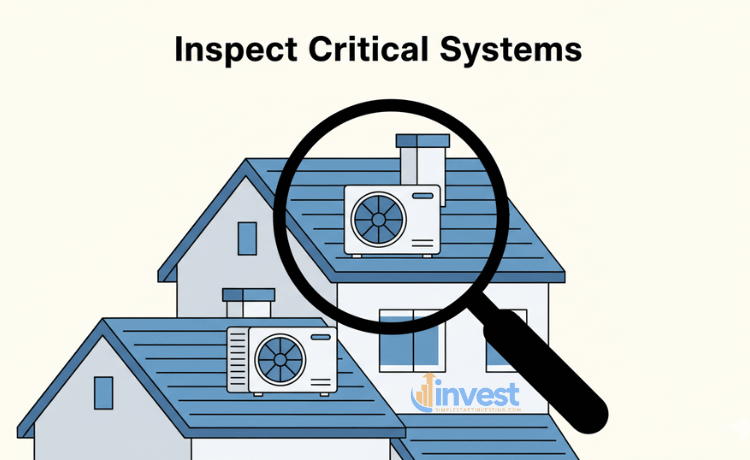
Example: A standard roof in the US lasts about twenty to twenty-five years. If the house you are looking at has a roof that is eighteen years old, you need to realize that you will likely be spending 12,000 to 20,000 dollars for a new roof very soon after moving in.
How to Use Your Checklist During a Tour
When you walk into a house, your brain will try to “sell” it to you. You’ll imagine where your couch will go or how you’ll host Thanksgiving. This is why you need to physically carry your home search checklist.
- Print it out: Use a physical piece of paper for each house.
- Score the house: Give the location a score of 1 to 10. Give the layout a score of 1 to 10.
- The “No-Go” Test: If the house fails even one of your “must-haves,” cross it off. Do not try to convince yourself that “it’s not that bad.”
- Take photos of the “Boring” stuff: Don’t just take pictures of the pretty living room. Take pictures of the electrical panel, the furnace, and the attic.

Final Thoughts for the First-Time Buyer
Building a home search checklist is about empowering yourself. It turns you from a “shopper” into an “investor.” By knowing exactly what you need, you can move faster than other buyers. When a house hits the market that ticks all your “must-have” boxes and fits your budget, you don’t have to wonder if it’s the right choice. You’ll already know.
Remember, the goal isn’t to find a “perfect” house. The goal is to find a house that is perfect for your budget and lifestyle. Be strict with your needs, be flexible with your wants, and always keep your eyes on the long-term financial health of your household.
Disclaimer: This content is for educational purposes only and does not constitute financial or real estate advice. Real estate laws and tax regulations (such as those from the IRS) can change; please consult with a licensed professional before making any major purchase.