Buying a home is often the most significant financial decision you will ever make. While a general home inspection is a standard part of the process, it often doesn’t cover everything. Many buyers realize too late that a standard check-up only scratches the surface. To truly protect your investment, you need to understand when to go further and invest in specialized home inspections.
A general inspector acts like a primary care doctor; they look at the overall health of the house. However, they aren’t always equipped to find invisible threats like odorless gases or microscopic spores. Choosing specialized home inspections for specific environmental or structural issues can save you thousands of dollars in the long run.
In this guide, we will dive deep into the three most common specialized tests: radon, mold, and termites. We will also look at when these extra costs are worth the peace of mind. By the end, you’ll know exactly which boxes to check before you sign on the dotted line.
What are Specialized Home Inspections?
When you hire a general home inspector, they focus on visible and accessible areas. They check the roof, the HVAC system, the electrical panel, and the plumbing. They are looking for “big ticket” items that are currently broken or nearing the end of their life.
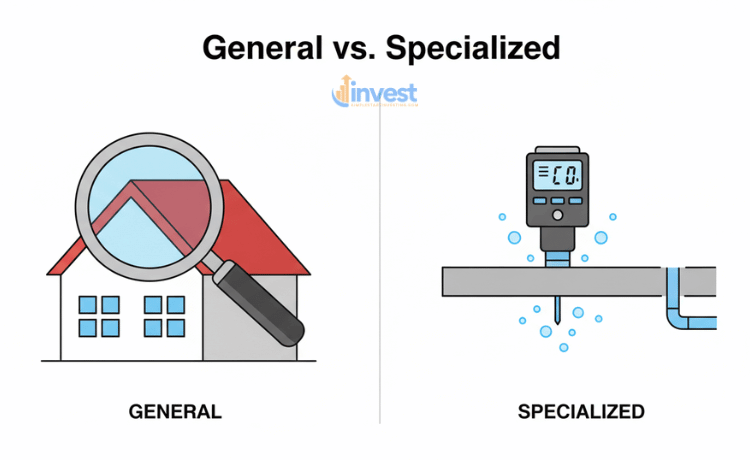
However, specialized home inspections go into the “invisible” or “hidden” categories. These are conducted by professionals who have specific training and equipment. For example, a mold specialist uses air pumps and moisture meters that a general inspector might not carry.
Think of it this way: a general inspector tells you the windows work. A specialized inspector tells you if the air you are breathing inside those windows is safe. In the competitive U.S. real estate market, knowing the difference can be your greatest advantage.
Radon Testing: The Silent Threat
Radon is a radioactive gas that comes from the natural decay of uranium in the soil. It enters homes through cracks in the foundation, gaps in pipes, or sump pumps. You cannot see it, smell it, or taste it. According to the EPA, it is the second leading cause of lung cancer in the United States.
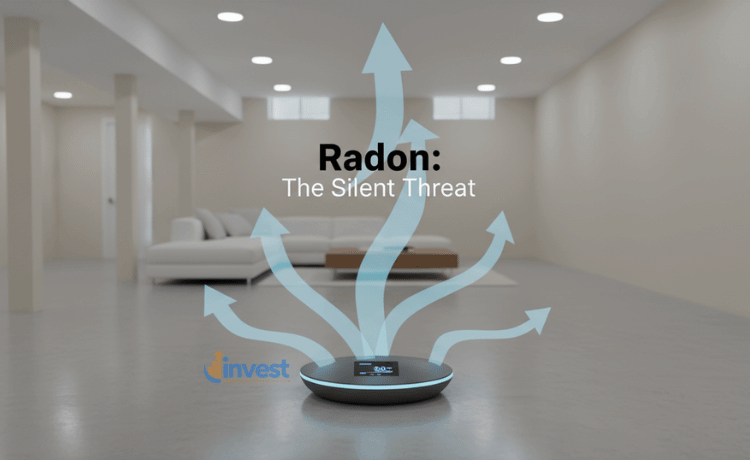
Many beginners assume that if a house is brand new, it won’t have radon. This is a common misconception. Radon doesn’t care about the age of the home; it only cares about the geology beneath it. In fact, many new, air-tight homes can actually trap radon more effectively than older, “drafty” houses.
The Deep Dive: Radon
Simple English Explanation Radon is like a “ghost” in the basement. It’s a gas that seeps up from the ground. Because it’s heavy, it tends to settle in the lowest parts of the house. The only way to find it is to leave a special device in the home for two to three days to measure the air.
U.S. Real Estate Example Imagine you are buying a beautiful townhome in Denver, Colorado, or a suburban house in Pennsylvania. Both areas are known for high radon levels. A specialized radon test might cost you 150 dollars to 250 dollars. If the test comes back with a level of four point zero picocuries per liter or higher, the EPA recommends fixing it.
The Common Mistake A common mistake beginners make is thinking, “My neighbor tested their house and it was fine, so I’m safe.” This is dangerous logic.
The Correct Logic Radon levels can vary significantly from one house to the next, even on the same street. One house might sit on a small crack in the bedrock that the neighbor’s house misses. Always get your own test, regardless of what the neighbor or the seller says.
Mold Inspections: The Hidden Cost
Mold is every homeowner’s nightmare. While some mold is visible (like that black spot in the shower), the most dangerous mold often grows behind drywall, under floorboards, or inside crawl spaces. A general home inspection will note “moisture intrusion,” but they usually won’t tell you if that moisture has turned into a toxic mold colony.
Specialized mold inspections are crucial if you notice a musty smell or if the home has a history of water damage. If you are buying a home in humid climates like Florida or a house that has been sitting vacant for months, this is an essential add-on.
The Deep Dive: Mold
Simple English Explanation A mold inspection involves a specialist taking samples of the air and surfaces. They want to see if the “spore count” inside the house is much higher than the air outside. If it is, you have an active growth problem that needs professional cleaning.
U.S. Real Estate Example Consider a home in Houston, Texas, that was previously affected by a major storm or a simple pipe leak in the attic. A specialized mold inspector might use an infrared camera to find “cold spots” behind the walls that indicate dampness. This inspection could cost 300 dollars to 600 dollars, but it prevents you from buying a “money pit” that requires 10,000 dollars in remediation later.
The Common Mistake Beginners often think, “The walls look freshly painted, so there’s no mold.”
The Correct Logic Fresh paint is a common way sellers hide water stains and mold growth. If you smell something “earthy” or “musty” in a room that looks perfect, your nose is probably more reliable than your eyes. Never trust a fresh coat of paint to solve a moisture problem.
Termite and Pest Inspections: The Silent Saboteurs
Termites are often called “silent destroyers” because they can chew through the wooden structure of a home for years without being noticed. By the time a general inspector sees “soft wood” in the basement, the damage could be extensive.
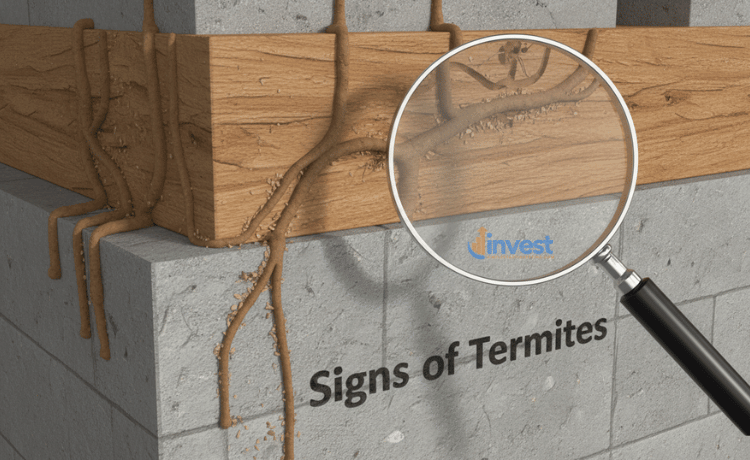
In many parts of the U.S., a Wood-Destroying Insect (WDI) report is actually required by lenders, especially for FHA or VA loans. Even if it’s not required, it is a small price to pay to ensure the “bones” of your house aren’t being eaten from the inside out.
The Deep Dive: Termites
Simple English Explanation A termite inspector looks for very specific signs: mud tubes on the foundation, discarded wings near windows, or “frass” (which is basically termite droppings that look like sawdust). They check the areas where the wood of the house meets the soil.
U.S. Real Estate Example If you are looking at a charming older home in Georgia or South Carolina, termites are a “when,” not an “if.” A termite inspection usually costs between 75 dollars and 150 dollars. If they find an active infestation, you can negotiate with the seller to have the house “tented” or treated before you close the deal.
The Common Mistake Many buyers think that if a home is made of brick or stone, they don’t need a termite inspection.
The Correct Logic Most “brick” homes in the U.S. are actually wood-framed with a brick veneer on the outside. The structural beams, the flooring, and the roof rafters are almost always wood. Termites can easily crawl behind the brick to get to the “tasty” wood inside. Every home needs a pest check.
Other Specialized Inspections to Consider
While radon, mold, and termites are the “Big Three,” there are other specialized home inspections that might be necessary depending on the age and location of the property.
Sewer Scope Inspections
If you are buying a home built before 1980, this is almost mandatory. An inspector drops a camera down the main sewer line to check for cracks, collapses, or tree roots. Replacing a main sewer line can cost 5,000 dollars to 15,000 dollars. A 200 dollar camera check is a very smart hedge.
Lead Paint and Asbestos
For homes built before 1978, lead-based paint is a potential hazard. While most people just paint over it, if you plan on doing a major renovation, you need to know where it is. Asbestos is similar; it was commonly used in insulation and floor tiles in the mid-20th century.
How to Decide Which Inspections You Need
You don’t need every specialized test for every house. That would be a waste of money. Instead, use a logical “Red Flag” system to decide.
1. Check the Age:
- Built before 1978? Consider Lead and Asbestos tests.
- Built before 1980? Definitely get a Sewer Scope.
2. Check the Location:
- High Radon Zone? (Check the EPA radon map). Get a Radon test.
- High Humidity or Flood Zone? Get a Mold inspection.
- Termite-heavy region (The South/West)? Get a WDI report.
3. Use Your Senses:
- Smell something musty? Order a mold test.
- See white powder or mud tubes? Order a termite test.
- See a damp basement wall? Order a moisture and mold check.
Negotiating Based on Specialized Reports
One of the biggest benefits of specialized home inspections is the leverage they give you during negotiations. A general inspection report might say “the roof is old,” but a specialized report says “there is active toxic mold in the attic caused by a roof leak.”

The second statement is much more powerful. You can use these specific findings to:
- Ask the seller to pay for the repairs or mitigation.
- Ask for a “closing credit” so you can hire your own contractor after moving in.
- Walk away from the deal if the problem is too big to fix safely.
Remember, in a real estate contract, you usually have an “inspection contingency” period. This is your window of time to get these tests done. Once that window closes, any problems found are yours to pay for.
The Deep Dive: Negotiation
Simple English Explanation Negotiation isn’t about “winning” a fight; it’s about making sure the price of the house reflects its actual condition. If you find a 2,000 dollar radon problem, the house is worth 2,000 dollars less than you thought it was.
U.S. Real Estate Example You offer 400,000 dollars for a house. The radon test comes back high. A mitigation system costs 1,500 dollars. You can ask the seller to drop the price to 398,500 dollars or have them install the system before you move in. Most sellers will agree because now that they know about the radon, they are legally required to tell any future buyers anyway.
The Common Mistake Beginners often feel bad asking for repairs. They think, “I don’t want to be a burden and lose the house.”
The Correct Logic This is a business transaction. If the seller didn’t know about a safety hazard, they should be glad you found it. Professional sellers and agents expect these requests. It is your responsibility to protect your bank account and your family’s health.
The Cost vs. Value Equation
It can be painful to spend an extra 500 dollars to 1,000 dollars on specialized home inspections when you are already paying for a general inspection, an appraisal, and closing costs. However, looking at it through a lens of risk management changes the perspective.
If you spend 200 dollars on a radon test and it’s negative, you didn’t “waste” 200 dollars. You bought a certificate of safety for your lungs. If the test is positive, that 200 dollars just saved you 1,500 dollars in repair costs or much more in future medical bills.
In the world of investing, we call this a “high-asymmetry” move. The cost is small (hundreds), but the potential benefit or “save” is huge (thousands or tens of thousands).
Summary for the New Homebuyer
Don’t let the excitement of a new home blind you to the hidden risks. A general home inspection is your first line of defense, but specialized home inspections are your elite scouts. They look where others don’t.
- Radon: Test every home, especially those with ground contact.
- Mold: Test if you see moisture, smell mustiness, or live in a humid area.
- Termites: Test if you live in a high-risk state or if the house has a lot of wood-to-soil contact.
- Sewer: Test if the house is older than you are.
By being proactive, you ensure that your “dream home” doesn’t turn into a financial nightmare. Take the time, spend the small amount extra now, and move in with total confidence.
Disclaimer: This content is for educational purposes only and does not constitute financial or professional real estate advice. Always consult with a licensed home inspector and a real estate attorney before making a purchase.