We’ve all been there. You’re scrolling through your phone late at night, and suddenly, an ad pops up for a sleek new kitchen gadget or a pair of sneakers that look perfect. Your heart beats a little faster. You imagine how much better your life will be with this item. Before you even realize what’s happening, your thumb has hit “Buy Now.”
A few days later, the package arrives. The excitement is gone. The item sits on your counter, unused, and you feel that familiar sting of impulse spending regret. If this sounds like your weekly routine, you aren’t alone. Most of us are fighting a losing battle against a retail industry designed to bypass our logic and tap directly into our emotions.
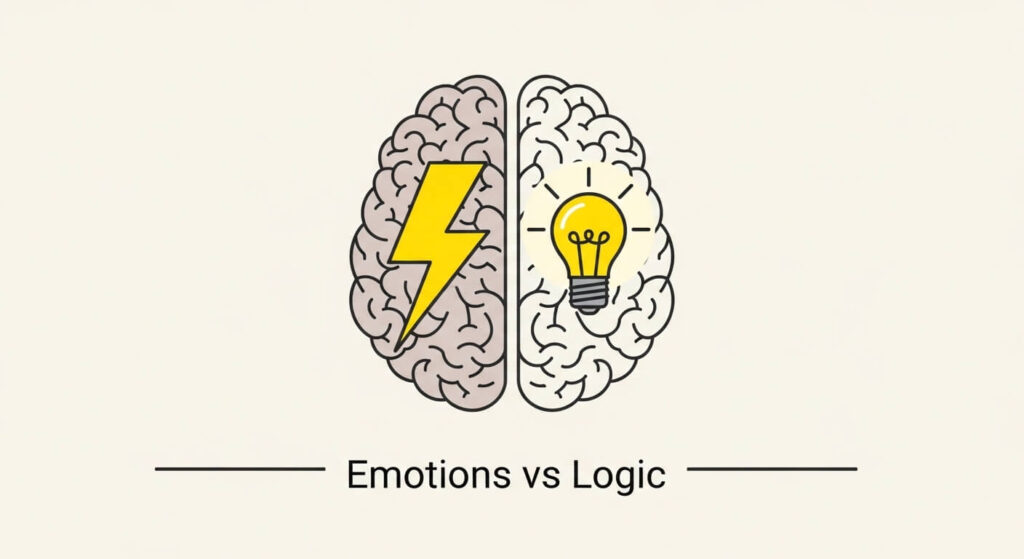
The good news is that you don’t need a degree in psychology to fix this. You just need one simple, effective tool: the 48-hour rule. This rule is a circuit breaker for your brain. It creates the space you need to move from an emotional “want” to a logical “need.” Let’s dive into why we spend this way and how this one habit can save you thousands of dollars over the next year.
What is Impulse Spending, Really?
At its core, impulse spending is any purchase you didn’t plan to make before you saw the item. It’s that chocolate bar at the grocery store checkout, the 50% off steam mop you saw on TikTok, or the extra pair of jeans you grabbed because they were “on sale.”
When you see something you want, your brain releases a chemical called dopamine. This is the “feel-good” hormone. It creates a sense of anticipation and pleasure. Interestingly, your brain actually gets a bigger hit of dopamine from the act of buying than from actually owning the item. Retailers know this. They use bright colors, “limited time” countdown clocks, and one-click ordering to make sure you can get that hit as fast as possible.
The problem is that dopamine is short-lived. Once the transaction is over, the chemical level drops, often leaving you with “buyer’s remorse.” By understanding that your brain is essentially being “hacked” by marketing, you can start to take back control.
The Common Misconception About Self-Control
Many people believe they struggle with impulse spending because they lack willpower. They think they are just “bad with money.” This is a huge misunderstanding that keeps people stuck.
Willpower is like a muscle; it gets tired. If you’ve had a long day at work, made a hundred decisions, and dealt with stress, your “willpower muscle” is exhausted. This is called decision fatigue. When you are tired, your brain looks for the easiest path to a reward. That’s usually when the “Add to Cart” button looks most tempting.
The 48-hour rule isn’t about having more willpower. It’s about building a system that doesn’t require willpower at all. Instead of saying “no” to a purchase, you are simply saying “not right now.” This tiny shift in language takes the pressure off your brain and allows the emotional fog to clear.
How the 48-Hour Rule Works
The rule is incredibly simple to understand but requires discipline to start. Whenever you feel the urge to buy something that isn’t on your pre-planned shopping list, you must wait exactly 48 hours before finishing the purchase.
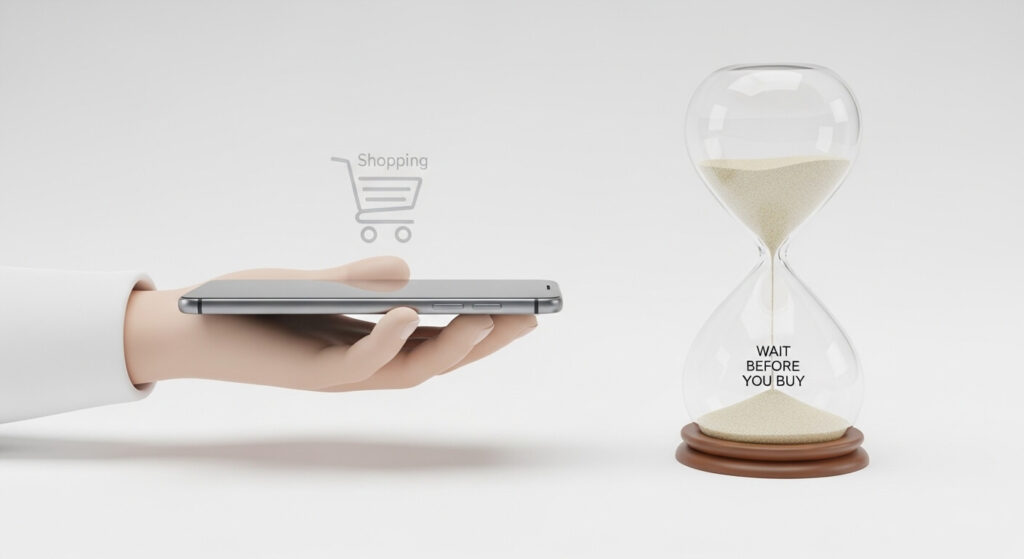
Here is how you apply it in the real world:
- The Trigger: You see an item you want.
- The Action: You can put it in your physical or digital cart, but you cannot pay for it.
- The Cooling Period: You close the tab or walk out of the store. You wait 48 hours.
- The Re-evaluation: After two days, you go back to the item. Ask yourself: “Do I still want this as much as I did two days ago?”
More often than not, you’ll find that the “must-have” feeling has vanished. The dopamine has faded, and your logical brain has come back online. You might even look at the item and wonder why you wanted it in the first place.

Why 48 Hours?
You might wonder why we choose 48 hours specifically. Why not 10 minutes or a full week?
Psychologically, 48 hours is the “sweet spot.” A few minutes isn’t enough for the initial dopamine rush to subside. On the other hand, waiting a full week can feel like a punishment, making you more likely to rebel against your own rules and binge-spend later.
Within 48 hours, you will usually go through a full sleep cycle (or two). Sleep is essential for processing emotions and making logical decisions. When you wake up the next day, your perspective on that $200 jacket will likely be very different than it was at 11:00 PM the night before.
The Hidden Costs of Small Purchases
We often justify impulse spending by saying, “It’s only $20.” But those small amounts act like a “leak” in your financial boat. Over time, they can sink your long-term goals.
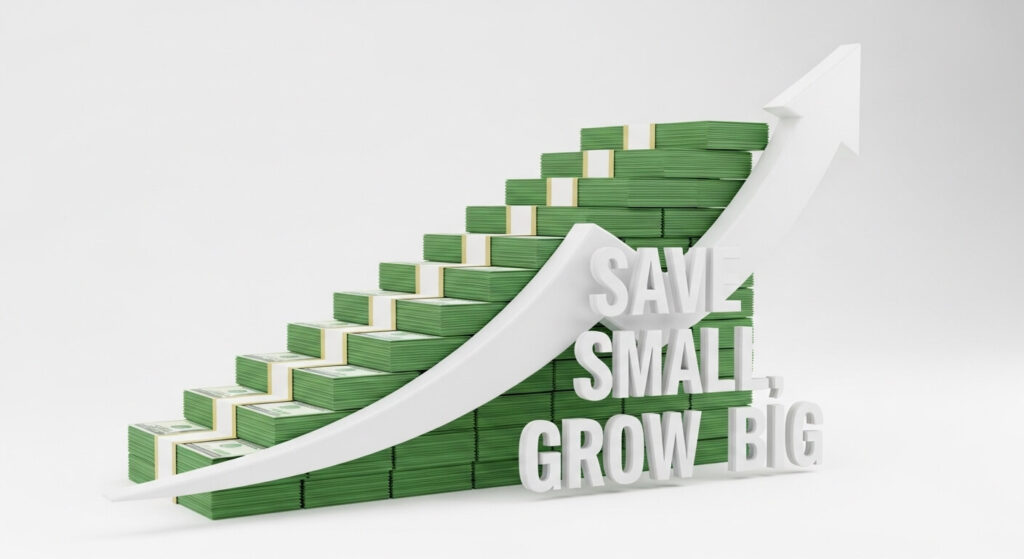
Let’s look at a simple example. Imagine you spend $50 a week on things you didn’t plan to buy. That doesn’t feel like much in the moment. However, $50 a week adds up to 200 dollars a month. Over a full year, that is 2,400 dollars.
If you took that 2,400 dollars and put it into a basic high-yield savings account or a simple retirement fund, it could grow significantly. For instance, if you saved that much every year for ten years, you wouldn’t just have 24,000 dollars. Because of how interest works, you could end up with thousands of dollars more just for letting that money sit and grow. By using the 48-hour rule, you aren’t just “saving $50”; you are protecting your future wealth.
Creating “Digital Friction”
In the past, you had to get dressed, drive to a store, and stand in line to spend money. This created “friction,” which gave you time to think. Today, tech companies have removed all friction. With saved credit card info and biometric thumbprints, you can spend $1,000 in three seconds.
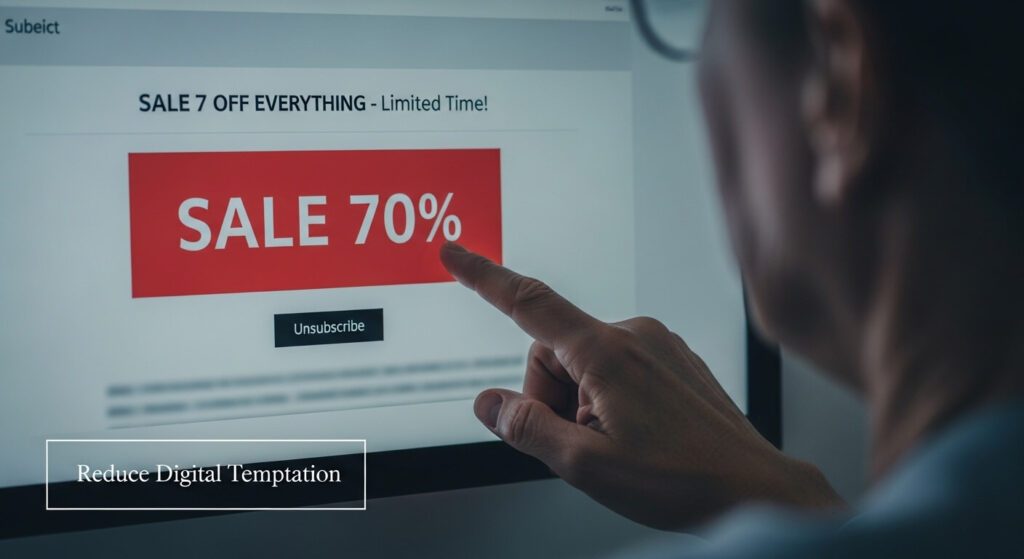
To make the 48-hour rule successful, you need to manually add friction back into your life. Here are a few ways to do that:
- Remove Saved Payment Info: Delete your credit card details from Amazon, Target, and your mobile browser. Forcing yourself to get up and find your wallet to type in 16 digits gives you a moment to ask, “Is this worth the effort?”
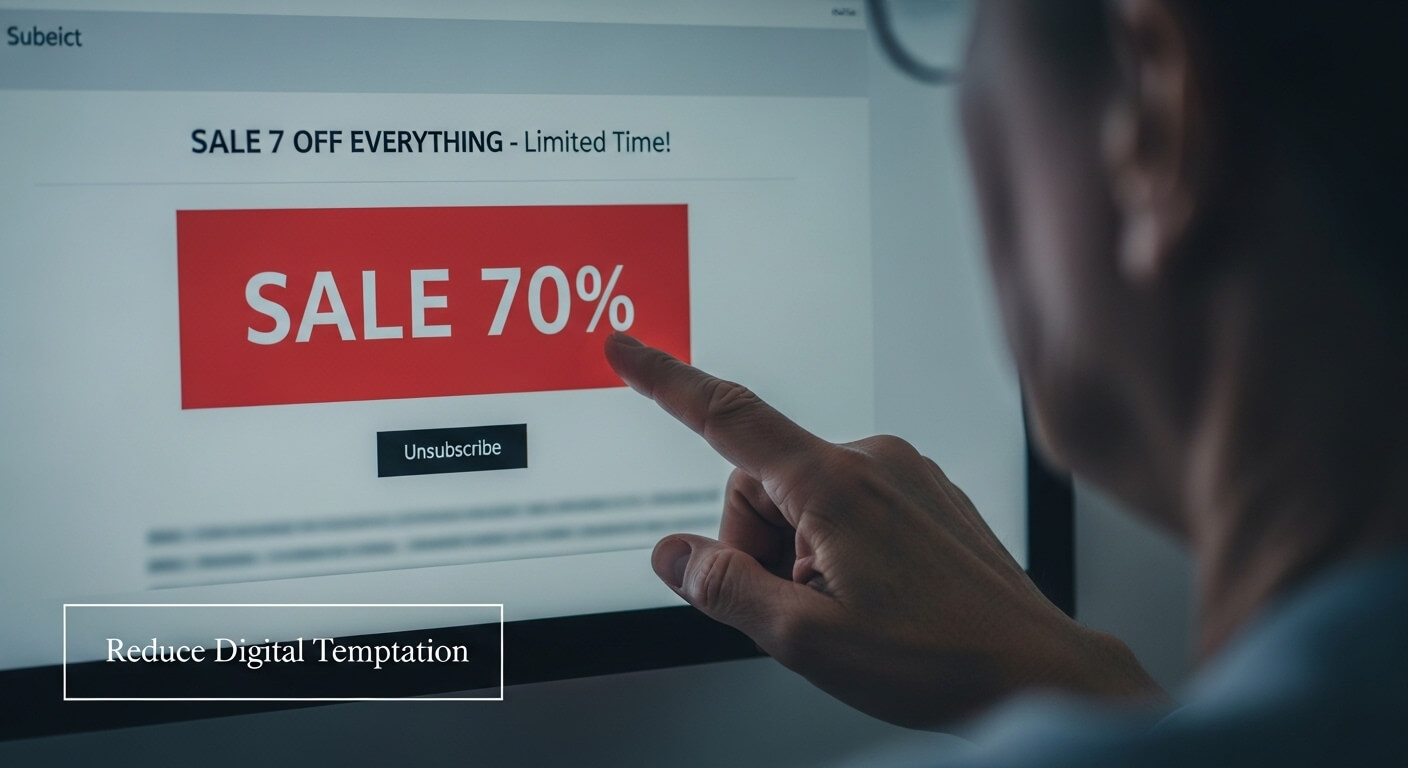
- Unsubscribe from Marketing Emails: Those “flash sale” emails are designed to create a sense of urgency. If you don’t see the sale, you won’t feel the impulse to buy.
- The “Save for Later” Button: Most online stores have a “Save for Later” or “Wishlist” feature. Use this as your holding pen. It feels like you’ve taken action, which satisfies the brain’s immediate urge, but it keeps your money in your bank account.
Dealing with the “Sale” Trap
One of the biggest hurdles to the 48-hour rule is the fear of missing out (FOMO), especially during a sale. You see a sign that says “50% Off—Ends in 4 Hours!” Your brain screams that you are “losing money” by not buying.
Here is the truth: You are never “saving” money by spending it on something you didn’t need. If a pair of boots is normally 200 dollars and they are on sale for 100 dollars, you haven’t “saved 100 dollars.” You have spent 100 dollars.
If the sale ends before your 48-hour window is up, let it go. There will always be another sale. Retailers run cycles; if something is 30% off today, it will likely be 30% off again in two months. Protecting your habit of mindful spending is worth much more than a 20-dollar discount.
The “Need vs. Want” Filter
During your 48-hour waiting period, it helps to run the item through a simple mental filter. Ask yourself these three questions:
- Where will this item be in six months? Will it be in the trash, in a closet, or still providing value to your life?
- How many hours did I have to work to pay for this? If you earn 25 dollars an hour after taxes, and the item costs 100 dollars, ask yourself if that item is worth four hours of your life and energy.
- What am I giving up to buy this? Every dollar spent on an impulse is a dollar that can’t go toward your house down payment, your vacation fund, or your retirement.
Real-Life Example: The High-End Blender
Let’s say you’ve been watching healthy living videos, and suddenly you feel you need a 500-dollar high-end blender to start making green smoothies. You’re convinced this blender is the key to a new, healthier version of you.
Instead of buying it immediately, you apply the 48-hour rule.
- Day 1: You are excited. You look up recipes. You almost break the rule, but you wait.
- Day 2: You realize you already have a 50-dollar blender in the back of your cupboard that you haven’t used in months. You realize that the “need” was actually an emotional response to a video, not a functional need in your kitchen.
- The Result: You move that 500 dollars into your savings account. You decide to try making smoothies with your old blender first. If you actually use it every day for a month, then you can consider the upgrade as a planned purchase.
This is the power of the rule. it doesn’t just save money; it brings clarity to your lifestyle choices.
Building the Habit Slowly
If 48 hours feels too long, start smaller. Try a “24-hour rule” for anything under 50 dollars. As you get more comfortable and see your bank balance growing, you can increase the time and the threshold.
The goal isn’t to never buy anything fun again. The goal is to ensure that when you do spend your hard-earned money, it’s on things that truly bring value to your life, rather than temporary dopamine hits that leave you stressed about your bills.
The Relationship Between Impulse Spending and Debt
For many beginners, impulse spending isn’t just about spending cash; it’s about using credit cards. When you use a credit card, the “pain” of paying is delayed. You get the item now, and you deal with the bill later.
If you carry a balance on your credit card, that impulse buy becomes even more expensive. If you buy a 100-dollar item on a credit card with a high interest rate and don’t pay it off immediately, that item could eventually cost you 150 dollars or more over time. By implementing the 48-hour rule, you aren’t just stopping a purchase; you are preventing the cycle of high-interest debt that keeps so many people from achieving financial freedom.
Conclusion: Take Back Your Power
In a world that is constantly shouting at you to “Buy Now,” waiting is a superpower. The 48-hour rule is your shield. It allows you to step out of the high-pressure environment of modern marketing and make decisions that align with your true goals.
Remember, every time you successfully wait 48 hours and decide not to buy something, you have won a battle against your own biology. You are training your brain to prioritize long-term stability over short-term excitement. Over weeks, months, and years, this simple habit will transform your financial life more than almost any other single tip.
Next time you see that “must-have” item, take a deep breath, put it in the cart, and walk away. Your future self will thank you.
Disclaimer: This content is for educational purposes only and does not constitute financial advice. Market conditions and individual financial situations vary; please consult with a professional for specific guidance.