Imagine your home is more than just a place to live. Think of it as a giant, growing piggy bank. Every time you make a mortgage payment, or every time the local housing market goes up, you are essentially “depositing” money into the walls of your house. This value is what we call home equity.
But here is the catch: you can’t exactly walk into a grocery store and pay with a piece of your kitchen floor. To get that money out without selling your home, you usually have to look at two popular options: a Home Equity Loan and a HELOC (Home Equity Line of Credit).
Choosing between a Home Equity Loan vs HELOC is one of the most important decisions you will make as a homeowner. Both allow you to borrow against the value of your property, but they work in very different ways. One is like a steady, predictable path, while the other is more like a flexible tool you can use whenever you need it.
In this guide, we are going to break down these two options so you can decide which one fits your life. We won’t use confusing jargon or complex math. Instead, we’ll look at how these loans actually affect your bank account and your peace of mind.
What Exactly Is Home Equity?
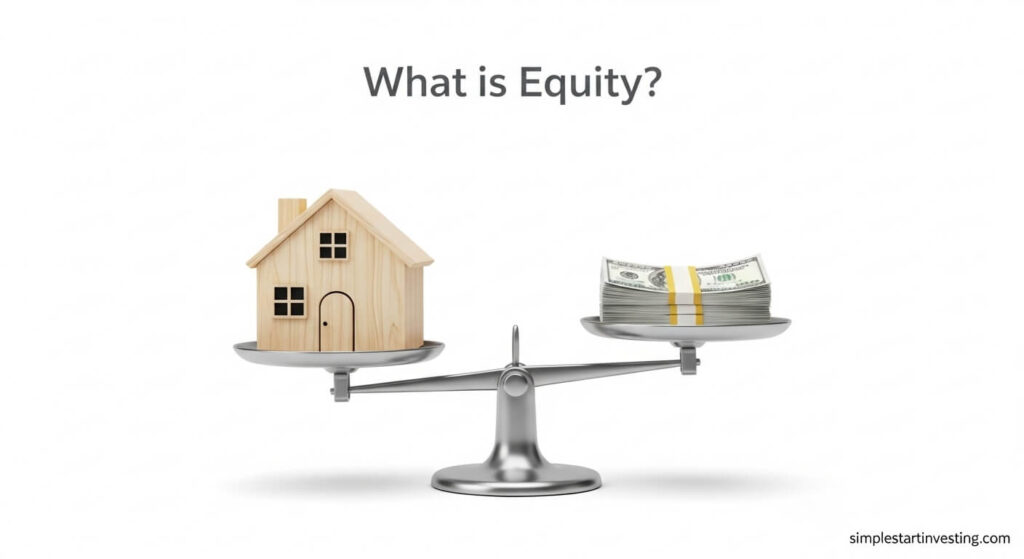
Before we dive into the loans, let’s make sure we understand the “stuff” you are borrowing against. Home equity is the portion of your home that you truly “own.”
Think of it this way: if your house is worth 500,000 dollars today and you still owe the bank 300,000 dollars on your mortgage, your equity is 200,000 dollars. It is the difference between what the market says the house is worth and what you still owe.
As you pay down your mortgage, your equity goes up. If the neighborhood becomes popular and house prices rise, your equity also goes up. This equity is powerful because lenders see it as collateral. They are willing to lend you money because they know that if you don’t pay it back, they have the house to fall back on.
The Home Equity Loan: Predictable and Steady
A Home Equity Loan is often called a “second mortgage.” It is a very straightforward way to get cash. When you are approved, the lender hands you a big pile of money all at once.
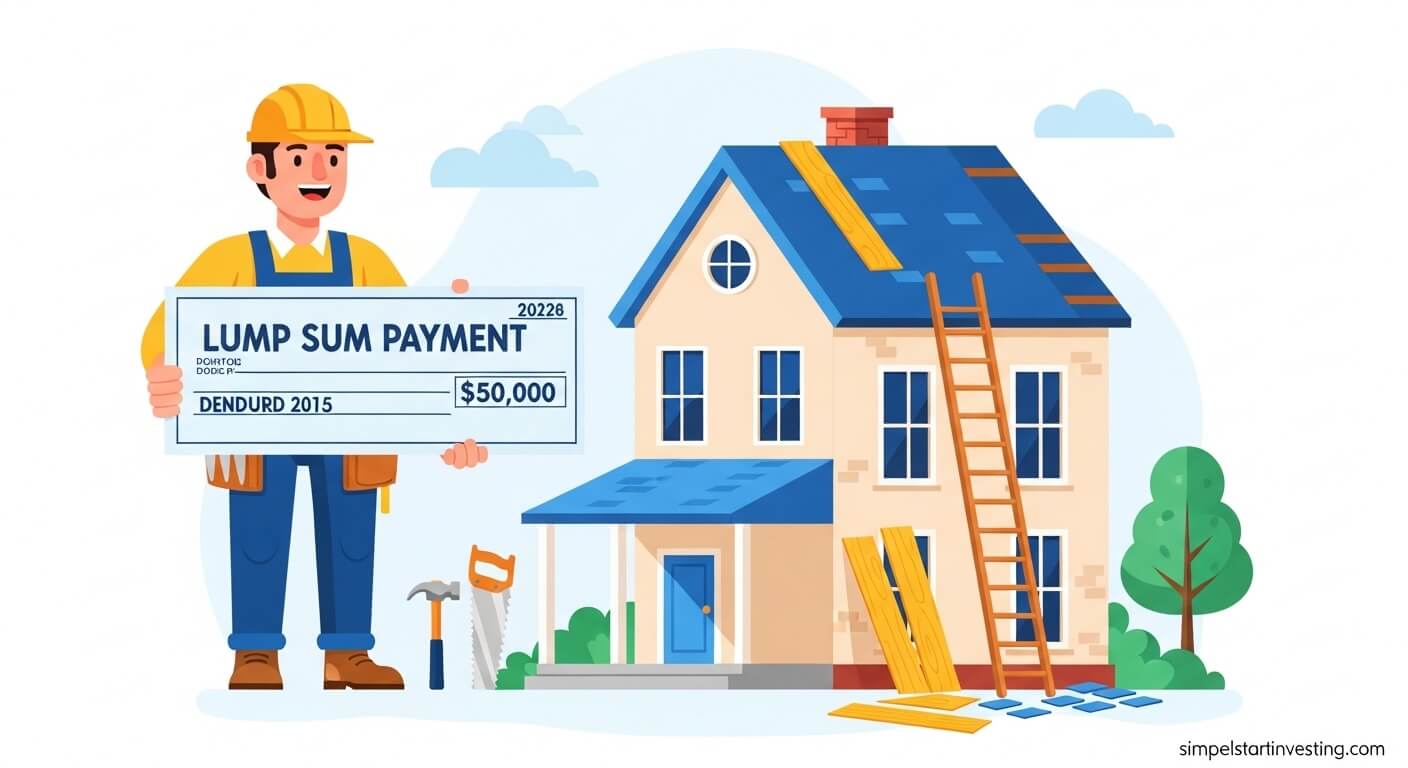
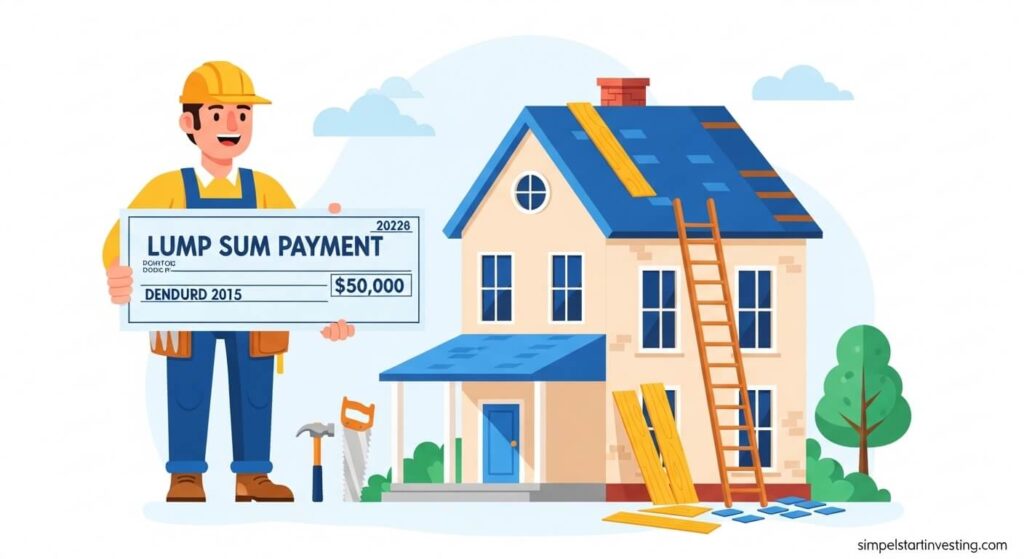
If you qualify for 50,000 dollars, that 50,000 dollars lands in your bank account in one lump sum. From that moment on, you start paying it back. One of the best parts about this option is the fixed interest rate.
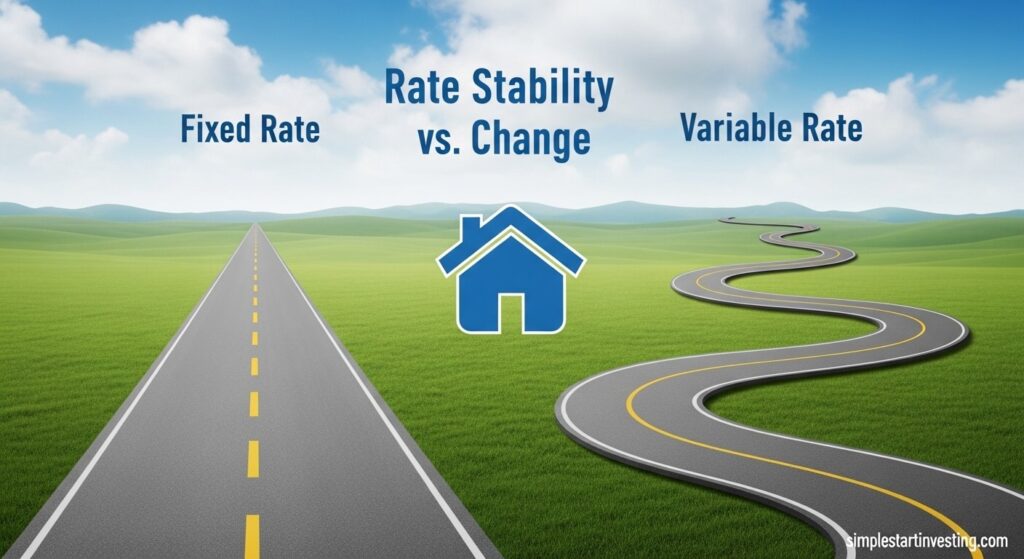
Because the rate is fixed, your monthly payment will be exactly the same for the entire life of the loan. If you have a ten-year loan, your payment in year one will be the same as your payment in year ten. This makes it very easy to plan your monthly budget. You never have to worry about the news saying interest rates are going up because your rate is locked in.
Why Beginners Like Home Equity Loans
For someone new to investing or personal finance, the Home Equity Loan feels “safe.” There are no surprises. You know exactly how much you owe and exactly when it will be paid off. It is great for a specific project with a fixed cost, like a 40,000-dollar roof replacement or a one-time major medical expense.
The Downside of the Lump Sum
The main drawback is that you pay interest on the whole amount from day one. If you borrow 50,000 dollars but you only need 10,000 dollars right now and the rest later, you are still paying interest on the full 50,000 dollars. It is a “use it or lose it” situation in terms of the interest costs.
HELOC: The Flexible “Credit Card” for Your House
Now, let’s look at the HELOC, which stands for Home Equity Line of Credit. If a Home Equity Loan is a pile of cash, a HELOC is more like a credit card with a very high limit and a much lower interest rate.
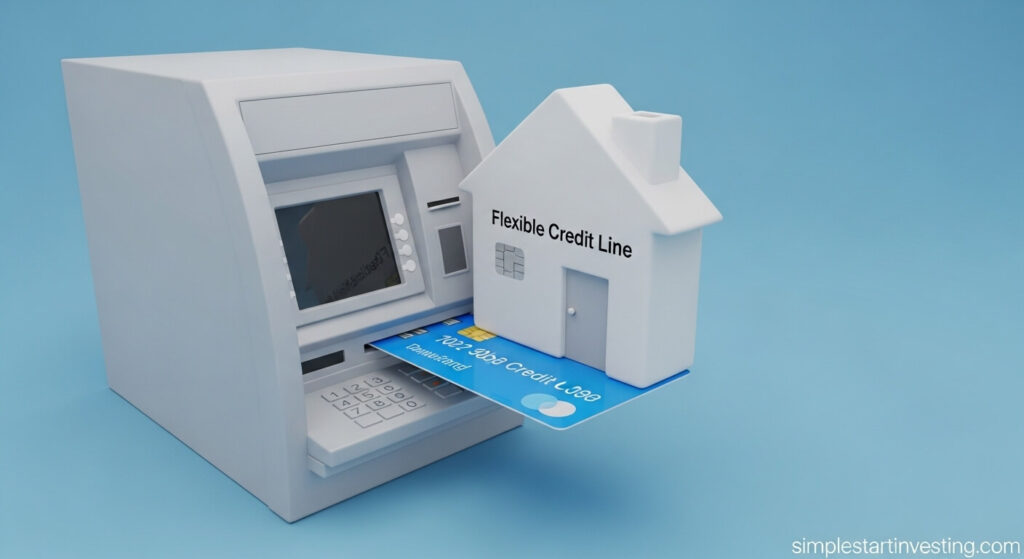
When you get a HELOC, the bank tells you the maximum amount you can borrow—let’s say 50,000 dollars again. However, they don’t give you the money all at once. Instead, they give you a way to “draw” the money when you need it, often through a special checkbook or a debit card.
If you have a 50,000-dollar line of credit but you only spend 5,000 dollars to fix a leaky pipe, you only owe interest on that 5,000 dollars. The other 45,000 dollars just sits there, waiting for you, and it doesn’t cost you a penny until you use it.
The Two Phases of a HELOC
A HELOC usually has two distinct periods:
- The Draw Period: This usually lasts 5 to 10 years. During this time, you can take money out as you need it. Most lenders only require you to pay the interest during this phase. This makes the monthly payments very low at the start, which can be tempting but dangerous if you aren’t careful.
- The Repayment Period: Once the draw period ends, you can no longer take money out. Now, you have to pay back both the original amount you borrowed (the principal) and the interest. Your monthly payments will jump up significantly during this phase.
The Variable Rate Risk
Unlike the fixed-rate loan, a HELOC usually has a variable interest rate. This means your rate can go up or down based on the economy. If the Federal Reserve raises interest rates, your HELOC payment will likely go up too. This can make budgeting a bit of a guessing game.
Home Equity Loan vs HELOC: Comparing the Two
Choosing between a Home Equity Loan vs HELOC often comes down to how you plan to use the money. Let’s look at a few common scenarios to see which one wins.
Scenario A: The Major Kitchen Remodel
If you have a contractor who says the project will cost exactly 60,000 dollars and will take three months, a Home Equity Loan is usually better. You get the cash, you pay the contractor, and you have a steady monthly bill you can plan for.
Scenario B: Ongoing Home Improvements
If you plan to fix up your house slowly over the next five years—maybe a bathroom this year, a deck next year, and new windows the year after—a HELOC is the clear winner. You only borrow what you need for each small project, saving you a lot of money in interest over time.
Scenario C: An Emergency Safety Net
If you just want to know that you have access to money in case of a rainy day, a HELOC is better. You can set it up and never use it. It sits there as a backup plan, and you don’t pay anything unless an actual emergency happens.
Common Misunderstandings About Home Equity
When people first start looking at a Home Equity Loan vs HELOC, they often fall into a few traps. Let’s clear those up right now.

“It’s just like a personal loan.” Not exactly. A personal loan is “unsecured,” meaning the bank just trusts you to pay it back. A home equity product is “secured” by your house. If you stop paying, the bank can actually take your home through a process called foreclosure. This makes these loans much more serious than a credit card debt or a small personal loan.
“The interest is always tax-deductible.” This is a big one. In the past, people used home equity loans to pay for vacations or weddings because they could deduct the interest on their taxes. However, under current US tax laws, you can generally only deduct the interest if you use the money to “buy, build, or substantially improve” the home that secures the loan.
If you use your home equity to pay off credit card debt or buy a new car, you probably won’t get that tax break. You should always check the current IRS guidelines for the year you are filing, as these rules can change.
“I can borrow 100% of my home’s value.” Lenders are usually more cautious. Most will only let you borrow up to 80% or 85% of your home’s total value, including your primary mortgage.
For example, if your home is worth 100,000 dollars, the bank might want the total debt (your mortgage + your home equity loan) to stay under 80,000 dollars. If you already owe 70,000 dollars on your mortgage, you might only be able to borrow another 10,000 dollars.
Why People Often Make Mistakes
The biggest mistake beginners make is treating home equity like a “limitless” source of cash. Because the interest rates are often lower than credit cards, it feels like “cheap money.”
But remember: you are trading the roof over your head for that cash. If you use a HELOC to fund a lifestyle you can’t afford, you are putting your home at risk.
Another mistake is only looking at the “draw period” payments of a HELOC. Since you only pay interest at first, the payment might only be 100 dollars a month. People get comfortable with that low payment and forget that in ten years, that payment might jump to 600 dollars a month when the repayment period starts. Always look at what the “total” payment will be later on.
Understanding the Costs and Fees
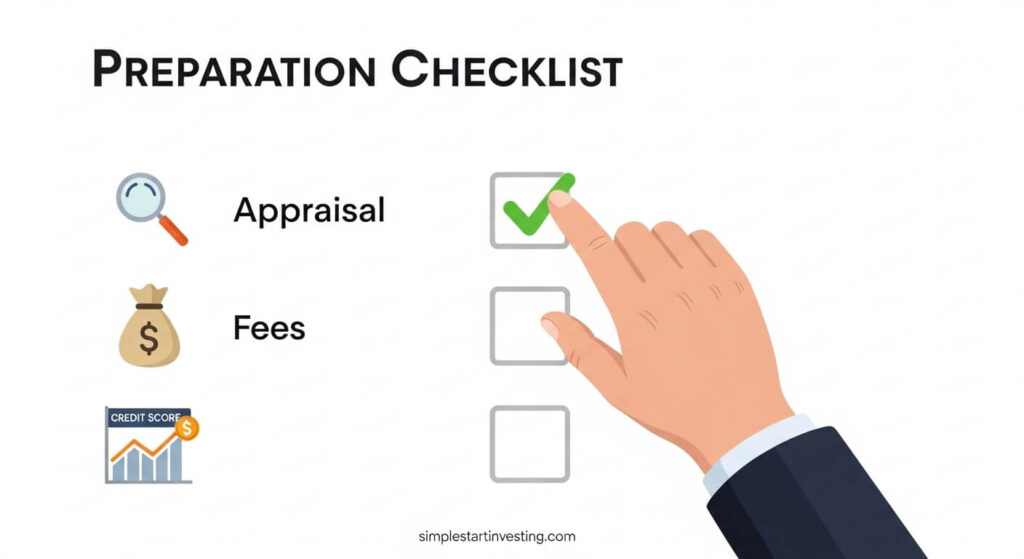
Neither a Home Equity Loan vs HELOC is free to set up. Just like when you first bought your house, there are “closing costs.” These can include:
- Appraisal Fees: The bank needs to hire a professional to prove what your house is actually worth today.
- Application Fees: Some banks charge you just to look at your paperwork.
- Origination Fees: A fee for “processing” the loan.
- Annual Fees: Many HELOCs charge a small fee every year just to keep the line of credit open.
When comparing lenders, don’t just look at the interest rate. Ask for a “total cost of borrowing” so you can see all these hidden fees. Sometimes a slightly higher interest rate with zero closing costs is actually a better deal for you.
How to Decide: A Step-by-Step Logic
If you are still on the fence, ask yourself these three questions:
1. How much do I need? If you have a specific, large number in mind, go with the Home Equity Loan. If you aren’t sure or need small amounts over time, go with the HELOC.
2. How much risk can my budget handle? If a 50-dollar increase in your monthly bill would cause you stress, you need the stability of a fixed-rate Home Equity Loan. If you have extra room in your budget and can handle a fluctuating payment, the HELOC might save you money if rates stay low.
3. What is my exit plan? How do you plan to pay this back? If you are using the money to increase your home’s value (like adding a bedroom), you might be able to pay the loan off when you eventually sell the house. If you are using it for something else, make sure your monthly income is enough to cover the full repayment, not just the interest.
Getting Ready to Apply
Once you’ve picked your path, the process is fairly similar for both. The bank will look at your credit score, your income, and your debt-to-income ratio.
They want to see that you are responsible with the money you already have. It is a good idea to check your credit report a few months before applying to make sure there are no errors that might lower your score. A higher score usually means a much lower interest rate, which can save you thousands of dollars over the life of the loan.
Final Thoughts for the New Homeowner
Your home is your biggest asset, and it is natural to want to use the wealth you’ve built up inside it. Whether you choose a Home Equity Loan vs HELOC, the key is to use it as a tool for building your future, not just as a way to spend more today.
By understanding that a Home Equity Loan offers the peace of mind of a fixed payment and a HELOC offers the flexibility of a credit line, you are already ahead of most beginners. Take your time, compare offers from different banks or credit unions, and always read the fine print about what happens when the rates change or the repayment period begins.
Debt is a tool. When used wisely—like for a home improvement that increases your property value—it can be a great investment. When used poorly, it can become a burden. Stay informed, stay cautious, and make your home work for you.
Disclaimer: This content is for educational purposes only and does not constitute financial advice. Lending rules and tax laws change frequently; always consult with a qualified professional before making significant financial decisions.