Facing an unexpected financial crunch can feel like being backed into a corner. Maybe it is a sudden medical bill, a major car repair, or a down payment on a home that is just out of reach. When you look at your bank account and see a small balance but then look at your 401(k) retirement account and see thousands of dollars, the temptation is real. It is your money, after all. Why not just “borrow” it from yourself and pay it back later?
Taking a 401(k) loan often feels like the path of least resistance. There are no credit checks, the interest rates are usually lower than a credit card, and you are technically paying the interest back to yourself. It sounds like a win-win scenario. However, beneath the surface of this “easy” money lies a series of financial traps that can quietly dismantle your long-term wealth.
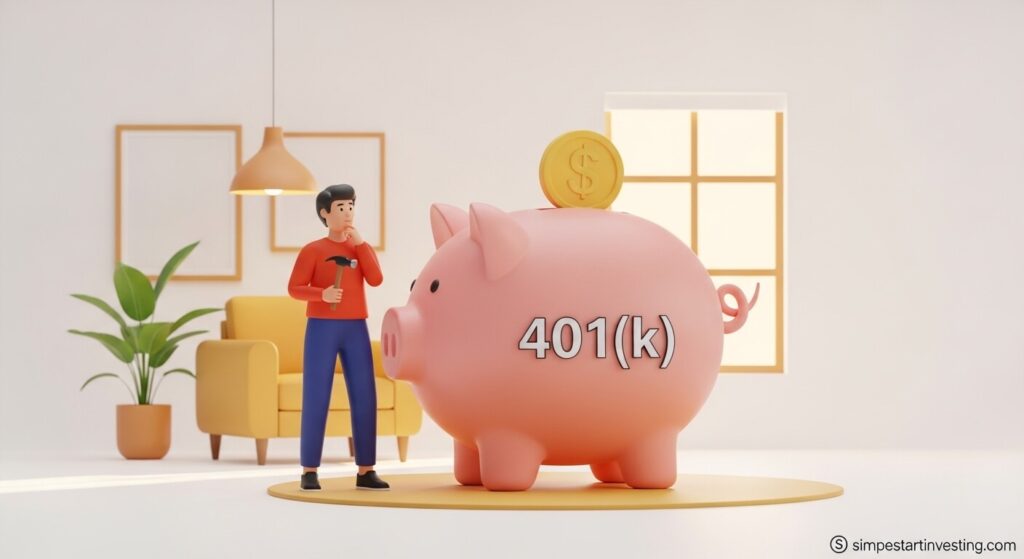
Before you tap into your retirement nest egg, it is crucial to understand that a 401(k) is not a high-yield savings account or an emergency fund. It is a dedicated vehicle designed for one specific purpose: providing for you when you are no longer working. When you disrupt that process, you aren’t just borrowing money; you are borrowing time, growth, and security.
What is a 401(k) Loan Exactly?
To understand why this move is risky, we first need to clarify what a 401(k) loan actually is. Unlike a withdrawal, where you take the money out and pay taxes and penalties, a loan allows you to “borrow” a portion of your vested balance. Most plans allow you to take out up to 50 percent of your total balance, capped at a maximum of 50,000 dollars.
When you take this loan, the money is moved out of your investment funds and given to you as a check or direct deposit. You then agree to pay it back over a set period, usually up to five years, through automatic deductions from your paycheck. The interest rate is typically the “prime rate” plus an additional one or two percent.
The biggest misconception here is that because you are paying the interest to your own account, the loan is “free.” While it is true the interest goes back into your 401(k), the money you borrowed is no longer invested in the market. This is where the true cost begins to hide.
The Allure: Why It Feels Like “Easy Money”
It is easy to see why so many Americans choose this route. If you have a low credit score, getting a personal loan from a bank can be nearly impossible or come with predatory interest rates. A 401(k) loan doesn’t care about your credit history. The “lender” is your own account, so the approval is almost always automatic as long as your plan allows it.
Furthermore, the convenience is unmatched. There are no lengthy applications or interviews with loan officers. You simply log into your benefits portal, click a few buttons, and the money arrives within a week. For someone in a crisis, this speed is incredibly seductive.
Another psychological trick is the idea of “paying yourself back.” Most people hate paying interest to a massive bank like Chase or Wells Fargo. The idea that your 8 percent interest is going back into your own retirement fund feels like a smart financial hack. Unfortunately, this logic ignores the opportunity cost of what that money could have been doing if it stayed in the market.
The Hidden Price Tag: The Cost of Missing Growth
The most significant danger of a 401(k) loan is the loss of investment growth. When you take out 20,000 dollars for a loan, that 20,000 dollars is “sold” out of your mutual funds or ETFs. It is no longer sitting in the market, catching the waves of growth that happen over time.
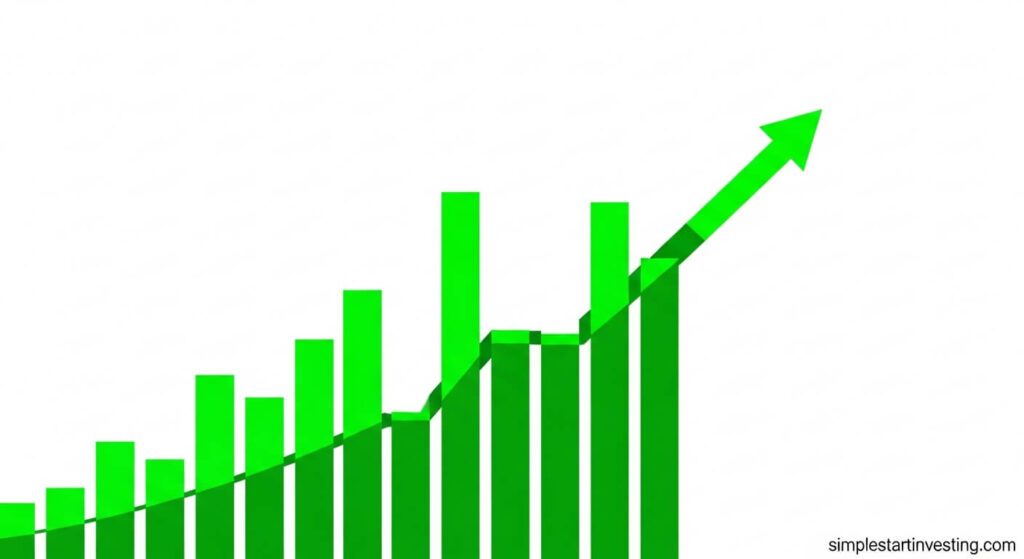
Think of your 401(k) like a garden. If you pull out half the plants to use them elsewhere for five years, those plants aren’t growing or producing fruit during that time. Even if you put them back five years later, they are much smaller than they would have been if they had stayed in the ground.
If the stock market goes up by 15 percent in a year while your money is out as a loan, you have completely missed that gain. Even though you are paying yourself 7 or 8 percent interest, you are still “behind” the 15 percent the market provided. Over decades, this “missing growth” can result in tens of thousands of dollars less in your retirement account. You aren’t just replacing the money; you are trying to catch a train that has already left the station.
The “Double Taxation” Trap on Interest
Many beginners are surprised to learn that a 401(k) loan actually leads to a form of double taxation. While the loan amount itself isn’t taxed (as long as you pay it back), the interest you pay certainly is.

When you get your paycheck, the government takes out income tax first. The money left over—your “after-tax” dollars—is what you use to pay back the loan and the interest. Then, when you eventually retire and take that money out of your 401(k), the government taxes it again as regular income.
Essentially, you are paying taxes on the money you use to pay the interest, and then paying taxes on that same interest again later in life. This hidden “tax leak” makes the loan significantly more expensive than it appears on paper. It is a slow drain on your wealth that most people don’t notice until they sit down to do their taxes or plan for retirement.
The Job Change Nightmare: A Debt Trap
This is perhaps the most dangerous aspect of borrowing from your retirement. Most 401(k) plans are tied directly to your employer. If you take out a loan and then leave your job—whether you quit, get laid off, or are fired—the rules change instantly.
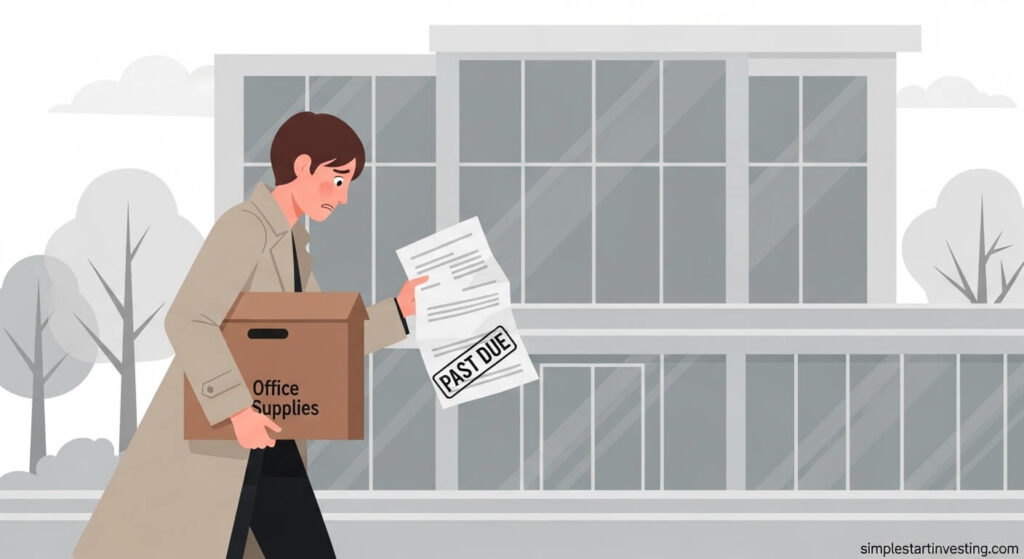
In many cases, the remaining balance of the loan becomes “due” almost immediately. Current tax laws generally give you until the due date of your federal income tax return (including extensions) for the year you left the job to pay it back. But for someone who just lost their job, coming up with 10,000 or 20,000 dollars in a few months is often impossible.
If you cannot pay it back, the IRS treats the remaining balance as a taxable distribution. This means:
- You will owe regular income tax on the entire balance.
- If you are under the age of 59 and a half, you will likely owe an additional 10 percent early withdrawal penalty.
Imagine losing your job and then being hit with a 5,000-dollar tax bill because of a loan you couldn’t pay back. It turns a bad situation into a financial catastrophe.
The “Contribution Freeze” Factor
Another hidden risk is what happens to your future savings while you are repaying the loan. Some company plans actually prohibit you from making new contributions to your 401(k) until the loan is paid in full. Even if your plan allows contributions, many people stop or reduce them because their “extra” cash is now going toward loan repayments.
By stopping your contributions, you miss out on the most powerful tool in retirement saving: the employer match. If your employer matches 100 percent of your contributions up to 5 percent of your salary, and you stop contributing to pay back a loan, you are effectively turning down “free money.” This compounding loss—missing the match and the market growth—can drastically shorten your “runway” for retirement.
Real-World Example: The True Cost of 10,000 Dollars
Let’s look at a simple scenario. Imagine you borrow 10,000 dollars from your 401(k) to pay for a home renovation. You plan to pay it back over five years.
During those five years, let’s say the stock market has a good run and averages a 10 percent return per year. If that 10,000 dollars had stayed in your account, it would have grown significantly. For instance, in the first year, it would have earned 1,000 dollars. In the second year, it would have earned 10 percent on the new 11,000-dollar balance, and so on.
Because the money was in your pocket instead of the market, you missed that compound interest. Even if you paid yourself back with 7 percent interest, you are still trailing the market’s performance. Furthermore, if you stopped your 100-dollar-a-month contribution during that time to afford the loan payments, you’ve lost another 6,000 dollars in principal plus the potential growth on that money.
When you add it all up, that “simple” 10,000-dollar loan might actually cost you 20,000 or 30,000 dollars in total retirement value by the time you stop working.
Better Alternatives to Explore First
Because of these risks, a 401(k) loan should usually be your absolute last resort. Before you touch your future, consider these alternatives:
- A Personal Loan: If your credit is decent, a personal loan from a bank or credit union is often better. Yes, you pay interest to the bank, but your retirement money stays invested and continues to grow.
- 0% APR Credit Cards: For smaller emergencies (like a 2,000-dollar car repair), a credit card with an introductory 0 percent interest rate for 12 to 18 months can bridge the gap without touching your investments.
- HELOC (Home Equity Line of Credit): If you own a home, you may be able to borrow against your equity. The interest rates are often competitive, and your 401(k) remains untouched.
- Negotiating Payment Plans: If the debt is medical, most hospitals will offer interest-free payment plans if you ask. They would rather receive 50 dollars a month than nothing at all.
- Hardship Withdrawals: While also risky, a hardship withdrawal is specifically for “immediate and heavy” financial needs. You will pay taxes and possibly penalties, but you don’t have the “repayment” obligation that could lead to a massive tax bill if you lose your job.
When Does a 401(k) Loan Make Sense?
Is it ever a good idea? In very rare circumstances, it might be the “least bad” option.
If you are using the money to pay off high-interest debt (like a credit card with 29 percent interest) and you have a very stable job, the math might work in your favor. By “refinancing” 29 percent debt into a 7 percent 401(k) loan, you save a massive amount on interest. However, this only works if you have fixed the spending habits that caused the credit card debt in the first place. Otherwise, you risk ending up with a 401(k) loan and new credit card debt.
Another case is using a small amount for a primary home down payment. Some plans allow for longer repayment terms (up to 15 or 30 years) for home purchases. Since a home is also an asset, you are moving money from one investment (stocks) to another (real estate). Even then, caution is required.
Protecting Your Future Self
The best way to avoid the 401(k) loan trap is to build a “buffer” between your life and your retirement account. This is known as an emergency fund. Having even 1,000 to 3,000 dollars in a separate savings account can prevent most of the “small” emergencies that lead people to tap into their 401(k).
Your 401(k) is a one-way street. You put money in, it grows, and you take it out when you are old. When you start treating it like a two-way street, the friction of taxes, missed growth, and job-change risks can grind your wealth-building machine to a halt.
Think long and hard before you click that “request loan” button. You aren’t just borrowing from a faceless account; you are borrowing from the older version of yourself who will one day rely on that money for food, housing, and healthcare. Make sure the “emergency” today is truly worth the price you will pay tomorrow.
Disclaimer: This content is for educational purposes only and does not constitute financial, legal, or tax advice. Regulations regarding retirement accounts and taxes change frequently; always consult with a qualified financial advisor or tax professional before making significant financial decisions.