If you are planning to buy your first home, lease a new car, or even apply for a premium credit card, there is one number that stands between you and your goals. That number is your credit score. For many beginners, this three-digit number feels like a secret code that only bankers understand.
Fortunately, the system is not as mysterious as it seems. Improving your financial standing is not about luck; it is about understanding the rules of the game. If you want to boost credit score numbers quickly, you need to focus on the specific factors that credit bureaus use to judge your reliability as a borrower.
In this guide, we will break down the most effective strategies to lift your score. We will explain how the system works in plain English, using real-world examples you can relate to. Whether you are starting from scratch or trying to recover from past mistakes, these steps will help you build a stronger financial future.
What Exactly Is a Credit Score?
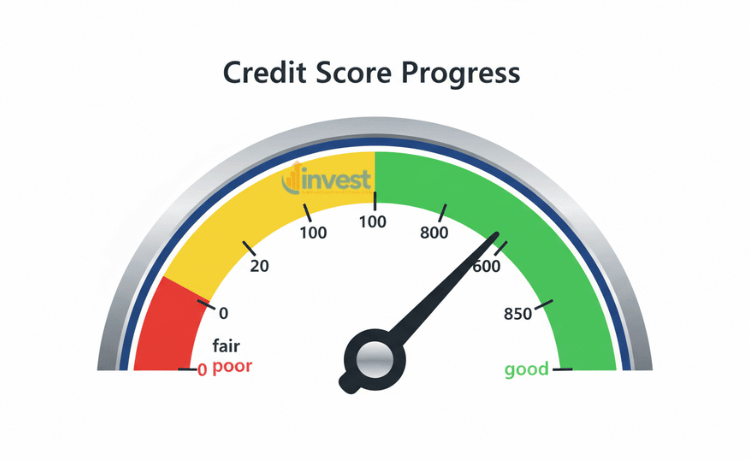
Before we dive into the “how,” we must understand the “what.” In the United States, your credit score is essentially a grade for how well you handle borrowed money. Most lenders use the FICO score, which ranges from 300 to 850. A higher number tells a bank that you are a low-risk borrower, which usually leads to lower interest rates.
Think of your credit score like a GPA in school. If you turn in your homework on time and do well on tests, your GPA goes up. If you miss assignments, it drops. In the world of finance, your “homework” is your monthly bills, and your “tests” are how you manage your total debt.
Many beginners believe that a credit score is only for people who are in debt. That is a common misunderstanding. Even if you have plenty of cash in your bank account, a lender might reject your loan application because you have no “track record” of paying back borrowed money. Your score is the proof that you are trustworthy.
The Breakdown of Your Score
To boost credit score results effectively, you need to know what matters most. The FICO model looks at five main categories:
- Payment History (35%): Do you pay your bills on time?
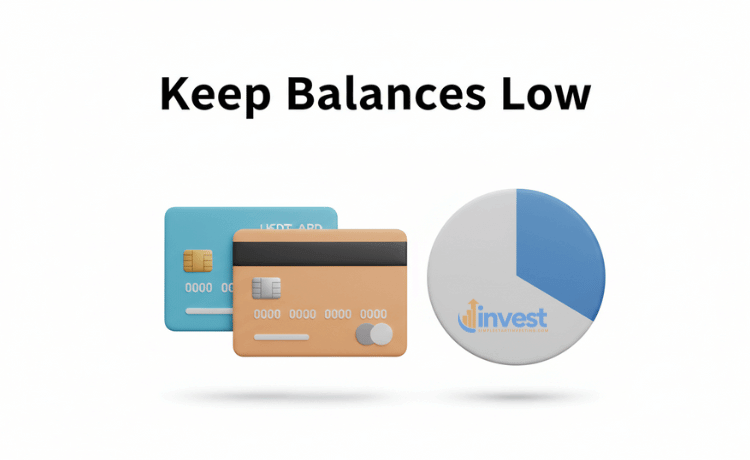
- Amounts Owed (30%): How much of your available credit are you using?
- Length of Credit History (15%): How long have you had your accounts?
- Credit Mix (10%): Do you have different types of loans, like a credit card and an auto loan?
- New Credit (10%): How many times have you applied for credit recently?
By focusing on the first two categories—payment history and amounts owed—you are addressing 65 percent of your total score. This is where you will find the fastest results.
1. Master Your Credit Utilization Ratio
One of the fastest ways to boost credit score points is by managing your “credit utilization.” This is a fancy term for how much of your credit limit you are actually using. It is the second most important factor in your score, and it can change your number significantly within just 30 days.
How It Works
Imagine you have a credit card from a bank like Chase or American Express with a limit of 1,000 dollars. If your statement shows a balance of 900 dollars, your utilization is 90 percent. To the credit bureaus, this looks like you are stretched too thin and might have trouble paying it back.
Financial experts generally recommend keeping your utilization below 30 percent. However, for those who want the highest scores, keeping it under 10 percent is even better.
A Real-World Example
Let’s look at Sarah. Sarah has two credit cards. Card A has a 2,000 dollar limit and a 1,000 dollar balance. Card B has a 3,000 dollar limit and a zero balance.
To calculate her total utilization, Sarah adds her limits together for a total of 5,000 dollars. Then she looks at her total debt, which is 1,000 dollars. When she looks at the ratio, 1,000 dollars is 20 percent of 5,000 dollars. Sarah is doing well because she is under the 30 percent mark.
The Beginner’s Mistake
Many beginners think they should pay their bill on the “due date” to help their score. While this avoids late fees, it might not help your utilization.
Credit card companies usually report your balance to the bureaus on your “statement closing date,” which is often a few weeks before your due date. If you spend 900 dollars and wait until the due date to pay it, the credit bureau might see a 900 dollar balance and think you are using too much credit, even if you pay it off in full every month.
The Correct Mindset
Instead of waiting for the bill, try making small payments throughout the month. If you pay off your purchases as you go, your reported balance will stay low. This makes you look incredibly responsible to the algorithms that calculate your score.
2. Become an Authorized User
If you are a beginner with a “thin” credit file—meaning you haven’t had credit for very long—one of the best shortcuts is to become an authorized user on someone else’s account. This is often called “credit piggybacking.”
How It Works
You ask a trusted family member or friend who has a long history of perfect payments and a high credit limit to add you to one of their credit card accounts. You don’t even need to use the card or even know the card number.
Once you are added, that person’s entire history with that specific card is added to your credit report. If they have had the card for ten years and never missed a payment, it suddenly looks like you have ten years of perfect history too.
A Real-World Example
Consider a college student named John. John has no credit history. His mother has a Costco Visa card that she has used responsibly for fifteen years. She adds John as an authorized user. Within a month, John’s credit report shows a fifteen-year-old account with a perfect payment record. His score jumps because his “length of credit history” and “payment history” have both improved instantly.
The Beginner’s Mistake
The biggest mistake here is choosing the wrong person. If you become an authorized user for someone who misses payments or carries a very high balance, their bad habits will hurt your score instead of helping it.
The Correct Mindset
Choose someone with “pristine” credit. Also, make sure the credit card issuer reports authorized user data to the credit bureaus. Most major banks like Citi, Capital One, and Discover do this, but it is always good to check. This is a partnership based on trust, so ensure the primary cardholder understands you don’t actually need to spend their money to get the benefit.
3. Dispute Errors on Your Credit Report
You might be surprised to learn how many credit reports contain mistakes. According to some studies, one in five people has an error on at least one of their credit reports. These errors can drag your score down without you even knowing it.
How It Works
Federal law gives you the right to a free credit report from each of the three major bureaus (Equifax, Experian, and TransUnion) through AnnualCreditReport.com. You should check these reports for things like:
- Accounts that don’t belong to you (potential identity theft).
- Payments marked as “late” when you actually paid on time.
- Old debts that should have dropped off your report after seven years.
- Incorrect balances or credit limits.
A Real-World Example
David checked his report and noticed a 50 dollar medical bill from a clinic he never visited, marked as “in collection.” This one small “collection” item was dropping his score by fifty points. David filed a dispute through the bureau’s website, providing proof that he lived in a different state at the time. Once the bureau removed the error, his score bounced back almost immediately.
The Beginner’s Mistake
Many people think they need to hire a “credit repair” company to fix these errors. These companies often charge hundreds of dollars for something you can do yourself for free.
The Correct Mindset
You are the best advocate for your own finances. If you find an error, use the online dispute tools provided by Experian or TransUnion. By law, the credit bureaus must investigate your claim within 30 to 45 days. Cleaning up your report is one of the most effective ways to boost credit score numbers without spending a dime.
4. Request a Credit Limit Increase
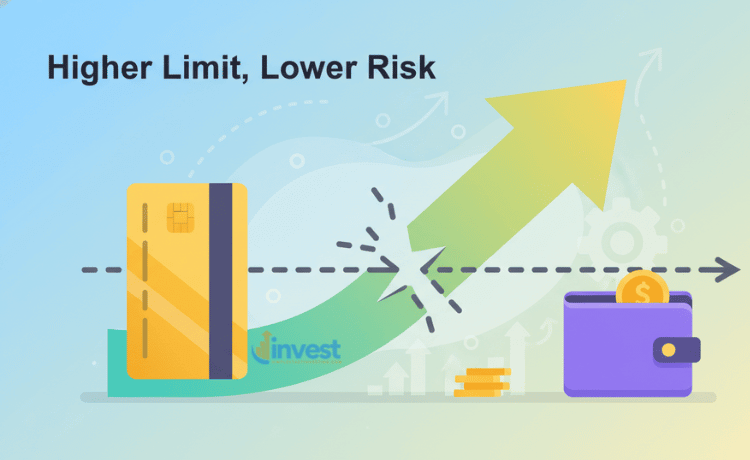
Sometimes, the easiest way to lower your utilization ratio (the 30 percent rule we discussed earlier) isn’t just by paying down debt—it is by increasing your available credit.
How It Works
If you have been a good customer for at least six months to a year, you can ask your credit card company for a limit increase. If they raise your limit from 2,000 dollars to 4,000 dollars, but your spending stays the same, your utilization ratio automatically drops by half.
A Real-World Example
Maria has an Amazon credit card with a 1,000 dollar limit. She usually spends 500 dollars a month on it, which is a 50 percent utilization. She calls the bank and asks for a limit increase because her income has gone up. They increase her limit to 5,000 dollars. Now, her 500 dollar monthly spend is only 10 percent of her limit. Her score goes up because she is using a much smaller “slice” of the total credit available to her.
The Beginner’s Mistake
The mistake here is asking for an increase and then immediately spending more money. If Maria increases her limit to 5,000 dollars but then goes on a shopping spree and spends 2,500 dollars, her ratio is still 50 percent. The goal is to have the credit available but not use it.
Another mistake is not asking if the request will involve a “hard pull.” A hard pull is when a lender looks at your credit for a new application, which can temporarily drop your score by a few points. Many banks can now do a “soft pull” for limit increases, which doesn’t hurt your score. Always ask first.
The Correct Mindset
View a credit limit increase as an “insurance policy” for your score. It gives you more breathing room. Use it as a tool to improve your ratios, not as an excuse to increase your lifestyle spending.
5. Use Rent and Utility Reporting Services
For a long time, the only way to build credit was through loans and credit cards. Your biggest monthly expense—your rent—didn’t count for anything. In recent years, that has changed.
How It Works
There are now services that allow you to report your on-time rent and utility payments (like your cell phone bill or electric bill) to the credit bureaus. Services like Experian Boost or various rent-reporting platforms can add these positive “trade lines” to your report.
A Real-World Example
Think about Alex, who rents an apartment in New York and pays 2,000 dollars every month. He has done this for three years without ever being late. By using a rent-reporting service, those 36 on-time payments are added to his credit history. For someone with a young credit file, this adds a massive amount of “positive evidence” that they are a responsible person.
The Beginner’s Mistake
Beginners often think that these services will fix a history of late payments on credit cards. They won’t. If you have major “black marks” like bankruptcies or recent late credit card payments, adding a phone bill won’t magically solve the problem.
The Correct Mindset
These services are “supplemental.” They are great for “boosting credit score” points for people who are just starting out or who have very few accounts. It is a way to get credit for the bills you are already paying. Check with your landlord or use tools provided directly by the credit bureaus to see if you qualify.
Summary of the Path Forward
Improving your credit score is a marathon, not a sprint, but these five strategies can provide the “quick wins” you need to see progress this year. To recap:
- Pay early to keep your utilization low.
- Piggyback on a trusted friend’s good habits.
- Clean up mistakes on your reports.
- Expand your limits without expanding your spending.
- Report the bills you already pay, like rent.

Remember, the rules of finance are designed to reward consistency. Every time you pay a bill on time or choose not to max out a card, you are voting for a better financial future. As your score climbs, you will find that doors begin to open—lower interest rates on car loans, easier apartment approvals, and better credit card rewards.
Start with one of these steps today. Even a small increase in your score can save you thousands of dollars in interest over your lifetime.
Disclaimer: This content is for educational purposes only and does not constitute financial advice. Credit laws and reporting standards can change; please consult with a certified financial professional or check current guidelines from the CFPB or IRS for the most up-to-date information.