Imagine you are planning a long cross-country road trip across the United States. You know you will face sunny California highways, snowy mountain passes in Colorado, and perhaps some muddy backroads in the South. If you only brought a convertible sports car, you would be in trouble the moment it started to snow. To survive and enjoy the trip, you need a vehicle designed for every possible weather condition.
In the world of money, the All-Weather Portfolio is that versatile vehicle. It is a specific way of organizing your investments so that your money grows when the economy is booming, but stays protected when the stock market takes a frightening dive. Whether prices are rising or the job market is cooling down, this strategy aims to keep your financial journey smooth and steady.

Most beginners believe that investing is just about picking the next “hot” stock like Tesla or Nvidia. However, the All-Weather Portfolio shifts the focus from guessing the future to being prepared for any future. Developed by legendary investor Ray Dalio, this approach is built on the idea that while we cannot predict what will happen next year, we can certainly prepare for it.
What Exactly Is an All-Weather Portfolio?
At its heart, the All-Weather Portfolio is a balanced mix of different types of investments. Think of it like a well-rounded diet. You wouldn’t eat only spinach every day, even if it is healthy, because your body needs protein and fats too. Similarly, your money shouldn’t just sit in one place. This strategy spreads your savings across stocks, bonds, gold, and commodities.
The goal isn’t to make the highest possible profit in a single month. Instead, the goal is to avoid the massive “crashes” that wipe out years of progress. If the stock market drops by 50 percent, a person using this strategy might only see a very small dip, or perhaps even a slight gain, because their other investments “cancel out” the losses.
For a beginner, this is the ultimate “sleep well at night” strategy. You don’t have to check the news every morning in a panic. You simply set up your mix, let it sit, and trust that the different pieces will do their jobs regardless of whether the economy is “sunny” or “stormy.”
The Four Seasons of the Economy
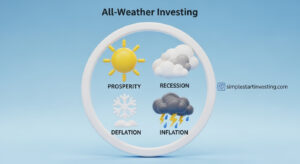
To understand why this works, you have to understand that the American economy usually moves through four distinct “seasons.” Unlike the weather outside, these seasons don’t follow a calendar, but they dictate which investments perform best.
The first season is Rising Growth. This is when businesses are expanding, people are getting raises, and companies like Amazon or Walmart are selling record amounts of goods. In this environment, stocks generally perform very well because corporate profits are high.
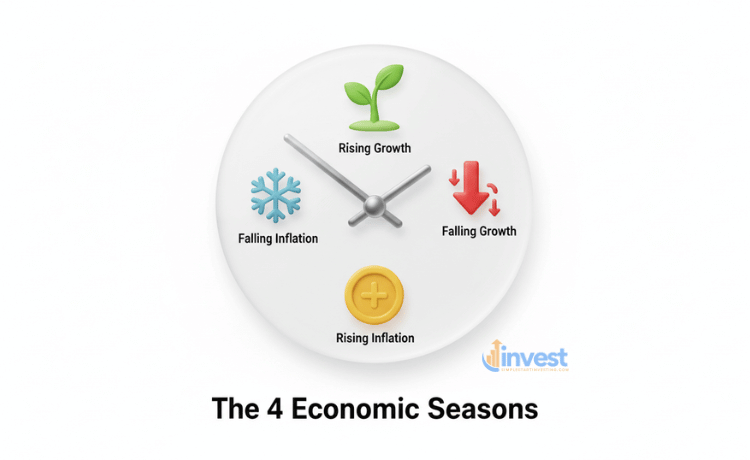
The second season is Falling Growth. This is often called a recession. People spend less, companies lay off workers, and the stock market usually struggles. During these times, government bonds often become the “hero” of your portfolio because they provide a safe place for money when everything else feels risky.
The third season is Rising Inflation. This is when the cost of a gallon of milk, a gallon of gas, or a new Ford truck starts climbing rapidly. Inflation eats away at the value of cash. During these times, “hard assets” like gold or oil tend to skyrocket in value, protecting your purchasing power.
The fourth season is Falling Inflation (or Deflation). This is when prices stay flat or even drop. In this environment, certain types of bonds and high-quality stocks tend to do best because the value of the fixed payments they provide becomes more attractive.
A Common Beginner Misconception
Many new investors think that “diversification” just means buying five different tech stocks. They might own Apple, Microsoft, Google, Meta, and Netflix and think they are safe.
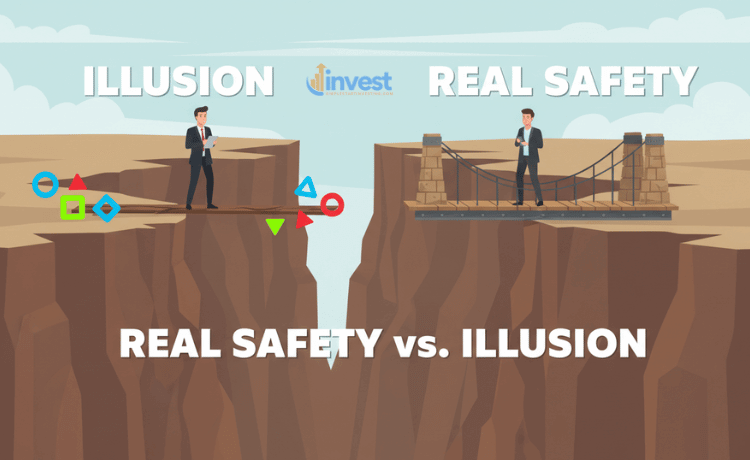
The mistake here is that all those companies belong to the same “season.” If the tech sector or the overall stock market crashes, all five of those stocks will likely go down together. True diversification means owning things that move in opposite directions. When one goes down, another should go up.
The Correct Financial Logic
Instead of collecting similar items, you should collect “opposites.” You want a mix where some parts of your portfolio love inflation while others hate it. This way, no matter what “season” the U.S. economy enters, one part of your portfolio is always there to carry the weight for the others.
Building the Portfolio: The Ingredients
Let’s look at what actually goes into an All-Weather Portfolio using a simple 100-dollar example. If you were starting with 100 dollars, you wouldn’t put it all in one spot. You would break it down into specific buckets based on how they react to the economy.

The Growth Bucket: Stocks (30 Dollars)
About 30 percent of your money goes into the stock market. You might do this by buying an index fund that tracks the S&P 500, which includes the 500 largest companies in America. This part of your portfolio is your engine. It provides the most growth during the “sunny” seasons of the economy.
The Safety Bucket: Long-Term Treasury Bonds (40 Dollars)
This is the largest piece of the pie. Treasury bonds are essentially loans you give to the U.S. government. In exchange, they pay you interest. These are considered some of the safest investments in the world. When the stock market crashes, investors often panic and run toward these bonds, which causes the value of your bonds to go up.
The Stability Bucket: Mid-Term Bonds (15 Dollars)
These are similar to long-term bonds but for a shorter duration. They act as a middle ground, providing a bit of interest income without the price swings that can sometimes happen with longer-term debt. They add an extra layer of protection and steady cash flow to your account.
The Inflation Protection: Gold (7.50 Dollars)
Gold has been a store of value for thousands of years. When people lose faith in the dollar or when inflation is high, they buy gold. Having a small amount of gold acts like an insurance policy for your portfolio. If the “weather” gets very inflationary, your gold holdings can help offset the losses in your bonds.
The Real-World Goods: Commodities (7.50 Dollars)
Commodities are basic goods like oil, corn, wheat, or copper. When the economy is growing fast or inflation is high, the price of these raw materials goes up. Including these ensures that you benefit when the physical cost of living increases.
Why This Strategy Works for New Investors
The beauty of the All-Weather Portfolio is that it removes the need for “timing.” Most beginners lose money because they try to buy when things are high (because they feel confident) and sell when things are low (because they are scared).
With this strategy, you don’t need to know when the next recession is coming. If a recession hits tomorrow, your 40 dollars in long-term bonds and 15 dollars in mid-term bonds will likely rise in value, shielding you from the drop in your 30 dollars of stocks.
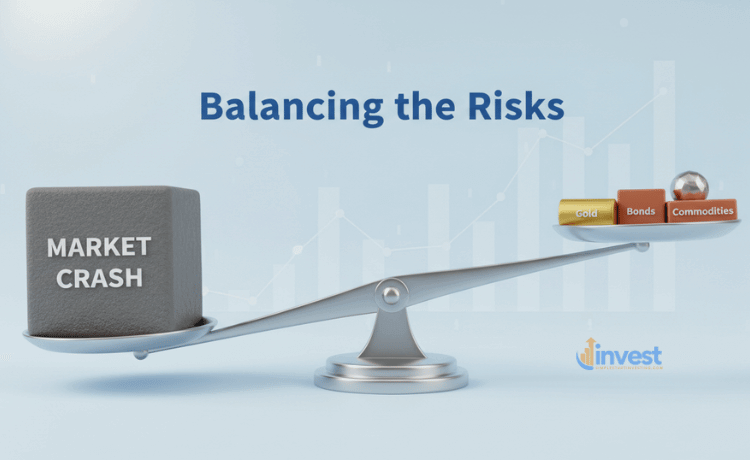
If inflation suddenly spikes, as it did in recent years, your gold and commodities will jump in value to help cover the fact that your bonds might be underperforming. It is a system of checks and balances that keeps your total account value much more stable than a typical “stocks only” account.
Example of the Strategy in Action
Imagine a year where the stock market (like the S&P 500) drops by 20 percent. If you had 100 dollars only in stocks, you would now have 80 dollars. That is a painful 20-dollar loss.
However, in that same year, because of the bad economy, long-term bonds might go up by 15 percent. Since you have 40 dollars in those bonds, you gain 6 dollars. Your gold might also go up by 10 percent, giving you another small gain. When you add it all up, your total 100 dollars might only drop to 97 or 98 dollars, or it might even stay exactly the same. You didn’t “lose” your hard-earned money while everyone else was panicking.
Common Pitfalls to Avoid
Even though the All-Weather Portfolio is designed to be simple, beginners often make a few key mistakes when trying to implement it.
Chasing “Moon” Returns
The biggest “mental” mistake is feeling like you are missing out. In a year where the stock market goes up 30 percent (like when tech stocks are booming), the All-Weather Portfolio will not go up 30 percent. It might only go up 10 percent.
New investors often see their friends making huge gains in a single stock and feel “bored” with their balanced portfolio. They might sell their bonds and gold to buy more stocks right at the peak, leaving them unprotected when the market eventually turns.
Forgetting to Rebalance
Over time, the “weights” of your portfolio will change. If stocks have a great year, your 30 dollars might grow to 40 dollars. If bonds have a bad year, your 40 dollars might drop to 35 dollars.
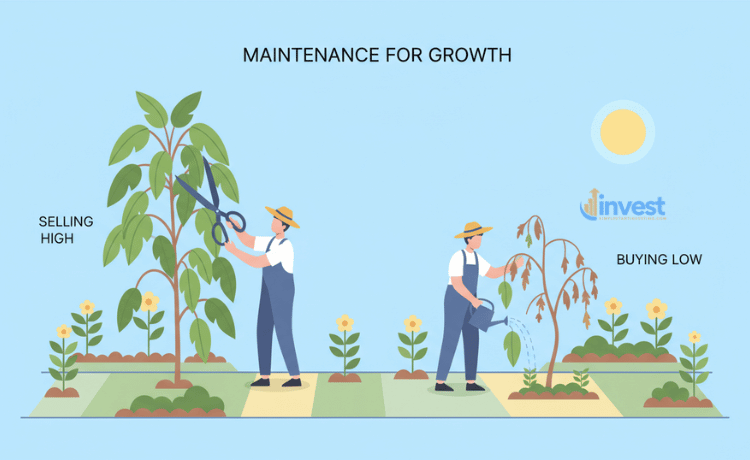
To keep the “All-Weather” protection, you must occasionally sell a little bit of what went up and buy a little bit of what went down to get back to your original percentages. This forces you to “buy low and sell high,” which is the golden rule of investing but the hardest thing for humans to do emotionally.
How to Set This Up in the Real World
You don’t need a fancy private banker to build an All-Weather Portfolio. In the modern U.S. market, you can do this through almost any major brokerage app (like Fidelity, Vanguard, or Charles Schwab) using things called ETFs (Exchange-Traded Funds).
An ETF is like a basket that holds hundreds of different items for you. You can buy one ETF for “Total Stock Market,” one for “Long-Term Treasury Bonds,” one for “Gold,” and one for “Commodities.”
Instead of buying 500 individual companies, you just buy a few “baskets.” This makes it incredibly easy to manage. You can set up an automatic deposit from your paycheck, distribute it among these four or five ETFs, and spend your free time doing things you actually enjoy rather than staring at stock charts.
Is This Strategy Right for You?
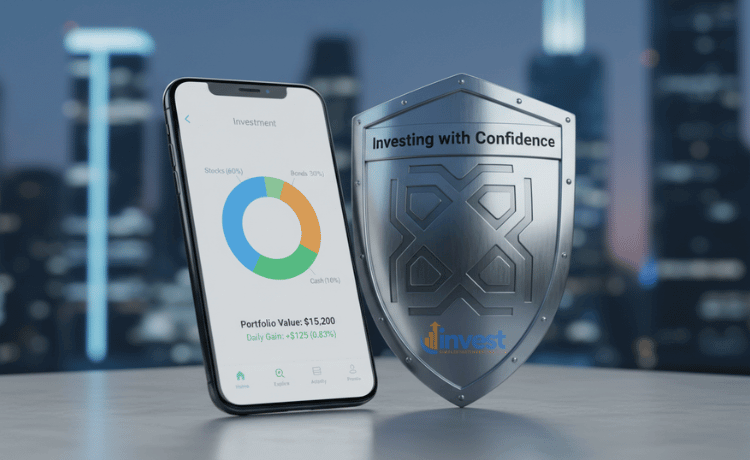
The All-Weather Portfolio is perfect for the investor who prioritizes “not losing” over “getting rich quick.” It is for the person who wants to build wealth steadily over 10, 20, or 30 years without the heart-stopping volatility of the regular market.
If you are young and have a very high tolerance for risk, you might choose to have more stocks. But for the vast majority of people starting their journey, having a “weatherproof” foundation is the best way to ensure they don’t quit the first time the market gets bumpy.
Remember, the best investment strategy is the one you can actually stick to. Most people quit investing because they can’t handle the stress of a 30 percent loss. By using the All-Weather Portfolio, you significantly reduce that stress, making it much more likely that you will stay invested long enough to see your wealth grow into a significant nest egg.
Note: Financial regulations and tax laws regarding specific investment types can change. It is always wise to check the current IRS guidelines or speak with a certified professional before making major financial moves.