When you finally get the keys to your new home, you probably feel like the king or queen of your castle. You own the land, the roof, and everything in between. However, in the complex world of American real estate, ownership isn’t always as absolute as it seems. There are two “invisible” legal concepts that can drastically change how you use your property or even how much money you walk away with when you sell: property liens and easements.
Understanding property liens and easements is one of the most critical steps for any first-time homebuyer. These legal markers are attached to the “title” of your home. If you don’t know they exist, you might find yourself paying off someone else’s old debt or discovering that the city has a legal right to dig up your backyard whenever they want. Let’s pull back the curtain on these hidden issues so you can protect your investment.
What Is a Property Lien? (The Legal IOU)
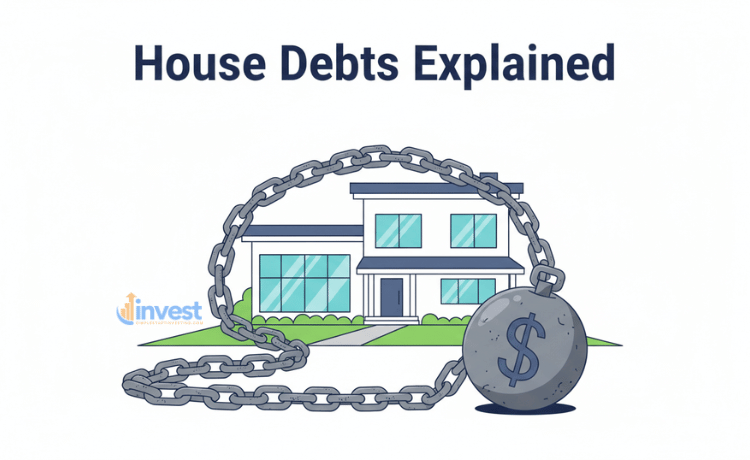
In simple terms, a lien is a legal claim or a “hold” placed on a property by a creditor. Think of it as a formal notice that says, “This homeowner owes me money, and I have a right to get paid from the value of this house.” When a property has a lien on it, the owner usually cannot sell the home or refinance the mortgage until that debt is settled and the lien is “satisfied.”
There are two main categories of liens. Voluntary liens are those you agree to, like a mortgage. Involuntary liens are much more dangerous for beginners because they are placed on your property without your consent, often due to unpaid bills or taxes.
A Real-World Example
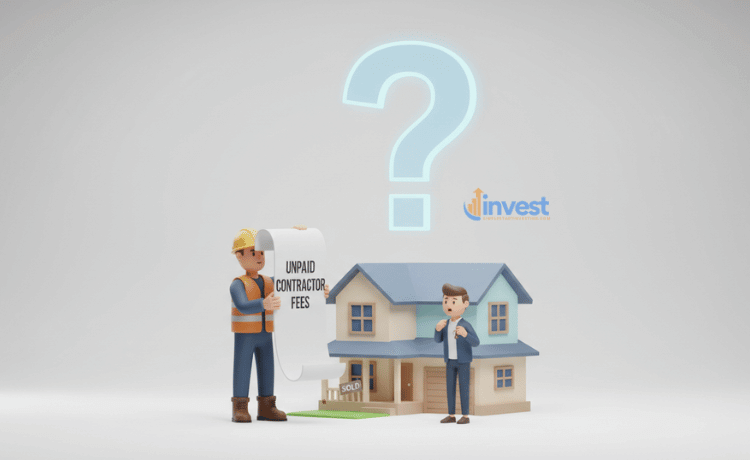
Imagine you buy a beautiful craftsman home in a quiet neighborhood. A year later, you decide to sell it because you got a job offer in another state. During the closing process, the title company discovers a 15,000 dollar “Mechanic’s Lien” from a roofing company. It turns out the previous owner never paid for the new roof they installed two years ago. Even though you didn’t hire the roofers, the debt is attached to the house itself. To sell the house, that 15,000 dollars must be paid out of your profit.
The Beginner’s Mistake
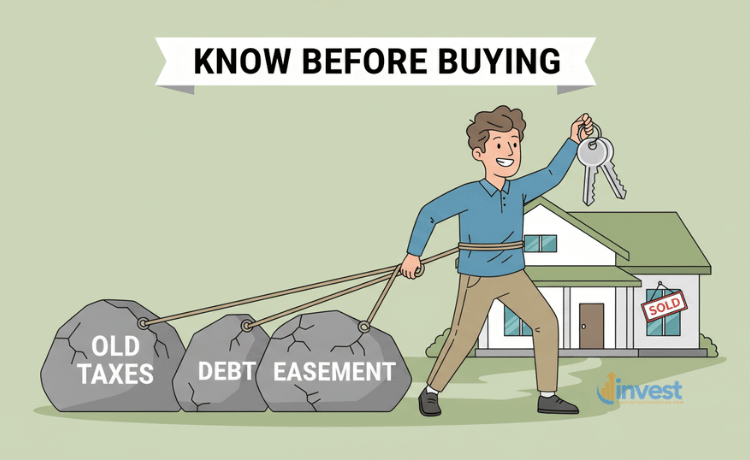
Many new investors and homebuyers believe that debts belong to the person, not the property. They assume that if “John Smith” didn’t pay his taxes, the IRS will just go after John Smith’s bank account, and the house remains “clean” for the next buyer.
The Financial Reality
In the U.S. legal system, many types of debt “run with the land.” This means the house acts as collateral for the debt. If the debt isn’t paid, the lien stays on the title regardless of who moves in. You must ensure a “clear title” before finishing a purchase, or you effectively inherit the previous owner’s financial mistakes.
The Most Common Types of Liens You Will Encounter
Not all liens are created equal. Some are minor nuisances, while others can lead to the forced sale of your home (foreclosure). Here is a breakdown of what you might find during a title search.
Tax Liens (The Heavy Hitters)
If a homeowner fails to pay federal, state, or local taxes, the government can place a tax lien on the property. The IRS is particularly efficient at this. A federal tax lien takes priority over almost everything else. If you buy a house with a tax lien, the government could technically seize the property to cover the back taxes. Always verify that the “property tax certificates” are up to date for the current year.
Mortgage Liens
This is the most common lien. When you take out a loan from a bank like JPMorgan Chase or Wells Fargo to buy a home, the bank places a lien on the property. This gives them the right to take the home back if you stop making payments. This is a “voluntary” lien because you signed the paperwork to allow it.
Judgment Liens
These happen when someone wins a lawsuit against a homeowner. For example, if a homeowner was sued for a car accident and couldn’t pay the damages, the court might place a judgment lien on their house. This ensures the victim gets paid when the house is eventually sold.
HOA Liens
If you live in a community with a Homeowners Association (HOA), you must pay monthly or yearly dues. If you skip these, the HOA can put a lien on your home. In some states, HOAs have “super-lien” status, meaning they can actually foreclose on your home for just a few thousand dollars in unpaid fees.
What Is an Easement? (The Right of Way)
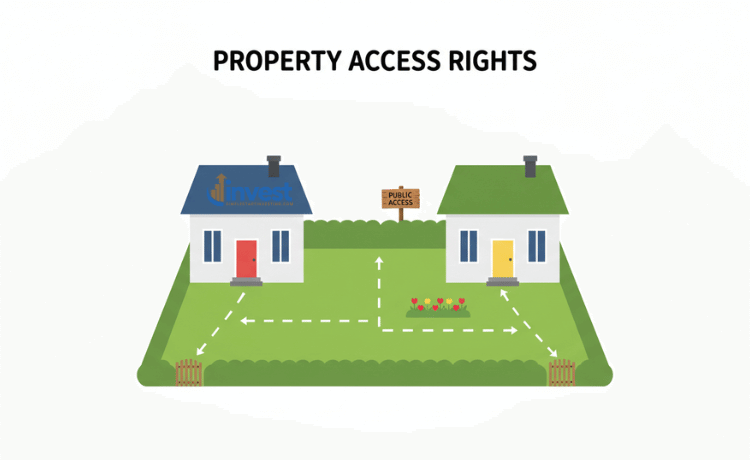
While a lien is about money, an easement is about access. An easement gives someone else the legal right to use a specific portion of your land for a specific purpose. You still own the land, but you cannot stop the easement holder from using it.
Easements are very common in the U.S. and are often necessary for modern life. However, they can limit what you can do with your own yard. You might own a two-acre lot, but an easement might prevent you from building a fence or a shed in certain areas.
A Real-World Example
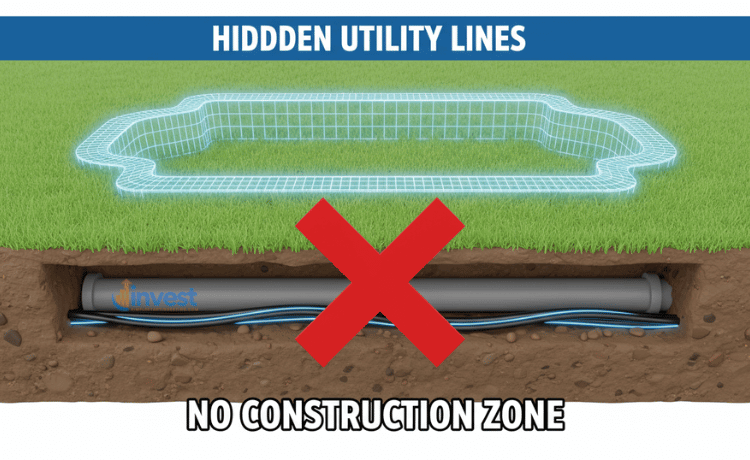
Suppose you purchase a home with a large, sunny backyard. You plan to build a massive in-ground swimming pool. After you move in, you discover there is a “Utility Easement” running across the back ten feet of your property for the local power company. Even though it is your land, the power company has the right to access that area to maintain power lines. You are legally forbidden from building a permanent structure like a pool or a brick wall over that easement. If you did, the utility company could tear it down at your expense to reach their lines.
The Beginner’s Mistake
New owners often think, “It’s my land, I pay the property taxes, so I can do whatever I want.” They see a patch of grass and assume it’s theirs to build on, not realizing that a legal document signed 40 years ago gave the neighbor or the city a permanent right to walk across it or bury pipes under it.
The Financial Reality
Easements can affect your property value. A “Prescriptive Easement” (where a neighbor has used a path across your yard for so long that it becomes legal) or a “Private Easement” (allowing a neighbor to use your driveway to reach their house) can make your home less attractive to future buyers. You need to know exactly where these boundaries are before you sign the closing papers.
How Easements Can Be Created
Easements don’t always appear on a simple deed. Sometimes they are created through long-term use or out of absolute necessity.
Easement by Necessity
This usually happens when a piece of land is “landlocked.” If a neighbor has no way to reach the public road without crossing your property, a court will likely grant them an easement by necessity. You cannot block their only exit and entry point, even if you hate having them drive across your land.
Easement by Prescription
This is a bit like “squatter’s rights” for access. If a neighbor uses a part of your land openly, continuously, and without your permission for a certain number of years (this varies by state but is often 7 to 20 years), they can claim a legal easement. This is why it is important to walk your property lines and ensure no one is “borrowing” your land without a formal agreement.
Public vs. Private Easements
- Public: Usually for the benefit of the community, like sidewalks or utility lines for water and electricity.
- Private: Usually between two neighbors, such as a shared wall in a townhouse or a shared driveway.
The Solution: Title Search and Title Insurance
How do you find these hidden issues? You don’t have to go to the courthouse and dig through dusty files yourself. This is where professional help becomes mandatory.
The Title Search Process
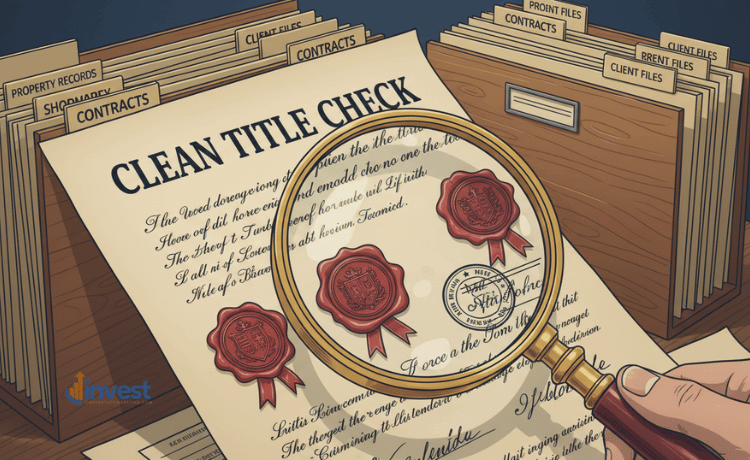
When you are under contract to buy a home, a title company or an attorney will perform a “Title Search.” They look through public records for the past several decades to find any recorded property liens and easements. They check for unpaid taxes, court judgments, and utility agreements.
If they find a lien, they will require the seller to pay it off before the closing. If they find an easement, they will list it in the “Preliminary Title Report” so you can decide if you still want to buy the house.
The Role of Title Insurance
Sometimes, even the best title searchers miss something. Maybe an old “Mechanic’s Lien” was filed in a different county by mistake, or a long-lost heir claims they own a portion of the land.
Title insurance is a one-time fee paid at closing that protects you from these “hidden” defects. If someone shows up three years later claiming they have a lien on your house, the insurance company pays the legal fees and the debt. For a beginner, skipping title insurance is one of the most dangerous financial moves you can make.
Why You Should Care Today
If you are planning to buy your first home or your first rental property, these issues can make or break your budget.
- Negotiation Power: If a title search reveals a tax lien, you can demand that the seller lower the price or pay the debt in full before you move forward.
- Future Planning: Knowing about easements prevents you from wasting thousands of dollars on architectural plans for a home extension or a garage that you aren’t legally allowed to build.
- Financial Safety: A house is likely your largest asset. If you “inherit” a 20,000 dollar lien, that is 20,000 dollars taken directly out of your pocket or your kids’ college fund.
Common Misconception: “The Bank Will Handle It”
Many beginners think that because they are getting a mortgage from a big bank, the bank will make sure everything is perfect. While the bank does require a title search to protect their investment, they are mostly concerned with making sure their mortgage lien is in the “first position.” They might not care about a small utility easement that ruins your plans for a garden. You must review the title report yourself to ensure your specific plans for the property are possible.
Correcting the Logic: The “Clean” Title Mindset
When you buy a piece of real estate, you aren’t just buying a physical structure; you are buying a “bundle of rights.”
- Old Logic: “I’m buying a house for 400,000 dollars.”
- New Logic: “I am paying 400,000 dollars for the right to use this land, and I need to verify that no one else has a claim to my money (liens) or a right to my space (easements).”
By approaching real estate with this mindset, you move from being a vulnerable novice to a savvy investor. Always ask your real estate agent for the “Title Commitment” early in the process and read every page of the “Exceptions” section. That is where the secrets are hidden.
Summary Checklist for Beginners
To ensure your dream home doesn’t turn into a legal nightmare, follow these steps during your purchase:
- Order a Professional Survey: A surveyor will physically mark your property lines and show you exactly where any recorded easements are located.
- Review the Preliminary Title Report: Don’t just file it away. Look for the words “Lien,” “Encumbrance,” or “Easement.”
- Ask About Unrecorded Liens: In some states, contractors have a window of time to file a lien even after you buy the house. Ask the seller for an “Affidavit of Title” stating that all recent work has been paid for.
- Get Owner’s Title Insurance: The bank’s insurance only protects the bank. You need your own policy to protect your equity.
Remember, laws regarding real estate can vary significantly from state to state. While these concepts apply across the U.S., the specific timelines for liens and the ways easements are recorded might differ in Florida versus California or Texas.
Note: Regulations regarding property law and taxes can change; please check current guidelines or consult with a legal or real estate professional in your specific state.
Disclaimer: This content is for educational purposes only and does not constitute financial or legal advice. Always consult with a qualified professional before making real estate decisions.