If you have ever spent an evening scrolling through real estate listings or watching home renovation shows, you have likely wondered how people actually make money in this game. Is it about getting a monthly check from a tenant, or is it about waiting years for the house to become worth a fortune?
The truth is that real estate profit usually comes down to two main concepts: cash flow and appreciation. While they might sound like fancy Wall Street terms, they are actually very simple once you peel back the layers. Think of it like owning a fruit tree. The cash flow is the fruit you pick and eat every season, while the appreciation is the tree itself growing bigger and more valuable over time.
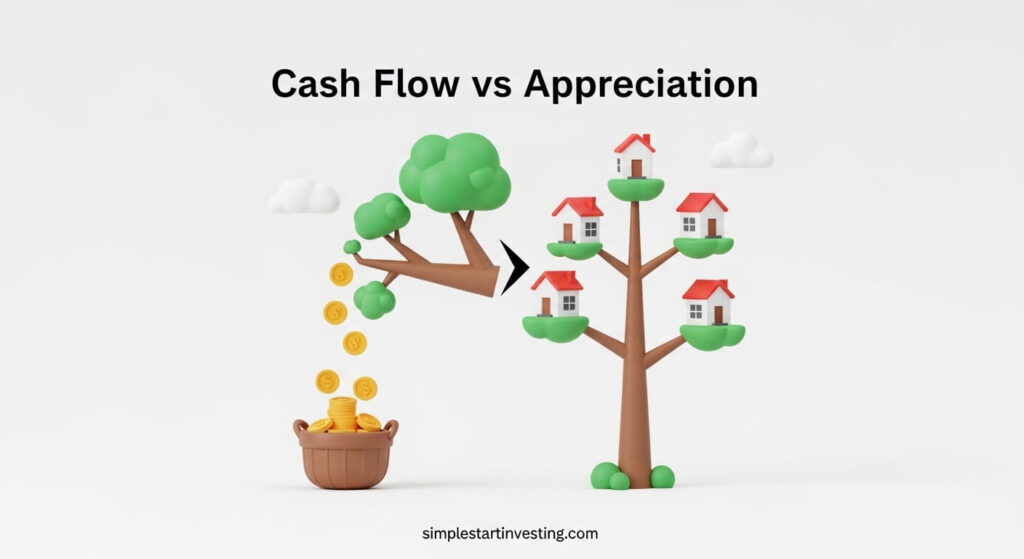
For a beginner, choosing between these two strategies is one of the most important decisions you will make. It dictates where you buy, what kind of house you look for, and how you manage your bank account. In this guide, we are going to break down both paths so you can decide which one fits your life and your goals.
What Exactly Is Cash Flow?
In the simplest terms, cash flow is the money that stays in your pocket at the end of every month after every single bill has been paid. It is the “profit” from the operations of your rental property.
When you own a rental house, your tenant pays you rent. However, that rent money is not all yours to keep. You have to pay the mortgage, the property taxes, the insurance, and the cost of fixing that leaky faucet in the middle of the night. If you collect 2,000 dollars in rent and your total expenses add up to 1,700 dollars, you have a positive cash flow of 300 dollars.
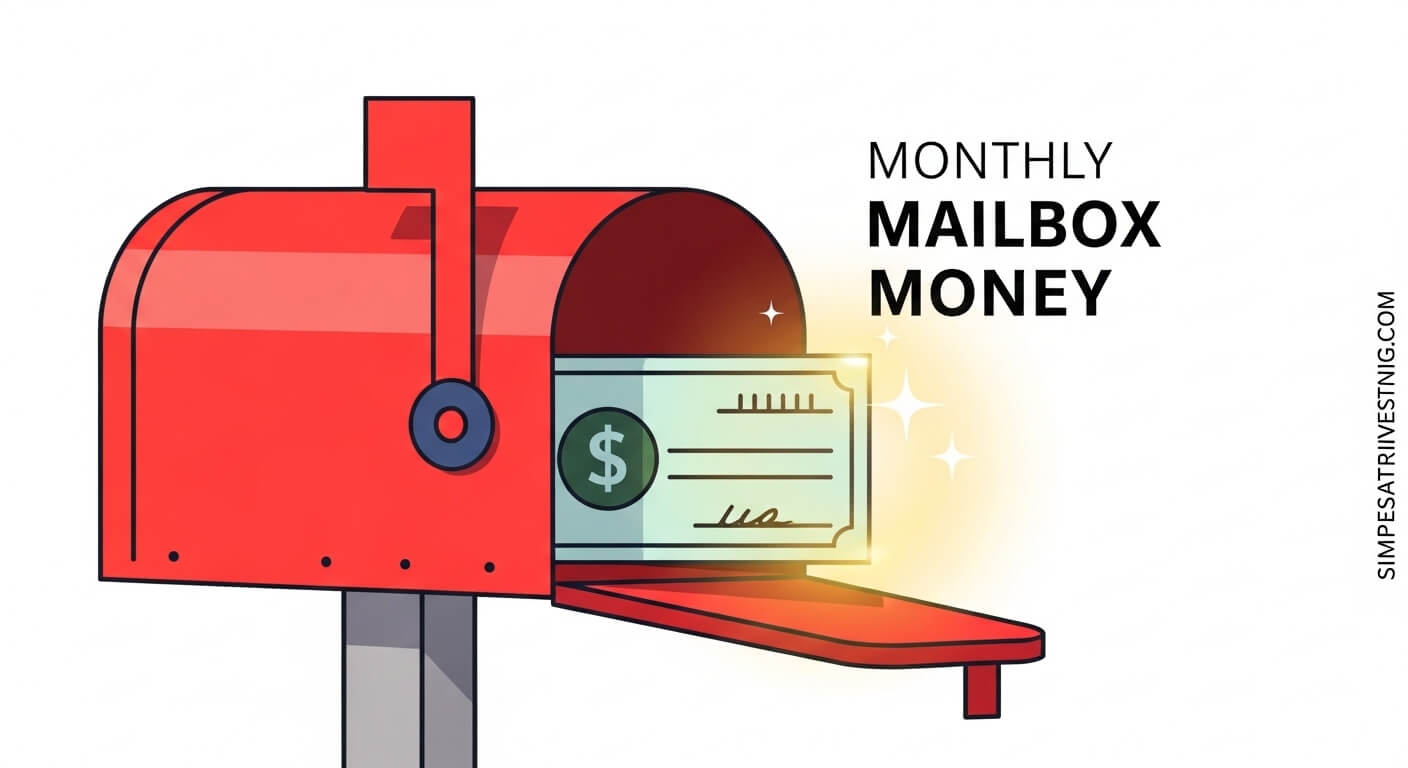
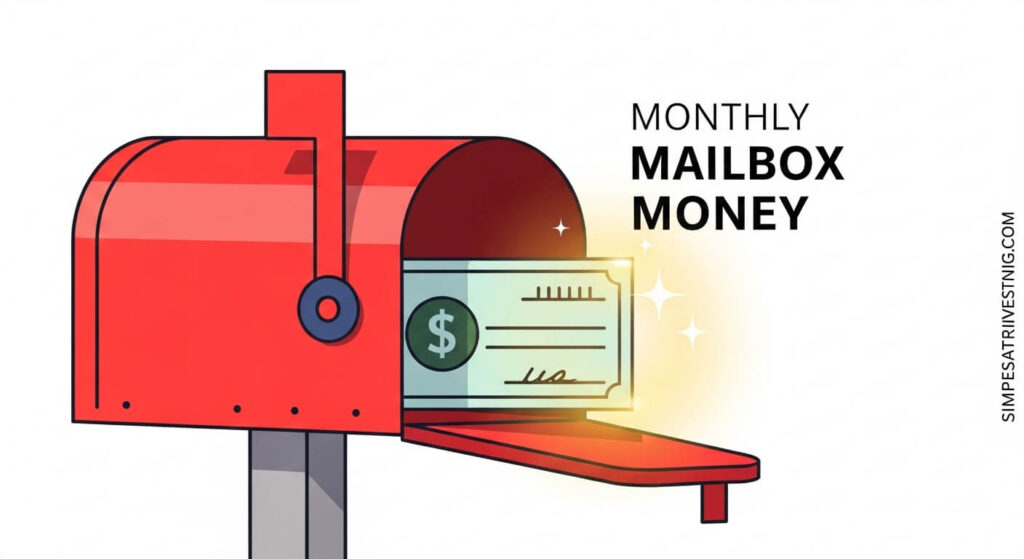
Many people call this “mailbox money” because, in a perfect world, you just walk to your mailbox, grab the check, and go about your day. It provides a steady, predictable stream of income that can help pay for your groceries, your car note, or even your retirement.
Why Beginners Love Cash Flow
Most people starting out in real estate profit strategies gravitate toward cash flow because it feels safe. There is a tangible reward every month. If you lose your job or face an emergency, that extra 300 dollars or 500 dollars from your rental property can be a literal lifesaver.
Cash flow also provides a “margin of safety.” If the economy takes a dip and the value of your house goes down, it does not necessarily matter as long as you have a tenant paying rent that covers your bills. You can afford to wait out the bad times because the property is paying for itself.
The Realistic Side of Monthly Income
It is important to remember that cash flow is rarely a straight line. Some months, you might have zero repairs. Other months, the air conditioner might break, or the tenant might move out, leaving the property empty for a few weeks.
Experienced investors always set aside a portion of their rent for these “rainy day” moments. If you spend every penny of your cash flow the moment you get it, you might find yourself in a tight spot when a big repair bill arrives.
Understanding Appreciation: The Long Game
Appreciation is the increase in the value of your property over time. If you buy a house this year for 300,000 dollars and five years from now it is worth 400,000 dollars, you have experienced 100,000 dollars in appreciation.
Unlike cash flow, you do not usually see this money in your bank account every month. It is “wealth on paper.” You only “realize” or actually get that money when you sell the house or when you take out a loan against the new value of the home.
There are two ways a house gains value:
- Market Appreciation: This happens when the neighborhood gets more popular, interest rates drop, or there simply are not enough houses for all the people who want to live there.
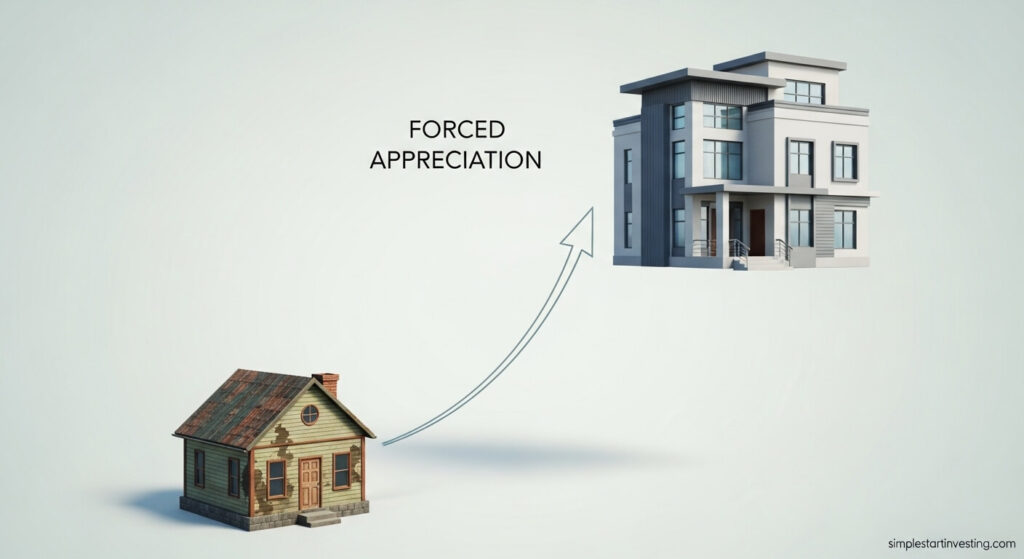
- Forced Appreciation: This is when you take a “fixer-upper” and make it better. By adding a new kitchen, finishing a basement, or adding an extra bedroom, you are “forcing” the value of the house to go up through your own hard work and investment.
The Power of Appreciation for Wealth Building
While cash flow helps you pay your daily bills, appreciation is often how people become truly wealthy. It is much easier to grow your net worth by 100,000 dollars through a rising housing market than it is to save 100,000 dollars one 200-dollar rent check at a time.
In many parts of the United States, especially in coastal cities or booming tech hubs, the price of homes has historically gone up significantly faster than the general cost of living. This has allowed many families to build massive amounts of equity simply by owning property in the right place at the right time.
The Risk of Banking on the Future
The biggest danger with appreciation is that it is never guaranteed. Markets can go up, but they can also go sideways or down. If you buy a property that loses money every month (negative cash flow) just because you hope it will be worth more later, you are essentially gambling. If the market crashes and you lose your job, you might be forced to sell the house at a loss because you cannot afford the monthly payments.
Comparing the Two: Which One Wins?
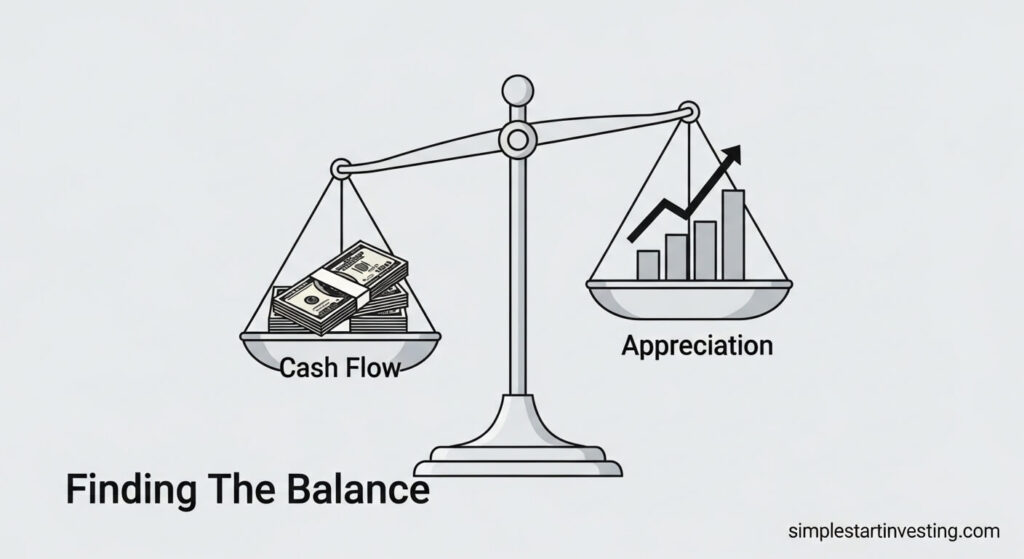
Choosing between cash flow and appreciation is not about finding which one is “better” in a vacuum. It is about what you need right now.
The “Cash Flow” Investor Profile
If you are looking to replace your 9-to-5 income or you want a supplement to your social security in retirement, cash flow is likely your priority. You will look for properties in “bread and butter” neighborhoods—places where people always need to rent, even if the house prices do not skyrocket. These are often modest homes in stable, middle-class areas.
The “Appreciation” Investor Profile
If you already have a high-paying job and you do not need an extra 200 dollars a month, you might focus on appreciation. You are looking to build a massive “nest egg” for twenty years down the road. You might buy in a trendy neighborhood or an area where a major company is building a new headquarters. You are okay with the rent barely covering the mortgage because you believe the land will be worth much more in the future.
Common Misunderstandings for Beginners
One of the biggest mistakes new investors make is thinking they have to choose 100% of one and 0% of the other. In reality, the best investments often have a bit of both.
Another common misunderstanding is the “Cash Flow Trap.” This happens when an investor finds a very cheap house in a rough neighborhood that looks like it will have huge cash flow. However, because the neighborhood is declining, the house loses value over time, and the “profit” is eaten up by constant repairs or tenants who do not pay.
On the flip side, people often fall into the “Appreciation Trap.” They buy a luxury condo in a flashy city, but the mortgage and fees are so high that they have to pay 500 dollars out of their own pocket every month to keep it. If the market does not go up as fast as they hoped, they are stuck losing money every single month.
How the Market Influences Your Strategy
The city you live in often dictates which strategy is easier to execute.
In some parts of the Midwest or the South, house prices are relatively low compared to what people pay in rent. These are often referred to as “Cash Flow Markets.” It is much easier to find a house where the rent significantly exceeds the mortgage.
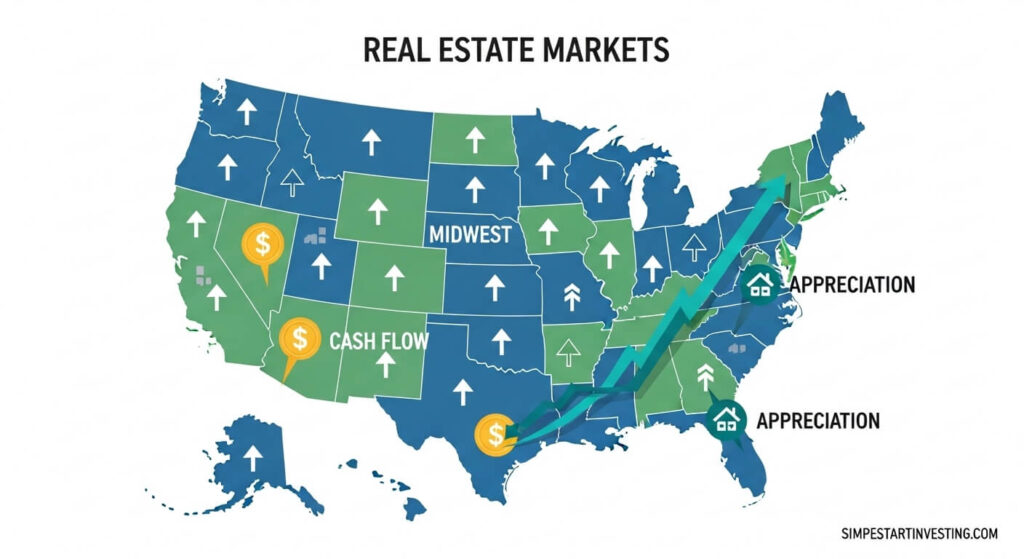
In places like San Francisco, New York, or Seattle, house prices are incredibly high. The rent usually does not cover the full cost of a mortgage for a new buyer. These are “Appreciation Markets.” Investors here are betting on the long-term desirability of the location rather than the monthly profit.
Tax Implications: A Brief Overview
It is worth noting that the IRS treats these two types of profit differently. Cash flow is generally treated as rental income. However, thanks to something called “depreciation” (a tax benefit where you can deduct the “wear and tear” of the building), many investors pay very little tax on their monthly cash flow.
Appreciation is usually taxed as “Capital Gains,” but only when you sell. If you hold a property for a long time, you can defer these taxes. There are even rules in the US tax code that allow you to sell a property and buy a new one without paying taxes immediately, which helps you grow your wealth even faster. It is always wise to check the current tax regulations as they can change from year to year.
Balancing Your Portfolio
As you grow in your journey of real estate profit, you might find that your needs change. A young professional might start with an appreciation-focused property to build wealth. As they get closer to retirement, they might sell that property and buy several cash-flowing houses to provide a steady income for their golden years.
The most successful investors are those who understand the “math” behind both. They don’t just look at the shiny kitchen; they look at the rental demand. They don’t just look at the monthly check; they look at the path of progress in the city.
Conclusion: Making Your First Move
There is no “wrong” choice between cash flow and appreciation as long as you understand the risks involved with each.
If you need peace of mind and stability, look for cash flow. If you have time on your side and a stable income, you might lean toward appreciation. The key is to start with a clear goal. Ask yourself: “Am I trying to pay my bills today, or am I trying to be wealthy in twenty years?”
Real estate is a marathon, not a sprint. Whether you are collecting small monthly wins or waiting for the big payday, the most important step is simply getting educated and making a plan that fits your personal financial situation.
Disclaimer: This content is for educational purposes only and does not constitute financial, legal, or tax advice. Real estate investing involves risk, and market conditions can change. Always consult with a professional advisor before making any investment decisions.