Imagine you just bought your first rental property. The paint is fresh, the tenant is settled in, and the monthly rent checks are rolling in right on time. You look at your bank account and think, “This is easy! I’m making 500 dollars in profit every single month.” You feel like a genius investor until two years later, in the middle of a brutal summer, the air conditioning unit dies.
Suddenly, you are staring at a bill for 6,000 dollars. Those two years of profit? Gone in a single afternoon. This is the reality for many new investors who don’t understand Rental Property CapEx. If you aren’t planning for these big-ticket items from day one, you aren’t actually running a profitable business; you are just waiting for an expensive surprise to ruin your day.
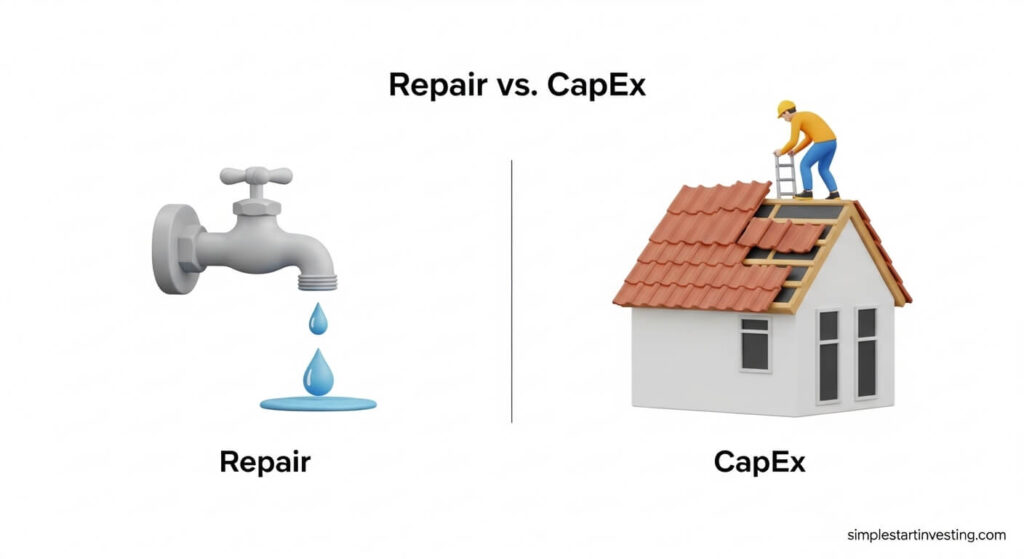
In the world of real estate, CapEx stands for Capital Expenditures. While it sounds like a fancy term used by corporate accountants, the concept is actually very simple. It refers to the big expenses that add value to your property or extend its life, like a new roof, a new driveway, or a full kitchen renovation. These are different from your monthly water bill or the 50 dollars you spent to fix a leaky faucet.
Understanding the Difference Between Repairs and CapEx
One of the biggest mistakes beginners make is grouping all house-related costs into one giant “maintenance” bucket. To manage your money like a pro, you have to separate them. Think of it like owning a car. Changing the oil and replacing a burnt-out headlight are regular repairs. Replacing the entire engine or the transmission is CapEx.
A repair is usually something small that fixes a specific problem to keep the property in its current working condition. If a tenant calls because the toilet is clogged, that is a repair. If a shingle blows off the roof during a storm and you pay a handyman 100 dollars to nail a new one down, that is a repair. These are expected, small, and usually happen frequently.
Rental Property CapEx, on the other hand, involves major systems that eventually wear out and need a full replacement. You don’t “repair” an old water heater forever; eventually, you have to buy a brand-new one. You don’t just keep patching a 30-year-old roof; eventually, you have to replace the whole thing. These expenses are large, infrequent, and they often cost thousands of dollars.
Why Beginners Often Ignore CapEx (And Why It’s Dangerous)
Most new investors fall into the trap of “cash flow blindness.” When they analyze a property, they look at the rent, subtract the mortgage, the insurance, and the taxes, and they think the leftover money is theirs to spend. They see 400 dollars in “extra” cash and use it to pay for their own car lease or a nice dinner out.
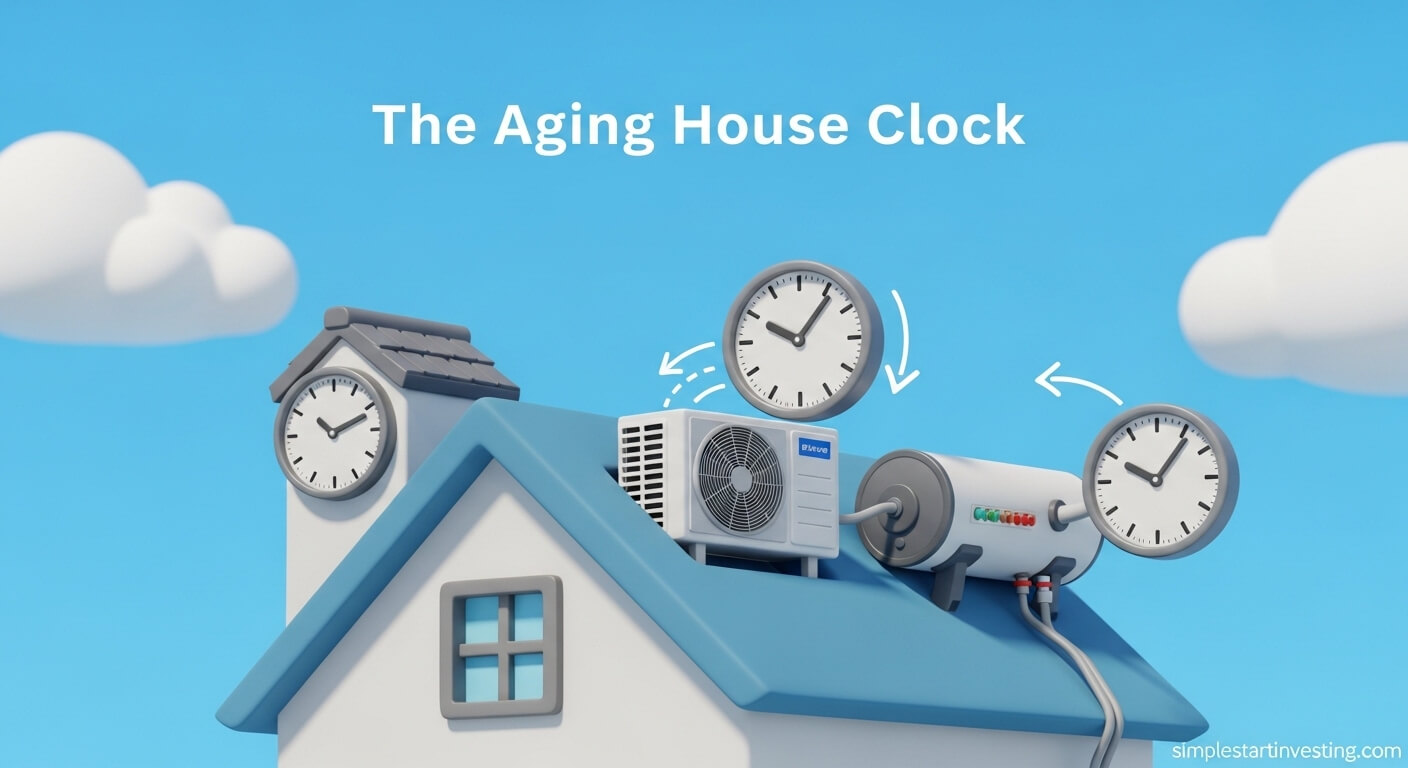
The problem is that a house is constantly aging. Every day that passes, the roof gets a little older, the furnace gets a little closer to its end, and the carpets get a little more worn out. Even though you aren’t writing a check for these things today, the “cost” is still happening in the background.
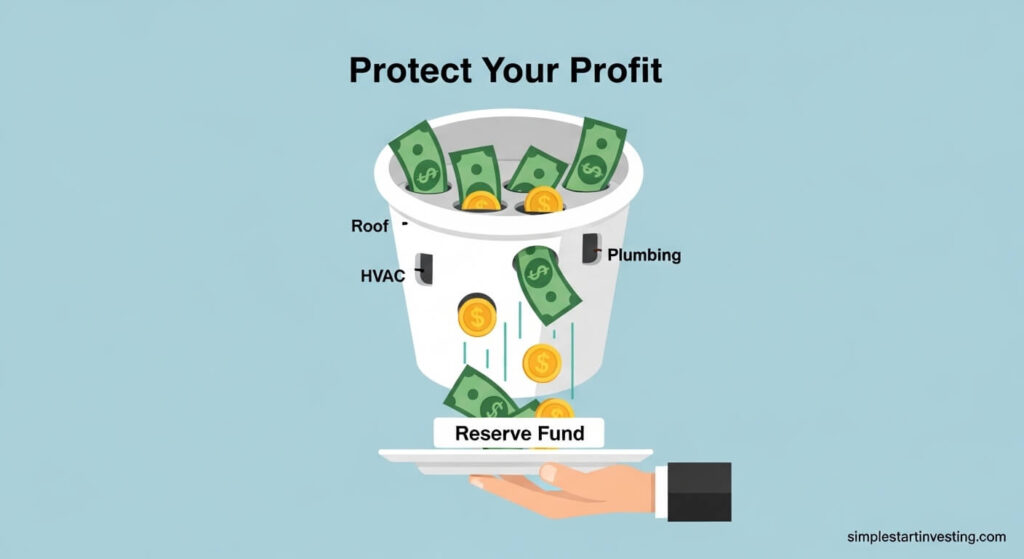
If you don’t set aside a portion of your rent every month for these future needs, you are essentially stealing from your future self. When that 10,000-dollar roof replacement finally becomes mandatory, many investors find themselves with no savings, forced to put the bill on a high-interest credit card or take out a personal loan. This can turn a great investment into a financial nightmare overnight.
How to Calculate Your CapEx Needs Without a Degree in Math
You don’t need a complicated spreadsheet to figure out how much to save. You just need to use a little bit of logic and historical data. There are two main ways beginners can handle this: the “Percentage Method” and the “Component Method.”
The Percentage Method is the easiest way to start. Most experienced landlords suggest setting aside between 5 percent and 10 percent of your total monthly rent for Rental Property CapEx. For example, if your house rents for 2,000 dollars a month, you should take 200 dollars of that and put it into a separate high-yield savings account specifically for big repairs.
You never touch this money for your personal life. You don’t even touch it to pay for small repairs. It sits there, growing month after month, until a major system fails. If you do this for five years, you will have 12,000 dollars saved up. When the HVAC system dies, you won’t panic because you already have the cash ready to go.
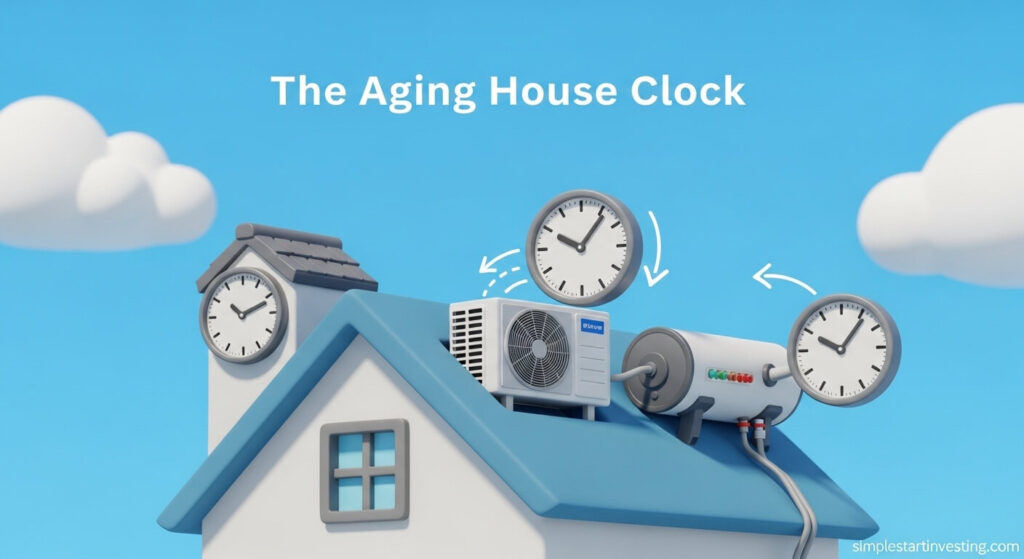
The Component Method is more precise. You look at the major parts of the house and estimate how much longer they will last. Let’s say you know a new roof costs 12,000 dollars and usually lasts 20 years. If the current roof is already 10 years old, you know you have about 10 years left. To be ready, you need to save 1,200 dollars a year, which is exactly 100 dollars per month just for the roof. You do this same logic for the appliances, the flooring, and the painting.
The Big Five: Common CapEx Items You Must Plan For
If you are wondering what exactly counts as a major expenditure, here are the “Big Five” that usually eat up an investor’s budget.
1. The Roof
This is usually the most expensive item. A standard shingle roof might last 20 to 30 years. If you buy a house with a roof that is already 25 years old, you need to be prepared to replace it almost immediately. Depending on the size of the house, this could cost anywhere from 8,000 dollars to 20,000 dollars.
2. HVAC Systems
The heating and air conditioning units are the heart of a home’s comfort. In the United States, these systems typically last 12 to 15 years. Replacing a full system, including the furnace and the outdoor compressor, usually costs between 5,000 dollars and 10,000 dollars.
3. Water Heaters
These are smaller than a roof but still count as Rental Property CapEx. A standard water heater lasts about 10 to 12 years. They are famous for failing at the worst possible time, like on a holiday weekend. Replacing one usually costs between 1,200 dollars and 2,000 dollars, including labor.
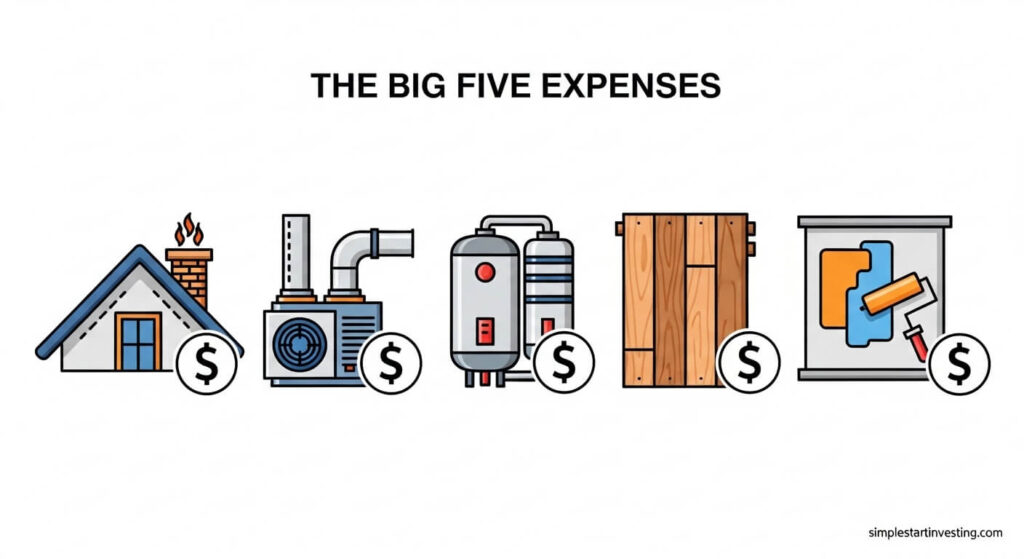
4. Flooring and Paint
While these might seem like cosmetic issues, they are major expenses when a tenant moves out. You might be able to clean a carpet a few times, but eventually, it needs to be ripped out and replaced. If you have a large home, putting in new vinyl plank flooring and giving every room a fresh coat of professional paint can easily cost 5,000 dollars or more.
5. Driveways and Siding
These are the “long-term” items. A driveway might last 30 years, and vinyl siding can last even longer. However, if they are neglected, they can hurt your property value and lead to bigger issues like water damage. These are massive projects that require significant savings.
The Tax Advantage: Why the IRS Cares About CapEx
One of the few “silver linings” of spending thousands of dollars on your property is how the IRS views these costs. For a normal repair, you can usually deduct the full cost from your taxes in the same year you spent the money. If you spend 200 dollars on a plumber, that 200 dollars lowers your taxable income for that year.
However, for Rental Property CapEx, the rules are different. Because a new roof adds value for many years, the IRS requires you to “depreciate” the cost over a long period—usually 27.5 years for residential property.
This means if you spend 27,500 dollars on a massive renovation, you don’t get a 27,500-dollar tax break this year. Instead, you get to deduct 1,000 dollars every year for the next 27.5 years. While this might seem frustrating because you want your money back now, it actually provides a steady tax shield that helps offset your rental income for decades.
Note: Tax laws can change, and there are specific “safe harbor” rules for smaller expenses under 2,500 dollars, so you should always check the current IRS guidelines or talk to a tax professional when filing.
How Understanding CapEx Makes You a Better Negotiator
Understanding these big expenses doesn’t just help you save; it helps you buy better properties. When you are walking through a potential investment house, you shouldn’t just look at the pretty kitchen cabinets. You should look at the age of the water heater and the condition of the roof.
If you see a house for sale and notice the furnace is 20 years old and the roof is sagging, you know that you will likely have to spend 15,000 dollars on Rental Property CapEx within the first year or two. You can use this knowledge to negotiate a lower purchase price.
Instead of paying full price and getting hit with a surprise bill later, you can say to the seller, “The house is great, but the major systems are at the end of their life. I need a 10,000-dollar credit to cover the upcoming replacements.” If the seller agrees, you’ve essentially let them pay for your future CapEx.
The Psychological Benefit of a Reserve Fund
Being a landlord can be stressful. The “midnight phone call” about a broken pipe is the stuff of nightmares for new investors. However, most of that stress comes from financial insecurity, not the actual repair itself.

When you have a dedicated Rental Property CapEx fund, your mindset changes. When a tenant calls to say the dishwasher has finally died after 15 years, you don’t get angry or worried about your personal bank account. You simply check your reserve fund, see that you have 3,000 dollars saved for “appliances and extras,” and you call the store to order a new one.
It turns a “disaster” into a simple business transaction. You are prepared. You are a professional. This peace of mind is worth every penny you set aside each month.
Common Misunderstandings About Capital Expenses
Many beginners think that if they buy a “turnkey” property or a brand-new house, they don’t need to worry about CapEx. This is a dangerous myth. While it’s true that a brand-new house won’t need a new roof for 25 years, the “clock” starts ticking the moment the house is finished.
If you don’t start saving from month one, you will be 25 years down the road with a house that needs 50,000 dollars in total renovations and zero dollars in the bank to pay for it. The best time to start saving for a new roof is the day the current roof is installed.
Another misunderstanding is thinking that insurance will cover these costs. Insurance is for “sudden and accidental” damage, like a fire or a tree falling on your house during a hurricane. Insurance does not pay for a roof that simply got old and started leaking. Maintenance and replacement of aging systems are 100 percent the owner’s responsibility.
Practical Steps to Start Your CapEx Plan Today
If you already own a rental property and haven’t been saving for Rental Property CapEx, don’t panic. The best time to start is now.
First, open a separate bank account. It should be separate from your personal checking and even separate from your main rental operating account. This makes it “out of sight, out of mind.”
Second, look at your last few months of rent. If you haven’t had a major disaster yet, take a portion of that “profit” you thought you had and move it into the new account as a “catch-up” contribution.
Third, set up an automatic transfer. Every time a rent check hits your account, have 10 percent of it automatically moved to your CapEx fund. If you do this, you will never feel the “loss” of the money because you never considered it yours to spend in the first place.
Final Thoughts for the New Investor
Real estate is one of the best ways to build long-term wealth, but it requires a business-like approach. You wouldn’t run a delivery business without saving money to replace the tires and engines on your trucks. You shouldn’t run a rental business without saving to replace the “parts” of your house.
By accounting for Rental Property CapEx from the very beginning, you ensure that your investment stays profitable, your property stays in good condition, and your stress levels stay low. You aren’t just a homeowner anymore; you are an asset manager. Treat your property with the respect it deserves, and it will take care of you for years to come.
Disclaimer: This content is for educational purposes only and does not constitute financial, legal, or tax advice. Regulations regarding taxes and property management can vary by state and change over time; always consult with a qualified professional for your specific situation.