Have you ever scrolled through your Instagram or TikTok feed only to feel a sudden pang of inadequacy? Maybe you saw an old high school friend posing in front of a brand-new Tesla or a lifestyle influencer unboxing a mountain of luxury shopping bags from Nordstrom. Suddenly, your perfectly functional car and your modest wardrobe feel “less than.”
This feeling has a name that every beginner investor needs to know: Financial FOMO, or the Fear Of Missing Out on a lifestyle that everyone else seems to be living. In today’s digital age, the “Joneses” aren’t just your next-door neighbors; they are millions of people across the globe showing off their best moments in high definition.
The pressure to keep up can be overwhelming, but it is often the single biggest hurdle to building real, lasting wealth. This guide will help you understand why your brain falls for these digital traps and how you can stay focused on your own financial journey without feeling left behind.
What Exactly is Financial FOMO?
In the simplest terms, Financial FOMO is the anxiety we feel when we see others spending money on things we don’t have. It is the voice in your head that says, “If they can afford a five-star vacation to Hawaii, why can’t I?” It pushes you to spend money you might not have, to buy things you don’t really need, just to prove to the world—and yourself—that you are doing “well.”
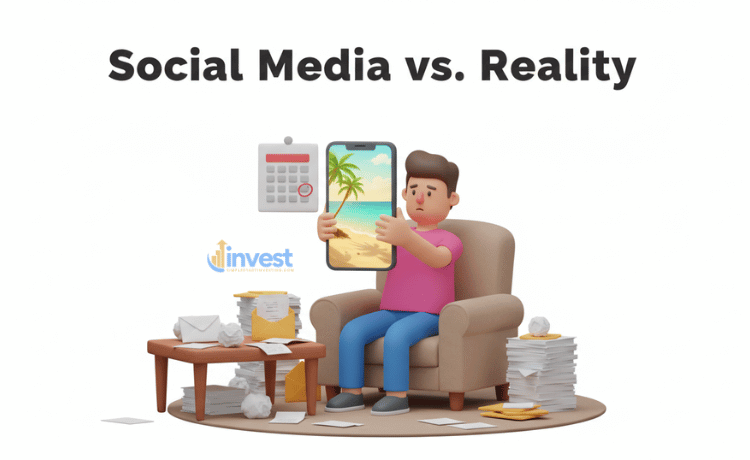
At its core, this is a psychological trap. Social media platforms are designed to show us the “highlight reels” of people’s lives. You see the shiny new boat, but you never see the high-interest loan statement that came with it. You see the designer shoes, but you don’t see the empty retirement account.
A Real-World Example of the Comparison Trap
Imagine you are scrolling through your feed and see a colleague post about their new 80,000 dollar SUV. You are currently driving a reliable sedan that is paid off. Suddenly, you start researching car loans. You feel like you need to upgrade because your current car feels outdated compared to what you see online.
The Common Beginner Mistake: Many beginners assume that if someone is spending a lot of money, they must be wealthy. They see high consumption as a sign of high net worth.
The Financial Reality: Spending money is the opposite of having money. If someone spends 80,000 dollars on a car, they have 80,000 dollars less than they had before. Often, that “wealthy” look is actually funded by debt. True wealth is the money you don’t spend—the money that is sitting in your brokerage account or your 401k, working for you.
The Mirage of the “Digital Flex”
In the United States, we live in a “flex culture.” To “flex” means to show off your success, usually through expensive purchases. Influencers on social media often rent private jets for an hour just to take photos, or they buy and return expensive clothing just for the “haul” video.
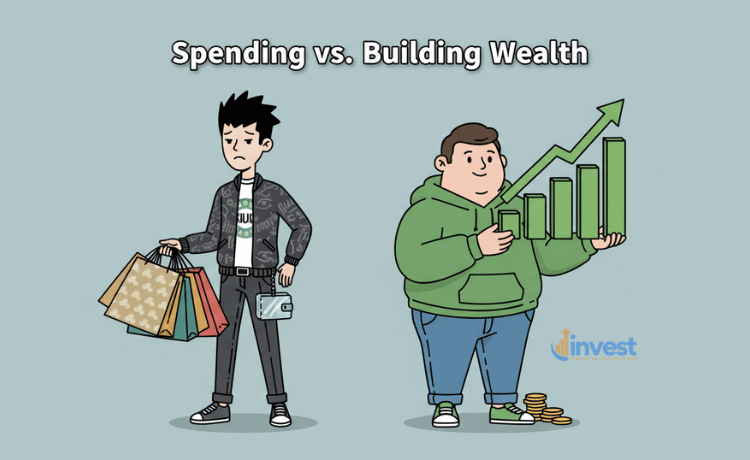
When you compare your real, everyday life to someone else’s manufactured digital image, you are fighting a losing battle. You are comparing your “behind-the-scenes” to their “on-stage performance.” This creates a distorted reality of what “normal” financial life looks like in America.
Understanding the Income vs. Wealth Gap
Let’s look at an example using two hypothetical people, Alex and Sarah.
Alex earns 150,000 dollars a year. He lives in a luxury apartment in downtown New York, wears designer clothes, and eats at the trendiest restaurants every night. He posts every meal and every outfit. By the end of the month, Alex has zero dollars left. His net worth is effectively zero.
Sarah earns 70,000 dollars a year. She lives in a modest apartment, cooks most of her meals, and drives a used car. She doesn’t post much on social media. However, she saves 1,000 dollars every month and invests it in a diversified portfolio of stocks like Walmart or Amazon.
The Common Beginner Mistake: Looking at social media, you would think Alex is the “winner” and Sarah is “struggling.”
The Financial Reality: Sarah is actually the one building wealth. Alex is one paycheck away from a total financial collapse. In ten years, Sarah’s consistent investing will likely grow into a massive nest egg, while Alex will still be on the “hedonic treadmill,” working harder and harder just to maintain his appearances.
Why Your Brain Wants You to Spend
Our brains are hardwired for social comparison. Thousands of years ago, being part of the “in-crowd” was a matter of survival. If you weren’t keeping up with the tribe, you might be left behind. Today, that instinct is triggered by “likes” and “comments.”
When you buy something new and post it online, your brain gets a hit of dopamine—a “feel-good” chemical. But that hit is temporary. Very soon, you’ll need to buy something else to get that same feeling again. This is why Financial FOMO is so dangerous; it’s an addiction to the temporary high of external validation.
The Opportunity Cost of the “Like”
Every dollar you spend to impress people you don’t even like is a dollar that cannot work for you. Let’s explain this with a simple logical step:
- Suppose you spend 1,000 dollars on a new designer bag because you saw a celebrity with one.
- That 1,000 dollars is now gone forever.
- If you had instead put that 1,000 dollars into a simple investment that grows by 7 percent a year, in thirty years, that single 1,000 dollars would have grown into more than 7,600 dollars.

By buying the bag today, you aren’t just spending 1,000 dollars. You are “spending” the 7,600 dollars that your future self could have had. This is called Opportunity Cost, and it is the secret language of the wealthy.
The True Cost of Keeping Up: Debt and Stress
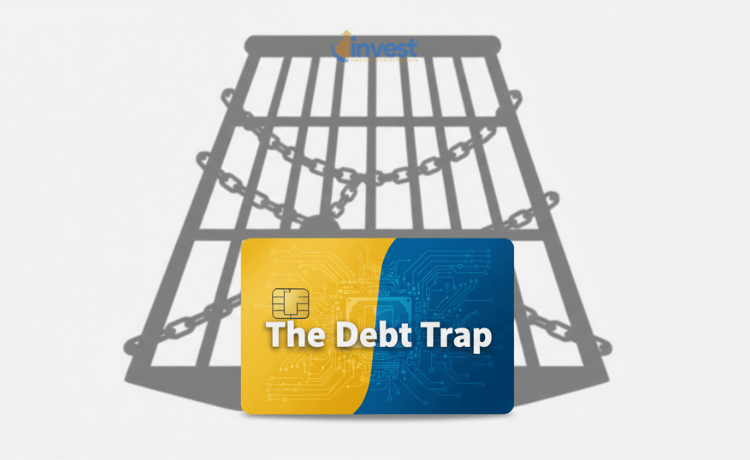
The most invisible part of social media is the debt. According to recent data, credit card debt in the U.S. has hit record highs. Much of this is driven by people trying to maintain a lifestyle they cannot afford.
When you see someone at a luxury resort, you don’t see the 25 percent interest rate they are paying on their credit card to be there.
The Math of Debt (Explained Simply)
If you use a credit card to buy a 2,000 dollar laptop but only pay the minimum amount each month, you aren’t just paying 2,000 dollars. Because of interest, by the time you pay it off, you might have paid a total of 4,000 dollars or more.
The Common Beginner Mistake: Thinking that “low monthly payments” mean something is affordable.
The Financial Reality: If you can’t pay for a luxury item in cash today, you cannot afford it. Using debt to fund a “lifestyle” is like building a house on sand. The moment the economy shifts or you lose your job, the whole structure will come crashing down. True financial peace comes from having a “buffer”—a savings account that protects you from the world, rather than a closet full of things that own you.
How to Protect Your Wealth from Financial FOMO
Now that we understand the problem, how do we fix it? Resisting the urge to spend isn’t about willpower alone; it’s about setting up systems to protect yourself.
1. Curate Your Digital Environment
You are the average of the content you consume. If your feed is full of “lifestyle” influencers, you will naturally feel the urge to spend.
- The Strategy: Unfollow or “mute” accounts that make you feel like your life isn’t good enough. Instead, follow accounts that focus on financial literacy, personal growth, or hobbies that don’t require spending money.
- Why it works: Out of sight, out of mind. If you don’t see the “new shiny thing,” you won’t want it.
2. The 24-Hour (or 30-Day) Rule
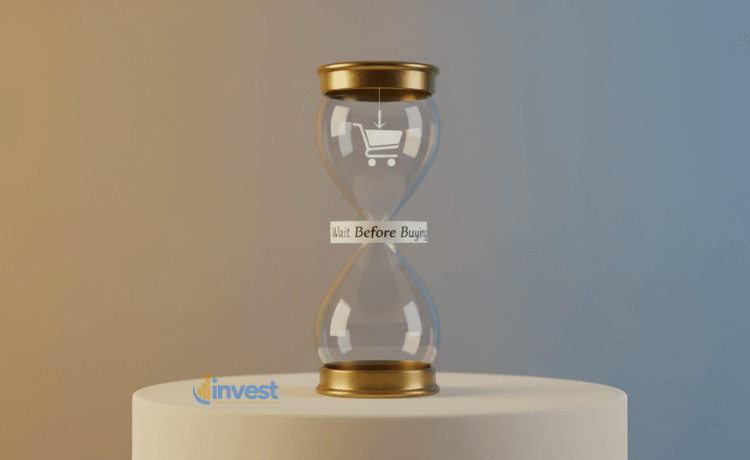
Most Financial FOMO purchases are impulsive. You see it, you want it, you click “Buy Now.”
- The Strategy: For any non-essential purchase over 50 dollars, wait 24 hours. For items over 500 dollars, wait 30 days.
- Why it works: The dopamine hit usually fades within a day. After 24 hours, you’ll likely realize you didn’t really need that item; you just liked the idea of it.
3. Focus on “Net Worth” Not “Net Image”
Start tracking your progress in private. Use a simple app or a notebook to record how much you have saved and invested.
- The Strategy: Celebrate when your savings account hits a new milestone, like reaching 1,000 dollars or 5,000 dollars.
- Why it works: This shifts your “dopamine hit” from spending money to saving money. It becomes a game where the goal is to grow your own security, not someone else’s opinion of you.
Shifting from Consumer to Owner
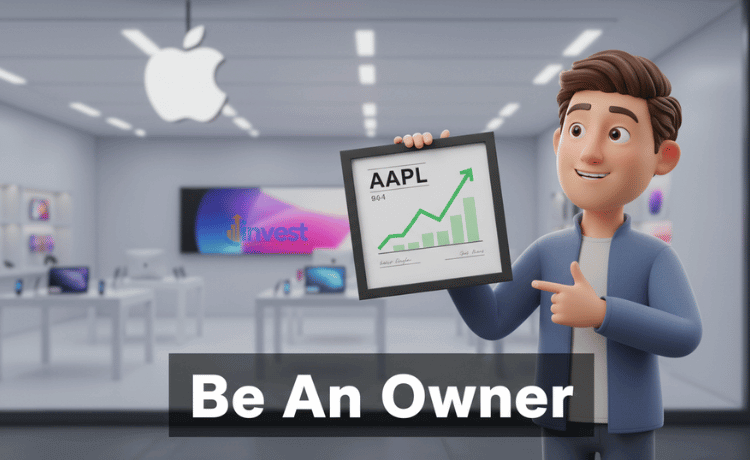
One of the most powerful ways to beat Financial FOMO is to change your mindset from being a “Consumer” to being an “Owner.”
When you see everyone rushing to buy the newest iPhone, don’t feel bad that you don’t have one. Instead, think like an investor. If you own shares of Apple (AAPL) in your brokerage account, every time someone else succumbs to FOMO and buys a phone, they are technically making you richer as a shareholder.
Example: The Coffee Comparison
Let’s say you see everyone posting photos of their 7 dollar custom Starbucks lattes every morning.
- The Consumer Mindset: “I need to buy that latte so I can feel fancy and post it too.”
- The Owner Mindset: “I’ll make my coffee at home for 50 cents. I’ll take that 6.50 dollars I saved and buy a fractional share of a company I use every day, like Costco or Disney.”
Over time, the consumer has a collection of old coffee cups and a smaller bank account. The owner has a growing portfolio that pays them back in the form of dividends or growth.
The Common Beginner Mistake: Thinking that small amounts don’t matter.
The Financial Reality: Consistency is the superpower of the beginner. A few dollars saved every day and put into a simple retirement account can grow into hundreds of thousands of dollars over a working career. The “Joneses” might have the fancy coffee today, but you will have the financial freedom tomorrow.
Your Financial Journey is a Solo Race
The biggest secret to financial happiness is realizing that you are not competing with anyone on your screen. You are only competing with who you were yesterday.
The goal isn’t to be “richer” than your neighbor; it’s to be “freer” than you were last year. Freedom means having enough in the bank to say “no” to a job you hate, or to stay home and care for a family member without worrying about the bills. You can’t buy that kind of freedom at a mall, and you certainly can’t find it by following the latest social media trend.
A Final Thought on Values
Take a moment to write down what truly matters to you. Is it travel? Is it a comfortable home? Is it retiring early? When you know your own values, Financial FOMO loses its power. If you value “Retiring at 50,” then seeing someone else buy a 100,000 dollar truck doesn’t bother you because you know that truck would delay your dream by three years.
You aren’t “missing out” on the truck; you are “opting in” to your freedom.
Conclusion: Take the Wheel
The digital world is designed to make you feel like you are behind. It is a constant stream of “more, more, more.” But you have the power to turn it off. By recognizing the signs of Financial FOMO, understanding the reality behind the “flex,” and focusing on becoming an owner rather than just a consumer, you are setting yourself up for a level of success that a social media post could never capture.
Remember, the goal of investing is to live a life that feels good on the inside, not one that just looks good on the outside. Stay focused on your path, keep your eyes on your own “bank statement,” and let the Joneses go into debt on their own.
Key Takeaways for Beginners:
- Social media is a highlight reel: People rarely post their debt or their financial failures.
- Wealth is invisible: You can’t see someone’s bank account by looking at their car.
- Wait before you buy: Use the 24-hour rule to kill impulsive spending.
- Be an owner, not just a consumer: Invest in the companies that everyone else is spending their money on.
- Your goal is freedom: Don’t trade your future security for a temporary “like” on a screen.
Disclaimer: This content is for educational purposes only and does not constitute financial, legal, or tax advice. Financial regulations and market conditions can change; please consult with a qualified professional or check current IRS and SEC guidelines before making significant financial decisions.