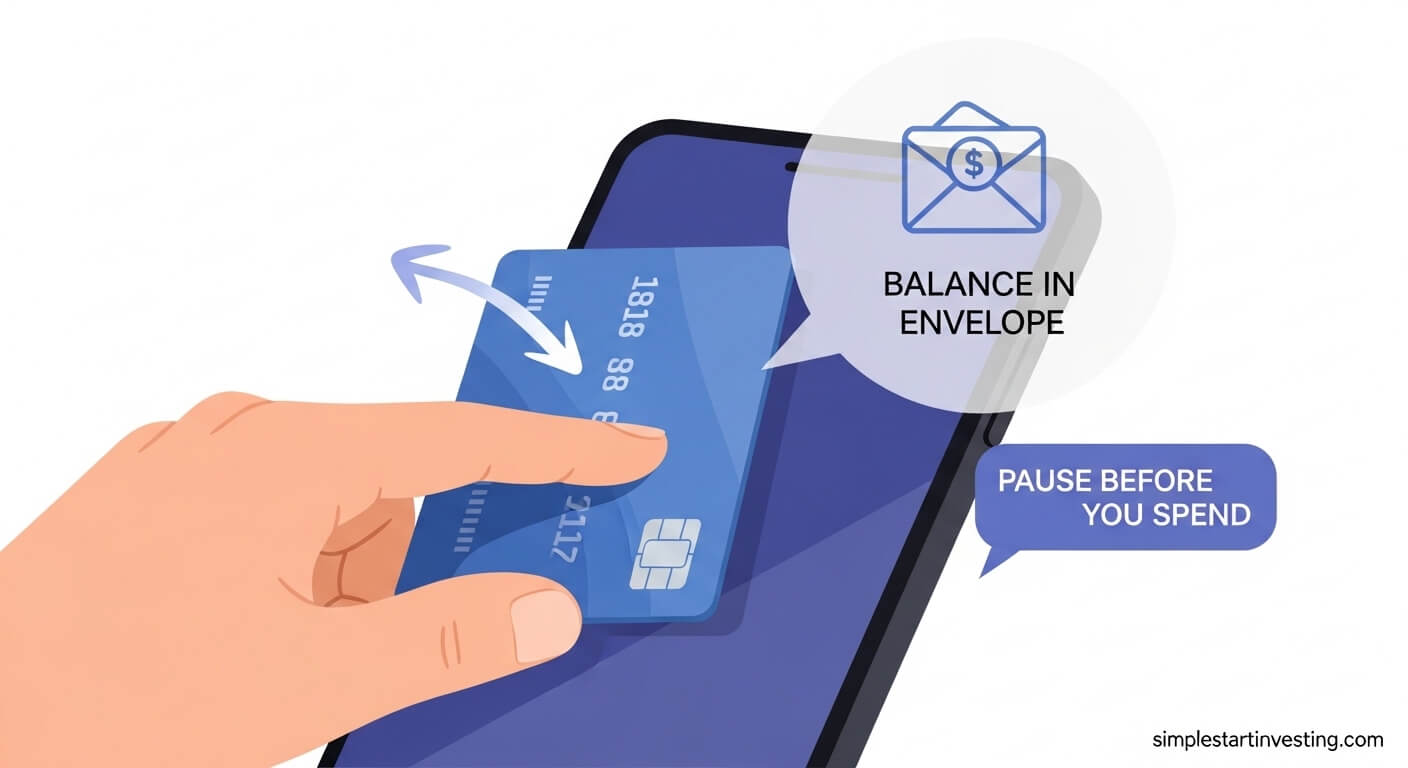
Have you ever reached the end of the month, looked at your bank balance, and wondered where all your money went? You aren’t alone. For many of us, swiping a plastic card or tapping a phone feels “free” in the moment. It doesn’t feel like you are losing anything until you see that low balance a week before payday.
Decades ago, people solved this with a simple trick called the cash envelope system. They would put physical cash into paper envelopes labeled “Rent,” “Groceries,” or “Gas.” When the envelope was empty, the spending stopped. It was a physical, visual way to see exactly how much life was costing in real-time.
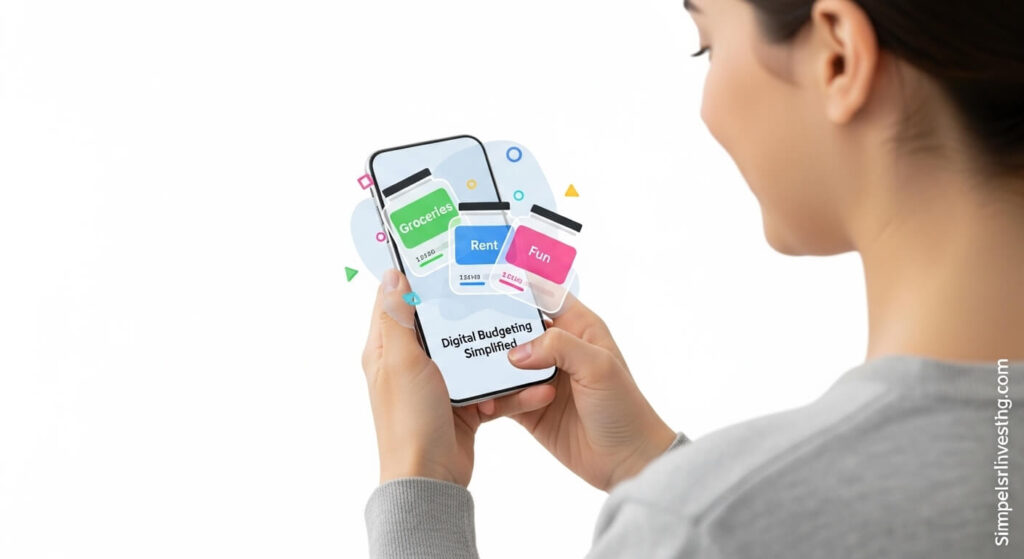
But we live in a world where physical cash is becoming rare. We shop online, pay bills through apps, and carry digital wallets. Carrying around a dozen paper envelopes stuffed with twenties isn’t just inconvenient; it’s risky. The good news is that you can still use this powerful logic today. By using a digital cash envelope system, you can gain total control over your money without ever touching a paper bill.
What Exactly is a Digital Cash Envelope System?
At its core, a digital cash envelope system is a method of partitioning your money into specific categories within your bank account or a dedicated app. Instead of having one giant “blob” of money in your checking account, you divide that money into virtual buckets.
Imagine your main bank account is like a large water tank. In a traditional setup, you just dip your bucket in whenever you need to buy something. You don’t really know how much water is left for “Rent” until the tank is almost dry. With a digital cash envelope system, you install dividers inside that tank.
Now, you have a section for groceries, a section for your car payment, and a section for your weekend fun. When you go to the store, you check the “Groceries” section. If there are 50 dollars left, that is your limit. This system gives your money a job before you have the chance to spend it on something impulsive.
Why Beginners Often Fail with Traditional Budgeting
Most people start budgeting by making a long list of what they plan to spend. They write down “300 dollars for food” on a piece of paper or a spreadsheet. The problem is that the spreadsheet doesn’t talk to your bank account. You go to the store, see a great deal on a new kitchen gadget, and buy it because your bank account says you have 2,000 dollars in it.
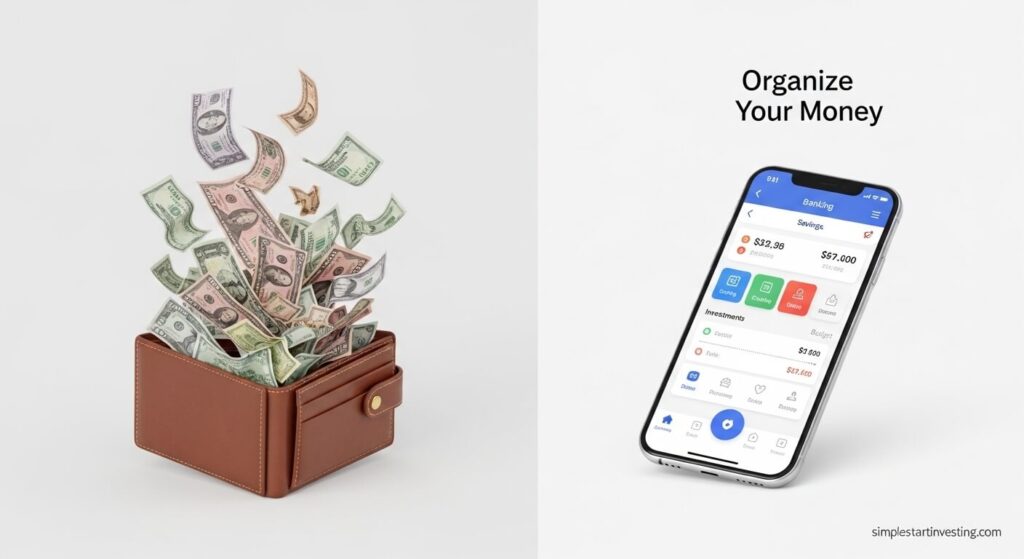
You forgot that 1,500 dollars of that “big number” is already spoken for by your rent and utilities. This is called the “Account Balance Illusion.” It makes you feel richer than you actually are. This is why beginners often get frustrated and quit after two months. They feel like they are “failing” at math, but they are actually just failing at organization.
A digital cash envelope system fixes this because it forces you to look at the specific category balance, not the total account balance. It moves the decision-making process from your “wants” to your “available funds.”
The Psychology of the “Digital Swipe”
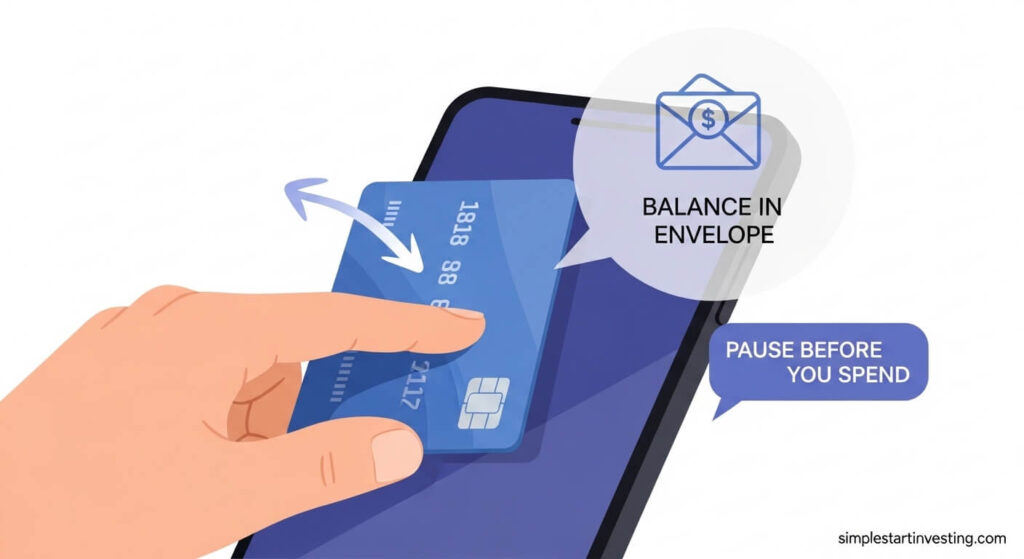
There is a psychological reason why we overspend with cards. When you hand over a 20 dollar bill, your brain registers a loss. You physically see the money leaving your hand. When you swipe a card, your brain doesn’t feel that same “pain of paying.”
By using a digital cash envelope system, you recreate that friction. When you have to open an app and see your “Dining Out” bucket drop from 50 dollars to 10 dollars because of one expensive lunch, it hurts a little. That small amount of mental friction is exactly what you need to stop making impulsive purchases.
It turns the “invisible” nature of digital money into something visible and limited. You start to treat your digital buckets with the same respect you would treat a physical envelope of cash sitting on your kitchen counter.
How to Set Up Your Digital Envelopes: A Step-by-Step Guide
You don’t need a degree in finance to start this. You just need a plan and a few minutes with your banking app. Here is how you can build your own digital cash envelope system starting today.
Step 1: The Spending Audit
Before you can create envelopes, you need to know how much to put in them. Look back at your last thirty days of spending. Don’t judge yourself; just look at the numbers. How much did you spend on food? How much was your electric bill?
If you spent 600 dollars on groceries last month, that is your starting point. You don’t want to set a goal that is too low right away, or you will get discouraged. If your goal is to save money, maybe you try to put 550 dollars in that digital envelope next month.
Step 2: Choose Your “Buckets”
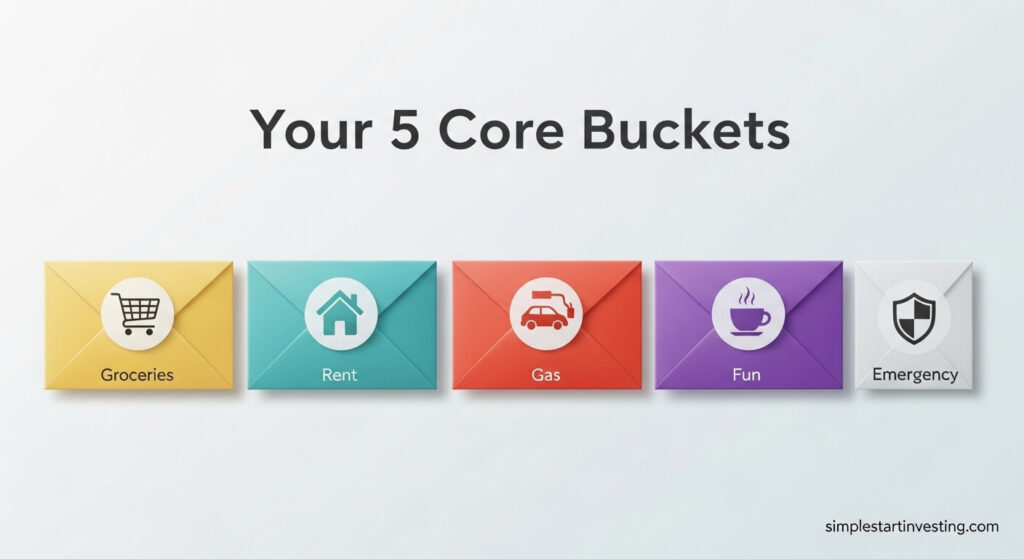
Start small. If you have too many categories, you will get overwhelmed. For a beginner, I recommend five core digital envelopes:
- Fixed Bills (Rent, Utilities, Insurance)
- Groceries
- Transportation (Gas, Tolls, Car Maintenance)
- Personal/Fun (Dining out, Movies, Hobbies)
- The “Safety Net” (Small emergencies)
Step 3: Pick Your Platform
There are two main ways to do this in the modern US market.
First, you can use “Neobanks” or modern online banks. Many of these banks (like Ally or SoFi) have a feature called “Buckets” or “Vaults.” This allows you to stay within one bank account but visually see your money divided into different piles. This is the easiest way for beginners because it happens right where your money lives.
Second, you can use specialized budgeting apps. Apps like YNAB (You Need A Budget) or Monarch Money are built specifically for the digital cash envelope system logic. These apps sync with your bank and let you “assign” every dollar to a category. When you spend money, the app automatically deducts it from the right envelope.
Step 4: The Payday Transfer
Every time you get a paycheck, you must give every dollar a job. If you receive 2,000 dollars, you immediately move portions of that money into your digital envelopes.
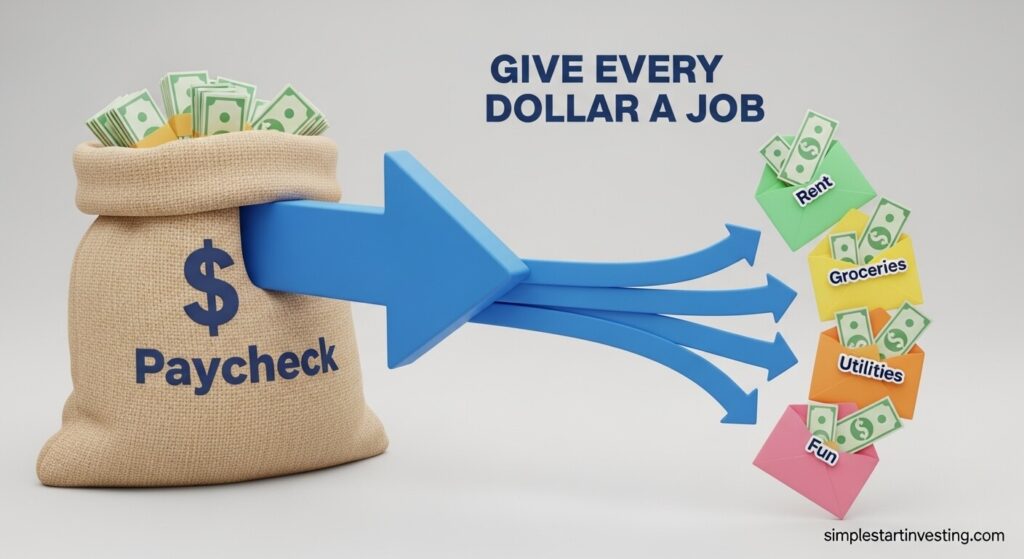
For example, if your rent is 1,200 dollars, you move that into the “Fixed Bills” bucket. If you want 400 dollars for groceries for the next two weeks, you move that into the “Groceries” bucket. You continue this until your main “Inflow” bucket is at zero. This is called Zero-Based Budgeting, and it is the secret to wealth building.
Correcting Common Misunderstandings
A big mistake people make is thinking that a digital cash envelope system is a “restriction.” It’s actually a “permission.”
When you have 100 dollars in your “Fun” envelope, you can spend that money completely guilt-free. You know that your rent is already covered in another bucket. You don’t have to do mental math at the movie theater. The money is there, it is yours, and it is specifically meant for that purpose.
Another misunderstanding is that you can’t change your mind. Life happens. If your car breaks down and you need an extra 50 dollars for a repair, you can “roll with the punches.” You take 50 dollars out of your “Fun” envelope and move it to your “Transportation” envelope. The system isn’t a prison; it’s a map. It just shows you that if you spend more on your car, you have less to spend on movies.
The Pitfalls: What to Watch Out For
While a digital cash envelope system is powerful, it isn’t magic. You still have to be honest with yourself. One common pitfall is the “Ghost Spend.” This happens when you spend money but forget to categorize it in your app or move it between buckets.
To avoid this, try to check your envelopes every evening for just two minutes. It’s like brushing your teeth for your finances. If you see a transaction that hasn’t been assigned to an envelope, do it right then.
Another pitfall is “Borrowing from the Future.” This is when you spend all your grocery money in the first week and then tell yourself you will “just use next month’s money.” This breaks the logic of the system. If you run out of money in an envelope, you must find another envelope to take it from now, not later. This forces you to realize the trade-offs you are making in real-time.
The Long-Term Benefits of This System
Using a digital cash envelope system does more than just stop overspending. It builds a “money muscle” in your brain. Over time, you will start to intuitively know how much things cost and how much you can afford.

Most people who stick with this system for six months report a massive drop in financial stress. They no longer worry about whether a check will bounce or if they can afford a holiday gift. They simply look at their envelopes. If the money is there, they are good to go.
This clarity allows you to start thinking about the bigger picture. Once you have mastered your monthly spending, you can start creating digital envelopes for bigger goals, like a “House Down Payment” or a “Dream Vacation.” The same logic that helps you buy milk today will help you buy a home five years from now.
Transitioning to the Digital World
If you are someone who currently uses physical cash, transitioning to a digital cash envelope system might feel strange at first. You might miss the feeling of the paper. However, the benefits of digital tracking—like seeing charts of your spending or having your “envelopes” protected by bank-level security—are worth the switch.
You can also automate the process. Most modern US banks allow you to set up automatic transfers. You can tell your bank to automatically put 50 dollars into your “Emergency Fund” bucket every Friday. This takes the “willpower” out of the equation. You are saving money while you sleep.
Getting Started Today
You don’t need to wait for the first of the month to start. You can start your digital cash envelope system right now with whatever money is currently in your account.
- Open your bank app.
- Look at your balance.
- Decide how much of that balance needs to be “saved” for your next big bill.
- Mentally (or through an app feature) label the rest for your daily needs.
The moment you stop looking at your bank account as one big pile of money and start seeing it as a collection of specific purposes, your relationship with money will change forever.