Have you ever sat at an airport gate, watching people board the first-class cabin, and wondered how they afford those 10,000-dollar seats? Or maybe you have a friend who always seems to be booking “free” vacations to Hawaii or Europe. Most of the time, they aren’t millionaires. They are likely using a strategy called credit card rewards to turn their everyday expenses into high-value perks.
If you are just starting out, the world of points, miles, and “travel hacking” can feel like a confusing maze. You might be worried about credit card debt, or perhaps you feel like the system is rigged. The truth is, for a responsible spender, credit card rewards are one of the few “free lunches” left in the American financial system.
In this Credit Card Rewards 101 guide, we are going to strip away the jargon. We will look at how these rewards actually work, why the banks give them away, and—most importantly—how you can use them safely to improve your life without falling into the debt trap.
What Are Credit Card Rewards Exactly?
At its simplest level, a credit card reward is a small kickback that a bank gives you for using their card to buy things. Every time you swipe your card at a grocery store or a gas station, the merchant (the store) pays a small fee to the bank to process that transaction. To encourage you to keep using their card instead of a competitor’s, the bank shares a piece of that fee with you in the form of rewards.
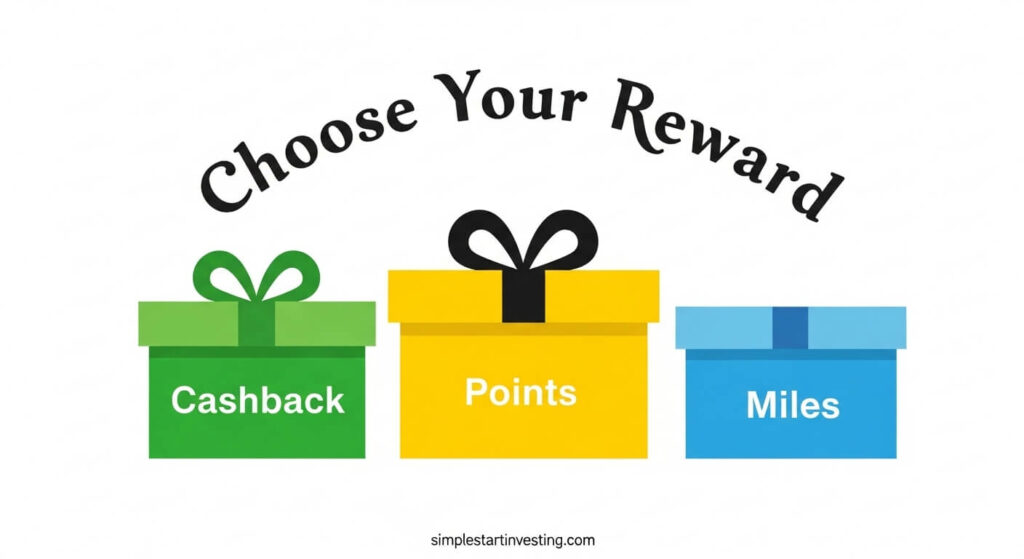
These rewards generally fall into three main buckets:
- Cashback: This is the most straightforward. You spend money, and you get a percentage of it back as a statement credit or a deposit into your bank account.
- Points: These are “bank currencies” like Chase Ultimate Rewards or American Express Membership Rewards. They are flexible and can be used for travel, gift cards, or even shopping.
- Miles: Usually tied to a specific airline or hotel chain. You earn these to redeem for free flights or “award stays” at hotels.
For a beginner, it is helpful to think of these rewards as a discount on your life. If you have to buy groceries anyway, getting 2% or 3% back on that purchase is essentially a permanent coupon on everything you buy.
Why Do Banks Give Away “Free” Money?
It is natural to be skeptical. Why would a massive bank give you a free flight to Paris just for buying your morning coffee? There are two main reasons.
First, the credit card industry in the United States is incredibly competitive. Banks like Chase, Amex, and Capital One are fighting for your loyalty. They know that once you put a specific card in your wallet and set up your “autopay,” you are likely to keep using that card for years.
Second, the banks are betting that some people will be irresponsible. The “rewards” are funded by the fees merchants pay, but the massive profits for banks come from the interest paid by people who carry a balance. This is the “trap” we must avoid. The goal is to be the customer the bank loses money on—the one who collects the rewards but never pays a dime in interest.
The Most Common Misconception: “Rewards Are Free Money”
This is where many beginners get into trouble. If you view credit card rewards as “free money,” you might find yourself spending more than you usually would just to “earn more points.”
Imagine you see a special offer: “Earn 5% cashback on all electronics this month.” If you go out and buy a 1,000-dollar TV that you didn’t need just to get that 50 dollars back, you haven’t “made” 50 dollars. You have spent 950 dollars that was previously in your savings account.
True credit card rewards success comes from “organic spending.” This means you only use the card for things you were already going to buy, like electricity bills, gas, and food. If you change your spending habits to chase rewards, the bank wins, and you lose.
Understanding the “Interest Trap” Logic
Let’s look at why paying interest ruins the entire rewards game. Most rewards cards have a high Interest Rate (APR), often between 20% and 30%.
Suppose you spend 1,000 dollars on a “rewards” card and you earn 2% cashback. That gives you 20 dollars in rewards. However, if you don’t pay that 1,000 dollars off in full at the end of the month and instead carry the balance, the bank might charge you 25 dollars in interest for that month.
In this scenario, you “earned” 20 dollars but “paid” 25 dollars. You are now at a 5-dollar loss. If you keep carrying that balance, the interest will snowball, and those “free” rewards will become the most expensive points you’ve ever owned. This is why the number one rule of credit card rewards is to pay your statement in full every single month.
The Three Main Types of Rewards Cards
Before you apply for a card, you need to know which “flavor” of rewards fits your lifestyle. Not every card is built for every person.
1. Cashback Cards
These are the kings of simplicity. If you don’t want to spend hours researching flight routes or hotel categories, cashback is for you.
- Flat-rate cards: These give you a fixed percentage (like 1.5% or 2%) on every single purchase, regardless of where you shop.
- Category cards: These give you higher rewards (like 3% or 5%) on specific things like groceries, gas, or dining, but lower rewards on everything else.
2. Travel Points (Flexible Points)
These are slightly more complex but offer more “value.” Banks have their own points systems. The beauty of these points is their flexibility. You can use them like cash to book a flight through the bank’s portal, or you can “transfer” them to an airline partner (like United or Delta). This is often how people get those expensive first-class seats. One point might be worth 1 cent if you use it for cashback, but it could be worth 2 or 3 cents if you transfer it to an airline for a high-value flight.
3. Co-Branded Cards (Airlines and Hotels)
These cards have a specific brand name on them, like “Marriott” or “Delta.” You earn rewards specifically for that brand. These are great if you are loyal to one airline or stay at the same hotel chain every time you travel. They often come with perks like free checked bags or “late checkout” at hotels.
The Power of the Sign-Up Bonus (SUB)
If you are wondering how people earn enough points for a whole vacation in just a few months, the secret is the Sign-Up Bonus.
When you open a new rewards card, the bank will often offer a massive “welcome bonus” if you spend a certain amount of money within the first three months. For example, a card might offer “60,000 points if you spend 4,000 dollars in the first three months.”
For a typical household, 4,000 dollars over three months is just the cost of groceries, insurance, and utilities. By putting those existing expenses on the new card, you “unlock” a bonus that might be worth 600 to 1,000 dollars in travel. This is the fastest way to build a “point fortune.”
How Rewards Affect Your Credit Score
A common fear is that opening credit cards will ruin your credit score. In the United States, the relationship between cards and your score is a bit more nuanced.
When you apply for a new card, your score will typically take a tiny, temporary “hit” (usually about 5 points) because the bank does a “hard inquiry.” However, in the long run, having more credit cards can actually increase your score.
Why? Because your score is heavily based on “Credit Utilization.” This is the ratio of how much money you owe compared to your total credit limit. If you have a 1,000-dollar limit and you spend 500 dollars, you are using 50% of your credit. But if you open a second card and your total limit becomes 10,000 dollars, that same 500-dollar spend is now only 5% of your limit. A lower utilization percentage makes you look “safer” to lenders.
Choosing Your First Rewards Card: A Step-by-Step Approach
If you are a total beginner, don’t try to get the most “exclusive” or “fancy” card right away. Start with a foundation.
Step 1: Check Your Credit Score
Most “good” rewards cards require a credit score in the “Good” to “Excellent” range (usually 670 or higher). If your score is lower, you might need to start with a basic “starter” card or a “secured” card to build your history first.
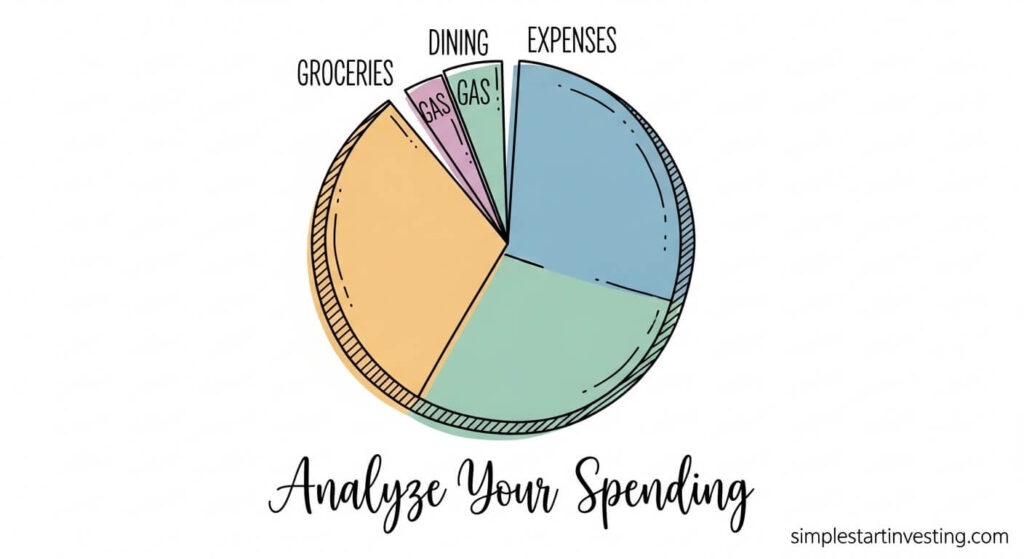
Step 2: Analyze Your Spending
Look at your bank statements from the last three months. Where does your money go?
- If you spend a lot on dining and streaming, look for a card that rewards those categories.
- If you spend most of your money at Walmart or Costco, be careful—many “grocery” category cards actually exclude “superstores” or “wholesale clubs.” You might be better off with a flat-rate 2% cashback card.
Step 3: Decide on an Annual Fee
Some cards are “free” (no annual fee), while others cost 95 dollars, 250 dollars, or even 695 dollars per year. As a beginner, a no-annual-fee card is the safest place to start. You can keep it forever without it costing you anything, which helps the “age of accounts” on your credit report. Only pay an annual fee if the perks (like a 300-dollar travel credit or a free hotel night) clearly outweigh the cost of the fee.
Common Mistakes Beginners Make (And How to Avoid Them)
Even with the best intentions, it is easy to trip up. Here are the pitfalls to watch out for:
- Redeeming Points for “Stuff”: Most reward programs allow you to use points to buy products on Amazon or from a catalog. Don’t do this. Usually, your points are worth much less when used this way (often only 0.5 cents per point). You are almost always better off taking the cash or using them for travel.
- Missing the Minimum Spend: If you get a card with a sign-up bonus that requires 3,000 dollars of spending in three months, and you only spend 2,999 dollars, you get nothing. Always track your spending and give yourself a “buffer” of a few hundred dollars to account for any returns or credits.
- Paying “Fees” to Earn Points: Some services (like rent or taxes) allow you to pay by credit card but charge a 2.9% “convenience fee.” If your card only earns 1.5% back, you are paying the service more than you are earning in rewards. Only pay fees if you are trying to hit a large sign-up bonus.
- Closing Old Cards Rashly: If you have a “no-fee” card that you don’t use anymore, don’t just close it. The length of your credit history matters. Instead, put a small recurring charge (like a 5-dollar subscription) on it and set it to autopay to keep the account active and help your credit score.
The Strategy for “Safe” Rewards
To wrap this all up, let’s look at the “Simple Start” strategy for managing rewards without stress.
- Set up Autopay: Immediately set your card to pay the “Full Statement Balance” automatically every month. This ensures you never pay interest and never have a late fee.
- Use it like a Debit Card: Only swipe the card if you already have the cash in your checking account to cover it. If you wouldn’t buy it with cash, don’t buy it with the card.
- One card at a time: Don’t open five cards at once. Start with one, learn how the portal works, understand the categories, and build your habits.
- Keep it simple: For many people, a simple 2% cashback card on everything is the “Goldilocks” solution. It is better than a complicated 5% card that you forget to use correctly.
The IRS and Your Rewards
A final bit of good news for those in the United States: the IRS generally treats credit card rewards as a discount on a purchase rather than “income.” This means that in most cases, you do not have to pay taxes on the cashback, points, or miles you earn from your spending.
(Note: This is different from “referral bonuses” where a bank pays you for getting a friend to sign up. Those are sometimes considered taxable income, and the bank might send you a Form 1099-MISC at the end of the year. But for your own spending? It’s tax-free.)
Credit card rewards aren’t a way to get rich, but they are a way to make your money work harder for you. By being disciplined, paying in full, and choosing the right card for your lifestyle, you can start turning your daily coffee and weekly grocery trips into your next vacation.