You finally did it. After weeks of thinking about it, you started that side gig. Maybe you are driving for a ride-share app on the weekends, selling custom crafts on Etsy, or picking up freelance writing projects after your 9-to-5. That first “extra” paycheck hits your bank account, and it feels like found money.
The immediate temptation is to treat yourself. A fancy dinner, those shoes you’ve been eyeing, or a new gadget seems like a fair reward for your hard work. But if you want that extra effort to actually change your life, you need a plan. This is where the Side Hustle Rule comes into play.

Most people use their side income to inflate their lifestyle. They earn more, so they spend more. Before they know it, they are working 60 hours a week but their bank account looks exactly the same. The Side Hustle Rule is designed to break that cycle and turn your spare time into a powerful engine for wealth.
What Exactly is the Side Hustle Rule?
The Side Hustle Rule is a simple but strict boundary you set for your finances. It states that extra income from a secondary source should never be used for your basic living expenses. Instead, every dollar earned outside your primary job is dedicated to a specific financial milestone—like killing debt, building an emergency fund, or investing for retirement.
Think of your primary job as the “Stability Engine.” It pays for the rent, the groceries, the utilities, and your basic insurance. Think of your side hustle as the “Accelerator.” Its only job is to move you toward your big goals faster than your 9-to-5 ever could.
By separating these two, you protect yourself from the most common financial trap in America: lifestyle creep. When you keep your living standards tied to your main salary, your side hustle becomes a pure profit machine for your future self.
Why Beginners Often Get It Wrong
If you are new to the world of “gig work” or freelancing, it is very easy to misunderstand how this money works. The biggest mistake is viewing side hustle money as “bonus cash.”
When we get a birthday check or a small refund, our brains treat it differently than the money we worked for at our desk. This is called mental accounting. We feel more “allowed” to waste it. However, side hustle money is still your hard-earned time.
Another common error is forgetting about the tax man. Unlike a W-2 job where your employer takes taxes out of your check automatically, side hustles usually pay you the “gross” amount. If you earn 1,000 dollars from a side gig, you don’t actually own 1,000 dollars. A portion of that belongs to the IRS. Beginners who spend the whole check often face a painful surprise when April rolls around.
Finally, many people start a side hustle without a “destination” for the money. Without a specific goal, the money tends to evaporate into small, mindless purchases. Five dollars for a coffee here, twenty dollars for a movie there, and suddenly, three months of extra work has resulted in nothing but more receipts.
Step 1: Solving the Tax Puzzle First
Before you can apply the Side Hustle Rule, you have to know how much money you actually have. In the United States, if you earn more than 400 dollars from self-employment, you are generally required to pay self-employment tax.
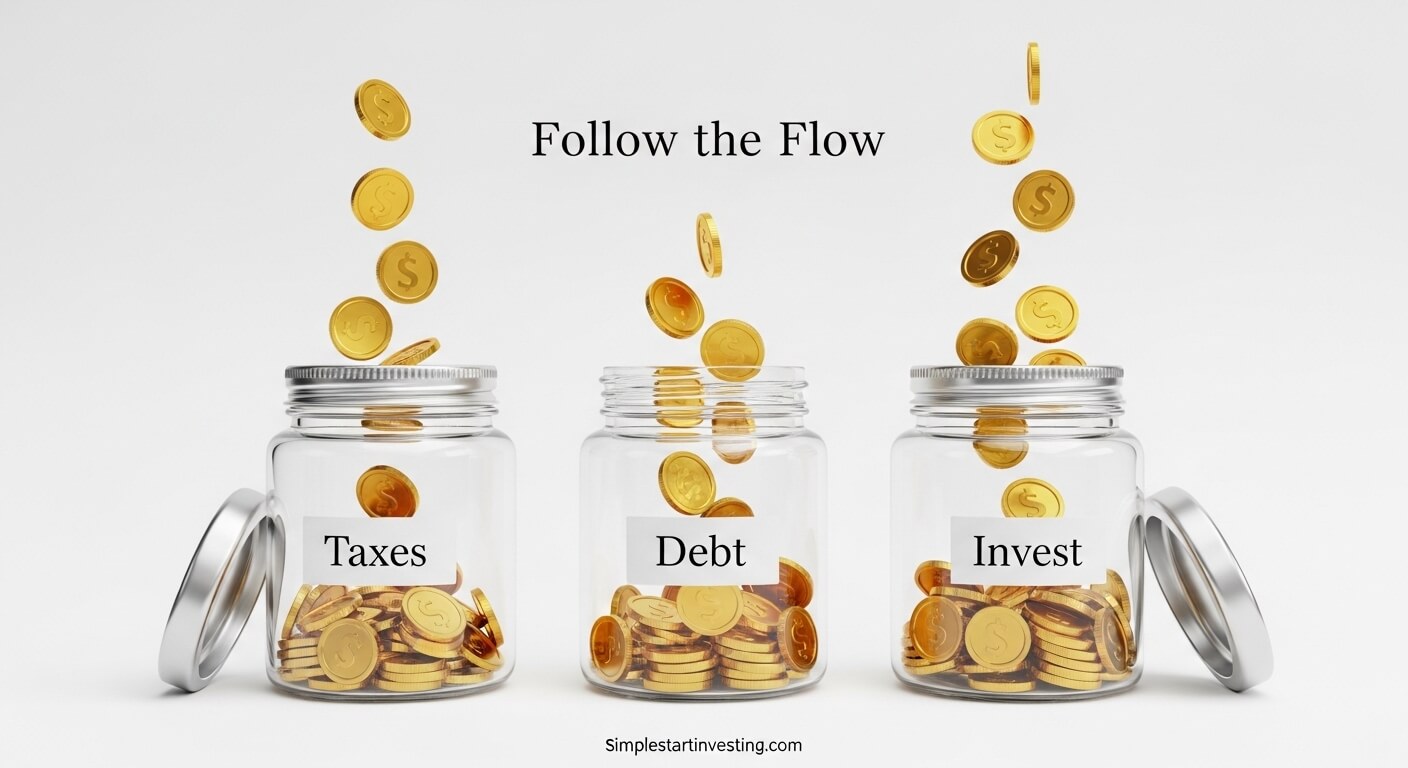
A good rule of thumb for beginners is to immediately move 30 percent of every side hustle check into a separate savings account labeled “Taxes.” This might feel like a lot, but it covers both your federal income tax and the self-employment tax (which covers Social Security and Medicare).
For example, if you make 100 dollars from a freelance project, you should move 30 dollars to your tax account right away. You are now left with 70 dollars of “real” income. This 70 dollars is what you will apply to the Side Hustle Rule. It is better to have too much saved for taxes and give yourself a “bonus” at the end of the year than to owe the government money you’ve already spent.
Step 2: The Wealth Waterfall
Once the taxes are set aside, where should the remaining money go? We like to use a concept called the Wealth Waterfall. Imagine your side hustle income is water pouring into a series of buckets. You must fill the first bucket before the water can flow into the next one.
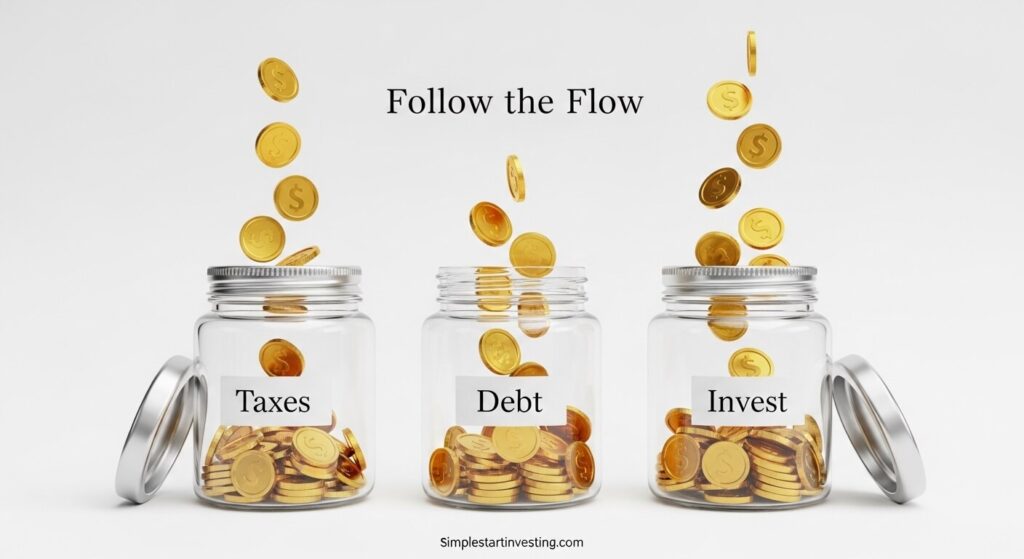
Bucket 1: The Starter Emergency Fund
If you don’t have at least 1,000 dollars to 2,000 dollars in a high-yield savings account, this is your first stop. This “starter” fund acts as a buffer between you and life’s little disasters. If your tire blows out or your laptop dies, you won’t have to put that expense on a credit card. Your side hustle just bought you peace of mind.
Bucket 2: High-Interest Debt
Once your starter fund is set, every penny of your side hustle income should go toward debt with interest rates higher than 7 or 8 percent. This usually means credit cards or personal loans.
Think of it this way: Paying off a credit card with a 20 percent interest rate is the equivalent of “earning” a 20 percent return on your money, tax-free. You won’t find that kind of guaranteed return anywhere else. Using the Side Hustle Rule here can shave years off your debt repayment timeline.
Bucket 3: The Full Emergency Fund
After the high-interest debt is gone, go back to your savings and build it up to cover 3 to 6 months of your basic living expenses. This is the “Sleep Well at Night” fund. Knowing that you could survive for half a year without a paycheck changes how you feel about your primary job and your life.
Bucket 4: Investing for the Future
This is where the real fun begins. Once your debts are clear and your savings are full, your side hustle income becomes pure wealth-building fuel. You can contribute to a Roth IRA or a brokerage account. Because you aren’t relying on this money for rent, you can afford to let it sit in the market and grow through the power of compounding over decades.
The Logic of Small Numbers
One of the reasons people quit side hustles is that they think the amounts are too small to matter. They think, “It’s only 50 dollars a week; why bother?” But let’s look at the logic.
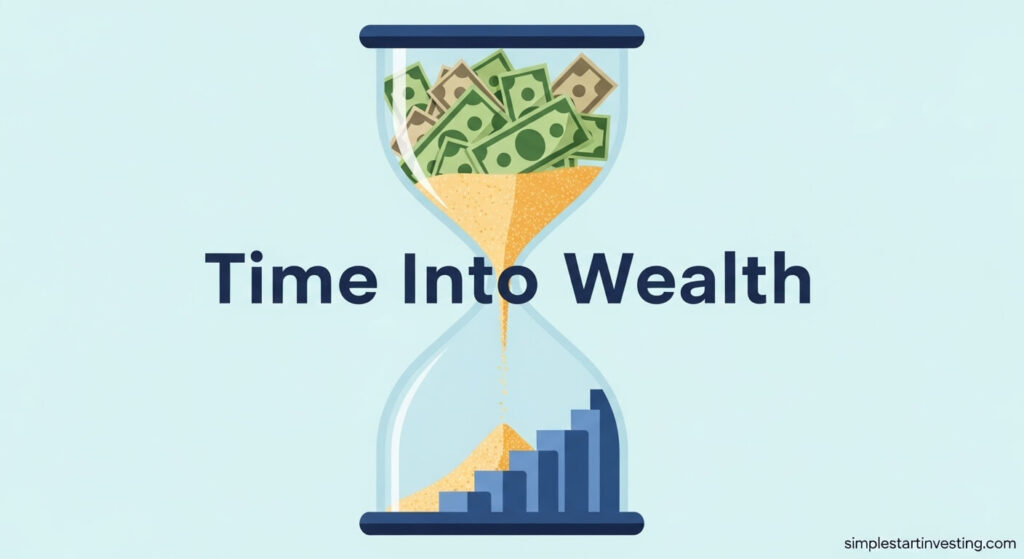
If you earn an extra 200 dollars a month through a side gig and you apply the Side Hustle Rule to invest it, that adds up to 2,400 dollars in a year. If you do that consistently for 10 years, and we assume a standard market growth of about 7 to 10 percent, you aren’t just looking at the 24,000 dollars you put in. You are looking at a much larger sum because your money has been “making babies,” which then make their own babies.
Even more importantly, using that 200 dollars to pay off a credit card could save you hundreds of dollars in interest every single month. The Side Hustle Rule isn’t just about the money you earn; it’s about the interest you stop losing.
Protecting Your Energy: The Burnout Factor
While the Side Hustle Rule is powerful, it has a built-in risk: burnout. If you work your main job all day and your side hustle all night, you might start to resent the process.
To make this sustainable, some people use a modified version of the rule. They might take 10 percent of their side hustle profit (after taxes) and allow themselves to spend it on whatever they want. This acts as a “reward” for the extra effort.
For example, if you made 500 dollars profit this month, you could take 50 dollars for a nice dinner and put the remaining 450 dollars toward your debt. This keeps you motivated while still ensuring that 90 percent of your effort is going toward your long-term freedom.
Common Misunderstandings About Side Income
One common myth is that you need a “business” to have a side hustle. In reality, whether you are selling old clothes on an app or tutoring a neighbor’s kid, that is side income. The Side Hustle Rule applies to any dollar that isn’t part of your regular salary.
Another misunderstanding is that side hustles are only for people who are struggling financially. That couldn’t be further from the truth. Some of the most successful investors use side hustles specifically to fund their “aggressive” goals—like retiring early or buying a rental property. Using “outside” money for these goals prevents you from having to tighten your belt at home.
Setting Up Your System for Success
To make the Side Hustle Rule work, you need to remove the “decision-making” part of the process. If you have to decide what to do with the money every time you get paid, you will eventually make a mistake and spend it.
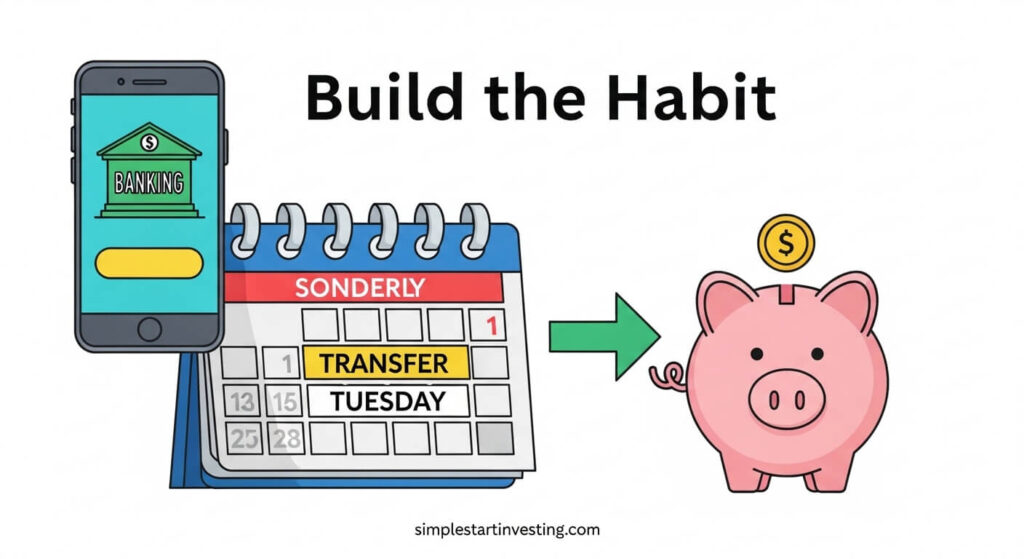
Here is how to set up a simple system:
- Open a separate bank account: Never let your side hustle money land in your main checking account. If it mixes with your rent money, it will get spent on rent or snacks.
- The “Transfer Tuesday” habit: Every Tuesday (or whichever day you prefer), look at your side hustle account. Move the tax portion to your tax savings and move the rest toward your current “Bucket” (Debt or Savings).
- Track your progress: Use a simple notepad or an app to track how much your side hustle has contributed to your goal. Seeing that you’ve paid off 2,000 dollars of debt purely from your weekend work is an incredible feeling.
When Should You Stop?
The beauty of the Side Hustle Rule is that it gives your extra work a “finish line.” You might decide that once your house is paid off or your retirement account hits a certain number, you will retire the side hustle and take your weekends back.
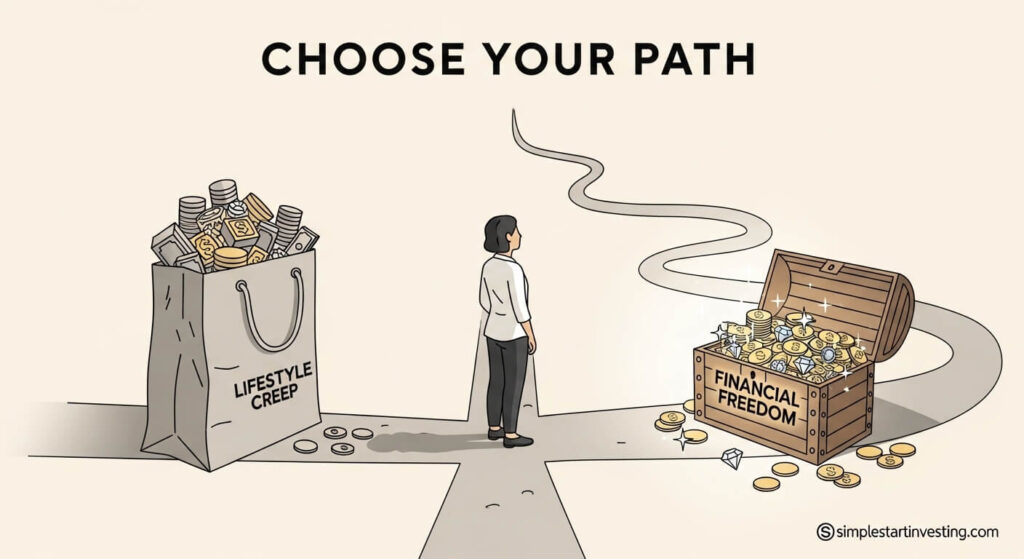
Or, you might find that you love the freedom of having a secondary income stream. Many people find that once their debts are gone, the side hustle becomes a “passion project” that they continue because they enjoy it, not because they have to.
Regardless of your long-term plan, the rule remains the same: Use the extra to build the future, and use the primary to live the present. This simple boundary is the difference between spinning your wheels and actually building a life of financial independence.
Final Thoughts for the Beginner
Starting a side hustle is an act of bravery. It means you are willing to trade your comfort now for a better life later. Don’t let that bravery go to waste by spending the money on things that don’t last.
By following the Side Hustle Rule, you ensure that every hour of extra work translates into a permanent improvement in your financial health. You are essentially buying your freedom, one freelance gig or delivery at a time. Keep your living expenses low, keep your goals clear, and let your side income do the heavy lifting.
Disclaimer: This content is for educational purposes only and does not constitute financial, legal, or tax advice. Financial regulations and tax laws can change; always consult with a qualified professional or the IRS website for the most current information regarding your specific situation.