Most people think of investing as something that happens only on Wall Street. They picture glowing green numbers on a screen or a fancy brokerage account. But the truth is, the most immediate “return on investment” you can find is often hiding right inside your own walls.
Every month, a portion of your hard-earned paycheck disappears into thin air—literally. It escapes through the cracks in your window frames, gets flushed down the toilet, and radiates out of old lightbulbs. When you learn how to save on utility bills, you aren’t just being “frugal.” You are reclaiming capital that can be used to fund your future.
Think of your home as a bucket. If the bucket has holes, it doesn’t matter how much water you pour in; it will never stay full. Fixing those holes is the first step to building a solid financial foundation. This guide will show you how to plug those leaks without spending a fortune or sacrificing your comfort.
Why Your Utility Bill Is Secretly an Investment Opportunity
When you invest in the stock market, you hope for a certain percentage of growth. However, that growth is often subject to market volatility and taxes. When you save on utility bills by making your home more efficient, that saved money is “tax-free” and guaranteed.
For example, if you find a way to shave 50 dollars off your monthly power bill, that is 600 dollars a year back in your pocket. If you were to take that 600 dollars and put it into a low-cost index fund, the power of compound interest turns that small monthly “tweak” into a significant nest egg over twenty years.
The best part? Many of these changes cost almost nothing. They just require a shift in mindset and a little bit of weekend DIY spirit. We are going to look at the three big pillars of home costs: heating and cooling, water usage, and the “vampire” electricity draws you might not even know exist.
The Invisible Thief: Heating and Cooling
In the average American household, nearly half of the energy bill goes toward one thing: keeping the air at a comfortable temperature. This is where most people lose the most money. Your HVAC (Heating, Ventilation, and Air Conditioning) system is the heavy lifter of your home, and if it has to work harder than necessary, your wallet feels the strain.
One of the biggest misconceptions for beginners is that leaving the AC on all day at a steady temperature is cheaper than turning it off when you leave. Science tells us otherwise. Your home loses “coolness” or “heat” to the outside world based on the temperature difference. The harder your system works to maintain a massive gap between the inside and outside, the more it costs.
The Power of the Thermostat
You don’t need a fancy smart device to start saving, though they do help. The simple rule is to aim for a smaller gap between the indoor temperature and the outdoor temperature. In the summer, the Department of Energy suggests aiming for 78 degrees when you are home. In the winter, 68 degrees is the sweet spot.
If those numbers sound uncomfortable, try adjusting by just one degree at a time. Your body adapts surprisingly quickly. Every degree you move closer to the outside temperature can save you about one to three percent on your cooling or heating costs. If you do the math in your head, moving the dial five degrees could result in a ten percent reduction in your bill.
Sealing the Envelope
Imagine trying to cool your house with the front door wide open. You wouldn’t do it, right? Yet, many homes have the equivalent of a small open window in the form of cracks around doors, windows, and electrical outlets. This is what experts call “the building envelope.”
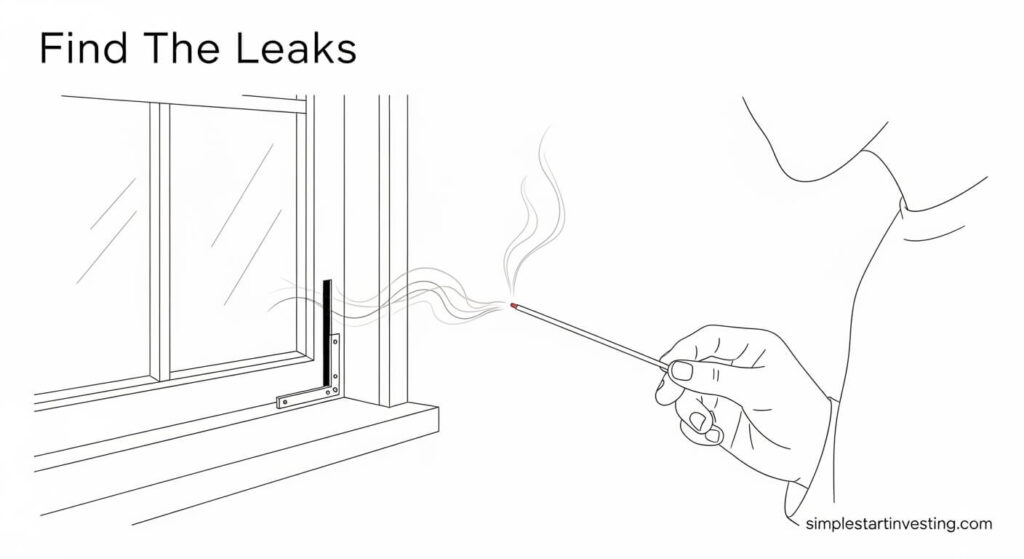
To save on utility bills, you need to seal this envelope. A simple way to find leaks is to hold a lit incense stick or a damp hand near window frames and door seals on a windy day. If the smoke wafts horizontally or your hand feels a cold draft, you have a leak.
Replacing old weatherstripping or applying a bit of caulk is incredibly cheap—usually under 20 dollars for a whole house—but it prevents your expensive climate-controlled air from escaping into the neighborhood.
Lighting the Way to Savings
Lighting used to be a major expense when we all used incandescent bulbs. Those old-fashioned glass bulbs were actually more like small heaters that happened to produce a little bit of light as a byproduct. About 90 percent of the energy they consumed was wasted as heat.
The LED Revolution
If you still have incandescent bulbs in your lamps, you are essentially burning money. Switching to LED (Light Emitting Diode) bulbs is one of the easiest “wins” for a beginner. An LED bulb uses about 75 percent less energy and lasts 25 times longer.
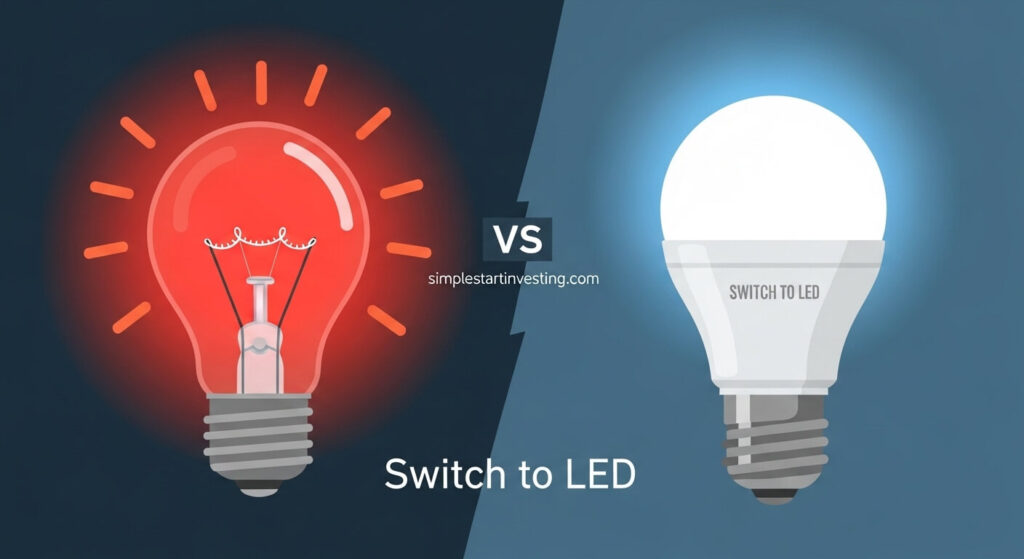
Let’s look at the logic. If an old bulb uses 60 watts and you replace it with an LED that provides the same brightness using only 8 watts, you are using less than a fraction of the power for the same result. Over the life of that one bulb, you might save over 100 dollars in electricity costs alone. When you multiply that by every socket in your house, the savings become substantial.
The Habit of Turning Things Off
It sounds like something your parents would nag you about, but the habit of turning off lights when you leave a room still matters. Even with efficient LEDs, leaving a whole house illuminated like a Christmas tree adds up.
Modern “smart” plugs or motion-sensor switches can help if you are forgetful, but the simplest tool is your own hand. Make it a game: every time you leave a room, the light goes off. It costs zero dollars to build this habit, but the long-term payoff is real.
Water: The Liquid Gold in Your Pipes
Water is often the “forgotten” utility. Because it is usually cheaper than electricity in many parts of the U.S., people tend to ignore it. However, water costs aren’t just about the volume of liquid; they are also about the energy required to heat that liquid.
The Hot Water Heater Trap
Your water heater is likely the second-largest energy consumer in your home. Most manufacturers ship water heaters set to 140 degrees Fahrenheit. This is unnecessarily hot—hot enough to cause ثالث-degree burns in seconds.
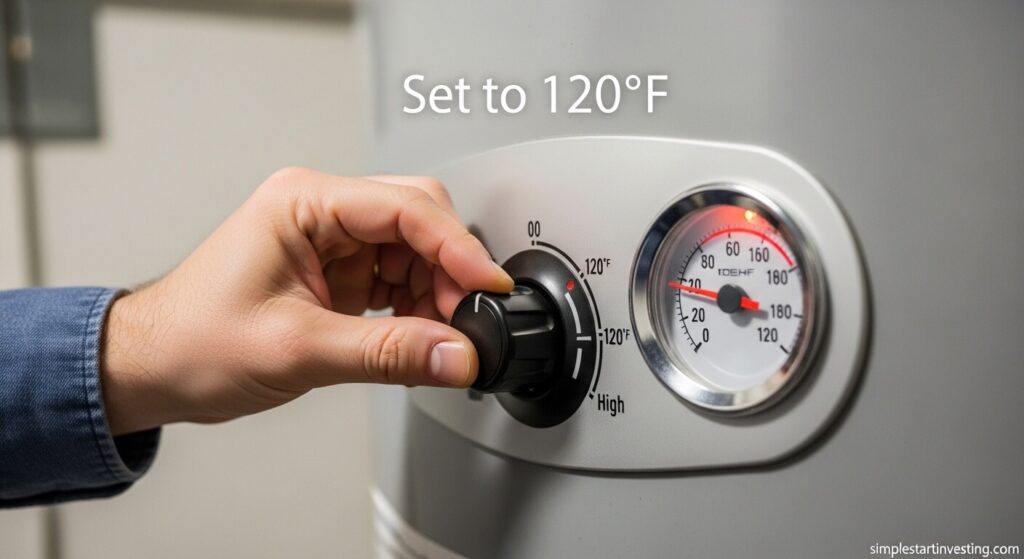
By turning your water heater down to 120 degrees, you save money in two ways. First, the heater doesn’t have to work as hard to reach that temperature. Second, it loses less heat to the surrounding air while the water is just sitting in the tank (this is called “standby loss”). This one-minute adjustment can save you a significant percentage on your water heating costs annually.
Low-Flow, High Savings
Many beginners worry that “low-flow” showerheads mean a weak, pathetic drizzle. Modern technology has fixed this. High-efficiency showerheads use air to maintain pressure while using significantly less water.
If you have an older showerhead that puts out five gallons per minute and you switch to a modern one that uses two gallons per minute, you are cutting your hot water usage by more than half for every shower. For a family of four, that translates to thousands of gallons of water saved every year, along with the electricity or gas used to heat it.
Defeating the “Vampire” Loads
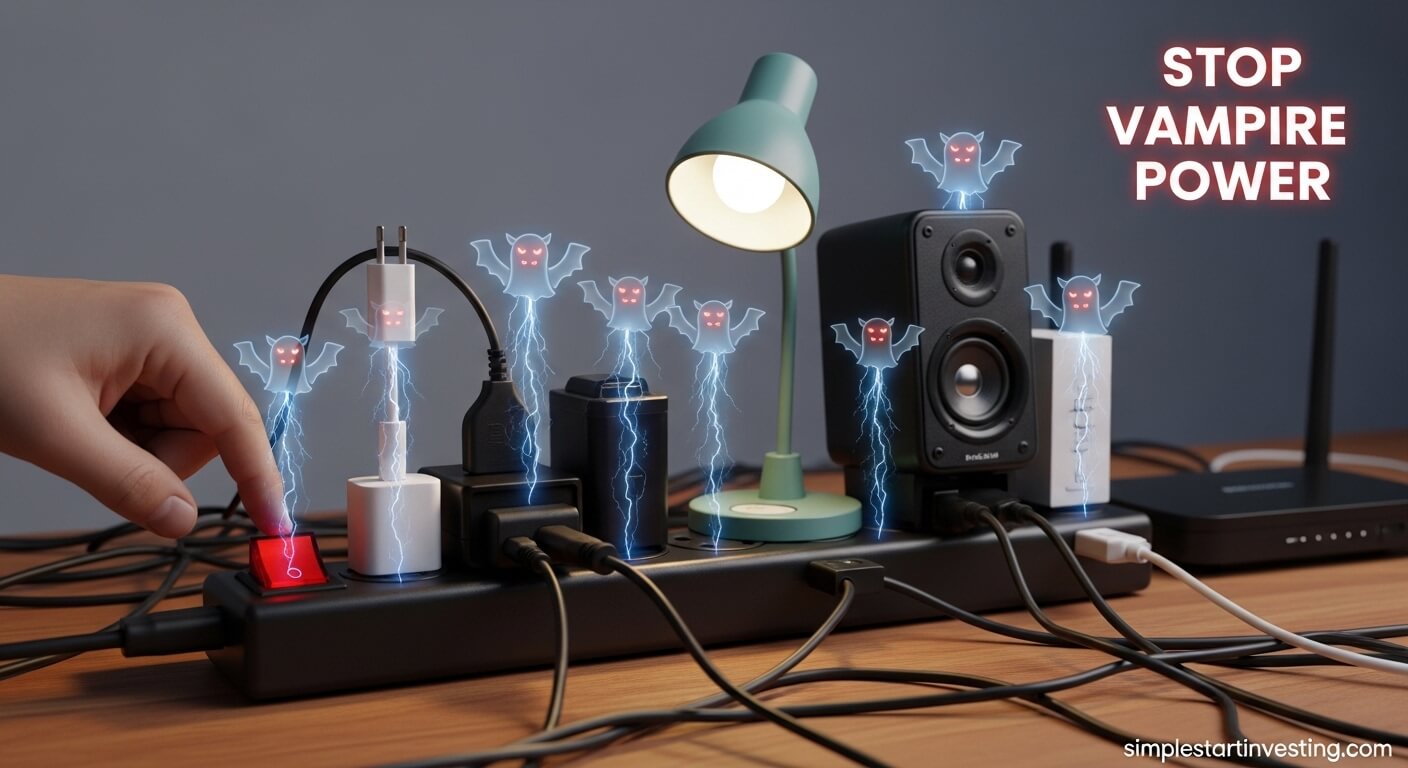
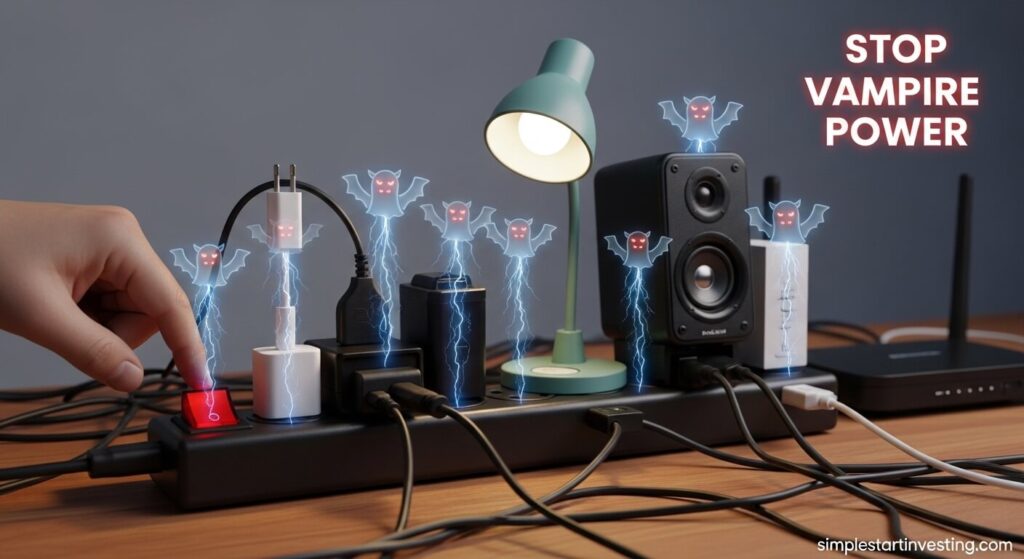
Did you know that many of your appliances are “on” even when they are “off”? This is known as “phantom energy” or “vampire power.” Anything with a remote control, a clock display, or a large “brick” power adapter is constantly sipping electricity from the walls.
Identifying the Culprits
Common vampires include:
- Game consoles in “standby” mode.
- Coffee makers with digital clocks.
- Desktop computers and monitors.
- Toasters or blenders left plugged in.
While a single device might only draw a few watts, the cumulative effect of twenty devices across a house can account for five to ten percent of your total electricity bill.
The Power Strip Solution
To save on utility bills without constantly unplugging things, use power strips. You can plug your entire TV setup (the TV, the soundbar, and the streaming box) into one strip and flip the switch when you go to bed. This physically cuts the connection to the grid, ensuring that “off” actually means “off.”
The Logic of Major Appliances
When it comes time to replace a major appliance like a refrigerator or a washing machine, don’t just look at the price tag on the floor. Look at the “EnergyGuide” label.
Energy Star and Longevity
In the U.S., the Energy Star program helps consumers identify the most efficient models. An efficient refrigerator might cost 100 dollars more upfront than a budget model, but if it saves 30 dollars a year in electricity, it pays for itself in just over three years. Given that a fridge lasts ten to fifteen years, the “more expensive” model is actually the cheaper choice in the long run.
Proper Usage Habits
How you use your appliances matters as much as what you buy.
- The Dishwasher: Only run it when it is completely full. Use the “air dry” setting instead of the heated dry to save a massive amount of energy.
- The Laundry: About 90 percent of the energy used by a washing machine goes toward heating the water. Switching to cold water for most loads can save you a fortune over the year, and modern detergents are designed to work perfectly in cold water.
- The Dryer: Clean the lint filter after every single load. A clogged filter makes the motor work harder and increases the drying time, which wastes electricity and wears out your clothes faster.
Taking it Further: The Home Energy Audit
If you are serious about wanting to save on utility bills, you might consider a professional home energy audit. Many local utility companies in the U.S. offer these for free or at a very low cost.
A professional will come to your home with specialized tools, like infrared cameras that see “heat leaks” or “blower door” tests that measure how much air is escaping. They will provide you with a customized roadmap of exactly where your home is losing money. Sometimes, the government even offers tax credits for making the specific improvements suggested in these audits.
From Savings to Wealth: The Final Step
This is where the magic happens for “Simple Start” investors. If you follow the steps above, you might find an extra 100 or 200 dollars in your bank account every month that used to go to the utility companies.
Don’t just let that money disappear into other lifestyle expenses. Treat it like a “dividend” from your home. Set up an automatic transfer to a high-yield savings account or an investment account.
If you save 100 dollars a month through energy efficiency and invest it at an average annual return of seven percent, in thirty years, you could have over 100,000 dollars. All of that wealth would have been created simply by changing some lightbulbs, turning down the thermostat, and sealing a few cracks.
Efficiency isn’t about being “cheap”—it’s about being smart with your resources so you can build the life you want.