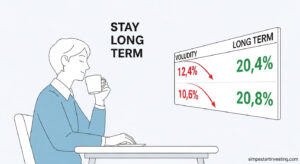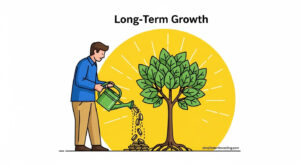

Imagine you are planting a small apple tree in your backyard. After a few years, it starts producing fruit. You could pick those apples and eat them right away. They would taste great, and you would be satisfied for the day.
But what if, instead of eating every apple, you took the seeds from those fruits and planted them right next to the first tree? Soon, you would have two trees. Then four. Eventually, you would have an entire orchard providing more fruit than you could ever eat.

This is the core logic behind Dividend Reinvestment Plans, often called DRIPs. In the world of investing, dividends are the “fruit” your stocks produce. A DRIP is the system that automatically takes those seeds and plants them back into your portfolio to grow your wealth while you sleep.
If you are new to the US stock market, understanding how to use Dividend Reinvestment Plans is one of the most effective ways to build long-term wealth without needing to find extra cash under your mattress every month.
What Exactly is a Dividend Reinvestment Plan?
Let’s break down the term. When you own shares of a profitable company—think of giants like Costco or Walmart—they often share a portion of their profits with you. This payment is called a dividend.
Usually, this money lands in your brokerage account as cash. You could use it to buy a cup of coffee or pay a bill. However, when you enroll in a Dividend Reinvestment Plan, you tell your broker: “Don’t give me the cash. Instead, use every penny of that dividend to buy me more shares of that same company.”

The beauty of this system is that it happens automatically. You don’t have to log in, you don’t have to check the stock price, and you don’t even have to pay a commission fee in most cases. You are simply choosing to grow your ownership in a business using the money that business just gave you.
Why Beginners Often Get DRIPs Wrong
A common mistake many new investors make is thinking that dividends are “extra” money or a “bonus” on top of the stock price. They see a 3% dividend yield and think they are getting a 3% gift.
In reality, when a company pays a dividend, its total value actually drops by the amount of that payout. If a company is worth 100 dollars and gives away 2 dollars in dividends, the company is now technically worth 98 dollars.
The misconception is that you are “losing” value if you don’t spend the cash. Beginners often think, “If the stock price drops when they pay me, why should I put the money back in?”
The secret lies in share count. While the price might fluctuate, the number of shares you own is what dictates your future wealth. By using Dividend Reinvestment Plans, you are focusing on accumulating more “units” of a wealth-producing asset. Over time, having 100 shares paying dividends is significantly more powerful than having 10 shares, regardless of minor price swings.
The Power of the “Snowball Effect”
To understand why this is a wealth machine, let’s look at a simple example. Imagine you own 100 shares of a company, and each share is worth 50 dollars. Every year, this company pays you 2 dollars per share in dividends.

In the first year, you receive 200 dollars in total. If you have a DRIP set up and the stock is still 50 dollars, your 200 dollars will automatically buy you 4 more shares. Now you own 104 shares.
In the second year, the company pays that same 2 dollars per share. But now, you aren’t getting paid for 100 shares; you are getting paid for 104 shares. Your check is now 208 dollars. That extra 8 dollars might not seem like much, but it buys a tiny bit more of a share than it did last year.
As years go by, your “payout” gets bigger because you own more shares, and those new shares then generate their own dividends. This is compounding in its purest form. You are essentially creating a cycle where your money makes money, and then that new money makes even more money.
Fractional Shares: The Secret Sauce for Small Investors
Back in the day, if your dividend was 20 dollars but the stock cost 100 dollars, you couldn’t do much. You had to wait until you had enough cash to buy one full share.
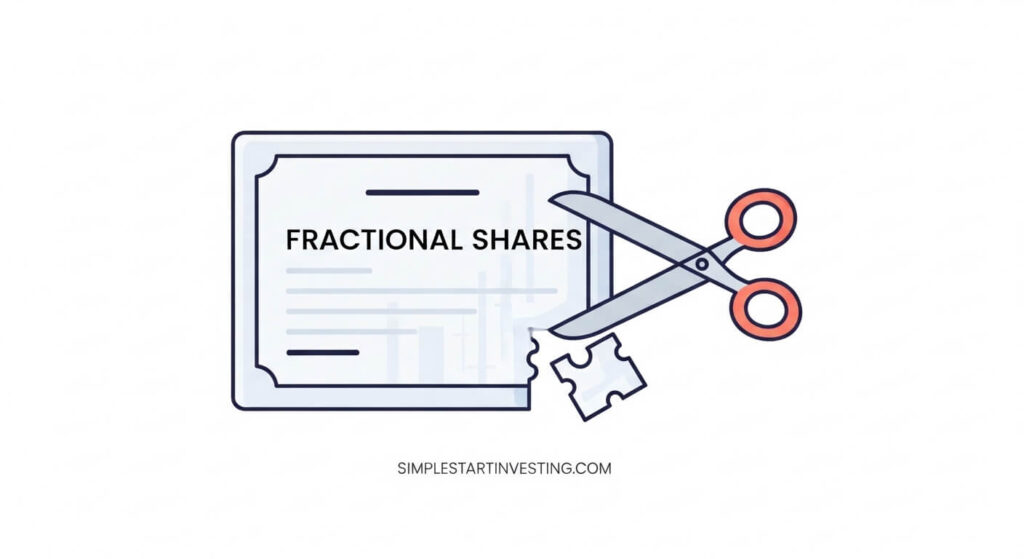
Today, most Dividend Reinvestment Plans offered by US brokers allow for fractional shares. This means if your dividend is 20 dollars and the stock is 100 dollars, the broker will buy you exactly 0.2 shares.
This is huge for beginners. It means every single cent of your dividend starts working for you immediately. You don’t have “dead cash” sitting in your account waiting to be useful. Every penny is put back into the “engine” to help it run faster.
The Two Main Types of DRIPs in the US
Not all reinvestment plans are created equal. As a beginner, you will likely encounter two main versions:
1. Broker-Operated DRIPs
This is the most common way to do it today. Large US brokerages like Fidelity, Charles Schwab, or Vanguard offer this for free. You simply check a box in your account settings that says “Reinvest Dividends.”
The broker takes your cash and buys the shares on the open market. The benefit here is simplicity. You can manage all your different stocks in one place and turn the feature on or off with one click.
2. Company-Sponsored DRIPs
Some companies allow you to buy shares directly from them, bypassing the broker entirely. These are often called Direct Stock Purchase Plans (DSPPs).
While these were popular years ago because they avoided high broker fees, they can be a bit of a headache today. You end up with dozens of different accounts for different companies. For most beginners, sticking with a major broker is much easier and provides more flexibility.
The Tax Man Still Wants His Cut
One of the biggest “gotchas” for new investors is the tax implication of Dividend Reinvestment Plans.
Many people assume that because they never “touched” the money—it went straight from the company back into more stock—that they don’t owe taxes on it. Unfortunately, the IRS sees it differently.
In the eyes of the US government, a dividend is income the moment it is paid out, regardless of whether you spent it on a burger or reinvested it in more Apple stock.
Every year, your broker will send you a Form 1099-DIV. This form lists all the dividends you received. You will have to pay taxes on that amount. Generally, if the dividends are “qualified” (which most long-term US stocks are), you will pay a lower tax rate than your normal income tax, but you still have to pay.
Always remember: Reinvesting does not mean tax-deferring. You need to make sure you have a small amount of cash set aside elsewhere to cover the tax bill on those growing dividends at the end of the year.
The Benefit of “Dollar Cost Averaging”
Market volatility can be scary for beginners. Seeing the price of a stock drop 10% in a week often leads to panic.
Dividend Reinvestment Plans provide a built-in psychological and financial defense called Dollar Cost Averaging. When you reinvest dividends, you are buying shares every time a dividend is paid, no matter what the price is.
If the stock price is high, your dividend buys fewer shares. If the stock price crashes and is very low, that same dividend amount suddenly buys more shares.
Think about that for a second. When the market is down and everyone else is panicking, your DRIP is quietly “buying the dip” for you. You are accumulating more of the company when it is on sale, which sets you up for even bigger gains when the market eventually recovers.
When Should You NOT Use a DRIP?
While I love the DRIP strategy for beginners, it isn’t always the perfect choice for every situation. There are a few times when you might want to take the cash instead:
- You need the income: If you are retired or need that money to pay for your living expenses, obviously, you shouldn’t reinvest it.
- Your portfolio is unbalanced: If one stock has grown so large that it makes up 50% of your portfolio, reinvesting even more into it might be risky. You might take the cash from that “big” stock and use it to buy a different, smaller position to balance things out.
- The stock is extremely overvalued: If you feel a company’s price has soared way beyond what it’s actually worth, you might prefer to take the cash and wait for a better opportunity.
However, for a beginner who is just starting to build their “wealth machine,” the best move is usually to keep the DRIP turned on and let time do the heavy lifting.
How to Set Up Your DRIP Today
If you have a brokerage account in the US, setting this up usually takes less than two minutes. Here is the general process:
- Log in to your broker’s website.
- Look for “Account Settings” or “Positions.”
- Find a section labeled “Dividend Reinvestment” or “Dividends/Capital Gains.”
- Select the option to “Reinvest.” You can usually choose to do this for your entire portfolio or just for specific stocks.
- Confirm and save.
Once you do this, you have officially automated your wealth building. You don’t need to be a math genius or a market timer. You just need to be patient.
The Bottom Line: Patience is Your Greatest Asset
The most important thing to understand about Dividend Reinvestment Plans is that they don’t make you rich overnight. In the first year, you might only see your share count go from 10 to 10.2. It feels like nothing is happening.

But investing is a game of decades, not days. By the tenth year, that 10.2 has become 15. By the twentieth year, it has become 30. And because you’ve been buying more shares, the amount of money you receive in dividends has grown exponentially.
A DRIP turns you from a “consumer” of wealth into a “producer” of wealth. It forces you to think like a business owner who reinvests profits back into the company to make it stronger.
Start small, keep your DRIP turned on, and watch how those tiny seeds eventually grow into a massive financial forest.
Disclaimer: This content is for educational purposes only and does not constitute financial advice. Market conditions change, and tax laws can vary; always consult with a professional or check current IRS regulations before making major investment decisions.