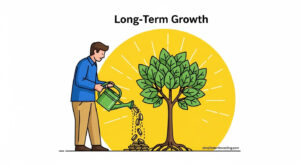
Choosing how to put your money to work can feel like standing at a crossroads. On one path, you see the promise of massive wealth in the future, like watching a small seed turn into a giant oak tree. On the other path, you see the comfort of a steady stream of cash arriving in your bank account every month, like picking fruit from a tree that’s already grown.
When you start investing for growth vs income, you are essentially deciding what role you want your money to play in your life right now. Are you trying to build a mountain of wealth for thirty years down the road? Or do you need your investments to help pay your grocery bills or your electric bill today? Both strategies are valid, but they require very different mindsets and choices.
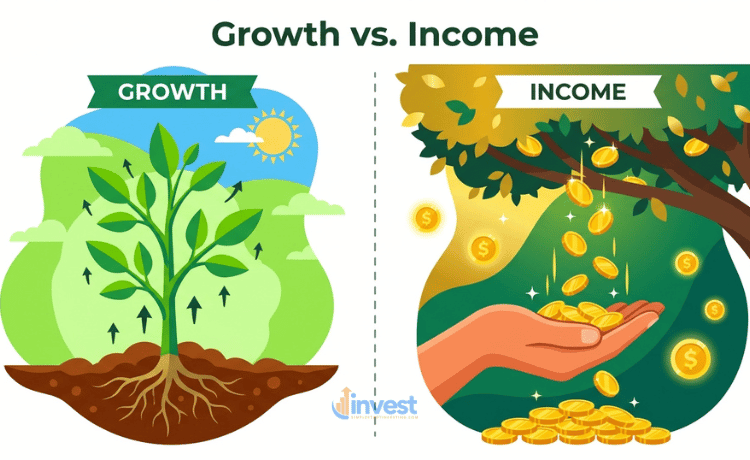
In this guide, we are going to break down the differences between “Growth” and “Income” so you can stop guessing and start building a portfolio that actually fits your goals. Whether you are dreaming of the next big tech breakout or just want a “paycheck” without having to go to an office, understanding these concepts is your first step toward financial freedom.
What is Growth Investing?
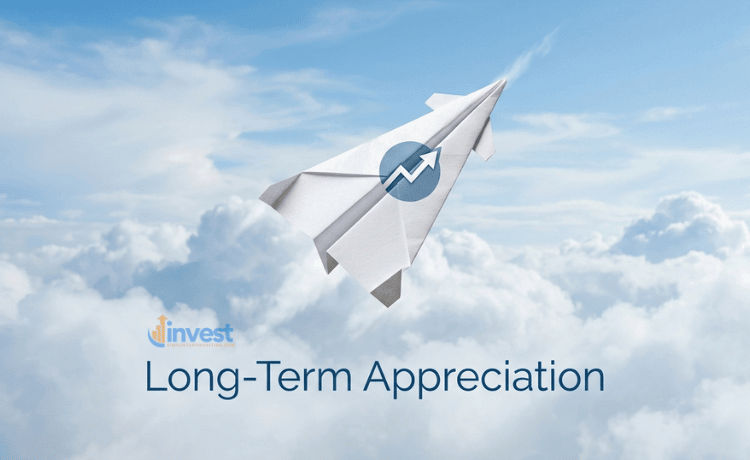
Growth investing is the strategy of buying shares in companies that are expected to grow at a rate significantly above the average for the market. These companies usually don’t pay out cash to their shareholders. Instead, they take every dollar of profit they make and “plow” it back into the business. They use that money to build more warehouses, hire more engineers, or invent new technology.
When you invest for growth, you aren’t looking for a check in the mail. You are hoping that the 100 dollars you spent on a share today will be worth 500 dollars in ten years. You make money by selling the stock for more than you paid for it. This is what we call “capital appreciation.”

A Real-World Example of Growth
Think about a company like Nvidia (NVDA) or Amazon (AMZN). For many years, Amazon didn’t pay any dividends to its investors. If you owned Amazon stock, you didn’t get any cash in your bank account just for holding it. However, because the company kept getting bigger and more dominant, the value of the shares skyrocketed. If you bought 1,000 dollars worth of a high-growth tech stock years ago, that “seed” might have grown into 50,000 dollars today. You didn’t get “income” along the way, but your total wealth increased massively.
The Common Beginner Mistake
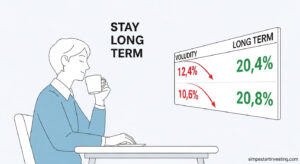
Many beginners think that growth stocks are “guaranteed” to go up if the company is famous. They see a brand they love, like Tesla (TSLA), and assume the price will always climb. The mistake is forgetting that growth stocks are often very volatile. Their prices can swing up and down by 10% or 20% in a single week.
The Right Mindset
You must realize that growth investing is a long-term game. You are trading today’s comfort (cash in hand) for the potential of tomorrow’s fortune. If you see your account balance drop during a market dip, you shouldn’t panic. You are not buying the stock for what it is worth today; you are buying it for what you believe it will become in a decade.
What is Income Investing?
Income investing is the polar opposite of chasing growth. The goal here is to create a reliable stream of cash flow. When you buy an income-producing asset, the company or entity literally pays you to own it. This usually comes in the form of “dividends” for stocks or “interest” for bonds.
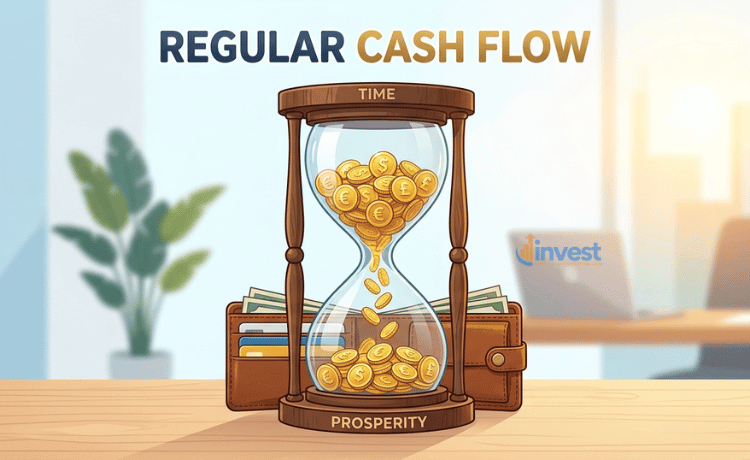
This is a favorite strategy for people who want to supplement their salary or for retirees who need money to live on. Instead of waiting years to sell a stock for a profit, you get a “check” (usually deposited digitally into your brokerage account) every three months or sometimes every month.
A Real-World Example of Income
Consider a company like Verizon (VZ) or Coca-Cola (KO). These are “mature” companies. They aren’t trying to take over the world anymore because they are already everywhere. Since they don’t need to spend every penny on expansion, they give a portion of their profits back to you, the owner.
Let’s say you own 10,000 dollars worth of a stock that pays a 5% annual dividend. Over the course of a year, the company will pay you 500 dollars in cash. You still own the shares, but now you also have 500 dollars to spend or reinvest. It’s like owning a rental property where the tenant pays you rent every month.
The Common Beginner Mistake
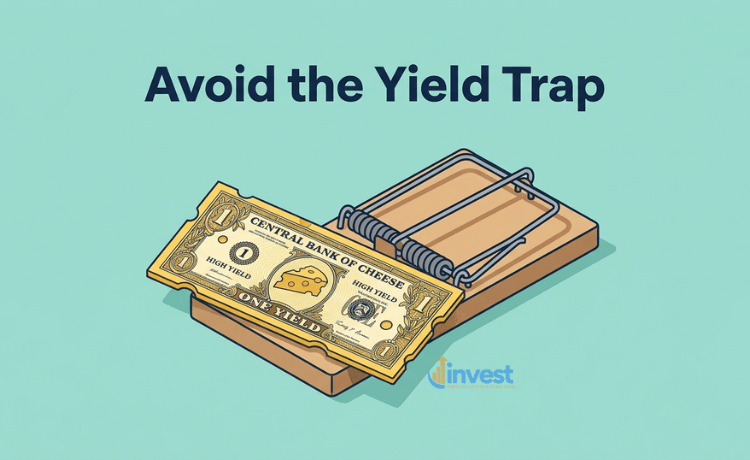
New investors often fall into the “Yield Trap.” They look for stocks that offer a huge dividend—maybe 10% or 12%—and think it’s a bargain. However, a very high yield is often a warning sign that the company is in trouble and might stop paying the dividend altogether. If a deal looks too good to be true in income investing, it usually is.
The Right Mindset
Think of income investing as building a “money machine.” Your focus shouldn’t be on whether the stock price goes from 50 dollars to 51 dollars. Your focus is on the consistency of the check. You want “boring” companies that have paid their investors for decades without fail.
Growth vs. Income: Which One Should You Choose?
Deciding between investing for growth vs income usually depends on where you are in your life journey. There is no “one size fits all” answer, but there are some logical ways to look at it.
If You Are Young (The Growth Phase)
When you are in your 20s or 30s, your biggest asset is time. You have decades before you need to withdraw your money for retirement. Because of this, growth investing often makes more sense. You can afford to ride out the “roller coaster” of the stock market.
If you earn 100 dollars in profit from a growth stock and leave it there, that profit can earn more profit next year. This is the power of compounding. If you take that money out as “income” and spend it now, you lose the chance for that money to grow into something much larger later.
If You Need Cash Now (The Income Phase)
If you are approaching retirement or if you want to work less at your day job, income investing becomes the hero. You can’t pay for groceries with “potential growth.” You need actual dollars. By shifting your portfolio toward dividend-paying stocks or Real Estate Investment Trusts (REITs) like Realty Income (O), you create a safety net of cash that arrives regardless of whether the stock market is up or down that day.
The Tax Side of the Story
When investing for growth vs income, the IRS (the US tax agency) treats your profits differently. It is important to understand this so you don’t get a surprise bill in April.
Growth Taxes: You generally don’t pay taxes on growth stocks until you sell them. If your shares go from 100 dollars to 200 dollars, you don’t owe any tax as long as you keep holding the stock. When you finally sell after holding for more than a year, you pay “Long-Term Capital Gains tax,” which is usually lower than your regular income tax rate.
Income Taxes: Dividends are different. In most cases, when a company pays you a dividend, it is considered taxable income for that year. Even if you don’t spend the money and instead use it to buy more stock, the IRS still wants its cut. However, if you hold these in a special account like a Roth IRA, you might be able to avoid these taxes entirely.
Note: Tax regulations can change; please check current IRS guidelines or consult a professional.
How to Balance Both: The “Total Return” Approach
You don’t actually have to choose just one side. Many successful investors use a “Core and Satellite” strategy. They keep a “Core” of their money in steady, dividend-paying companies or broad market funds, and then they have “Satellite” investments in high-growth companies.
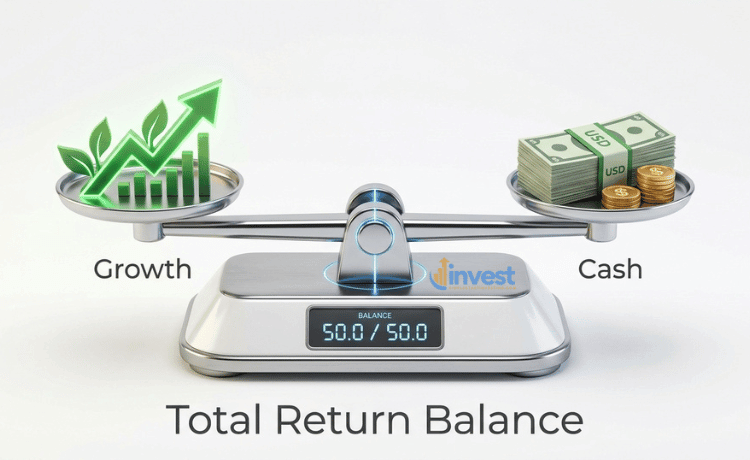
This gives you the best of both worlds:
- Stability: The income stocks keep your portfolio from crashing too hard when the market is nervous.
- Upside: The growth stocks give you the chance to significantly increase your wealth.
Imagine your portfolio is a garden. Your income stocks are the vegetables you eat every week to stay healthy. Your growth stocks are the fruit trees that will take years to bear fruit, but when they do, they will provide a massive harvest.
Common Pitfalls for the New Investor
As you navigate investing for growth vs income, watch out for these two major traps that catch almost everyone at the beginning.
Trap 1: Fear of “Missing Out” (Growth Trap)
When you see a stock like Apple (AAPL) or a new AI company surging 50% in a month, the urge to jump in is huge. Beginners often buy at the very top of the growth curve because they are afraid of missing out. The Fix: Never chase a price. If a growth stock has already “mooned,” wait for a pullback or look for the next opportunity. Growth investing requires discipline, not just excitement.
Trap 2: Ignoring Quality for Yield (Income Trap)
A company might offer a 15% dividend yield, which looks amazing on paper. But if that company is losing money and its business is dying, that dividend will eventually be cut to zero, and the stock price will collapse. The Fix: Look for “Dividend Aristocrats.” These are US companies that have not only paid a dividend but increased it every single year for at least 25 years. Examples include Johnson & Johnson (JNJ) or Procter & Gamble (PG). Consistency is more important than a high percentage.
Summary: Making Your Choice
Choosing between growth and income isn’t about which one is “better.” It’s about which one helps you sleep at night and move toward your goals.
- Choose Growth if you want to maximize your total wealth over a long period and don’t mind seeing your account balance fluctuate.
- Choose Income if you want a predictable cash flow and want to feel the “win” of getting paid regularly by the companies you own.
The most important thing is to start. Whether you buy one share of a growth giant or one share of a steady dividend payer, you are taking a step toward owning your future.
Disclaimer: This content is for educational purposes only and does not constitute financial advice. Investing involves risk, including the potential loss of principal. Always perform your own research or consult with a certified financial advisor before making investment decisions.