
Raising children in the United States is a rewarding journey, but it certainly comes with a significant price tag. From the never-ending need for new sneakers to the rising costs of groceries at stores like Walmart or Costco, parents often feel the squeeze on their bank accounts. Fortunately, the U.S. government offers a powerful tool to help ease that financial pressure: the Child Tax Credit.

If you are a parent or guardian, understanding the Child Tax Credit is one of the most important steps you can take toward mastering your personal finances. For many families, this credit represents one of the largest single tax breaks available, potentially putting thousands of dollars back into your pocket every year. In this guide, we will break down exactly how it works this year, who qualifies, and how you can make sure you aren’t leaving money on the table.
What is the Child Tax Credit?
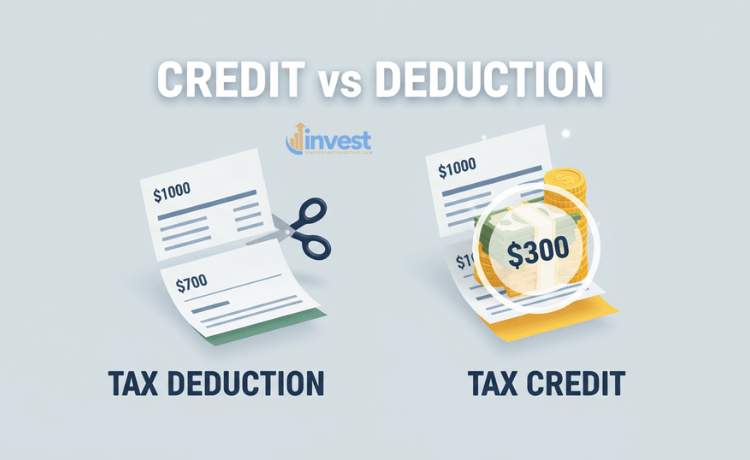
At its simplest level, the Child Tax Credit is a tax benefit designed to help families with the cost of raising children. Unlike a tax deduction—which simply lowers the amount of income you are taxed on—a tax credit is a dollar-for-dollar reduction of your actual tax bill.
Imagine you finish your tax return and realize you owe the IRS 5,000 dollars. If you have two children who qualify for the full Child Tax Credit, you might be eligible for a credit of 2,200 dollars per child. Instead of writing a check for 5,000 dollars, you would subtract 4,400 dollars (two times 2,200 dollars) from that bill. Now, you only owe the IRS 600 dollars. This is why credits are so much more valuable than deductions.
Why Beginners Often Get It Wrong
Many people new to investing and finance confuse “tax credits” with “tax refunds.” They think that if they qualify for a 2,200 dollar credit, the government will simply mail them a check for that amount regardless of their situation.
The Financial Reality
In reality, the Child Tax Credit primarily works by reducing what you owe. If you don’t owe any taxes to begin with, the way you receive the money changes. While part of the credit is “refundable” (meaning you could get it as a refund even if you owe zero taxes), it is not always the full amount. Understanding this distinction helps you plan your household budget more accurately rather than waiting for a “windfall” that might be smaller than expected.
Who is a “Qualifying Child” for the Child Tax Credit?
The IRS has very specific rules about who counts as a child for this credit. You cannot simply claim any young person in your life; they must meet several “tests” to ensure they qualify.
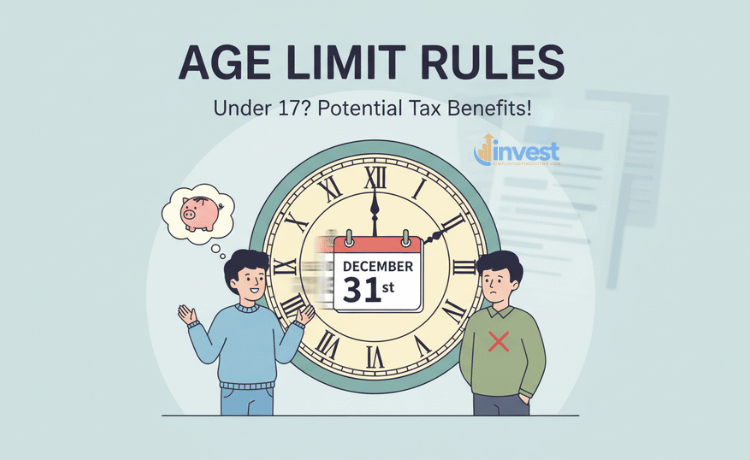
First, the Age Test. To qualify for the full Child Tax Credit, the child must be under the age of 17 at the very end of the year. This is a common trap for parents. If your child celebrates their 17th birthday on December 31st, they are considered 17 for the entire year in the eyes of the IRS, and you lose the full 2,200 dollar credit for them.
Second, the Relationship Test. The child must be your son, daughter, stepchild, foster child, brother, sister, or a descendant of any of those (like a grandchild or nephew). As long as they are legally related to you or placed with you by an authorized agency, they usually pass this test.
Third, the Support Test. The child cannot provide more than half of their own financial support. If you have a 16-year-old who works a high-paying gig or has a successful YouTube channel and pays for all their own food, rent, and clothes, they might not qualify.
Real-Life Example: The “Birthday Trap”
Let’s look at Sarah, a single mom who works at Amazon. She has a son, Leo, who turns 17 on December 20th of this year. Sarah assumes she will get the 2,200 dollar Child Tax Credit just like she did last year. However, because Leo is 17 before the clock strikes midnight on New Year’s Eve, Sarah no longer qualifies for the main credit. Instead, she may only qualify for a smaller 500 dollar “Credit for Other Dependents.”
The Correct Mindset
Instead of assuming your “kids” are always covered, you should check their ages every January. If a child is turning 17 this year, you need to adjust your budget to account for the fact that your tax bill will likely be 1,700 dollars higher than last year (the difference between the 2,200 dollar credit and the 5,000 dollar secondary credit).
Income Limits and the “Phase-Out”
The government wants to help families, but they focus the most help on low-to-middle-income households. This is handled through something called a “Phase-Out.”

For the current year, the full Child Tax Credit is available if your income is below a certain level. For married couples filing together, that limit is 400,000 dollars. For everyone else, such as single parents, the limit is 200,000 dollars. Once your income goes above these marks, the credit starts to disappear, or “phase out.”
The math is simple: for every 1,000 dollars you earn over the limit, the IRS reduces your credit by 50 dollars.
Example: The Successful Tech Couple
Consider Mark and Emily, a married couple who both work at Google. Their combined income this year is 410,000 dollars. Since they are 10,000 dollars over the 400,000 dollar limit, the IRS will reduce their credit.
Since they are 10 units of “1,000 dollars” over the limit, they multiply 10 by 50 dollars, which equals a 500 dollar reduction. If they have one child, instead of getting the full 2,200 dollar credit, they will only receive 1,700 dollars.
Common Misconception
Many beginners believe that if they earn just one dollar over the 400,000 dollar limit, they lose the entire credit immediately. They worry that a small raise or a bonus at work will “ruin” their taxes.
The Logic Adjustment
Tax credits are rarely “all or nothing.” The phase-out is a gradual slope, not a cliff. Earning more money is almost always better for your bottom line, even if it slightly reduces your tax credits. You shouldn’t turn down a 5,000 dollar raise just to save a 250 dollar portion of a tax credit.
What if You Owe Zero Taxes? (Refundability)
One of the most confusing parts of the Child Tax Credit is what happens when your tax bill is very low. Suppose you are a part-time worker or a student, and after all your deductions, you don’t actually owe the IRS any money. Does the credit just vanish?

Not entirely. This is where the Additional Child Tax Credit (ACTC) comes in. While the main credit is used to wipe out what you owe, a portion of it is “refundable.” This year, up to 1,700 dollars per child can be sent to you as a refund check even if you owe zero in taxes.
To qualify for this “cash back” version, you must have earned at least 2,500 dollars during the year. The IRS uses a formula based on your earnings to decide exactly how much of that 1,700 dollars you get.
Real-Life Example: The Starting Investor
Imagine David, who is just starting his career and earns 20,000 dollars a year. Because of the “Standard Deduction,” David actually owes 0 dollars in federal income tax. David has one daughter. He can’t use the credit to “lower” his tax bill because the bill is already zero. However, because the credit is partially refundable, David could receive a refund check for 1,700 dollars from the IRS simply for being a working parent.
The Newbie Error
Many parents who don’t owe taxes assume they don’t even need to file a tax return. They think, “If I don’t owe anything, why bother with the paperwork?”
The Pro-Active Shift
By not filing, you are essentially leaving 1,700 dollars (per child!) on the table. Even if your income is low enough that you aren’t required to file, you should still do so to claim the refundable portion of the Child Tax Credit. It is essentially a payment from the government to help you buy essentials like diapers, milk, or school clothes.
Important Documents: The Social Security Requirement
For 2026, the IRS is very strict about identification. To claim the Child Tax Credit, both you and your child must have valid Social Security Numbers (SSNs) issued before the tax filing deadline.

In previous years, some people could use an “Individual Taxpayer Identification Number” (ITIN) for their children, but under current rules, the child must have an SSN that is valid for employment in the U.S. If your child has an ITIN instead, you might still be able to claim the smaller 500 dollar “Credit for Other Dependents,” but you will miss out on the large 2,200 dollar credit.
Common Mistakes to Avoid
Even seasoned taxpayers make errors with the Child Tax Credit. Here are the most frequent blunders and how to avoid them.
1. Double-Dipping in Split Households
If parents are divorced or live apart, only one person can claim the child for the Child Tax Credit. The IRS “Tie-Breaker” rules usually give the credit to the parent the child lived with for the majority of the year. If both parents try to claim the same child, the IRS will flag both returns, delaying refunds for months.
The Fix: Communicate with your co-parent before filing. Use a written agreement if necessary to decide who gets the credit each year.
2. Missing the “Credit for Other Dependents”
If your child is 17 or 18, or if you are supporting an elderly parent or a college student under 24, don’t ignore them! While they don’t qualify for the 2,200 dollar Child Tax Credit, they often qualify for a 500 dollar credit.
The Fix: Always list all your dependents on your tax return. The software or your accountant will help determine which credit applies.
3. Forgetting to Track Residency
The child must live with you for more than half the year (at least six months and one day). Temporary absences like going to summer camp, boarding school, or being in the hospital still count as “living with you.”
The Fix: Keep a simple calendar or record if your living situation is complicated. Being able to prove the child lived with you is vital if the IRS ever asks questions.
The “Trump Account” Pilot Program
A new addition this year is a pilot program often referred to as “Trump Accounts.” For certain children born between early last year and the end of 2028, the government may deposit 1,000 dollars into a special savings account.
While this is separate from the Child Tax Credit, it shows how important it is to keep your records updated with the IRS. To be eligible for these types of benefits, you must ensure your child has their Social Security Number registered as soon as possible after birth.
Summary of the Child Tax Credit for 2026
To wrap everything up, here is what you need to remember as you head into tax season:
- The Amount: You can claim up to 2,200 dollars for each qualifying child under age 17.
- The Refund: If you don’t owe taxes, you can still get up to 1,700 dollars back as a refund, provided you earned at least 2,500 dollars.
- The Limits: If you make more than 200,000 dollars (single) or 400,000 dollars (married), your credit will be reduced.
- The ID: Every child must have a Social Security Number to get the full credit.
Tax laws can be dense, but the Child Tax Credit is designed to be a direct helping hand. Whether you use that money to start a small investment for your child’s future in a stock like Apple (AAPL) or simply use it to cover the rising cost of utilities, it is a benefit you have earned as a parent.
Regulations and specific dollar amounts can change based on new government decisions or inflation adjustments. Always check the current IRS guidelines or talk to a certified tax professional before filing.
Disclaimer: This content is for educational purposes only and does not constitute financial, legal, or tax advice. Tax laws are subject to change, and individual circumstances vary. Please consult with a qualified tax professional regarding your specific situation.