Many people imagine retirement as a single day: on Friday you are in the office, and on Monday you are on a beach for the rest of your life. But for many Americans today, that “all or nothing” approach feels a bit jarring. You might love what you do but hate the forty-hour grind. Or perhaps you are worried about whether your savings are truly ready to support you for thirty years.
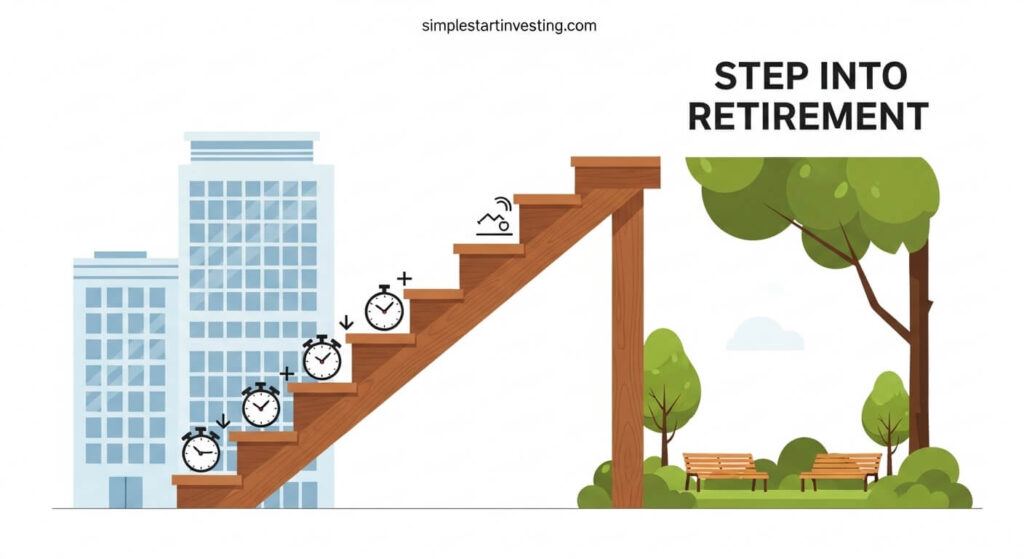
This is where phased retirement comes in. Instead of jumping off a cliff into total leisure, you take a staircase. You slow down gradually, reducing your hours over a few years while staying connected to your career. It is a strategy that is becoming the new gold standard for entering your later years with confidence and balance.
In this guide, we will break down exactly how this transition works, why it is often misunderstood, and how you can manage your money and benefits while you downshift. Whether you are five years away from retirement or already starting to feel the burnout, understanding this path can change your entire outlook on the future.
What Exactly Is Phased Retirement?
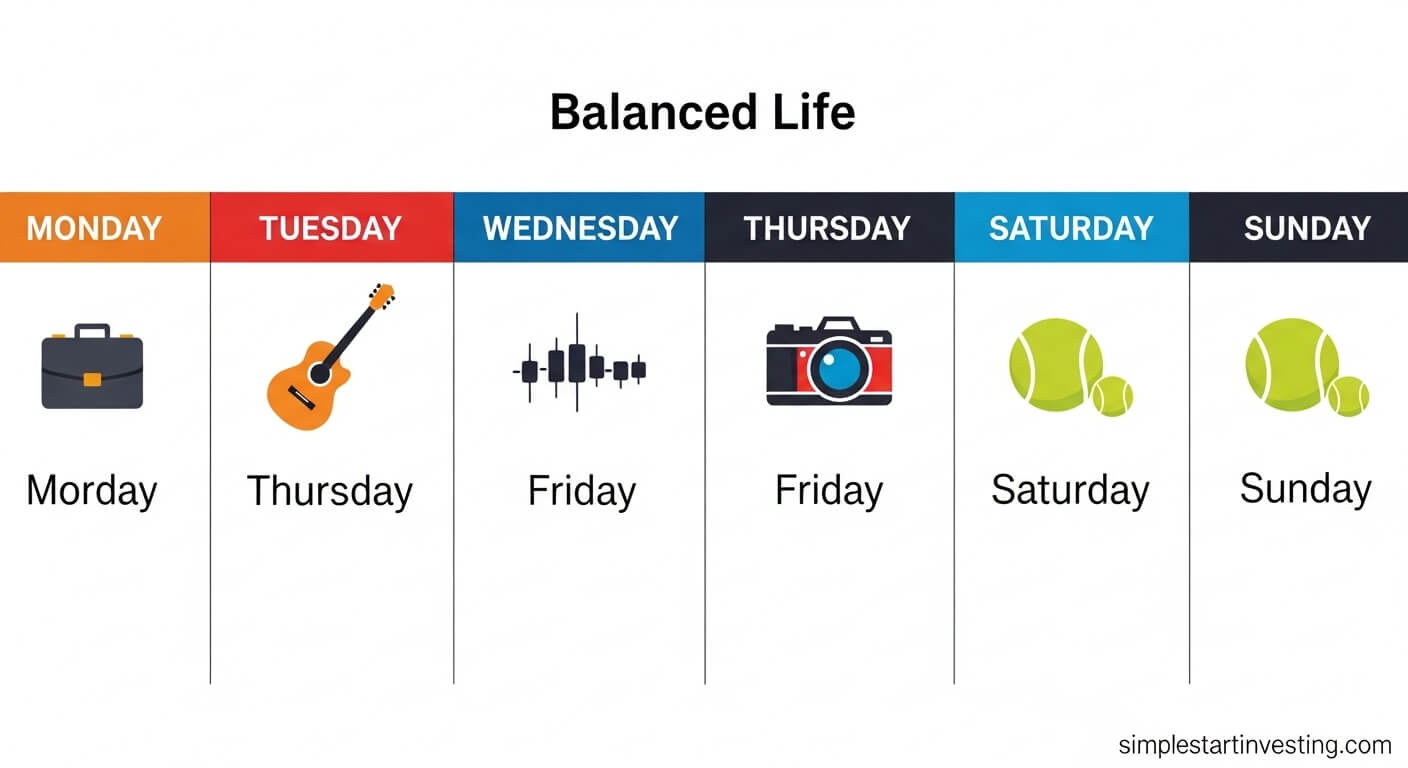
At its simplest, phased retirement is a bridge. It is a formal or informal arrangement where an employee gradually reduces their workload before fully retiring. Instead of a hard stop, you might move from five days a week to three, or perhaps you transition from a management role into a part-time consulting or mentoring role.
For some, it means staying with the same company. For others, it means finding a “bridge job”—a lower-stress position in a completely different field that keeps some cash flowing while they start to enjoy more free time. The goal is to keep your professional skills sharp and your bank account healthy while you test-drive what life looks like without a full-time schedule.
Why the “Cold Turkey” Retirement Is Fading
In the past, pensions and different social norms made a clean break very common. You hit age 65, got a gold watch, and started your pension. Today, the landscape in the U.S. is very different. Most of us rely on 401(k) plans or IRAs, and our life expectancy is much higher.
Stopping work completely at 62 or 65 can be a shock to both your finances and your mental health. Working is more than just a paycheck; it provides social interaction, a sense of purpose, and a daily routine. Phased retirement allows you to keep those benefits while reclaiming your time. It gives you the “best of both worlds” during that middle period where you are still capable and driven but want more time for family or hobbies.
The Financial Logic: How the Numbers Actually Work
You do not need a complex spreadsheet to see the power of staying partially employed. Let’s look at a simple example of how this affects your “nest egg”—the total amount of money you have saved for retirement.
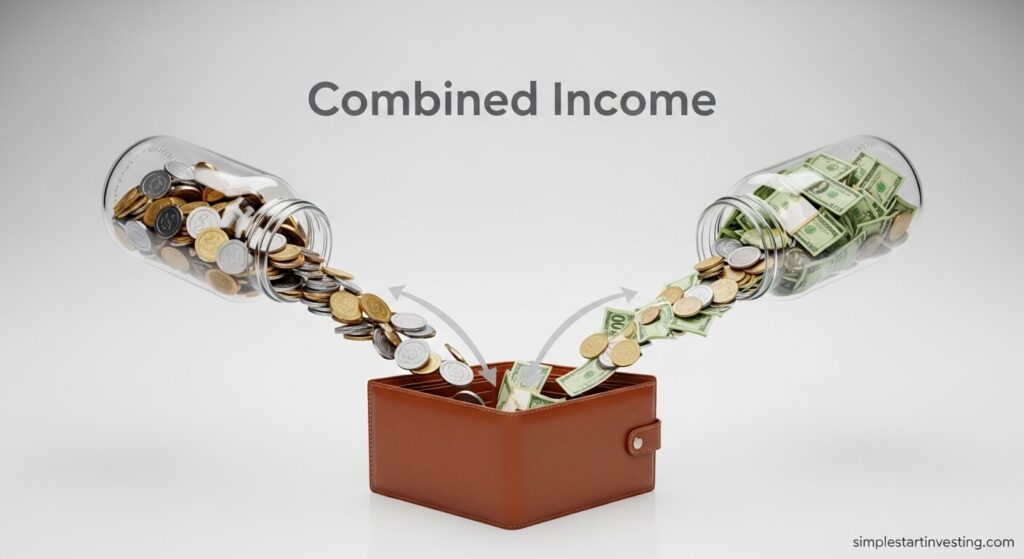
Imagine you need 5,000 dollars every month to cover your mortgage, groceries, and lifestyle. If you retire completely, that entire 5,000 dollars has to come out of your savings or Social Security. If you take 5,000 dollars out every month, your savings account starts to shrink fairly quickly.
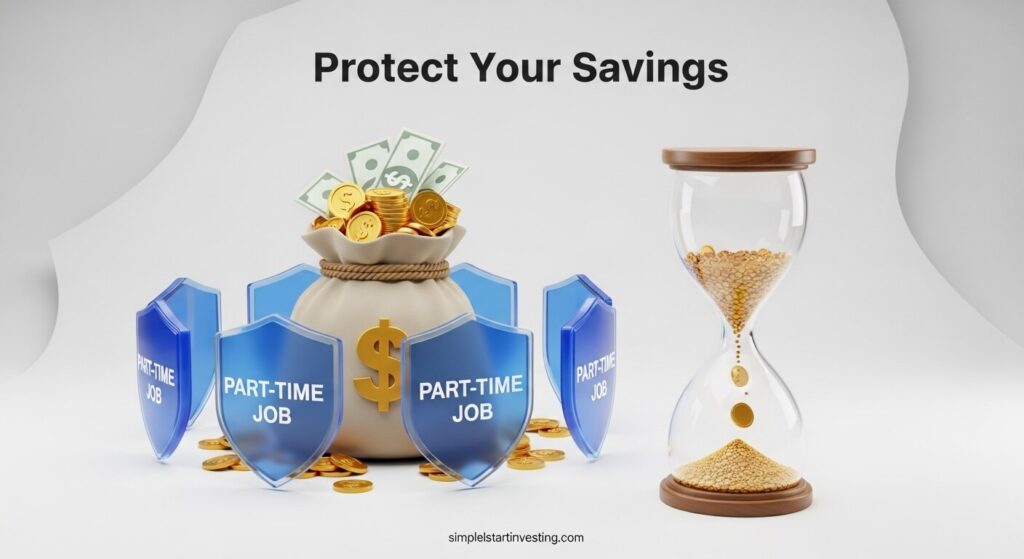
Now, imagine you choose phased retirement. You work two days a week and earn 2,000 dollars a month. Now, you only need to take 3,000 dollars from your savings to reach your 5,000-dollar goal. By earning that 2,000 dollars, you are essentially “protecting” your savings. You are leaving more money in your accounts where it can continue to grow through investments.
Even a small part-time income can have a massive impact over three or five years. It might mean the difference between your money lasting until you are 85 versus lasting until you are 95.
Common Misconceptions About Working in Retirement
One of the biggest hurdles for beginners is the “all-or-nothing” myth. Many people believe that if they start taking any retirement benefits, they are legally forbidden from working. This is not true, but there are rules you need to know.
The Social Security “Earnings Test” Myth
A very common fear is that the government will “take away” your Social Security if you work. Here is the reality: if you have reached your Full Retirement Age (which is currently between 66 and 67 for most people), you can earn as much as you want with no reduction in benefits.
If you are younger than that and start taking benefits early while still working, the Social Security Administration does have a limit on how much you can earn. If you earn over a certain limit (which changes slightly every year), they might temporarily withhold some of your benefit checks. However, they don’t “take” the money forever. Once you hit your full retirement age, they recalculate your monthly payment upward to give you back what was withheld.
The 401(k) Access Myth
Many people think they cannot touch their employer-sponsored retirement plan if they are still working for that company. While every plan is different, many allow for what is called an in-service distribution. This means once you reach age 59 and a half, you may be able to start taking some money out of your 401(k) even while you are still working part-time for that same employer. This can be a great way to supplement a reduced paycheck.
The Healthcare Hurdle: Medicare vs. Employer Plans
Perhaps the biggest “fear factor” in phased retirement is health insurance. In the U.S., most people get their coverage through work. If you move from full-time to part-time, you might lose your eligibility for the company’s health plan.
If you are 65 or older, this is less of a problem because you become eligible for Medicare. You can often drop your work insurance and move to Medicare while continuing to work your reduced hours.
However, if you are planning to “phase out” at age 60, you have a five-year gap before Medicare kicks in. This is a critical time to check your company’s policy. Some companies offer health benefits to employees who work at least 20 or 30 hours a week. If you can negotiate a phased schedule that stays above that threshold, you might be able to keep your insurance. If not, you may need to look at the Health Insurance Marketplace or use COBRA (a way to keep your work insurance for a limited time, though it is usually very expensive).
Navigating Taxes When You Have Two Income Sources
When you are in phased retirement, your tax situation gets a little more “busy.” Instead of just one W-2 from your job, you might have:
- Wages from your part-time work.
- Withdrawals from a Traditional IRA or 401(k).
- Possibly Social Security benefits.
All of these are generally considered taxable income. A common mistake beginners make is not withholding enough tax from their part-time paycheck. Because your total income comes from several places, your tax bracket might be higher than your part-time employer realizes.
Think of it like a bucket. Your part-time job fills the bottom of the bucket. Your retirement withdrawals fill the middle. Your Social Security fills the top. The IRS looks at how full that bucket is at the end of the year to decide your tax rate. It is often wise to talk to a tax professional to ensure you are sending enough to the IRS throughout the year so you don’t get a surprise bill in April.
How to Propose Phased Retirement to Your Boss
If your company doesn’t have a formal policy, you might feel nervous about asking. However, you have more leverage than you think. Replacing an experienced employee is expensive and time-consuming for a company.
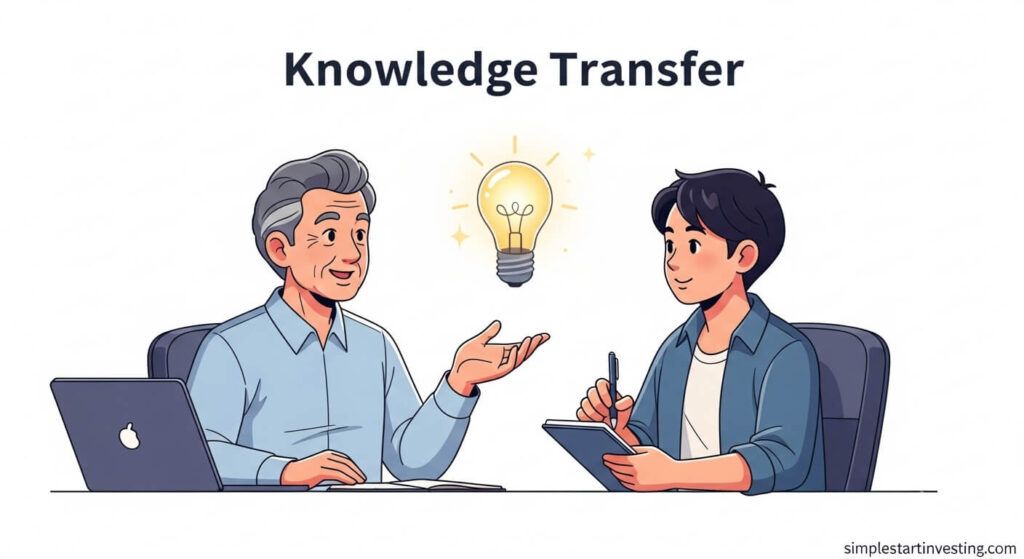
When you propose a phased retirement, frame it as a “Knowledge Transfer” plan. Tell your manager: “I want to ensure that all the institutional knowledge I’ve gained stays in the company. By moving to three days a week, I can spend the next year mentoring my successor and ensuring a smooth handoff.”
Most employers would rather have 60% of a great employee than 0% of them. It keeps the workflow steady and gives the company time to find a replacement without the panic of a sudden departure.
The Psychological Transition: Finding Your New Identity
We often focus so much on the money that we forget the “life” part. For forty years, your identity has been tied to your title. When you suddenly have three extra days of “weekend” every week, it can feel lonely or aimless.
Phased retirement acts like training wheels for your social life. It gives you time to find new hobbies, join groups, or volunteer while still having the “anchor” of your job for a few days a week. It allows you to build a new life outside of work gradually. If you find that you are bored on your days off, you can adjust your plan. If you find that you love the freedom, you can accelerate your full retirement.
Checklists for a Successful Transition
To make this work, you need to be organized. Here is a simple mental checklist of things to verify:
- Human Resources: Ask for the specific “hours threshold” required to keep your health and dental benefits.
- Retirement Accounts: Check if your plan allows for Catch-up Contributions. If you are over 50, the IRS allows you to put extra money into your 401(k) or IRA. If you are working part-time, you might still want to contribute to lower your tax bill.
- The “Gap” Strategy: If your part-time pay isn’t enough to cover your bills, decide exactly which account you will pull from first. Usually, people look at taxable brokerage accounts first, then tax-deferred accounts like a 401(k).
- Social Security Strategy: Use the tools on the Social Security Administration website (ssa.gov) to see how your monthly check changes depending on when you start. Remember, every year you wait (up until age 70), your future check gets bigger.
A “Real World” Example of Phased Retirement
Let’s look at Sarah, a school administrator who wants to slow down. She earns 80,000 dollars a year. She decides to move to a part-time consulting role for the school district, working 20 hours a week for 40,000 dollars.
Sarah is 63. She isn’t quite at her Full Retirement Age, so she decides to wait on Social Security so her future checks will be larger. To make up for the 40,000-dollar drop in her salary, she draws 25,000 dollars a year from her IRA and cuts back on some travel expenses.
Because Sarah is still working 20 hours, her district allows her to stay on their health plan for a small fee. Sarah now has four days off a week. She uses that time to start a garden and spend time with her grandkids. She is still “Sarah the Professional” two days a week, but she is “Sarah the Grandma” five days a week. She plans to do this for three years before fully retiring at 66.
By doing this, Sarah has kept 75,000 dollars of her savings untouched (money she would have spent if she retired fully at 63). That money continues to stay invested in the market, potentially growing even more.
Final Thoughts for the Beginner
There is no “right” way to retire. The old way was a cliff; the new way is a ramp. Phased retirement gives you control. It lets you test your finances, secure your healthcare, and transition your identity at your own pace.
If the thought of quitting completely feels scary, or if the math of your retirement savings feels a little tight, this “middle path” might be the most responsible and rewarding choice you can make. Take the time to look at your company’s handbook, check your Social Security estimates, and start the conversation. Your “golden years” don’t have to start with a full stop—they can start with a graceful shift in gears.
Disclaimer: This content is for educational purposes only and does not constitute financial, legal, or tax advice. Regulations regarding Social Security, IRS limits, and retirement accounts change frequently; always consult with a qualified professional or check official government sources like IRS.gov for the most current rules.