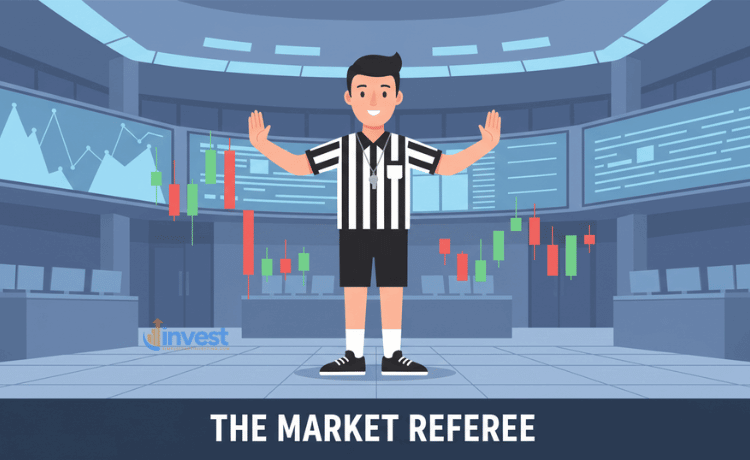
Imagine you are playing a high-stakes game of Monopoly, but there are no rules, and the person across from you is hiding extra money under the board. You would probably stop playing immediately. The stock market is a bit like a massive, real-world game where millions of people put their hard-earned money to work. Without a referee, it would be chaos.
In the United States, that referee is the Securities and Exchange Commission, commonly known as the SEC. If you are new to the world of personal finance or investing, understanding SEC investor protection is your first line of defense. They are the “police” of Wall Street, ensuring that everyone plays by the same rules so you don’t get cheated.
This guide will break down exactly who the SEC is, how they guard your bank account, and why their existence is the reason you can sleep a little better at night while owning shares in your favorite companies.
What is the Securities and Exchange Commission?
At its core, the Securities and Exchange Commission is a government agency created to protect investors and maintain fair, orderly, and efficient markets. It was born in the 1930s following the Great Depression. Back then, many companies lied to investors to get them to buy worthless stocks, leading to a massive economic collapse.
To prevent this from happening again, the U.S. government decided that if a company wants to sell stock to the public, they must tell the truth. The SEC was built to enforce that truth.
The 4-Step Breakdown of SEC Oversight
1. The Simple Explanation Think of the SEC as the health inspector for the stock market. Just as a health inspector ensures a restaurant is clean and the food is safe to eat, the SEC ensures that the “financial food” being sold to you—like stocks and bonds—isn’t “rotten” or full of lies.
2. A Real-World Example Imagine a famous tech company like Apple or Tesla. If these companies want you to buy their stock, they cannot just say, “We are doing great!” They are required by the SEC to release detailed reports every three months. These reports must list exactly how much money they made, how much they spent, and what risks could hurt their business in the future. Because of SEC investor protection, you have access to the same financial data as a billionaire investor.
3. Common Beginner Misconception Many beginners think the SEC is there to make sure they don’t lose money. They assume that if a stock they bought goes down, the SEC failed at its job.
4. The Financial Logic Adjustment The SEC does not protect you from a bad investment; they protect you from a dishonest one. If you buy stock in a company that makes a bad product and the stock price drops, that is a normal market risk. However, if that company lied about their product to trick you into buying the stock, that is where the SEC steps in. Their job is to ensure you have the truth, not to guarantee you a profit.
The Three Pillars of the SEC’s Mission
The SEC operates with three main goals in mind. Understanding these will help you see how the entire American financial system is built to support the individual “retail” investor.
1. Protecting Investors
This is the most important pillar for you. The SEC requires that public companies, investment advisors, and brokers tell the truth about their products and the risks involved in investing. They provide a massive database called EDGAR where any person can look up a company’s financial history for free.
2. Maintaining Fair and Orderly Markets
Have you ever wondered why the price of Amazon stock is the same for you as it is for a giant bank? The SEC monitors trading to prevent “insider trading.” This is when someone with secret information—like a CEO knowing a secret merger—uses that info to buy or sell stock before the public finds out. The SEC works to ensure no one has an unfair “cheat code” in the market.
3. Facilitating Capital Formation
This sounds academic, but it is simple. “Capital formation” just means helping companies raise money. When companies can easily raise money by selling stock to honest investors, they can build more factories, hire more people, and grow the economy. By making the market safe, the SEC makes it possible for the economy to function.
How the SEC Stops Fraud: The Enforcement Power
The SEC isn’t just a library of financial reports; they have “teeth.” When they find a person or a company breaking the rules, they can file lawsuits, freeze bank accounts, and issue massive fines.
Stopping the “Get Rich Quick” Scams
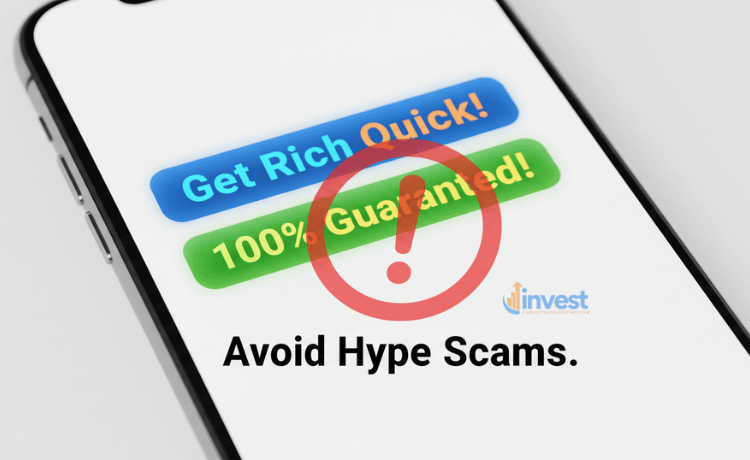
1. The Simple Explanation The SEC looks for people who make “too good to be true” promises. This often includes Ponzi schemes, where a scammer uses money from new investors to pay “returns” to old investors until the whole thing collapses.
2. A Hypothetical Example Let’s say a person on social media claims they have a “secret algorithm” that guarantees a 20 percent return every month. They ask you to send them 1,000 dollars. If this person is not registered with the SEC and is lying about the returns, the SEC can shut them down. In a real case, the SEC might fine the scammer five hundred thousand dollars and ban them from the financial industry for life.
3. Common Beginner Misconception New investors often believe that if a company is “listed” on a stock exchange, it must be a “good” or “safe” company.
4. The Financial Logic Adjustment Being “listed” just means the company has met the paperwork requirements and promised to follow SEC rules. It does not mean the company is a good business. There are many companies listed on the stock market that are losing money every single day. The SEC ensures the company is being honest about losing money, but they won’t stop you from buying a “loser” stock if that’s what you choose to do.
SEC vs. SIPC vs. FDIC: Who Does What?
This is one of the most confusing parts of the US financial system for beginners. You see these acronyms everywhere, and they all sound the same. Let’s clear the air.
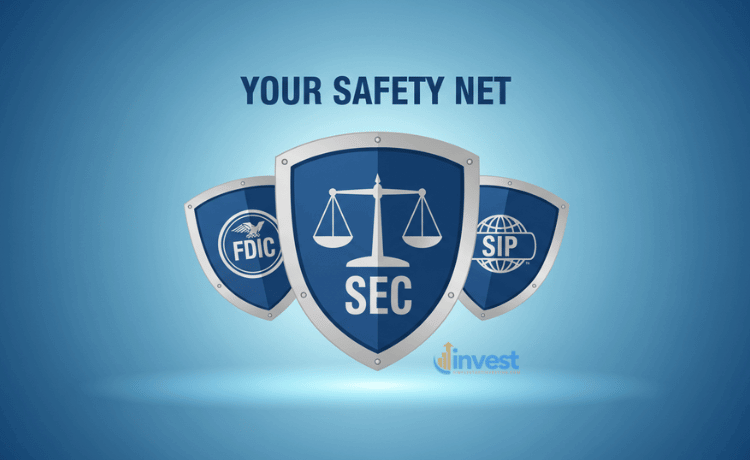
The FDIC (Federal Deposit Insurance Corporation)
This protects your cash in a bank account. If your bank goes out of business, the government guarantees your money up to 250,000 dollars.
The SIPC (Securities Investor Protection Corporation)
This is for your brokerage account (where you buy stocks). If your broker (like Charles Schwab or Fidelity) goes bankrupt, the SIPC helps recover your stocks and cash up to 500,000 dollars.
The SEC (Securities and Exchange Commission)
The SEC does not insure your money. Instead, they write the rules that the FDIC and SIPC must follow. They are the lawmakers and the police. While the SIPC replaces your “stolen” or “lost” shares if a broker fails, the SEC makes sure the broker was behaving legally in the first place.
The Power of Transparency: Why “Full Disclosure” Matters
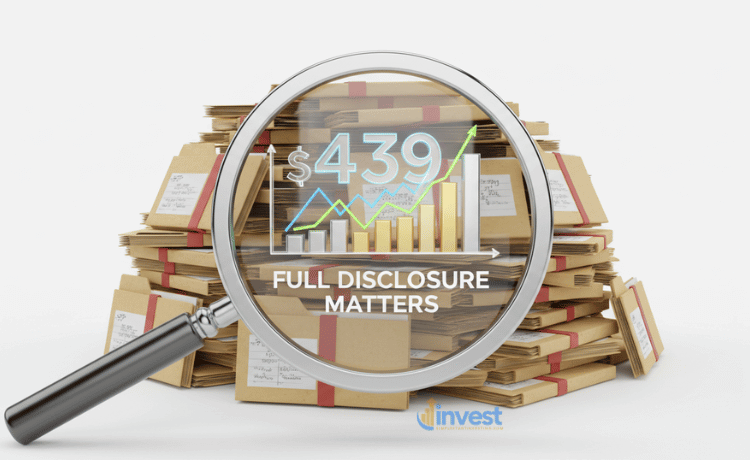
The biggest weapon the SEC gives you is disclosure. In the world of SEC investor protection, information is the ultimate equalizer.
Before the SEC existed, if you wanted to buy stock in a railroad company, you had to hope the CEO wasn’t lying to you. Today, every public company must file a document called a 10-K every year.
Reading Between the Lines
When you look at a 10-K for a company like Walmart or Costco, you will find a section called “Risk Factors.” The SEC forces these companies to list every single thing that could go wrong. They might say, “If the price of gas goes up, our shipping costs will rise, and our profits will drop.”
1. The Simple Explanation A 10-K is like a company’s “annual physical exam” report from a doctor, and it is open for the whole world to see.
2. A Real-World Example During a recent year, many companies had to disclose how supply chain issues were hurting their business. Because of the SEC, they couldn’t hide these problems. Investors saw the reports, understood the risks, and decided whether the stock was still worth the price.
3. Common Beginner Misconception Many beginners think these long financial reports are only for professional “Wall Street” guys with math degrees.
4. The Financial Logic Adjustment While the reports are long, the SEC has pushed for “Plain English” rules. This means companies are encouraged to write in a way that a normal person can understand. You don’t need a math degree to read the “Risk Factors” or the “Business Overview” section. Reading these is how you move from “gambling” to “investing.”
Protecting Yourself: What You Can Do Today
The SEC works hard, but they cannot be everywhere at once. You are your own best advocate. Here are the steps the SEC recommends for every new investor in the American market:
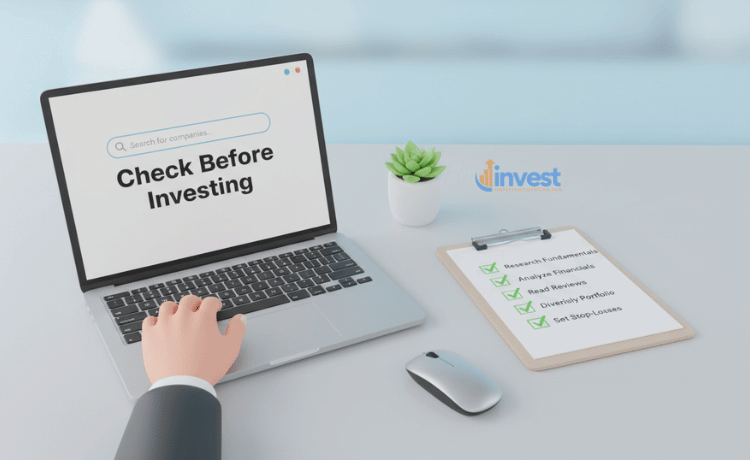
Check Before You Invest
Never give your money to a broker or financial advisor without checking their background. The SEC provides a free tool called Investor.gov. You can type in the name of a person or a firm to see if they are licensed and if they have any “black marks” (disciplinary actions) on their record.
Watch Out for “Social Media Tips”
In recent years, “finfluencers” (financial influencers) have become popular on TikTok and YouTube. The SEC has been very clear: many of these people are paid to promote stocks without telling you. This is a violation of SEC investor protection rules. If someone is shouting about a stock but isn’t disclosing that they were paid to talk about it, be very careful.
Understand “Fees”
The SEC requires investment funds (like Mutual Funds or ETFs) to disclose their fees in a document called a Prospectus. If a fund charges you a fee of 1 percent every year, and you have 10,000 dollars invested, you are paying 100 dollars a year. Over thirty years, those fees can eat up a huge portion of your savings. The SEC makes sure these fees are not hidden in the fine print.
The Digital Frontier: Crypto and the SEC
One of the hottest topics this year is how the SEC handles Cryptocurrency. The rules here are still evolving. The SEC’s current stance is that many digital coins are actually “securities” (like stocks) and should follow the same rules of honesty and disclosure.
If you are looking at crypto, remember that SEC investor protection is still catching up to this technology. This means that many crypto platforms do not have the same level of oversight as a traditional stockbroker. Always check the current regulations or consult a professional before diving deep into “new” financial products that seem to bypass traditional rules.
Why the SEC Makes You a Better Investor
Without the SEC, the stock market would be a “buyer beware” environment where only the most powerful people win. Because of the rules they enforce, you—the person starting with 50 dollars or 100 dollars—have a fighting chance.
You have the right to:
- Accurate information.
- Fair treatment by your broker.
- A market where “cheating” is punished.
By understanding the role of the Securities and Exchange Commission, you move from a place of fear to a place of empowerment. You aren’t just “throwing money at a screen.” You are participating in a regulated, transparent system designed to help you build wealth over the long term.
Summary of Key Points:
- The SEC is the referee, not the coach. They make sure the rules are followed but don’t play the game for you.
- Disclosure is your best friend. Always look for the official filings before trusting a “hot tip.”
- Check your sources. Use Investor.gov to verify that your financial help is legitimate.
- Don’t confuse “Legal” with “Profitable.” A company can follow every SEC rule and still be a bad business that loses money.
As you continue your journey through the “Investing 101” section of our site, keep the SEC in mind. They are the foundation upon which all your other investment knowledge is built.
Disclaimer: This content is for educational purposes only and does not constitute financial advice. Investment rules and SEC regulations may change; please check current guidelines or consult with a qualified professional before making financial decisions.