
If you have ever looked at your paycheck and wondered why so much of your hard-earned money disappeared before it even hit your bank account, you are not alone. Most of us start our financial journey in the same boat: trading our time for a steady salary. In the eyes of the government, specifically the Internal Revenue Service (IRS), not all dollars are treated the same.
Understanding the difference between passive vs. active income is one of the most important steps you can take to build long-term wealth. It is the “secret code” that separates people who work for every penny from those who make their pennies work for them. While it might sound like boring tax talk, knowing these categories can literally save you thousands of dollars over your lifetime.
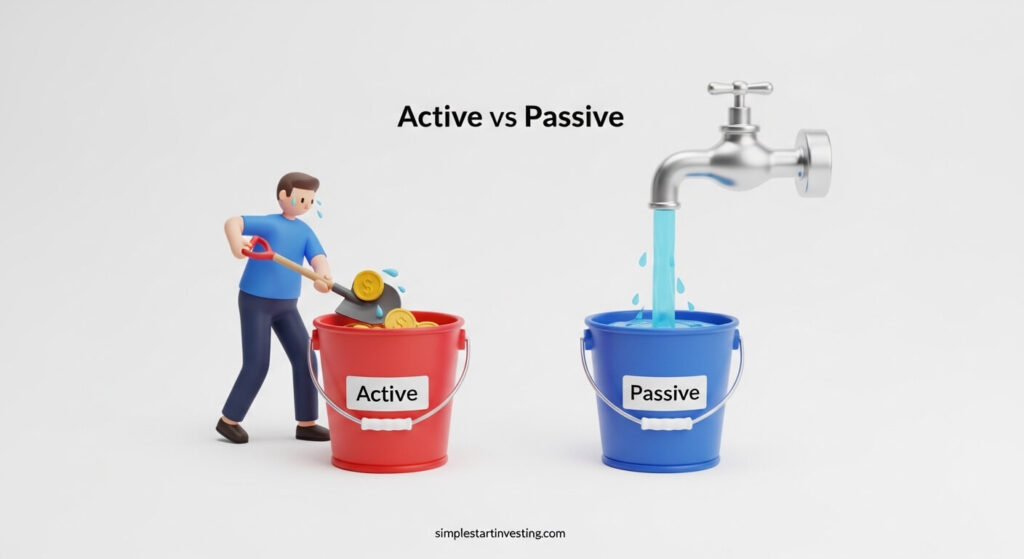
When we talk about making money, we usually think about “how much” we make. But the IRS cares much more about “how” you made it. Depending on which “bucket” your money falls into, you might owe more in taxes, or you might be eligible for special deductions that lower your bill. Let’s break down these buckets so you can start making smarter decisions with your time and your investments.
Active Income: The “Trading Time for Money” Bucket
Most Americans spend their entire lives in the active income bucket. This is often called earned income. If you have a job where you show up, perform a task, and get paid a salary or an hourly wage, you are earning active income. Whether you are a barista, a high-powered attorney, or a freelance graphic designer, you are actively participating in the creation of that wealth.
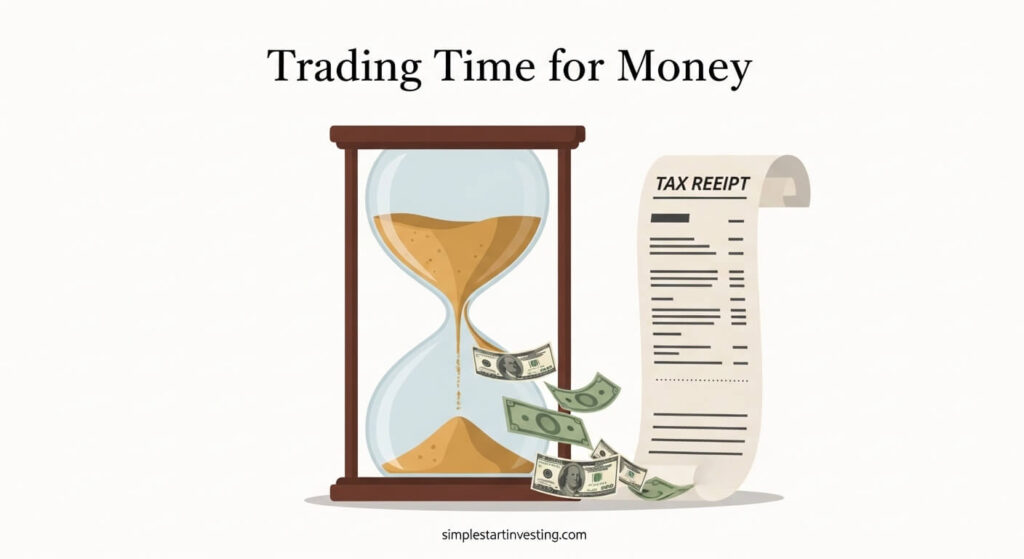
The IRS views this as your primary way of making a living. Because you are “materially participating” in a trade or business, the tax rules are quite straightforward, but they are also the most expensive. When you earn active income, you are hit with two main types of taxes: federal income tax and payroll taxes.
Payroll taxes are what cover Social Security and Medicare. If you work for an employer, you pay about 7.5% of your income toward these, and your boss pays the other 7.5%. If you are self-employed or a freelancer, you have to pay the whole 15.3% yourself. This is often a shock to new business owners who realize that active income comes with a heavy “entry fee” just for the right to work.
Why Active Income is the Most Taxed
The reason active income feels so heavy on your wallet is that there are very few ways to “hide” or “shield” it from the IRS. You get paid, and the government takes its share immediately. While you can contribute to a 401k or an IRA to lower your taxable amount, the bulk of your active earnings is taxed at your ordinary income tax rate.
As you earn more money through your job, you move up into higher tax brackets. This means the more you work and the more you succeed, the higher the percentage the government takes from your last dollar earned. This is why people often feel like they are running on a treadmill—they work harder to earn more, but their tax bill grows right along with them.
For a beginner, it is vital to realize that while active income is great for paying the bills today, it is the least efficient way to build wealth for tomorrow. You are limited by the number of hours in a day. You can only work so much, and the IRS will always be there to take a significant portion of that time-based effort.
Passive Income: The IRS’s Specific Definition
This is where things get interesting—and where many beginners get confused. In the world of social media, “passive income” is often used to describe anything that makes money while you sleep, like dividend stocks or selling digital courses. However, the IRS has a much stricter and more technical definition of passive vs. active income.
To the IRS, passive income generally comes from two sources: rental activities or a business in which you do not “materially participate.” This means you have put money into something, but you aren’t the one doing the day-to-day work to keep it running.
A classic example of passive income is owning a small stake in a friend’s pizza shop. If you gave them money to open the shop but you never flip a pizza or manage the staff, the profit you receive is considered passive. Another major category is rental real estate. Even if you manage the property yourself, the IRS generally classifies rental income as passive, provided you aren’t a “real estate professional” as your full-time job.
The Hidden Power of Passive Losses
One of the biggest reasons wealthy individuals love passive income isn’t just the money coming in—it’s how they can handle the money going out. In the tax world, “losses” can sometimes be a good thing.
Let’s say you own a rental property. Between the mortgage interest, repairs, and a special non-cash expense called depreciation (which accounts for the wear and tear on the building), your property might show a “loss” on paper, even if you actually have extra cash in your pocket at the end of the month.
With passive vs. active income, the IRS usually says that passive losses can only be used to offset passive income. You can’t usually use a “loss” from your rental property to lower the taxes you owe on your doctor’s salary. However, those passive losses can be “carried forward” to future years. This creates a powerful shield that can make your future passive earnings almost tax-free for a long time.
Portfolio Income: The Third Player in the Game
Wait, what about stocks and bonds? Many people assume that because they don’t “work” for their stock market gains, those gains must be passive income. Technically, the IRS puts these into a third bucket called portfolio income.

Portfolio income includes things like interest from your bank account, dividends from owning shares in a company like Apple or Costco, and capital gains (the profit you make when you sell an investment for more than you paid).
While many people use the term “passive” to describe their stock portfolio, the IRS treats it differently. The good news is that portfolio income often gets the best tax rates of all. If you hold a stock for more than a year before selling it, you pay “long-term capital gains tax,” which is significantly lower than the ordinary income tax you pay on your salary. For many people, this rate could be as low as 15% or even 0%, depending on their total income.
The “Material Participation” Test: Are You Actually Passive?
The IRS is very protective of its tax revenue. They don’t want people simply claiming their active work is “passive” just to avoid payroll taxes. To decide which bucket your income belongs in, they use something called the Material Participation test.
There are several ways to pass this test, but the most common one is the 500-hour rule. If you spend more than 500 hours a year working on a specific business or activity, the IRS considers you an active participant. Your income from that business is now active income, not passive.
Imagine you start an online store. In the beginning, you are spending 20 hours a week building the site, packing boxes, and answering customer emails. Even though you might call this “passive income” because it’s an online business, the IRS sees those hours. Since you are doing the work, they will tax that income just like a regular job. Only when you step back and let the business run itself (perhaps by hiring a manager) does it have the potential to become truly passive in the eyes of the tax man.
Common Misconceptions Beginners Have About Income
One of the most frequent mistakes beginners make is thinking that “passive” means “no work required.” In reality, almost every passive income stream requires either a lot of money upfront or a lot of work at the beginning.
If you want passive rental income, you first have to work an active job to save for a down payment, then spend time finding a good deal and a reliable tenant. The “passivity” only starts after the foundation is built.

Another misconception is that passive income is always better than active income. While the tax benefits are great, active income is usually more predictable and easier to start for most people. The goal shouldn’t be to get rid of active income, but rather to use your active income to “buy” passive income over time.
Think of it like building a dam. Your active income is the water you are carrying in buckets to fill the reservoir. It is hard work. But once the reservoir is full and you build the turbines, the water flows on its own and generates electricity (passive income) without you needing to carry the buckets anymore.
Why Understanding the Difference Changes Your Strategy
When you understand passive vs. active income, you stop looking at your bank balance and start looking at your tax efficiency.
If you are only earning active income, you are paying the maximum amount of tax possible. You are also responsible for the full weight of Social Security and Medicare taxes. By adding passive or portfolio income to the mix, you are essentially giving yourself a raise without actually needing to earn more gross dollars.
For example, if you earned 1,000 dollars at your job, you might only take home 700 dollars after all the various taxes are taken out. But if you earned 1,000 dollars from a long-term investment, you might keep 850 dollars or even the full 1,000 dollars depending on your bracket. Same amount of “profit,” but a very different amount of “spendable cash.”
Moving Toward a More Tax-Efficient Future
For a beginner, the roadmap is clear. You start with active income because that is your primary tool for generating seed money. However, your long-term goal should be to shift your income sources from the “highly taxed” bucket to the “low taxed” or “tax-deferred” buckets.
- Step 1: Maximize your active income while keeping your expenses low.
- Step 2: Use the surplus to invest in portfolio assets (stocks, bonds, ETFs).
- Step 3: Consider adding passive income streams like rental real estate or business partnerships where you don’t do the daily labor.
By diversifying how you make money, you aren’t just protecting yourself from job loss; you are protecting yourself from overpaying the IRS. You are choosing to participate in the parts of the tax code that were designed to reward investors and business owners.
A Note on Professional Guidance
Tax laws in the United States are famous for being complicated. While the concepts of passive vs. active income are consistent, the specific rules, limits, and “phase-outs” change almost every year. The IRS updates its brackets and standard deductions annually to keep up with inflation.
As you begin to build these different streams of income, it becomes increasingly important to keep good records. You need to know exactly how many hours you spent on a business and exactly what your expenses were for your rental property. When tax season rolls around, having this information ready will allow you to claim every deduction you are entitled to.
Remember, the goal of learning about taxes isn’t to break the rules—it’s to follow the rules so well that you don’t pay a penny more than you legally owe. By mastering the distinction between active and passive income, you are taking the first major step toward true financial independence.
Disclaimer: Tax laws are subject to change, and this content is for educational purposes only and does not constitute financial or tax advice. Always consult with a qualified tax professional or CPA regarding your specific situation.