Turning 65 is often seen as a gateway to relaxation and enjoying the fruits of your labor. However, for many Americans, that milestone comes with a giant pile of confusing mail regarding health insurance. You might find yourself staring at brochures for Medicare Part C and Medigap, wondering why the government doesn’t just make this simple. If you are feeling overwhelmed by the “alphabet soup” of Medicare, you are not alone.
The truth is that while Original Medicare (Parts A and B) provides a solid foundation, it was never designed to cover everything. There are “gaps” in the coverage—bills that you are expected to pay out of your own pocket. To protect your savings, you generally have to choose one of two paths: Medicare Part C (also known as Medicare Advantage) or a Medigap policy.

Understanding Medicare Part C vs Medigap is perhaps the most important financial decision you will make in your retirement years. Choosing the wrong one could mean high unexpected medical bills or being locked out of the doctors you trust. Let’s break down these two options so you can move forward with confidence.
What Exactly is Original Medicare Missing?
Before we compare the two solutions, we have to understand the problem. Original Medicare consists of Part A (Hospital Insurance) and Part B (Medical Insurance). It is a great system, but it has two major flaws for the average retiree.
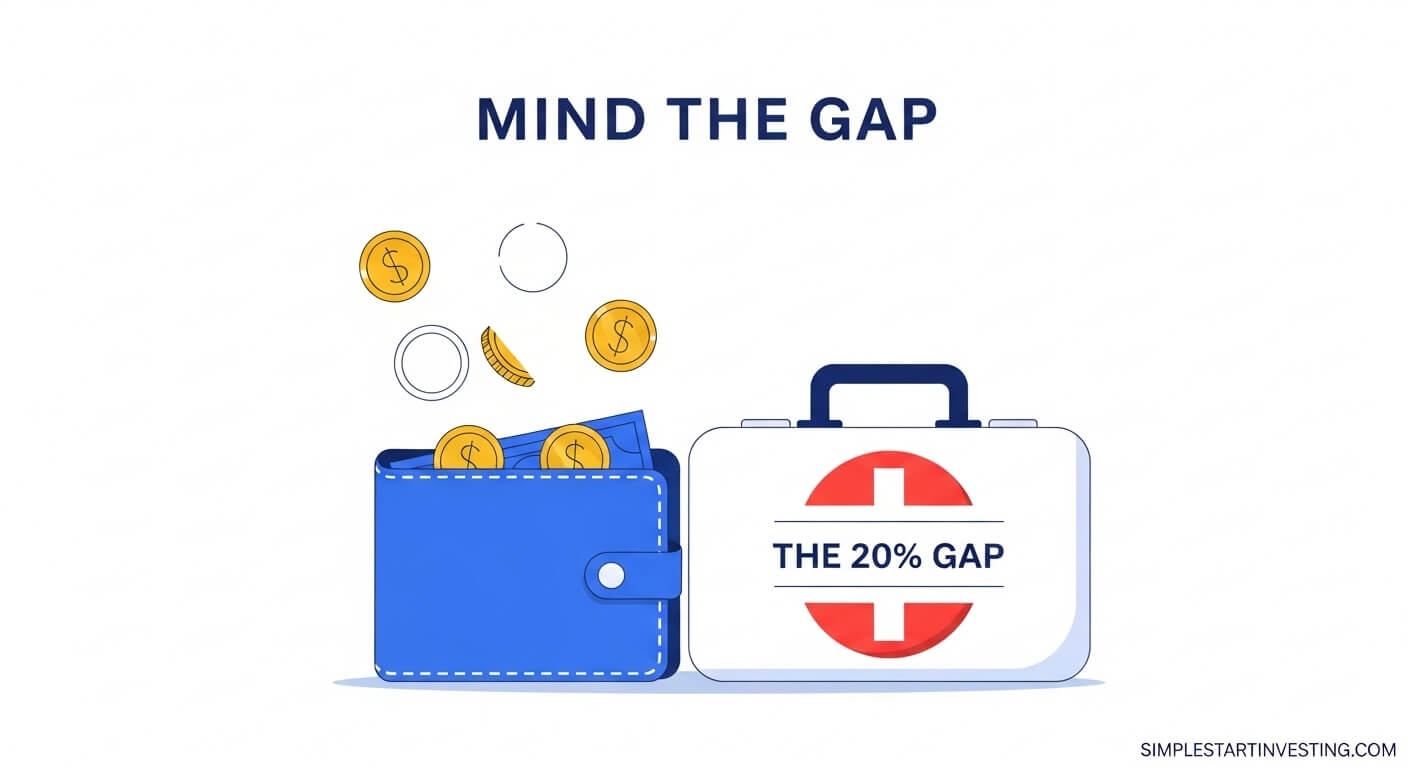
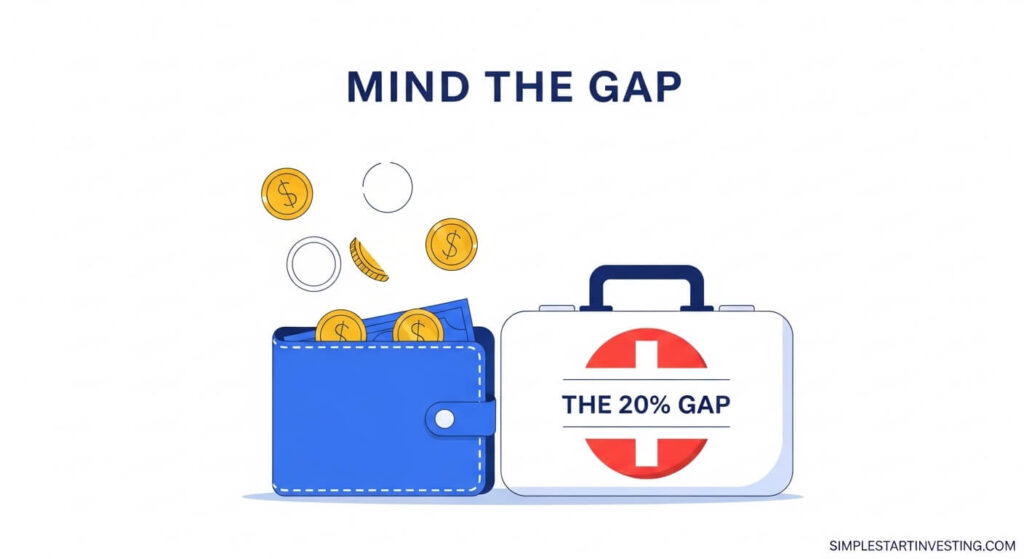
First, Original Medicare generally only pays about 80 percent of your “outpatient” medical costs. If you have a major surgery or a long-term illness, that remaining 20 percent is your responsibility. There is no “cap” or maximum limit on how much you might have to pay in a single year. If your bills are 100,000 dollars, you could be on the hook for 20,000 dollars.
Second, there are deductibles. A deductible is an amount of money you must pay first before the insurance kicks in. For Part A, you pay a significant amount every time you are admitted to the hospital for a new “benefit period.” Without a supplement or an Advantage plan, these costs can drain a retirement account faster than a stock market crash.
Medicare Part C: The “All-in-One” Alternative
Medicare Part C, commonly called Medicare Advantage, is a different way to get your Medicare benefits. Instead of the government paying your doctors directly, the government pays a private insurance company to manage your care.
Think of it like a “bundled” package. When you join a Part C plan, you still have Medicare, but you get your Part A and Part B coverage through the private plan. Most of these plans also include Part D (prescription drug coverage) and extra perks like dental, vision, or gym memberships.

The biggest draw for many people is the price. Many Part C plans have a monthly premium of 0 dollars. This sounds like a dream for someone on a fixed income. However, it is important to remember that “zero premium” does not mean “free.” You still have to pay your monthly Medicare Part B premium to the government, and you will pay “copays” every time you visit a doctor or specialist.
Medigap: The “Bridge” Over the Holes
Medigap, also known as Medicare Supplement Insurance, works very differently. It does not replace Original Medicare; it sits on top of it. You keep your red, white, and blue Medicare card, and you buy a second policy from a private company to pay for the 20 percent that Medicare leaves behind.
If Original Medicare is the foundation of your house, Medigap is the roof that keeps the rain off your head. When you go to the doctor, Medicare pays its share first, and then your Medigap plan automatically pays the rest (or most of it), depending on which “letter” plan you choose.

People love Medigap because it offers incredible predictability. If you have a high-level Medigap plan, you might go the entire year without ever seeing a medical bill, no matter how many times you visit the hospital. You pay a higher monthly premium upfront, but in exchange, you get peace of mind and total freedom of choice.
The Network Conflict: Freedom vs. Convenience
One of the most significant differences in the Medicare Part C vs Medigap debate involves who you can see for your healthcare. This is where many beginners make a mistake that they later regret.
With a Medigap plan, you can go to any doctor, specialist, or hospital in the entire United States, as long as they accept Medicare. You do not need a referral. If you want to see a heart specialist in another state, you just make the appointment. This is a huge advantage for “snowbirds” who live in different states throughout the year or for those who want the best specialists regardless of location.

Medicare Part C (Advantage) plans usually operate within a “network.” This is similar to the insurance you likely had through an employer. You might be in an HMO, where you must choose a primary care doctor and get a referral to see a specialist. Or you might be in a PPO, which allows you to go outside the network but at a much higher cost. If your favorite doctor leaves the network, you might have to find a new doctor or pay the full price yourself.
How the Money Works: Premiums vs. Out-of-Pocket Costs
Let’s look at the financial logic of these two paths. It’s a classic trade-off between paying now or paying later.
The Medigap Math (Pay Now, Save Later)
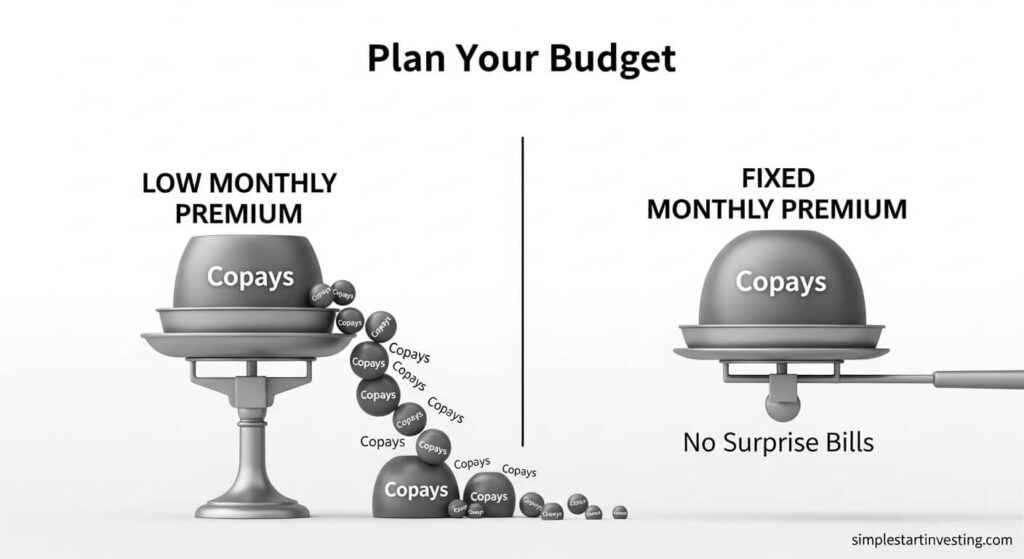
Imagine you choose a Medigap plan. You might pay a monthly premium of 150 dollars. Over a year, that is 1,800 dollars. However, if you break your leg or need a complicated surgery, the plan covers your deductibles and coinsurance. Your total cost for the year stays very close to that 1,800 dollars. It is a “fixed” cost that is easy to put into a monthly budget.
The Medicare Part C Math (Save Now, Pay Later)
Now, imagine you choose a Part C plan with a 0 dollar premium. You save that 150 dollars every month. But then, you get sick. You might pay a 35 dollar copay for every specialist visit, 300 dollars for an ER visit, and 250 dollars per day for a hospital stay. If you have a bad health year, you could end up paying several thousand dollars in “out-of-pocket” costs.
Part C plans have a “Maximum Out-of-Pocket” limit, which is the most you would have to pay in a year. Currently, this limit can be as high as 8,000 dollars or more for some plans. For someone on a tight budget, a sudden 5,000 dollar bill is much harder to handle than a predictable monthly premium.
The Hidden Trap: The “Health Door” and Switching Plans
This is the part that many insurance agents don’t explain clearly to beginners. There is a specific “window” of time when you first turn 65 called the Medigap Open Enrollment Period.
During this six-month window, an insurance company must sell you a Medigap policy at the best price, regardless of your health history. They cannot ask about your heart condition, your diabetes, or your history of cancer. This is called “guaranteed issue.”

However, once that window closes, in most states, you lose that protection. If you start with a Medicare Part C plan because it’s cheaper, and three years later you get a serious illness and decide you want to switch to Medigap for better coverage, the insurance company can “underwrite” you. They can look at your health records and say, “No, you are too sick, we won’t sell you a policy,” or they can charge you a much higher price.
Many people think they can just try Part C for a few years and switch to Medigap if they get sick. In reality, that “health door” might be locked by the time you need to walk through it.
Prescription Drugs: The Extra Step
When you look at Medicare Part C, you will notice that almost all plans include “Part D,” which is the prescription drug portion. It’s a convenient one-card system. You show your plan card at the pharmacy, and you are covered.
Medigap is different. Medigap plans sold today are not allowed to include prescription drug coverage. This means if you choose Medigap, you actually need three things:
- Original Medicare (Parts A and B)
- A Medigap Policy
- A separate “Stand-alone” Part D Prescription Drug Plan
While this sounds more complicated, it actually gives you more control. You can pick the drug plan that specifically covers the medications you take, rather than being stuck with whatever drug list comes with your Advantage plan.
Why Beginners Often Misunderstand the Choice
The most common misconception is that Medicare Advantage (Part C) is “free Medicare.” It’s an easy mistake to make because of the aggressive TV commercials featuring celebrities. They promise extra money in your Social Security check and “free” dental and vision.
While those perks are real, they are often “limited.” For example, a Part C plan might give you 1,000 dollars for dental work, but if you need a 3,000 dollar dental implant, you are still paying 2,000 dollars out of pocket. Furthermore, the “extra money” usually only applies to people with very low incomes or specific circumstances.
Another misunderstanding is that Medigap is “too expensive.” Beginners look at a 150 dollar monthly premium and see it as a waste of money if they are currently healthy. They fail to realize that insurance is for the version of themselves that might be sick five years from now.
Which One Should You Choose?
There is no “perfect” answer, but there is a “right” answer for your specific situation. Here is how to think through it without getting lost in the details.
You might prefer Medigap if:
- You want total freedom to choose any doctor or hospital in the country.
- You travel frequently or live in multiple locations.
- You prefer a predictable monthly budget and don’t want to worry about “surprise” medical bills.
- You have chronic health conditions that require frequent visits to specialists.
- You want the highest level of protection and can afford a monthly premium.
You might prefer Medicare Part C if:
- You are currently healthy and want to save money on monthly premiums.
- You like the convenience of having your medical and drug coverage all in one plan.
- You really value “extra” perks like gym memberships or basic dental and vision coverage.
- You are comfortable staying within a specific network of doctors in your local area.
- You have a solid “emergency fund” set aside to cover potential out-of-pocket copays if you get sick.
Summary of the Core Philosophy
When comparing Medicare Part C vs Medigap, remember that Medicare Part C is a managed care model. You are trading some freedom of choice and accepting “pay-as-you-go” costs in exchange for lower monthly premiums and extra perks.
Medigap is a supplemental insurance model. You are paying a higher “entry fee” every month to ensure that almost all of your medical costs are covered and that you have the absolute freedom to see any doctor who accepts Medicare.
Don’t let the marketing brochures rush you. Take a look at your current health, your travel plans, and your monthly budget. Talk to your current doctors and ask which plans they accept. Most importantly, remember that the choice you make when you turn 65 has long-term consequences for your health and your wallet.
Understanding the difference between these two paths is the first step toward a stress-free retirement. By looking past the “free” promises and focusing on how these plans actually work when you need them most, you can make a choice that protects your physical health and your financial future.
Disclaimer: This content is for educational purposes only and does not constitute financial, legal, or medical advice. Medicare rules and plan availability can change annually, so it is highly recommended to consult with a licensed insurance agent or a Medicare counselor (such as SHIP) before making a final decision.