Imagine you are driving down a highway and suddenly hit a sharp piece of metal. Your tire blows out. You pull over, reach for your spare tire, and realize it is flat too. That feeling of being stuck, despite having a plan, is exactly what happens when a basic savings account is not enough to cover a major life crisis.
Most people know they need an emergency fund. However, keeping all your “just in case” money in one single pile can actually be a mistake. If it is all in a standard checking account, you lose money to inflation every day. If it is all tucked away in a place that is hard to reach, you might not have the cash when the tow truck arrives.
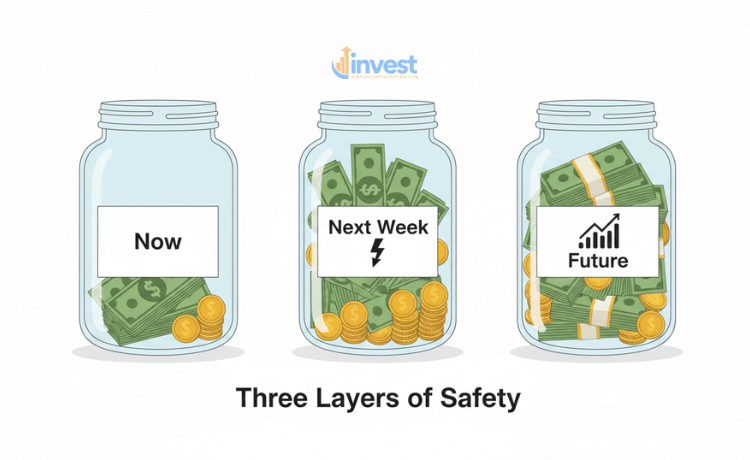
This is where a tiered emergency fund comes in. Instead of one bucket of money, you create layers of safety. This strategy ensures you have cash for a flat tire today and enough reserves for a six-month job loss tomorrow, all while letting your money work a little harder for you.
What Exactly Is a Tiered Emergency Fund?
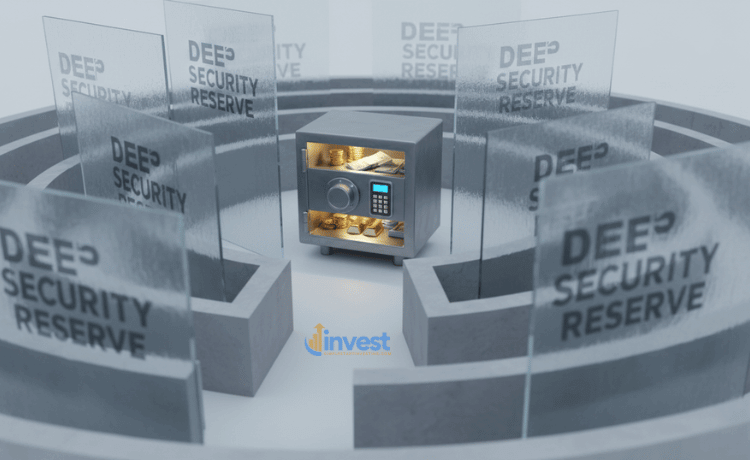
A tiered emergency fund is a strategy where you split your savings into different “levels” based on how quickly you might need the money and how much interest you want to earn. Think of it like a home security system. You have a fence (Tier 1), a locked door (Tier 2), and a safe in the basement (Tier 3). Each layer provides a different type of protection.
For a beginner, the idea is simple: you want some money available in seconds, some available in days, and some available in weeks. By spreading your cash this way, you balance the need for speed with the desire to keep your money’s value growing.
A Real-World Example
Let’s say you work at a large company like Amazon or Costco. You decide you need 10,000 dollars for total peace of mind. Instead of putting all 10,000 dollars in a basic savings account earning almost zero interest, you split it. You keep 1,000 dollars in your checking account for immediate needs. You put 5,000 dollars in a High-Yield Savings Account (HYSA). You put the remaining 4,000 dollars into a slightly less accessible but higher-earning account like a Certificate of Deposit (CD).
The Common Beginner Mistake
Many beginners believe that “liquidity” (how fast you can get your cash) is the only thing that matters. They keep 20,000 dollars in a standard big-bank checking account that pays 0.01 percent interest. They feel safe because they can see the balance every day on their app.
The Mindset Shift
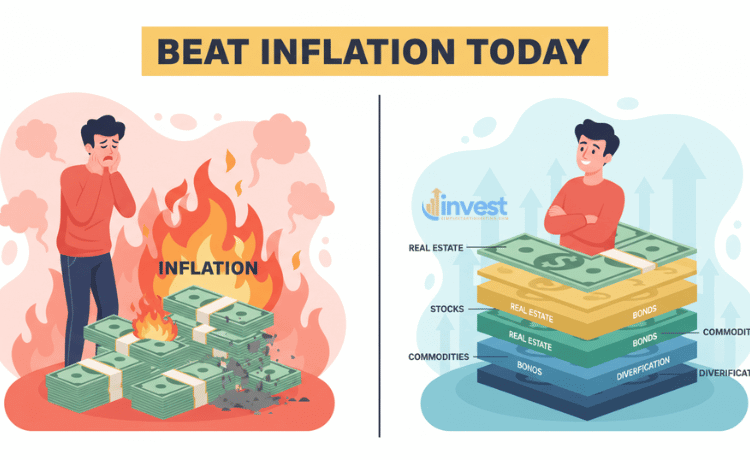
The reality is that keeping too much cash in a low-interest account is a slow emergency of its own. Inflation acts like a tiny leak in your gas tank. If inflation is 3 percent and your bank pays you nothing, your 20,000 dollars actually buys less food and gas every single year. A tiered system protects you from both sudden disasters and the slow “theft” of inflation.
Tier 1: The “Right Now” Cash (Immediate Accessibility)
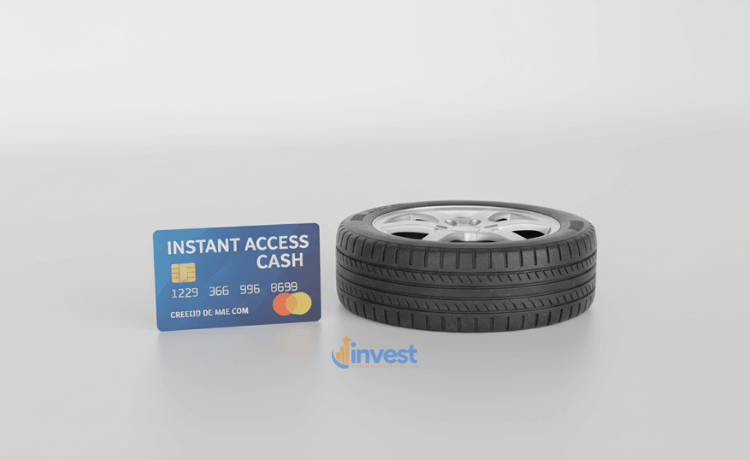
The first layer of your tiered emergency fund is for things that happen in the next five minutes. This is for the broken window, the emergency vet visit, or the tow truck.
This money should live in your primary checking account or a standard savings account linked directly to your debit card. You aren’t looking for growth here; you are looking for instant access.
How Tier 1 Works
This tier should usually cover about one to two weeks of basic living expenses. If your monthly bills are 3,000 dollars, you might keep 1,000 dollars or 1,500 dollars in Tier 1. If you have to pay for a repair at a shop that only takes debit or cash, you are ready.
A Real-World Example
Suppose you are shopping at Walmart and your car won’t start in the parking lot. The mechanic says it will cost 600 dollars to fix the alternator. Because you have a Tier 1 fund, you swipe your debit card. There is no stress, no waiting for a bank transfer, and no high-interest credit card debt.
The Common Beginner Mistake
Some people try to be “too efficient” and keep zero dollars in their checking account, moving every penny into investments or high-interest accounts. When a small emergency hits, they have to use a credit card and pay 25 percent interest because it takes three days to move money back to their checking account.
The Mindset Shift
Tier 1 is not an investment; it is an insurance policy. You are “paying” for the convenience of instant cash by accepting that this specific pile of money won’t earn much interest. That is a fair trade for the peace of mind it provides.
Tier 2: The “Next Week” Reserve (High-Yield Stability)
Once you have your immediate needs covered, the bulk of your tiered emergency fund should move to Tier 2. This is where you keep the money that would cover one to three months of your life.
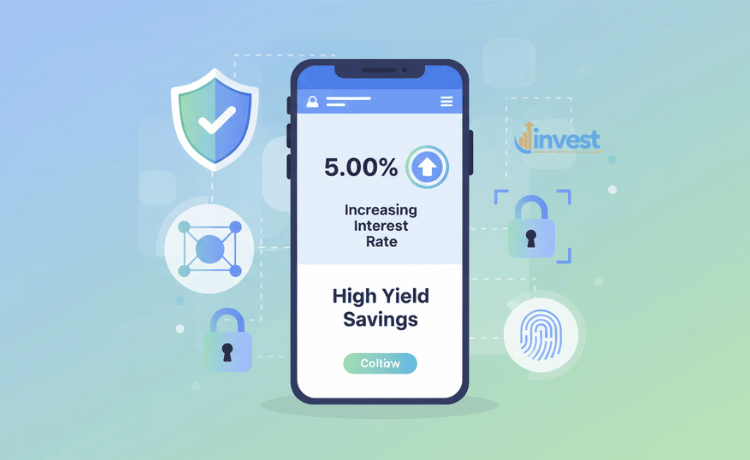
The best home for Tier 2 is a High-Yield Savings Account (HYSA). These are often offered by online banks like Ally Financial, Marcus by Goldman Sachs, or American Express National Bank. These accounts work just like regular savings accounts, but they pay significantly more interest.
The Power of High-Yield
If a regular bank pays you nearly nothing, a High-Yield account might pay you 4 percent or 5 percent. If you have 5,000 dollars in Tier 2, earning 4 percent interest means you earn 200 dollars in a year just for letting the money sit there. That is 200 dollars of “free” protection against inflation.
A Real-World Example
Imagine you lose your job at a tech firm like Google or Meta. You don’t need all six months of rent today. You only need this month’s rent. It usually takes one to three business days to transfer money from an online HYSA to your local checking account. Since you have Tier 1 to cover the first few days, the slight delay of Tier 2 doesn’t hurt you.
The Common Beginner Mistake
New investors often think online banks are “fake” or “unsafe” because they don’t have physical buildings. They stick with the bank on the corner even if the interest rate is terrible.
The Mindset Shift
As long as the bank is insured by the FDIC (Federal Deposit Insurance Corporation), your money is protected up to 250,000 dollars per account. Online banks can afford to pay you more interest because they don’t have to pay for expensive buildings or thousands of tellers. Using an online HYSA for Tier 2 is one of the easiest ways to improve your financial health.
Tier 3: The “Deep” Safety Net (Maximum Growth)
Tier 3 is for the “worst-case scenario.” This is the money you hope you never have to touch. It covers months four through six (or even up to a year) of your expenses. Because you have Tier 1 and Tier 2 to protect you first, this money can be put into slightly less “liquid” assets that offer even better returns or tax advantages.
Common options for Tier 3 include:
- Money Market Funds: These are low-risk funds offered by brokerage firms like Vanguard or Charles Schwab.
- Certificates of Deposit (CDs): You agree to leave your money in the bank for a set time (like six months or a year) in exchange for a higher interest rate.
- U.S. Treasury I-Bonds: These are government-backed bonds specifically designed to keep up with inflation.
Managing Tier 3 Logic
In this tier, you are prioritizing the preservation of your purchasing power. If you have 10,000 dollars here, you want to make sure that five years from now, that 10,000 dollars can still buy the same amount of groceries and rent, even if prices have gone up everywhere else.
A Real-World Example
Let’s say you decide to use I-Bonds for your Tier 3. The rule for I-Bonds is that you cannot touch the money for the first twelve months. This sounds scary to a beginner. However, if you already have 5,000 dollars sitting in Tier 1 and Tier 2, you know you are safe for the first few months of any crisis. By the time you would ever need the Tier 3 money, the twelve-month waiting period has likely already passed.
The Common Beginner Mistake
A very common and dangerous mistake is putting Tier 3 money into the stock market (like buying shares of Tesla or Apple). The stock market can drop 20 percent in a single week. If a massive recession hits, you might lose your job and your “emergency fund” might lose half its value at the exact same time.
The Mindset Shift
Tier 3 is still part of your emergency fund, not your retirement fund. Its primary job is to be there, and its secondary job is to beat inflation. Never chase high stock market returns with money you might need to survive a job loss. Keep Tier 3 in “cash-equivalent” assets that don’t go down in value.
How to Determine Your Personal Tiers
Building a tiered emergency fund is not a “one size fits all” process. Your tiers depend on your life’s stability.
If you have a very stable job at a government agency, you might feel comfortable with a smaller Tier 1 and a larger Tier 3. If you are a freelancer or work for a volatile startup, you might want a much larger Tier 2 to handle the “ups and downs” of your income.
Simple Steps to Calculate Your Needs
- Calculate your monthly “Survival Number”: This is the cost of rent/mortgage, basic groceries, utilities, and insurance. Let’s say it is 2,500 dollars.
- Set your Total Goal: Usually 3 to 6 months. For this example, let’s say 6 months, which equals 15,000 dollars.
- Allocate Tier 1: Keep 1,000 dollars in your checking account.
- Allocate Tier 2: Put 7,000 dollars in a High-Yield Savings Account.
- Allocate Tier 3: Put the remaining 7,000 dollars into a Money Market Fund or a CD.
Why This Structure Wins
If you have a 500-dollar car repair, Tier 1 handles it. If you have a 3,000-dollar medical bill, Tier 2 handles it. If the economy collapses and you are out of work for five months, Tier 3 is your ultimate shield. At every step, you are protected, and at every step, your money is positioned as intelligently as possible.
The Hidden Psychological Benefit of Tiers
One of the hardest parts of being a beginner is the “itch” to spend your savings. When you see one giant pile of 15,000 dollars in your bank app, it is easy to justify taking 2,000 dollars out for a vacation. You tell yourself, “I still have plenty left.”
When you use a tiered emergency fund, you create psychological barriers. It feels “wrong” to break a CD or wait three days for a transfer from a High-Yield account just to buy a new TV. By separating the money, you treat the “deep” tiers with more respect. They become a “break glass in case of fire” fund rather than a “I feel like spending” fund.
A Note on Rules and Regulations
Regulations regarding interest rates, FDIC limits, and bond withdrawal rules can change. For example, the IRS and SEC often update rules regarding tax-advantaged accounts or bond interest. It is always a good idea to check current guidelines or speak with a qualified professional when setting up your accounts.

The Path Forward
You don’t have to build all three tiers today. Start with Tier 1. Once that has 1,000 dollars, start funneling your extra cash into Tier 2. When Tier 2 feels solid, look into Tier 3 options. This gradual building process turns a scary financial goal into a series of small, manageable wins.
Building your safety net this way ensures that when life throws a curveball—whether it’s a flat tire or a global recession—you aren’t just surviving. You are standing on a solid foundation that you built, layer by layer.
Disclaimer: This content is for educational purposes only and does not constitute financial advice.