Many people spend decades dreaming about the day they finally stop working. For some, that dream involves a quiet cabin in the mountains. For others, it’s a bright condo near a sunny beach. But as retirement gets closer, a very practical question starts to pop up: where can I afford to live? You might have heard friends or coworkers talking about moving to places like Florida or Texas because they are tax-friendly retirement states.
The idea is simple. If you move to a place where the government takes less of your money, you have more money to spend on your hobbies, travel, or family. But is it really that straightforward? In the world of finance, things are rarely as simple as they look on a postcard. While a state might not have an income tax, they still have to pay for roads, schools, and emergency services. That money has to come from somewhere.
If you are just starting to look at your retirement plan, the sheer number of different taxes can feel overwhelming. You have federal taxes, state taxes, local taxes, property taxes, and sales taxes. It’s a lot to keep track of. This guide is designed to help you look past the headlines and understand the real impact of moving to a tax-friendly state. We will break down what these taxes actually mean for your wallet and how to decide if a big move is the right financial choice for you.
Understanding the “No Income Tax” Allure
The first thing most people look for is a state with no state income tax. Right now, there are several states in the U.S. that do not charge residents a penny on their earned income. This includes popular retirement destinations like Florida, Nevada, and Tennessee. At first glance, this looks like an immediate “raise” for your retirement budget.
If you live in a state like California or New York, you might be used to seeing a significant portion of your paycheck or pension disappear before it even hits your bank account. By moving to a state with no income tax, that percentage stays with you. For someone living on a fixed income, an extra 5 percent or 10 percent every month can make a massive difference in their quality of life.
However, for a beginner, it is important to understand that “income tax” is just one piece of the puzzle. When you are retired, your income doesn’t always come from a “paycheck” in the traditional sense. You might be drawing from a 401(k), an IRA, a private pension, or Social Security. Different states treat these sources of money in very different ways. Just because a state has an income tax doesn’t mean they will tax your specific type of retirement money.
The Hidden Weight of Property Taxes
This is where many retirees get a surprise. If a state doesn’t collect money through income taxes, they often lean heavily on property taxes. Property tax is the money you pay to the local government based on the value of the home you own. Even if you have paid off your mortgage entirely, you will still owe property taxes every single year for as long as you own that home.
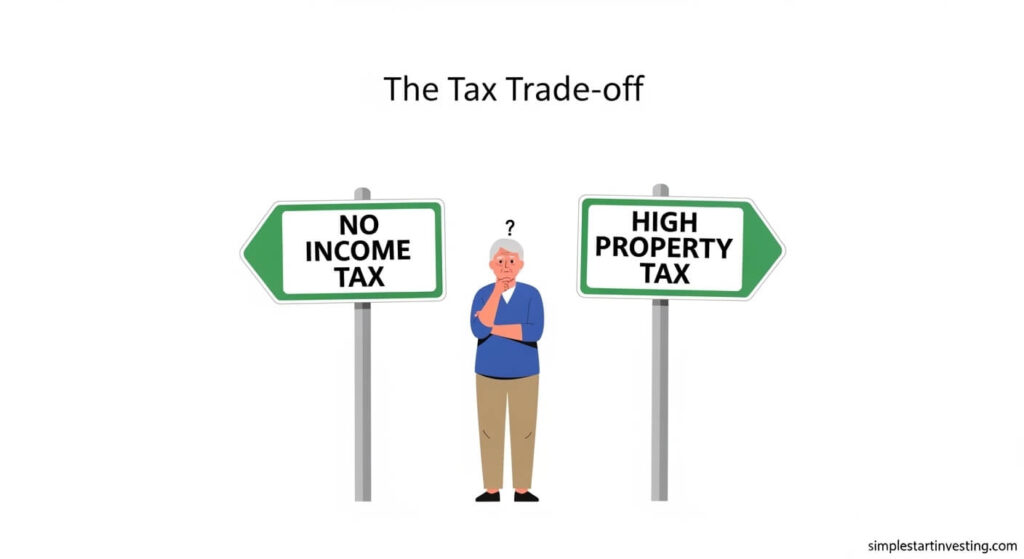
Let’s look at a common example. Imagine you move to a state like Texas, which is famous for having no state income tax. You feel great because your pension check comes to you in full. However, Texas has some of the highest property tax rates in the country. If you buy a 400,000 dollar home, your annual tax bill could be thousands of dollars higher than it would have been in a state that does have an income tax.
For some people, this trade-off is worth it. If you have a very high retirement income, the savings on income tax might be much larger than the extra cost of property tax. But if you have a modest income and a high-value home, you might actually end up losing money by moving. This is why it is so important to look at your total cost of living, not just one single tax line.
Sales Tax: The Daily Leak in Your Budget
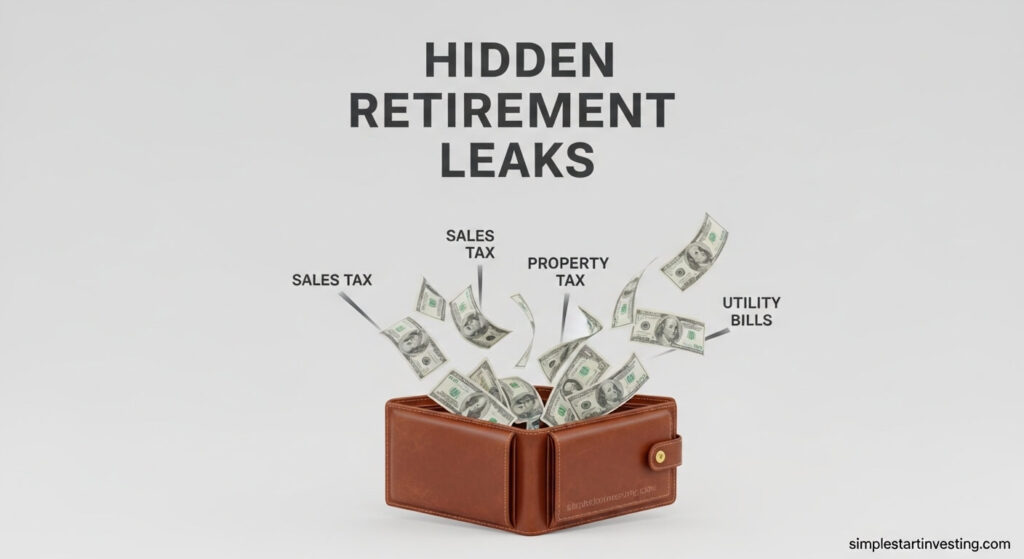
Another way states make up for a lack of income tax is through sales tax. This is the extra percentage added to the price of almost everything you buy, from a new television at Best Buy to the paper towels you pick up at Costco. While a few cents here and there might not seem like much, it adds up quickly over a year of spending.
Some states have sales tax rates that approach 10 percent when you combine the state rate with local city or county taxes. In contrast, some states have no sales tax at all, like Oregon or Delaware. If you are a big spender who likes to shop, eat out often, and buy new gadgets, a high sales tax state can quietly eat away at your savings.
For a retiree on a budget, sales tax is a “regressive” tax. This means it takes a larger percentage of income from people who earn less. If you spend most of your monthly check on taxable goods, you are feeling the weight of that tax every single day. When researching tax-friendly retirement states, always check if they tax essentials like groceries or medicine, as some states exempt these to help seniors.
How States Treat Social Security and Pensions
One of the biggest misunderstandings for beginners is how Social Security benefits are taxed. At the federal level, the IRS may tax a portion of your benefits if your total income is above a certain limit. But at the state level, the rules are all over the map.
Currently, the majority of states do not tax Social Security benefits at all. This is great news for retirees who rely heavily on that monthly check. However, a handful of states still take a cut. If you are moving from a state that exempts Social Security to one that taxes it, you could be in for a shock. Even if that new state has a lower overall income tax, the specific tax on your Social Security could leave you with less money for groceries.
Pensions and withdrawals from retirement accounts like a Traditional 401(k) or IRA are also treated differently state by state. Some states give you a “deduction,” which means they let you take a certain amount of retirement money (for example, the first 20,000 dollars) tax-free. Others tax every dollar as regular income. Before you pack your bags, you need to know exactly how your specific “flavor” of retirement money will be viewed by the tax man in your new home.
Inheritance and Estate Taxes: Thinking of Your Heirs
While you are focusing on your own monthly budget, you might also want to think about what happens to your money after you are gone. This brings us to inheritance taxes and estate taxes. Most people only think about federal estate taxes, which usually only apply to very wealthy individuals. However, several states have their own versions of these taxes, and the limits are often much lower.
An estate tax is taken out of your total assets before they are given to your heirs. An inheritance tax is paid by the person who receives the money. If you move to a state with a strict inheritance tax, your children or grandchildren might end up receiving significantly less than you intended.
If your goal is to leave a legacy or help your family buy their first home, moving to a state with high death taxes might negate the “savings” you gained while you were alive. It’s a somber topic, but it’s a vital part of the “tax-friendly” calculation.
The Cost of Moving: The “Entry Fee” You Can’t Ignore
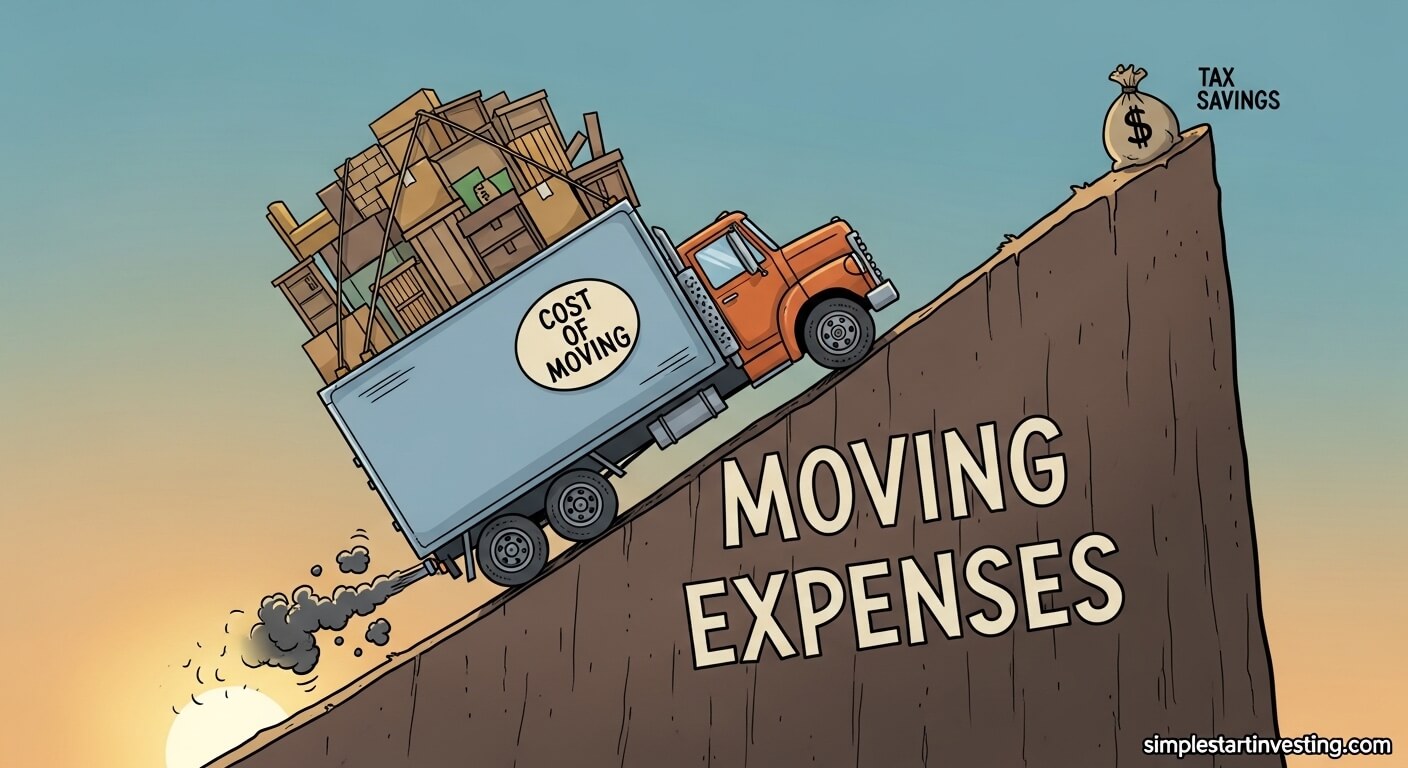
Many beginners forget to calculate the actual cost of the move itself. Moving isn’t just about hiring a truck. It involves real estate agent fees, closing costs on a new house, inspections, and potentially buying new furniture or appliances to fit a different climate.
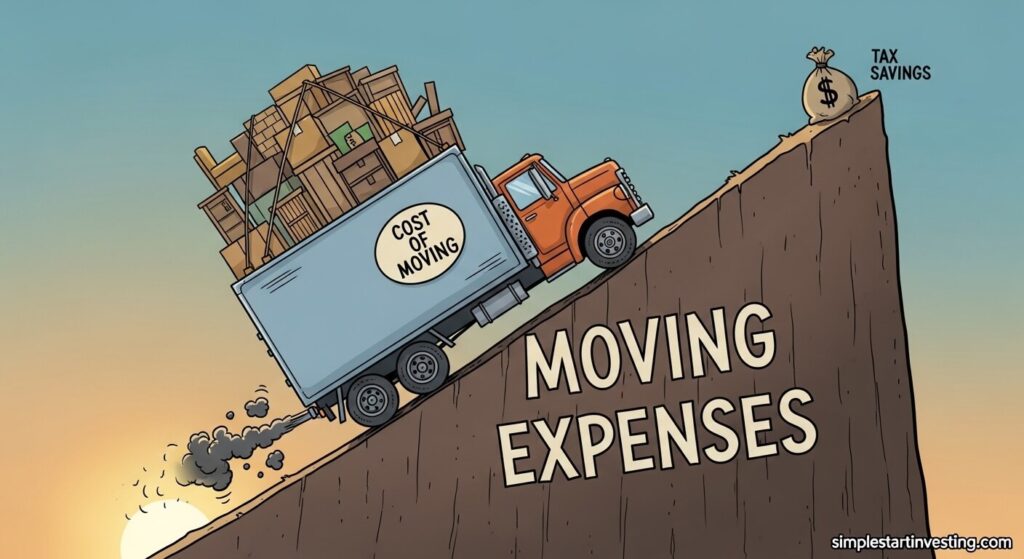
Let’s use a simple example. Suppose moving to a new state saves you 2,000 dollars a year in taxes. That sounds great! But if it costs you 20,000 dollars in total moving expenses and commissions to sell your old house, it will take you 10 years just to “break even.”
If you are 70 years old, do you want to spend the next decade just trying to get back to zero? Sometimes, the smartest financial move is to stay where you are, where your “cost of entry” is already paid, and your social circle is already established. You have to weigh the long-term tax savings against the immediate, heavy hit to your savings account.
Beyond the Math: Quality of Life and Hidden Costs
Economics isn’t just about tax rates; it’s about what you get for your money. A state might be incredibly tax-friendly, but if the cost of electricity, water, and insurance is much higher, you aren’t actually saving anything.
For example, many “tax-friendly” coastal areas are prone to hurricanes or floods. This can make homeowners insurance incredibly expensive—sometimes costing more than the taxes you saved. Similarly, if you move to a very hot state to avoid income tax, your air conditioning bill in the summer might be 300 dollars or 400 dollars a month.
You also have to consider “lifestyle” costs. If your new state is cheaper but you have to drive 40 miles to see a good specialist doctor or reach a major airport, you are spending more on gas and travel. Don’t let a low tax rate blind you to the everyday expenses that define your life.
How to Do Your Own “Tax Test”
If you are considering a move, don’t rely on a general “Top 10” list you found online. Your financial situation is unique. Here is how a beginner can logically think through the decision without needing a math degree.
First, look at your income sources. Write down where your money will come from: Social Security, a pension, or a retirement account. Then, look at how your target state treats those specific sources. If they don’t tax Social Security and that’s 80 percent of your income, you are off to a good start.
Second, look at housing. Check the property tax rates in the specific county or city you are looking at. Don’t just look at the state average. Property taxes can vary wildly from one town to the next. If you plan to rent, remember that landlords usually pass the cost of high property taxes onto their tenants through higher rent.
Third, look at daily spending. Check the sales tax and the local cost of groceries and utilities. Use a basic “cost of living” tool online to see if a gallon of milk or a kilowatt of power is more expensive than where you live now.
Finally, consider the unquantifiables. Are you moving away from family? If you have to fly back four times a year to see your grandkids, those plane tickets might cost more than your tax savings. A budget is about more than just numbers; it’s about making your money support the life you want to lead.
Common Myths About Tax-Friendly States
A common myth is that Florida is the only “tax haven” for retirees. While Florida is very popular because it has no income tax and no inheritance tax, it isn’t the only option. States like South Dakota and Wyoming also have very low tax burdens, though they offer a very different lifestyle.
Another myth is that you will automatically save money by moving to a state with no income tax. As we discussed, if you are a homeowner in a high-property-tax state like New Hampshire (which has no general income tax), you might pay more in total than you would in a state with a modest income tax but very low property taxes.
The biggest myth of all is that tax laws stay the same forever. States change their tax codes all the time. A state that is “friendly” today might face a budget crisis tomorrow and decide to raise sales taxes or create a new tax on services. Always treat these “tax-friendly” statuses as the current reality, not a lifetime guarantee.
Is the Move Worth It for You?
Deciding whether to move for tax reasons is a deeply personal choice. For some, the thrill of a new environment combined with lower taxes is the perfect start to a new chapter. For others, the stress and cost of moving outweigh any small monthly savings.
If you are a beginner, the best thing you can do is take your time. Don’t make a snap decision based on a single tax benefit. Look at the whole picture—the income tax, the property tax, the sales tax, and the cost of the life you want to live.
Moving can save you money, but only if the math works for your specific situation. If you find that the savings are small, you might decide that staying close to your community and friends is worth more than a few extra dollars in your pocket every month. After all, retirement is about enjoying the wealth you’ve built, not just counting every penny.
Disclaimer: This content is for educational purposes only and does not constitute financial or legal advice. Tax laws are subject to change and vary significantly by individual circumstances; always consult with a qualified professional or check official IRS and state government websites for the most current regulations.