When you first start looking into how to grow your money, the first piece of advice you usually hear is to diversify. You are told not to put all your eggs in one basket. Usually, this means buying a mix of different things, like some stocks, some bonds, and maybe a little bit of real estate. This is what we call asset diversification, and it is a great starting point.
But there is a second type of diversification that almost no one talks about, yet it is arguably much more important for your long-term success. It is called time diversification. Instead of just worrying about which “baskets” you are using right now, you need to think about how you are spreading your investments across the different years of your life.
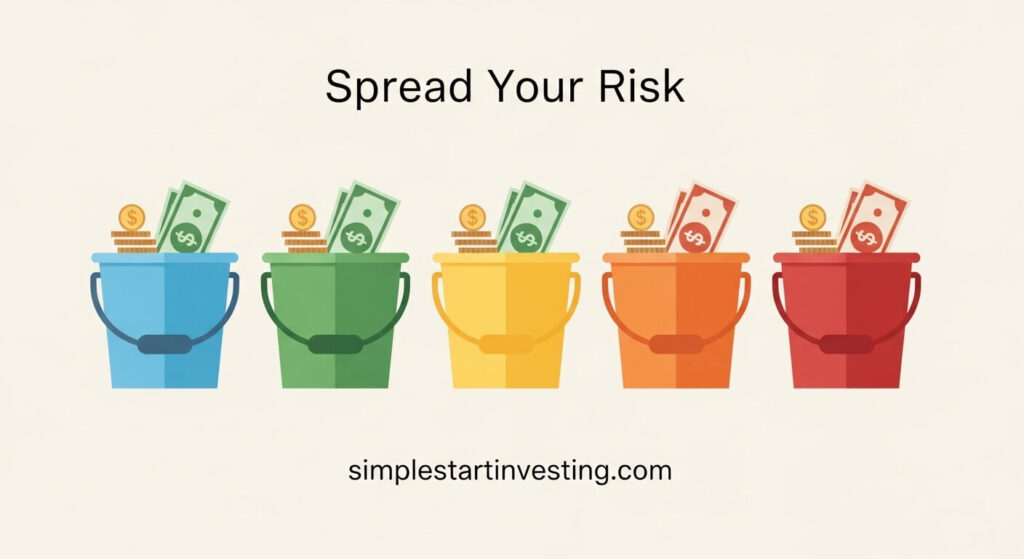
Most people spend their 20s and 30s investing very little and then try to “catch up” in their 50s and 60s by pouring huge amounts of money into the market. This creates a massive hidden risk. If you do this, your financial future becomes overly dependent on how the stock market performs in those final few years before you retire. Lifecycle investing is the strategy of fixing this imbalance by using time as a tool to smooth out your risks.
Understanding the Concept of Time Diversification
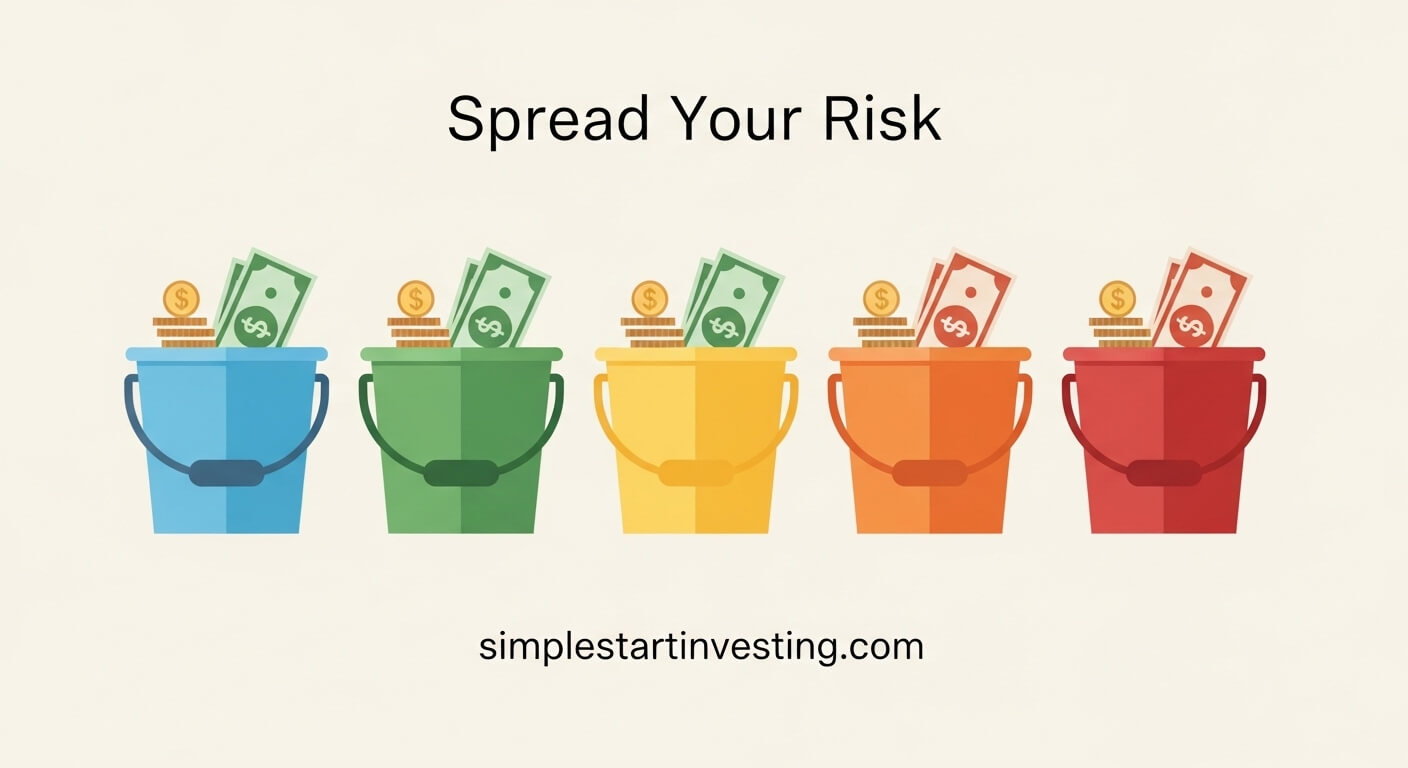
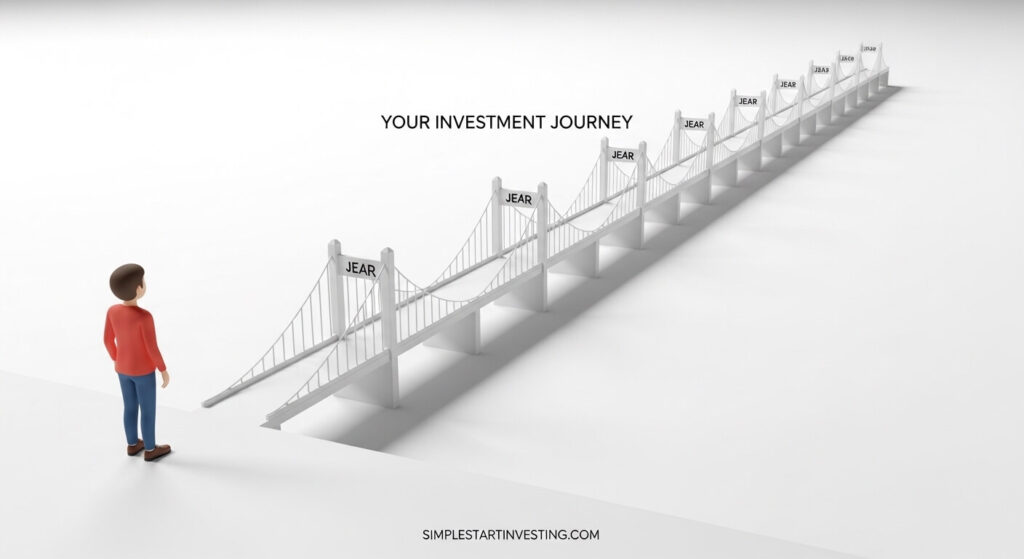
To understand time diversification, you have to look at your life as one long investment project. Imagine your life is a series of empty buckets, with one bucket for every year from age 20 to age 70. Most beginners think the goal is simply to fill the current bucket as much as possible.
However, the real goal of time diversification is to make sure your exposure to the stock market is spread evenly across all those buckets. If you only have a large amount of money in the market during your 50s, you aren’t diversified. You are essentially gambling that the specific decade of your 50s will be a good time for the economy.
If the market crashes right when you finally have a lot of money invested, it doesn’t matter how well the market did 30 years ago when you only had a few hundred dollars in your account. By spreading your investment “weight” across time, you protect yourself from the bad luck of a single “lost decade.”
Your Greatest Asset: Human Capital
One of the biggest reasons beginners struggle to understand lifecycle investing is that they only look at the money currently in their bank account. To a professional strategist, your bank account is only a small part of your total wealth.
The biggest asset you own right now—especially if you are in your 20s or 30s—is your human capital. This is simply the total amount of money you are expected to earn over the rest of your working life.
Think of it this way: if you are 25 years old and you expect to earn an average of 60,000 dollars a year for the next 40 years, your human capital is worth roughly 2.4 million dollars. That is a massive “asset,” even if your current savings account only has 2,000 dollars in it.
The problem is that most people have 100 percent of their human capital (their future paychecks) and almost 0 percent of their investment capital working for them early on. Lifecycle investing teaches us that we should try to balance this out. Since your human capital is relatively “safe” (like a bond), you can afford to be much more aggressive with your small amount of savings early in life to get that essential time diversification.
The Hidden Risk of “Starting Small”
We are often told to “start small and learn the ropes.” While this sounds like safe advice, it actually creates a significant risk called concentration risk in your later years.
If you start with 100 dollars a month in your 20s and wait until your 50s to save 3,000 dollars a month, your retirement success is almost entirely determined by the market performance of your 50s. You have “concentrated” all your investment risk into a very short window of time.
If the market goes up 10 percent when you are 25 and only have 1,000 dollars invested, you made 100 dollars. It’s nice, but it doesn’t change your life. But if the market goes down 10 percent when you are 60 and have 1 million dollars invested, you just lost 100,000 dollars.
By not having more “skin in the game” early on, you missed the chance to let those early years help absorb the shocks of the later years. Time diversification is about trying to make each year of your life contribute more equally to your final result.
The “Math” of Smoothing Your Journey
You don’t need a calculator to understand why spreading your risk works. Imagine two different paths.
In Path A, you invest very little for 30 years and then a huge amount for the last 10 years. Your final result depends heavily on those last 10 years. If those years are bad, you lose. If they are good, you win big. This is a high-stakes gamble.
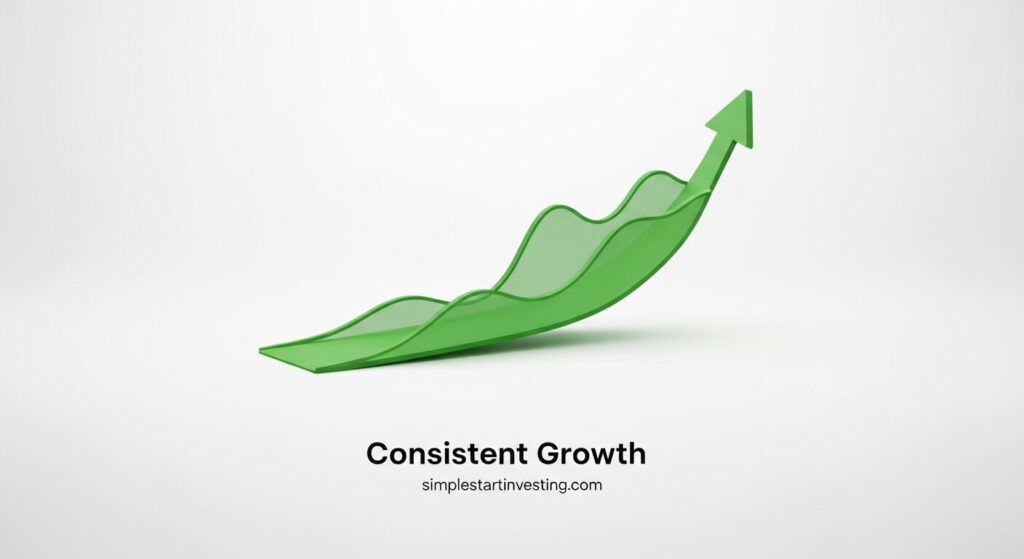
In Path B, you find a way to have a consistent level of market exposure relative to your total wealth for all 40 years. Because you are in the market for a longer period with a more balanced amount of money, the “ups” of some decades are much more likely to cancel out the “downs” of others.
This is the essence of compounding, but with a twist. Compounding isn’t just about interest on interest; it’s about giving your money the maximum number of “at-bats” or opportunities to grow. The more years you have a meaningful amount of money in the market, the less any single bad year can hurt you.
Why Beginners Often Get It Wrong
The most common mistake beginners make is thinking that they should “wait until they have more money” to take investing seriously. They feel that because their account balance is small, it isn’t worth the effort or the risk.
In reality, the exact opposite is true. When your balance is small, you have a “safety net” called time. If you lose 50 percent of a 1,000-dollar portfolio when you are 22, you have lost 500 dollars. You can earn that back in a week of work. But that 500-dollar loss gave you a “seat at the table” during a time when the market might have been preparing for a massive bull run.
Another misunderstanding is the idea of market timing. People try to wait for the “right time” to enter the market. But lifecycle investing shows us that the “right time” is actually “all the time.” Since you want to diversify across your entire life, every year you are out of the market is a year of diversification you can never get back.
Sequence of Returns: The Silent Portfolio Killer
There is a technical term you should know called sequence of returns risk. This is a fancy way of saying that the order in which you get your investment returns matters just as much as the average return.
If you get bad returns early in your life when your balance is small, it’s actually a gift. It allows you to buy more shares of your investments at a lower price. This is often called Dollar Cost Averaging.
However, if you get those same bad returns late in life when your balance is large, it can be devastating. By practicing time diversification and lifecycle investing, you are essentially trying to “buy insurance” against a bad sequence of returns. You do this by making sure your early years do more of the “heavy lifting.”
How to Apply Time Diversification in Real Life
For a beginner, applying these concepts doesn’t require complex financial instruments. It starts with a change in mindset.
First, maximize your contributions as early as possible. If you have the choice between saving 500 dollars a month now or 1,000 dollars a month ten years from now, the 500 dollars today is often more valuable for time diversification. This year, the IRS allows you to put up to 23,500 dollars into a 401(k) and 7,000 dollars into an IRA (with an extra 1,000 dollars if you are over 50). While you might not be able to hit those limits, every dollar you move from “future savings” to “current savings” improves your diversification across time.
Second, understand that your asset allocation (the mix of stocks and bonds) should be viewed through the lens of your age. Younger investors can often afford to be much more aggressive—perhaps even 100 percent in stocks—because their “human capital” acts as a massive, stable bond. As you get older and your human capital shrinks (because you have fewer working years left), you naturally transition your financial capital into safer spots to maintain a balance.
The Role of Discipline and Consistency
Time diversification only works if you stay the course. The market will go through periods where it feels like you are making no progress, or worse, losing ground. During these times, remember that you are “buying time.”

A market downturn when you are young is not a disaster; it is a sale. It is an opportunity to fill those “yearly buckets” with more assets at a lower cost. The goal of a lifecycle investor is not to have the highest return this year, but to have a solid, reliable return over a 40-year horizon.
Consistent investing, regardless of market headlines, is the only way to ensure that you are actually diversifying across time. If you stop investing when the market is scary, you are creating a “hole” in your time diversification. You are essentially deciding that those specific years won’t count toward your future, which increases the pressure on all the other years to perform perfectly.
Practical Steps to Get Started Today
If you are a complete beginner looking to use time to your advantage, here is how you can look at your journey:
- View your job as your bond: Since you have a steady paycheck coming in for years to come, you don’t need to be afraid of the stock market’s daily zig-zags.
- Focus on the “Gap”: The gap is the difference between what you earn and what you spend. Widening this gap early in life is the most effective way to start diversifying across time.
- Automate your strategy: Use automatic transfers to your brokerage or retirement accounts. This removes the “emotion” of trying to time the market and ensures you are buying into the market every single month of every year.
- Rebalance annually: Once a year, look at your mix. As you grow older, your strategy will naturally shift, but the core principle of spreading risk across your lifespan remains the same.
Thinking Beyond the Next Quarter
In a world obsessed with what the stock market will do in the next three months, lifecycle investing is a breath of fresh air. It encourages you to stop looking at the “now” and start looking at the “whole.”
Your investment journey is not a sprint; it is a 40 or 50-year marathon. By understanding time diversification, you realize that you have a powerful tool that most people ignore. You aren’t just buying stocks; you are buying a piece of the global economy’s growth over the next several decades.
The sooner you start spreading your risk across all the years of your life, the less power any single “bad” year has over your future. That is the ultimate peace of mind that comes from being a prepared, long-term investor.
Disclaimer: This content is for educational purposes only and does not constitute financial advice. Investment involves risk, and market conditions change over time. Always consult with a qualified professional or conduct your own thorough research before making financial decisions.