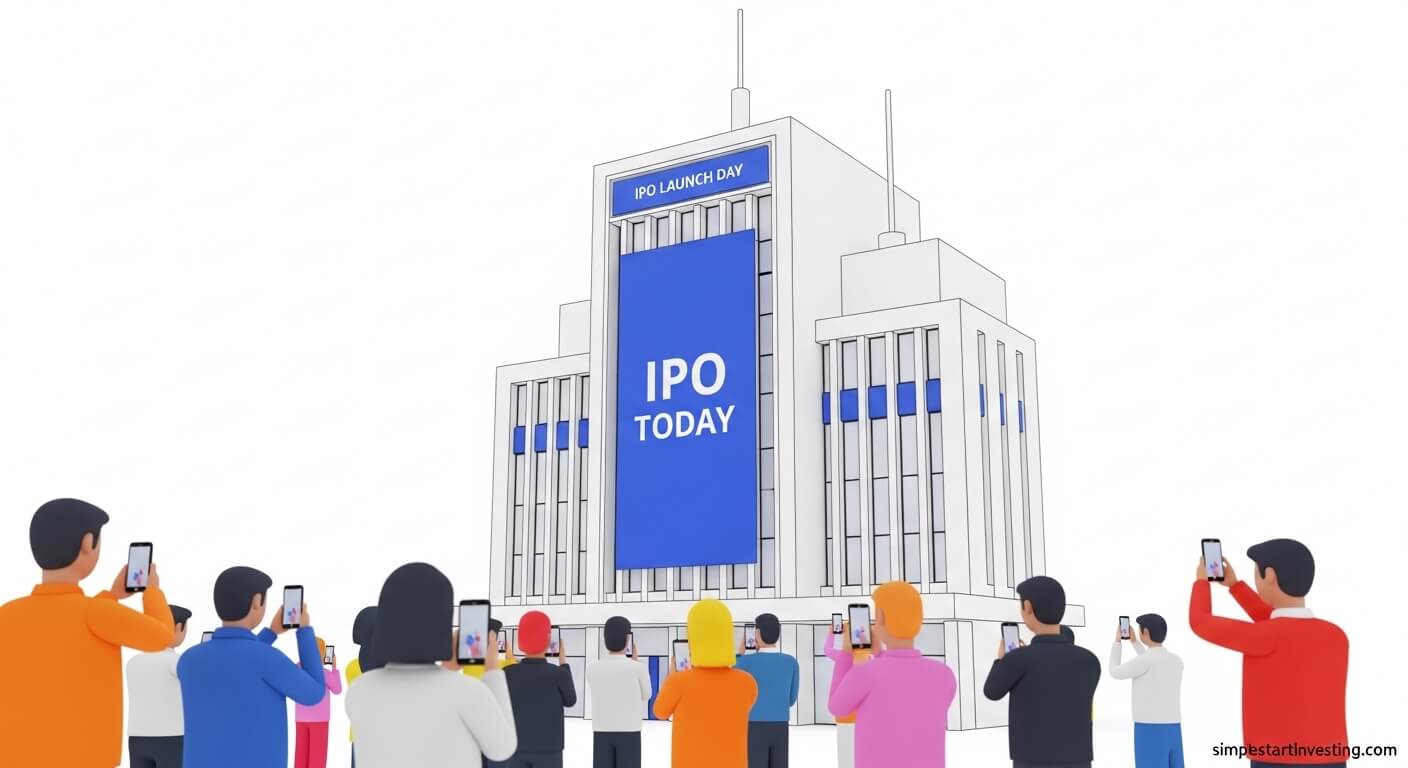
You have probably seen the headlines before. A massive tech company or a trendy clothing brand is “going public.” The news anchors are buzzing, social media is full of screenshots, and everyone seems to be asking the same question: “Is this the next big thing?”
When a company moves from being private to being traded on a stock exchange, it is a milestone. For many beginners, investing in IPOs feels like an invitation to a VIP party. You might think that if you buy in on the very first day, you are getting a head start on the rest of the world.
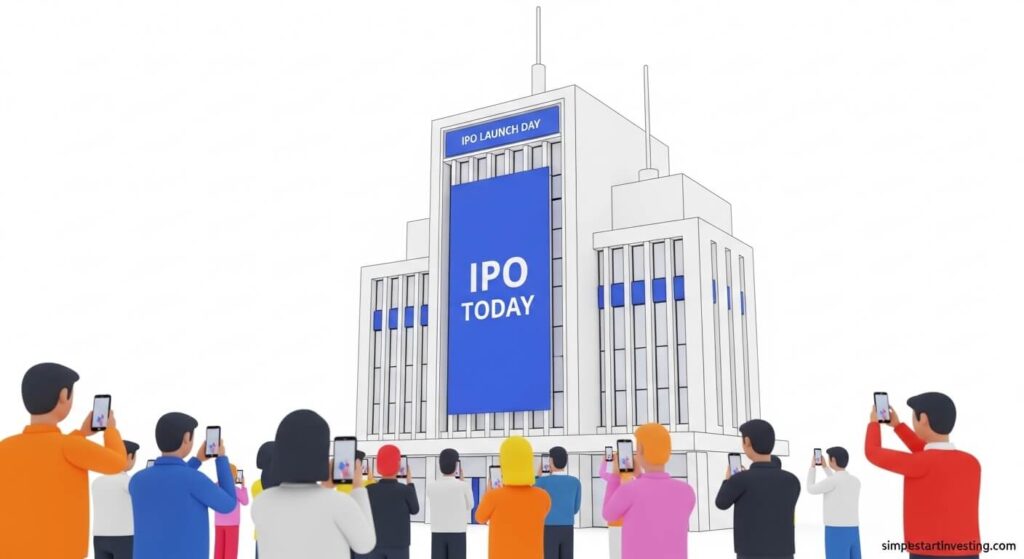
But the world of Initial Public Offerings (IPOs) and Direct Listings is often misunderstood. It is not just a “buy” button on your favorite app; it is a complex process where the rules for regular people are often different than the rules for giant banks. Let’s break down what is actually happening when a company hits the market and whether that first day is truly the golden opportunity it seems to be.
What Does It Actually Mean to “Go Public”?
Before we dive into the strategy, we need to understand the event itself. Imagine a local bakery that has become incredibly successful. The owner wants to open fifty more locations across the country, but they do not have enough cash in the bank to do it. They have two main choices: borrow money from a bank (and pay it back with interest) or sell a piece of the company to the public.
When a company chooses to sell pieces of itself (shares) to the general public for the first time, that is an Initial Public Offering, or IPO.
Once the IPO is finished, the company is “public.” This means anyone with a brokerage account can buy a share. It also means the company now has a massive responsibility to report its earnings, its debts, and its risks to the public and the Securities and Exchange Commission (SEC) every few months.
The Traditional IPO vs. The Direct Listing
Not every company enters the stock market the same way. In recent years, you might have heard about companies like Spotify or Coinbase using a “Direct Listing” instead of a traditional IPO.
In a traditional IPO, the company creates brand-new shares. They hire big investment banks—called underwriters—to find buyers for these shares before they ever hit the stock exchange. These early buyers are usually big pension funds or ultra-wealthy investors. The company gets a huge injection of fresh cash to grow their business.
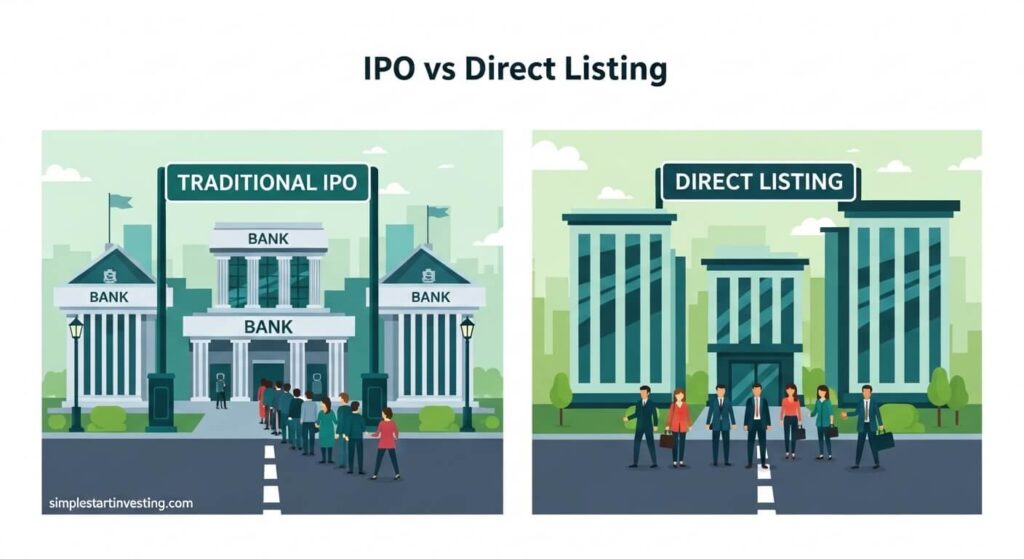
A Direct Listing is a bit different. In this scenario, the company does not necessarily want to raise new money or create new shares. Instead, the people who already own the company (employees and early investors) simply start selling their existing shares directly to the public on the exchange. There are no “underwriters” setting a fixed price the night before. The price is determined purely by supply and demand the moment the ticker symbol goes live.
For you as a beginner, the result looks similar: a new stock appears in your app. But the “why” behind it matters. A company doing an IPO is usually looking for cash to fuel a fire. A company doing a Direct Listing is often just looking to give its current owners a way to sell their stakes.
The “First Day Pop” and the Retail Reality
One of the biggest reasons beginners are drawn to investing in IPOs is the legend of the “first day pop.” This happens when a stock is priced at 20 dollars the night before, but when it actually starts trading on the exchange the next morning, it immediately jumps to 30 dollars.
If you see that jump, it is easy to feel like you missed out. You might think, “If I just buy it now at 30 dollars, it will keep going to 50 dollars by the end of the week!”
Here is the part many people miss: that “pop” usually benefits the institutional investors who got to buy the stock at the 20-dollar price before the public could touch it. By the time you, as a retail investor, can click the “buy” button on your phone, the price has often already moved. You are often buying at the peak of the first-day excitement.
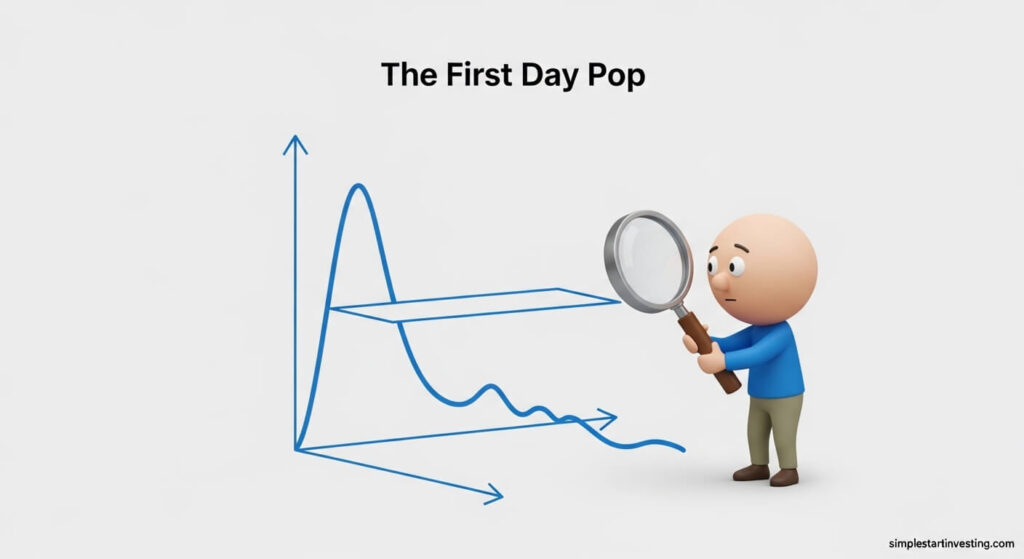
If you buy a stock at 30 dollars because of the hype, but the actual value of the business only supports a 20-dollar price, you might find yourself losing money very quickly once the initial excitement fades.
The Lock-Up Period: A Hidden Trap for Beginners
When a company goes public through a traditional IPO, the people who owned it before—the founders and the early employees—are usually not allowed to sell their shares immediately. This is called a lock-up period. It typically lasts between 90 to 180 days.
The reason for this rule is to prevent the market from being flooded with too many shares at once, which would crash the price. However, as a new investor, you need to be aware of when this period ends.
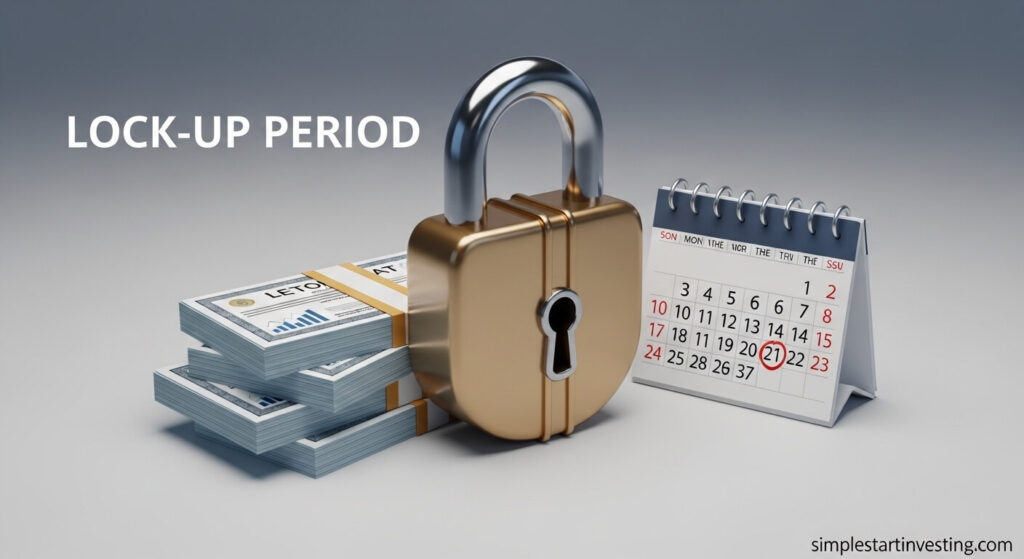
When the lock-up period expires, a massive number of shares suddenly become “unlockable.” If those early employees decide they want to buy a new house or diversify their own wealth, they might all sell at the same time. This can cause the stock price to drop significantly a few months after the IPO. Many beginners buy on day one and are shocked to see a big price drop six months later, not realizing it was simply the lock-up period ending.
Why Do People Get IPOs So Wrong?
The biggest misunderstanding about investing in IPOs is the idea that “new” equals “growth.” Just because a company is new to the stock market does not mean it is a new company. Many companies wait until they are massive—like Uber or Airbnb—before they go public.
By the time they reach the stock market, much of their “explosive” growth might have already happened while they were private. Early venture capitalists might have seen the value of their investment grow by a thousand times, while the public investors are just hoping for a ten percent gain.
Another common mistake is ignoring the S-1 Prospectus. This is a giant, boring document that every company must file with the SEC before an IPO. It is essentially the company’s “open book” test. In it, they have to list every single thing that could go wrong.
Most beginners never look at the S-1. They rely on news headlines or “vibes.” If you want to understand what you are buying, you have to look at the numbers and the risks the company itself is admitting to.
How to Read the Numbers Without Being an Expert
You do not need to be a math genius to understand if an IPO is risky. You just need to look for a few simple things in their public filings.
First, look at whether the company is actually making a profit. Many companies go public while they are still losing millions of dollars every year. They hope that by selling shares, they can get enough cash to eventually become profitable. As a beginner, buying a company that loses money is much riskier than buying one that is already proven.

Second, look at how they plan to use the money. If a company says they are using the IPO money to “pay off old debt,” that is often a red flag. If they say they are using it to “build three new factories,” that might be a more positive sign of growth.
Think of it like this: If a friend asks to borrow 1,000 dollars, you would want to know if they are using it to start a business or to pay off their credit card from last year’s vacation. The stock market is no different.
The Strategy of Waiting: The “Wait and See” Approach
Many professional investors avoid investing in IPOs on the very first day. Instead, they wait for what is called the “Post-IPO Seasoning.”
This is a period of three to six months where the hype dies down, the first two quarterly earnings reports are released, and the lock-up period ends. By waiting, you get to see how the company handles the pressure of being public.
If you bought a stock on day one at 50 dollars because of the hype, but six months later it is trading at 30 dollars because the excitement wore off, you would have been much better off waiting. You don’t get a prize for being “first.” You get a prize for being “right.”
Is Day One Right for You?
Deciding whether to buy a stock on its first day depends on your goals. Are you trying to “gamble” on the excitement of the crowd, or are you trying to own a piece of a great business for the next ten years?
If you are a long-term investor, the price on day one rarely matters as much as the quality of the company. If the company is truly the next giant, it will still be a great investment a year from now when the dust has settled.
If you feel an intense “FOMO” (Fear Of Missing Out) when an IPO is announced, that is usually a sign that you should take a step back. Emotional investing is rarely profitable investing.
Summary of the IPO Journey
To recap, investing in IPOs involves more than just picking a brand you like. You are entering a marketplace where:
- Institutional investors usually get the best price before you do.
- The “Pop” you see on TV might be the price jumping before you can even buy it.
- Direct Listings offer a different way to enter the market without new shares being created.
- The S-1 Prospectus is your best friend for finding the truth behind the hype.
- Lock-up periods can create a “hidden” trap for the stock price a few months down the road.
The stock market is a marathon, not a sprint. While the fireworks of an IPO day are exciting, the most successful investors are usually the ones who stay calm, do their homework, and don’t feel the need to chase every shiny new object that appears on the exchange.
Take your time. The market will still be there tomorrow, and the next great company is always just around the corner.
Disclaimer: This content is for educational purposes only and does not constitute financial advice. The stock market involves risk, and past performance is not indicative of future results. Always consult with a qualified financial professional before making investment decisions.