
If you work as a teacher, a nurse at a non-profit hospital, or a city government employee, you might have noticed that your retirement options look a little different than the corporate world. While your friends in the private sector talk about their 401(k) plans, you are likely looking at paperwork for 403b and 457 plans.
At first glance, these accounts can feel like a confusing alphabet soup of numbers and letters. You might wonder if they work the same way as a 401(k), or if you are missing out on better benefits. The good news is that these plans are specifically designed for public service workers, and they actually carry some “superpowers” that corporate employees don’t have.
In this guide, we are going to break down exactly how these accounts work, why the 403b and 457 plans are unique, and how you can use them to build a massive nest egg for your future. Whether you are just starting your first year in the classroom or you are a veteran public servant, understanding these tools is the first step toward financial freedom.
What is a 403(b) Plan?
The 403(b) plan is the most common retirement account for employees of public schools, certain non-profits, and religious organizations. You can think of it as the “cousin” of the 401(k). It allows you to take money directly from your paycheck and put it into an investment account before the government takes out taxes.
How it works in plain English
When you contribute to a 403(b), you are essentially telling your employer to save a portion of your salary for your future self. Because this money goes in “pre-tax,” it lowers your taxable income today. This means if you earn 50,000 dollars a year and contribute 5,000 dollars to your 403(b), the IRS only taxes you as if you made 45,000 dollars. This helps you save for the future while paying less in taxes right now.
A real-world example
Imagine Sarah is a high school math teacher in Ohio. She decides to contribute 200 dollars from every paycheck into her 403(b) plan. Over the course of the year, she has saved several thousand dollars. Because her school uses a reputable provider like Vanguard or Fidelity, she can choose to invest that money in a “Target Date Fund” or a broad stock market index fund that tracks the S&P 500. As companies like Apple (AAPL) or Microsoft (MSFT) grow, her retirement account grows along with them.
The common mistake for beginners
Many teachers believe that because their 403(b) is offered through their employer, it is automatically the “best” and “safest” option. However, many 403(b) plans in the past were filled with high-fee insurance products called annuities. Some beginners sign up for these without realizing they are paying 2 percent or even 3 percent in annual fees, which can eat up half of their potential growth over thirty years.
The right mindset
Treat your 403(b) as a powerful tax-shelter, but be an active shopper. You should look for low-cost mutual funds or index funds within your plan. Just because your school district offers a specific vendor doesn’t mean you have to pick the most expensive one. Your goal is to keep your fees low so that more of your money stays in your pocket to compound over time.
What is a 457(b) Plan?
The 457(b) plan is a bit more exclusive. It is usually offered to state and local government employees, such as police officers, firefighters, and city hall workers. While it looks a lot like a 403(b) on the surface, it has one major advantage that makes it one of the best retirement accounts in America.
How it works in plain English
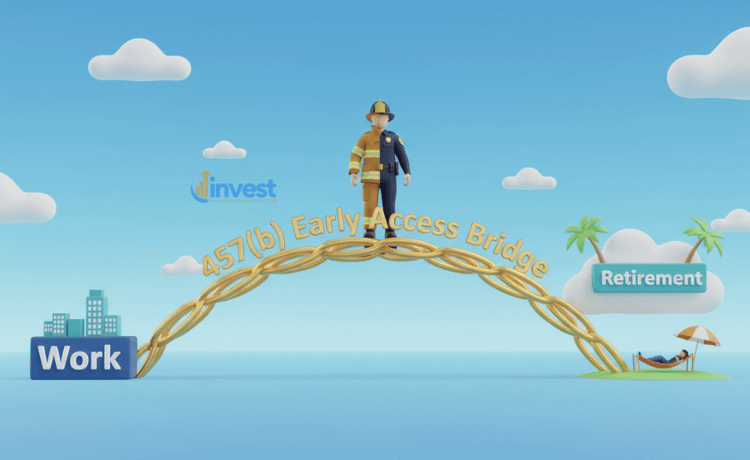
Like other retirement plans, a 457(b) allows you to save money directly from your paycheck. The money grows tax-deferred, meaning you don’t pay taxes on the gains until you withdraw the money in retirement. However, the “magic” of the 457(b) is that it does not have the “10 percent early withdrawal penalty” that 401(k)s and 403(b)s have. As long as you have left your job, you can access this money at any age without that extra penalty.
A real-world example
Let’s look at Mark, a firefighter who plans to retire at age 52. If Mark had all his money in a traditional 401(k), the IRS would normally charge him a 10 percent penalty for taking money out before age 59 and a half. But because Mark saved in a 457(b) plan, he can retire at 52 and immediately start taking monthly distributions to cover his mortgage and groceries. He only pays regular income tax, just like he would with a normal salary.
The common mistake for beginners
A frequent mistake is thinking that you have to wait until you are “retirement age” (like 65) to touch the 457(b) money. Many public workers leave their jobs for a new career or to stay home with kids and think their money is “locked away.” They might even take a high-interest loan instead of realizing they have access to their 457(b) funds if they have separated from their employer.
The right mindset
View the 457(b) as your “bridge fund.” It is the perfect tool if you think you might want to retire early or if you need a financial cushion between leaving your public service job and starting your next chapter. It provides a level of flexibility that almost no other retirement account can match.
Comparing the Two: Which One Should You Choose?
If your employer offers both 403b and 457 plans, you might feel paralyzed by the choice. You don’t need to be an expert to decide; you just need to look at three key factors: fees, flexibility, and matching.
1. Withdrawal Flexibility
As we mentioned, the 457(b) wins here. If you leave your job at age 45, you can take your 457(b) money without a penalty. With a 403(b), you generally have to wait until you are 59 and a half (though there is a “Rule of 55” if you leave your job in the year you turn 55). If you value early access, the 457(b) is the clear winner.
2. Employer Matching
In the corporate world, “The Match” is king. In public service, matching is less common because many workers have a pension. However, if your employer offers a match (e.g., they put in 50 cents for every dollar you contribute), you should prioritize whichever account gets that match. That is a 50 percent return on your money immediately. You should never leave “free money” on the table.
3. Investment Fees
Often, 457(b) plans are managed at the state level, which allows them to negotiate lower fees for things like index funds. 403(b) plans, especially in small school districts, might be managed by private insurance companies that charge higher fees. Always compare the “Expense Ratio” of the funds. An expense ratio of 0.10 percent is great; an expense ratio of 1.50 percent is very expensive.
The “Double Dip” Strategy: The Public Worker Superpower
One of the most incredible secrets of the 403b and 457 plans is that their contribution limits are often independent. This means that if you are a high-earner or a super-saver, you can potentially contribute the maximum amount to BOTH plans in the same year.

How the math works (simplified)
In 2025, the limit for a 403(b) is 23,500 dollars. The limit for a 457(b) is also 23,500 dollars. For most people, saving 47,000 dollars a year is a dream. However, for a two-income household where both spouses are public workers, this allows for a massive amount of tax-advantaged saving. Even if you can’t hit the max, you can split your savings between the two to get the benefits of both (the 403b match and the 457b flexibility).
Why people miss this
Most people assume that there is one “bucket” for retirement savings and once it’s full, you’re done. They think the IRS limits apply to the person, not the plan. While it is true that you can’t put 47,000 dollars into two different 403(b) plans, you can often maximize a 403(b) and a 457(b) because they fall under different sections of the tax code.
Understanding the New Rules for This Year and Next
Tax laws and contribution limits change almost every year. For 2025 and 2026, the IRS has adjusted the limits to keep up with inflation. It is important to stay updated so you can adjust your automatic payroll deductions.
Contribution Limits for 2025
For the year 2025, you can contribute up to 23,500 dollars into your 403(b) or 457(b). If you are age 50 or older, you can add a “catch-up” contribution of 7,500 dollars, bringing your total to 31,000 dollars.
Contribution Limits for 2026
Starting in 2026, the standard limit increases to 24,500 dollars. The catch-up for those age 50 and older also increases to 8,000 dollars. This means if you are over 50, you can tuck away a total of 32,500 dollars in a single year.
The “Super Catch-Up” for Ages 60 to 63
A new rule from the SECURE 2.0 Act provides an even bigger boost for those nearing retirement. For people aged 60, 61, 62, or 63, the catch-up limit is even higher. In 2025 and 2026, these individuals can contribute 11,250 dollars on top of the standard limit. This is designed to help those who started late “sprint” toward their retirement goal.
Important Note on the Roth Requirement
One big change coming in 2026 is for high earners. If you earn more than 150,000 dollars in wages (based on the previous year), the IRS will require your catch-up contributions to be made in a “Roth” (after-tax) account. This doesn’t mean you can’t save; it just means you pay the tax now so that the money is tax-free when you take it out later.
Traditional vs. Roth: Which Version Should You Use?
Many 403b and 457 plans now offer a “Roth” option. This is a very important choice for a beginner to understand.
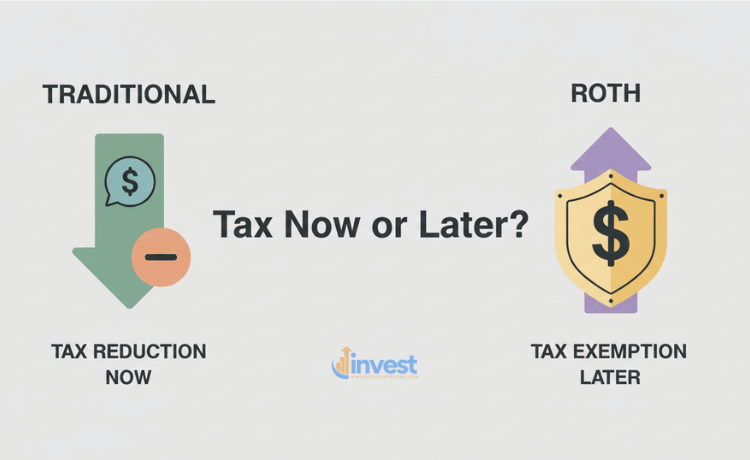
- Traditional: You get a tax break today. Your paycheck is slightly higher because the money goes into retirement before taxes are taken out. However, you will pay taxes on every dollar you withdraw in retirement.
- Roth: You pay taxes today. Your paycheck is slightly lower. But here is the magic: every dollar you put in—and all the growth it earns over 30 years—is 100 percent tax-free when you retire.
How to decide: If you are early in your career and earning a lower salary, the Roth is often a fantastic choice because you are “locking in” a low tax rate now for tax-free growth later. If you are in your peak earning years and want to lower your tax bill today, the Traditional version might be better.
Common Pitfalls to Avoid
As you set up your 403b and 457 plans, keep an eye out for these three common traps:
- The “Default” Fund: Many plans will automatically put your money into a “Stable Value” fund or a money market account. These are very safe, but they earn almost no interest. If you are young, you need your money to be invested in the stock market (equities) so it can grow. Check your account to make sure you aren’t accidentally sitting in cash.
- Loans against your plan: It is very tempting to take a loan from your 403(b) to pay for a car or a house. While the interest goes back to you, you lose out on the market growth during that time. Even worse, if you leave your job, you often have to pay the loan back immediately or face a huge tax bill.
- High-Fee Annuities: We mentioned this before, but it bears repeating. In the 403(b) world, insurance salesmen often roam school hallways trying to sell “fixed annuities.” For a beginner, a low-cost index fund is almost always a better choice for long-term growth.
How to Get Started Today
If you are ready to take control of your financial future, here is your simple checklist:
- Contact HR: Ask for the “Plan Document” and the list of approved vendors for your 403(b) and 457(b).
- Check for a Match: Find out if your employer puts in any money. If they do, start contributing enough to get the full match immediately.
- Look at the Fees: Choose a vendor known for low fees (like Vanguard, Fidelity, or a state-run program).
- Pick a Simple Fund: For most beginners, a “Target Date Fund” that matches the year you plan to retire is a great “set it and forget it” option.
- Start Small: If you can’t afford the maximum, start with just 1 percent or 2 percent of your salary. You won’t even notice it’s gone, but your future self will thank you.
The rules for these plans can be complex and are subject to change by the IRS or local governments. It is always a good idea to check the current year’s guidelines or speak with a qualified financial professional to make sure your plan fits your specific needs.
Disclaimer: This content is for educational purposes only and does not constitute financial, legal, or tax advice. Retirement plan rules and IRS limits are subject to change. Always consult with a qualified financial advisor or tax professional before making significant investment decisions.