Have you ever walked into a Target for a single gallon of milk and walked out with a new throw pillow, three scented candles, and a set of pens you didn’t know you needed? You aren’t alone. This common experience is a perfect example of the psychology of spending in action.
The psychology of spending is the study of why we make certain choices with our money, often driven by emotions and subconscious triggers rather than logic. Even when we have a strict budget or a savings goal for a house or retirement, our brains can be “hacked” by clever marketing and biological rewards. Understanding these hidden forces is the first step toward taking back control of your financial future.
This year, as we navigate a world of instant gratification and social media pressure, mastering your spending habits is more important than ever. By learning how your brain reacts to sales and “limited-time offers,” you can stop being a victim of impulse buys and start building real wealth.
What Exactly is the Psychology of Spending?
At its core, the psychology of spending looks at the mental and emotional patterns that lead to a purchase. It’s not just about the math of “income minus expenses.” It’s about why we feel a “rush” when we buy something new and why we feel “pain” when we see a high price tag.
Marketers and giant retailers like Amazon or Walmart spend billions of dollars every year researching these patterns. They know exactly which colors, words, and digital “buttons” will make you more likely to spend. When you understand these tactics, you can spot them in real-time and choose to walk away.
The Dopamine Trap: Why Buying Feels So Good
One of the most powerful forces in our brain is a chemical called dopamine. This is often called the “feel-good” hormone. Your brain releases it when you anticipate a reward.

1. Simple Explanation
Think of dopamine as a tiny “high” you get right before you do something exciting. Interestingly, the brain often releases more dopamine during the anticipation of buying something than when you actually own it. This is why the act of “adding to cart” feels so much better than opening the package two days later.
2. Real-World Example
Imagine you are scrolling through your phone late at night. You see a pair of limited-edition sneakers from Nike or a tech gadget like the latest Apple AirPods. As you look at the photos, your brain starts imagining how cool you will look or how much better your music will sound. That excitement is the dopamine hit. You click “Buy Now” just to keep that feeling going.
3. The Common Mistake
Many beginners believe they are buying the product because they “need” it or because it will make them permanently happier. They think the “joy” of the purchase will last as long as the item does.
4. The Mindset Shift
The truth is that the “buyer’s high” is temporary. It usually fades within hours or days, leaving you with a lighter wallet and a pile of “stuff.” To fix this, recognize that the feeling you have in the store is just a chemical reaction. Tell yourself: “I am feeling a dopamine spike right now. I should wait until this chemical fades before I decide to spend my hard-earned money.”
Marketing Mind Games: The Power of Scarcity
Retailers love to make you feel like you are about to miss out on something amazing. This is known as the “scarcity principle.”

1. Simple Explanation
Our ancestors had to compete for limited food and resources to survive. Today, marketers use that same survival instinct to make us panic-buy. If we think there are only “two left in stock,” our brain stops thinking logically about the price and starts thinking about the “loss” of not getting it.
2. Real-World Example
Think about “Prime Day” on Amazon or “Black Friday” at Best Buy. You see a countdown timer on the screen or a sign that says “Door Buster: Only 10 units per store!” Even if you didn’t need a new 70-inch television, the fear of someone else getting that “deal” instead of you can push you to grab your credit card.
3. The Common Mistake
Beginners often think they are “saving money” because they got the item while it was available or on sale. They focus on the 200 dollars they “saved” rather than the 500 dollars they actually spent on something they weren’t planning to buy.
4. The Mindset Shift
True “saving” only happens when you keep the money in your pocket. If you spend money on something you didn’t need, you didn’t save anything—you just spent. When you see a “limited-time offer,” remind yourself that there will always be another sale. Scarcity is almost always manufactured to rush your decision.
The “Anchoring” Effect: Why Sales Are Deceptive
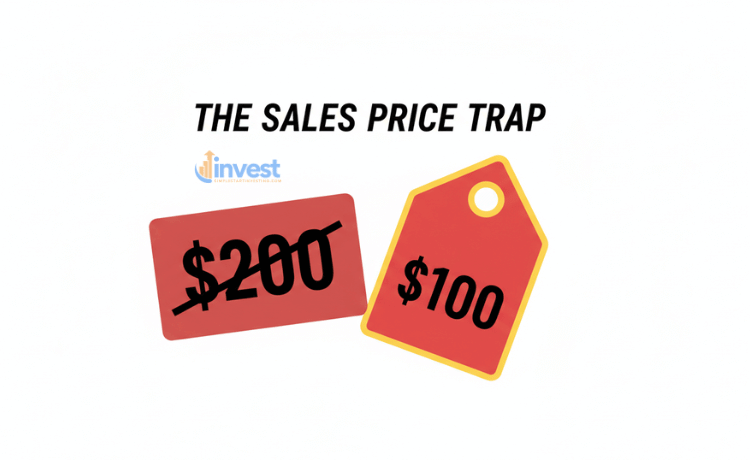
Have you ever noticed how stores always show the “original price” crossed out next to the “sale price”? This is a psychological trick called anchoring.
1. Simple Explanation
Anchoring happens because our brains rely heavily on the first piece of information we receive. If a store tells you a jacket is “originally 200 dollars,” that number becomes the “anchor.” When you see it marked down to 100 dollars, it feels like a bargain, even if the jacket only cost 20 dollars to make.
2. Real-World Example
Go to a store like Costco or TJ Maxx. You will see price tags that say “MSRP: 50 dollars” followed by “Our Price: 29 dollars.” By setting the 50-dollar anchor, the store makes you feel like you are winning. You are no longer looking at the 29-dollar cost; you are looking at the 21-dollar “discount.”
3. The Common Mistake
Many people judge the value of an item based on the discount rather than its actual utility to their lives. They buy things simply because the “deal” was too good to pass up.
4. The Mindset Shift
Ignore the “original” price entirely. Ask yourself: “If this item was 29 dollars and there was no mention of a sale, would I still want it today?” If the answer is no, the anchor is tricking you. Focus on the absolute dollar amount leaving your bank account.
Social Proof: The “Keeping Up with the Joneses” Trap
We are social creatures. We look at what others are doing to decide what is “normal” or “desirable.” In the digital age, this has been amplified by social media.
1. Simple Explanation
Social proof is the idea that if everyone else is buying a certain brand of water bottle or wearing a specific type of yoga pants, it must be a good choice. We buy things not because we need them, but because we want to signal that we “belong” to a certain group.
2. Real-World Example
Consider the rise of “influencer” culture on TikTok or Instagram. You see a creator you like showing off their “morning routine” using expensive skincare products or a specific brand of coffee machine. You start to feel that to have a “good” morning like theirs, you need those same products. This leads to impulse buys driven by a desire for a lifestyle, not the product itself.
3. The Common Mistake
New investors often make this mistake with stocks, too! They see everyone on the news talking about a “hot” stock like Tesla (TSLA) or a new AI company and they buy in at the highest price because they don’t want to be left behind. This is called “FOMO” or Fear Of Missing Out.
4. The Mindset Shift
Your financial journey is private and personal. What someone else buys has zero impact on your long-term wealth. Instead of looking at what others have, look at your own financial goals. Building a 10,000-dollar emergency fund is much more rewarding than owning the same gadgets as an influencer.
Emotional Spending: Using Shopping as a Band-Aid
Many of us use shopping to cope with our feelings. This is often called “Retail Therapy.”

1. Simple Explanation
When we are stressed, bored, or lonely, we look for a way to feel better quickly. Shopping provides a sense of control and a temporary distraction from our problems. However, just like eating junk food when you are sad, the “comfort” of shopping is short-lived and often leads to more stress later.
2. Real-World Example
Imagine you had a very stressful day at your job. You feel unappreciated and exhausted. On your way home, you stop at a luxury mall or browse an online store. You buy a 300-dollar watch or an expensive dinner that you can’t really afford. In that moment, the purchase feels like a “reward” for your hard work.
3. The Common Mistake
The mistake is thinking that spending money will solve the underlying emotional issue. In reality, the credit card bill that arrives next month will likely cause more stress, creating a vicious cycle of emotional spending.
4. The Mindset Shift
Find non-financial ways to “treat” yourself. Go for a walk in a park, call a friend, or watch a movie you already own. Recognize that your emotions are temporary, but debt can last a long time. If you feel the urge to shop while emotional, step away from your computer or the mall immediately.
How to Reclaim Your Wallet: Practical Strategies
Now that you know the “why” behind your spending, here are two simple rules to help you stop.
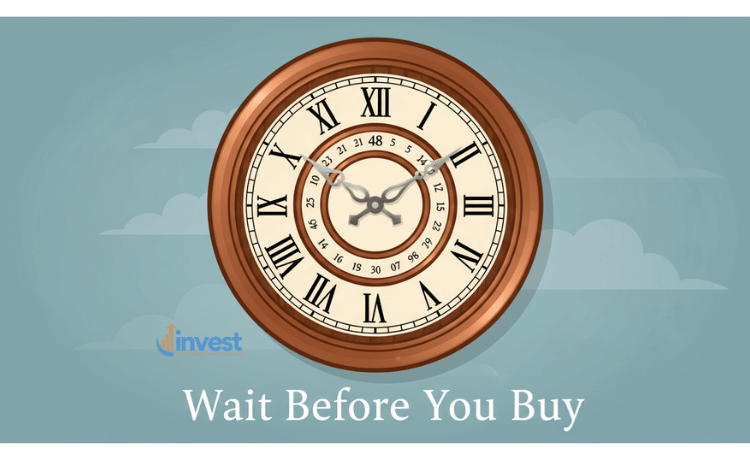
The 48-Hour Rule
This is one of the most effective ways to beat the psychology of spending. When you find something you want to buy (especially online), you must wait exactly 48 hours before clicking the “purchase” button.
During these two days, your dopamine levels will return to normal. You will likely find that the “must-have” feeling disappears. If you still truly need the item after 48 hours, then you can consider buying it. Most of the time, you will realize you don’t actually want it.
The “Work Hour” Test
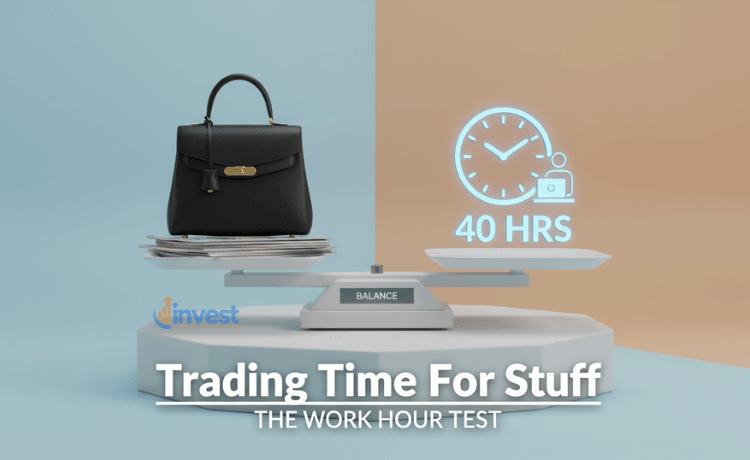
Instead of looking at the price of an item in dollars, look at it in hours of your life.
If you earn 20 dollars per hour and you want to buy a pair of shoes that costs 100 dollars, ask yourself: “Is this pair of shoes worth 5 hours of my time standing at my job?”
When you frame spending as “trading your life energy” for an object, it becomes much easier to say no to things you don’t need.
Summary for the New Spender
The psychology of spending isn’t about being “weak” or “bad with money.” It’s about being human. Our brains are hardwired to respond to rewards, social pressure, and perceived deals.
By recognizing the dopamine rush, spotting the scarcity traps, and ignoring the “anchors” of fake discounts, you can protect your hard-earned cash. Remember, every dollar you don’t spend on “stuff” you don’t need is a dollar you can invest in your future freedom.
Whether you are saving for your first rental property or building a retirement portfolio, the most important investment you can make is in your own self-discipline.
Disclaimer: This content is for educational purposes only and does not constitute financial advice. Regulations regarding consumer protection and financial products can change; please check current guidelines or consult with a professional.