Why does Wall Street sound like a zoo? If you have ever watched the news and heard reporters talking about bull and bear markets, you might feel like you stepped into a wildlife documentary instead of a financial report. But these terms are more than just industry jargon. They describe the very “weather” of the stock market. Knowing whether you are in a sunny bull market or a stormy bear market determines how you should handle your hard-earned money.
Understanding bull and bear markets is the first step toward becoming a confident investor. It is the difference between panicking when your account balance drops and seeing a golden opportunity to grow your wealth. This guide will peel back the layers of these market cycles, explain why they happen, and show you exactly how to keep your cool no matter which animal is in charge.
What Exactly is a Bull Market?
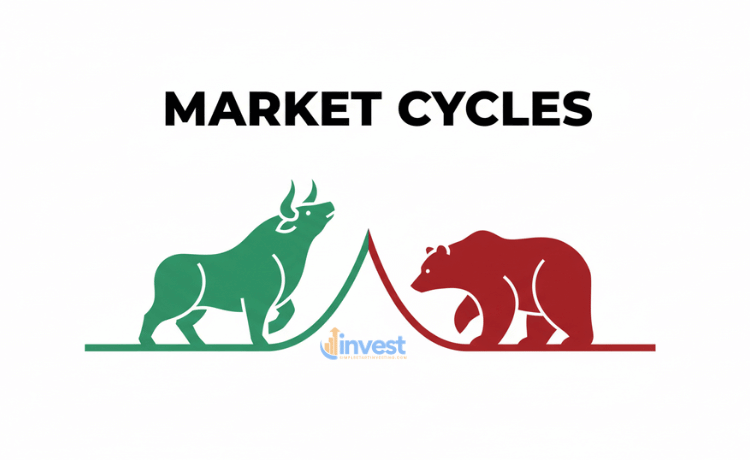
Imagine a bull. When a bull attacks, it thrusts its horns upward into the air. This is why a “bull market” is the term used for a stock market that is charging ahead. In technical terms, experts usually say a bull market has begun when stock prices rise by 20 percent or more from a recent low point.
In a bull market, everything feels great. People are optimistic about the future. They believe that companies like Apple (AAPL) or Amazon (AMZN) will continue to grow and make more money. This optimism creates a cycle: people buy stocks because they think prices will go up, and because so many people are buying, the prices actually do go up.

A Real-World Example: The Tech Surge
Consider a company like NVIDIA. In a strong bull market, investors might see the potential for new technology and start buying shares. If you bought a share for 100 dollars and the market enters a bull run, that share might climb to 150 dollars or 200 dollars over a few years. During this time, the news is full of success stories, and it feels like everyone is making money.
The Common Beginner Mistake: The “I Can’t Lose” Trap
Many new investors start their journey during a bull market. Because almost every stock is going up, they start to believe they are experts. They might start taking big risks, like putting all their savings into a single “hot” stock they heard about on social media, thinking the price will never stop rising.
The Mindset Shift: Bull Markets are for Discipline
Instead of getting “greedy” and chasing high-flying stocks, you should realize that bull markets are actually the time to be careful. Prices are high, which means you are paying a premium. The correct logic is to stick to your plan and keep a balanced portfolio. Just because the sun is shining today doesn’t mean you should sell your umbrella.
What Exactly is a Bear Market?
Now, imagine a bear. When a bear attacks, it swipes its paws downward. This is why a “bear market” is the name for a period when stock prices are falling. Generally, we are officially in a bear market when the major stock indexes, like the S&P 500, drop by 20 percent or more from their most recent peak.
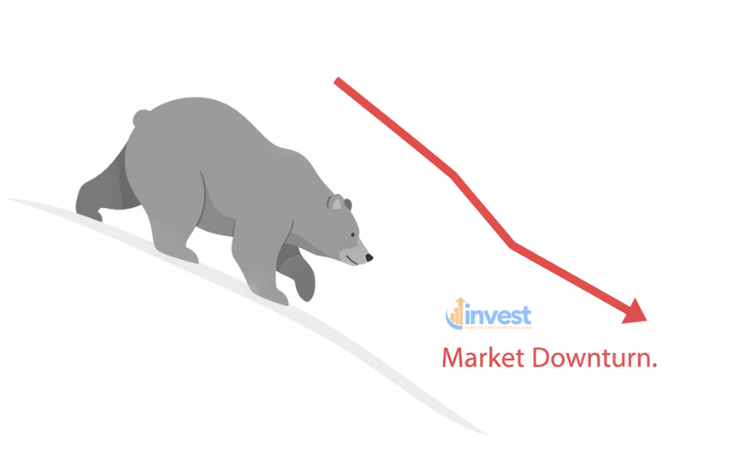
Bear markets are often accompanied by a “recession,” which is a fancy word for a period where the economy slows down, and people spend less money. You might notice that companies like Walmart (WMT) or Target (TGT) report lower sales, or you might see more news about layoffs. This creates a sense of fear, causing people to sell their stocks to “save” what money they have left, which pushes prices even lower.
A Real-World Example: The 2022 Downturn
Think back to times when the news was dominated by high inflation and rising interest rates. If you owned shares in a large company like Tesla (TSLA), you might have watched your 300 dollar investment drop down to 200 dollars or even 150 dollars in a matter of months. This downward swipe is the classic bear behavior.
The Common Beginner Mistake: Panic Selling
The most painful mistake a beginner makes is selling their stocks when the market is at its lowest point. They see their account “losing” value and feel a physical need to stop the bleeding. By selling, they turn a “paper loss” (a drop in value on the screen) into a “real loss” (money that is gone forever).
The Mindset Shift: Bear Markets are “Sales”
Professional investors look at bear markets differently. If your favorite pair of shoes at Costco was 100 dollars yesterday but is 70 dollars today, you wouldn’t run away in fear—you would think it’s a great deal! A bear market is essentially a giant sale on the world’s best companies. If you believe a company like Microsoft will still be around in ten years, buying it during a bear market is a smart long-term move.
Market Corrections: The “Mini-Bear”
Before we go further, it is important to distinguish between a full-blown bear market and a “correction.” You will hear this word often. A correction is a drop of 10 percent or more, but less than 20 percent.
Think of a correction as a “hiccup” in a bull market. It’s the market’s way of cooling down when prices have gotten a bit too high too fast. These happen much more frequently than bear markets—often once every year or two. For a beginner, a correction can feel like the end of the world, but it is actually a very healthy and normal part of the cycle.
How to Handle a Correction
If you see your portfolio drop by 10 percent, don’t change your strategy. If you had 1,000 dollars and it becomes 900 dollars, remember that you still own the same number of shares in those companies. You haven’t lost anything unless you click the “sell” button.
Why Markets Move in Cycles
You might wonder, “Why can’t the market just go up forever?” The truth is that the stock market is driven by two things: corporate earnings and human emotions.
- Earnings: Companies eventually need to prove they are making a profit. If they stop growing, their stock price will eventually drop.
- The Fed: In the United States, the Federal Reserve (the “Fed”) controls interest rates. When they raise rates to fight inflation, it becomes more expensive for companies to borrow money, which can lead to a bear market.
- Psychology: This is the big one. Markets move based on the tug-of-war between greed and fear. When people are greedy, we get a bull market. When people are afraid, we get a bear market.
The Secret Weapon: Dollar-Cost Averaging
Since no one can perfectly predict when a bull market will end or a bear market will begin, how do you actually invest? The answer is a strategy called Dollar-Cost Averaging (DCA).
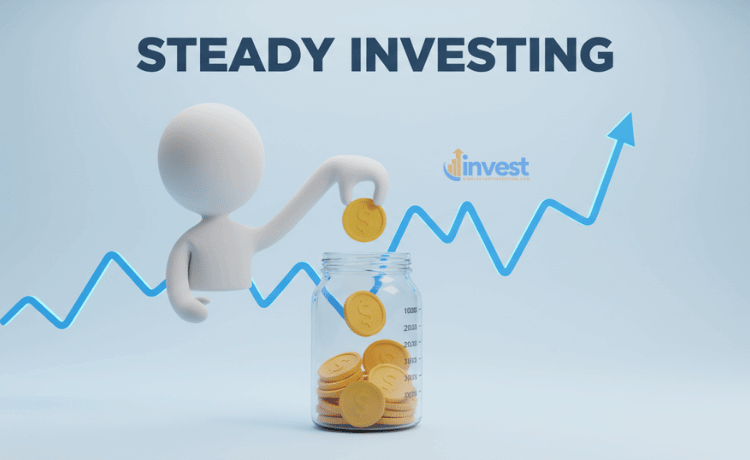
This sounds complicated, but it is actually very simple. It means you invest the same amount of money every month, no matter what the market is doing.
How DCA Works in Plain English
Imagine you decide to invest 200 dollars every month into a total market index fund.
- In a Bull Market: Prices are high. Your 200 dollars might only buy you 2 shares of the fund.
- In a Bear Market: Prices are low. Your 200 dollars now buys you 4 shares of that same fund.
Over time, you end up buying more shares when they are cheap and fewer shares when they are expensive. This lowers your average cost without you having to guess which way the market is going. It takes the “guesswork” and the “emotion” out of the equation.
The Common Beginner Mistake: Waiting for the “Right Time”
Many beginners say, “I’ll wait for the market to crash before I start.” The problem is, they might wait for three years while the market goes up 50 percent. Even if it then crashes by 20 percent, the “crash price” is still higher than the price was when they first started waiting!
The Mindset Shift: Time IN the Market vs. Timing the Market
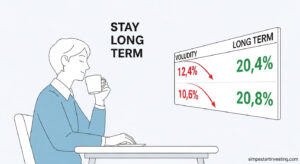
Successful investing is not about picking the perfect day to buy. It is about how many years you stay invested. History shows that the US stock market has gone up over the long term, despite many bear markets along the way.
Understanding Taxes and Regulations (US Context)
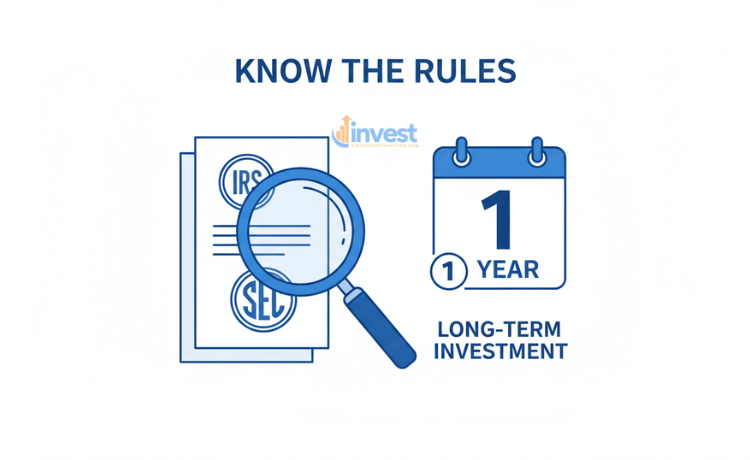
When you are navigating these cycles, you also need to be aware of the rules. The SEC (Securities and Exchange Commission) and the IRS (Internal Revenue Service) have specific guidelines that affect your returns.
Capital Gains Tax
If you sell a stock for more than you paid for it in a bull market, you will owe taxes on that profit.
- Short-term: If you held the stock for less than a year, you pay a higher tax rate (your normal income tax rate).
- Long-term: If you held it for more than a year, you pay a lower “capital gains” rate. This is a huge incentive to be a long-term bull investor!
Tax-Loss Harvesting (The Bear Market Silver Lining)
If you are in a bear market and you sell a stock that has lost value, you can actually use that loss to reduce your taxes. This is called “tax-loss harvesting.”
- Example: If you lost 2,000 dollars on one stock but made 2,000 dollars on another, you can use the loss to cancel out the gain so you owe zero taxes on those trades.
- A Warning: The IRS has a “Wash-Sale Rule.” You cannot sell a stock for a loss and then buy the exact same stock back within 30 days. If you do, the IRS won’t let you claim the tax deduction.
Note: Tax regulations can change; please check current IRS guidelines or consult a professional.
How to Prepare Your Portfolio Today
No matter what the headlines say today, you can survive any market by following these three steps:
1. Build an Emergency Fund
Before you put a single dollar into a bull or bear market, make sure you have 3 to 6 months of living expenses in a high-yield savings account. This way, if a bear market happens and you lose your job, you won’t be forced to sell your stocks when they are at their lowest price.
2. Diversify Your Holdings
Don’t put all your eggs in one basket. If you only own tech stocks and the tech industry enters a bear market, your whole account will tank. But if you own a mix of different types of companies—like healthcare (Johnson & Johnson), consumer goods (Procter & Gamble), and technology (Microsoft)—some may stay steady even while others fall.

3. Check the “Sleep Test”
If you find yourself checking your investment account ten times a day and feeling sick to your stomach when it drops by 2 percent, you might be taking too much risk. Your investments should be boring enough that you can sleep soundly at night. If you can’t sleep, it might be time to move some money into safer options like bonds or savings.
Summary: The Cycle Always Continues
The most important thing to remember is that bull and bear markets are temporary. Since World War II, the average bear market has lasted about 12 months, while the average bull market has lasted over 4 years.
The market spends much more time going up than it does going down. Your job as a beginner is not to outsmart the animals. Your job is to stay on the ride. If you keep a long-term perspective, stay diversified, and keep investing through the “sales” in bear markets, you are setting yourself up for true financial freedom.
Don’t fear the bear, and don’t get too arrogant in the bull. Just keep your eyes on the horizon.
Disclaimer: This content is for educational purposes only and does not constitute financial, investment, or tax advice. Always conduct your own research or consult with a qualified professional before making financial decisions.