Imagine walking into a friend’s house and seeing a polaroid photo on the fridge. In that one frozen moment, you see exactly what was happening at that specific second. A balance sheet is the financial version of that polaroid. It is a snapshot of a company’s financial health at one specific point in time. While other reports show how much money moved in and out over a year, understanding balance sheets helps you see exactly what the company has in its “pockets” right now.
When you start your journey into the world of investing, the numbers can feel like a different language. You might see big names like Apple (AAPL) or Tesla (TSLA) and wonder if they are truly as strong as they look. To find the answer, you have to look past the shiny products and look at the foundation. Is the company built on solid ground, or is it a house of cards held up by debt? This guide will show you how to peel back the layers and see the truth.
The Three Pillars: What Makes Up a Balance Sheet?
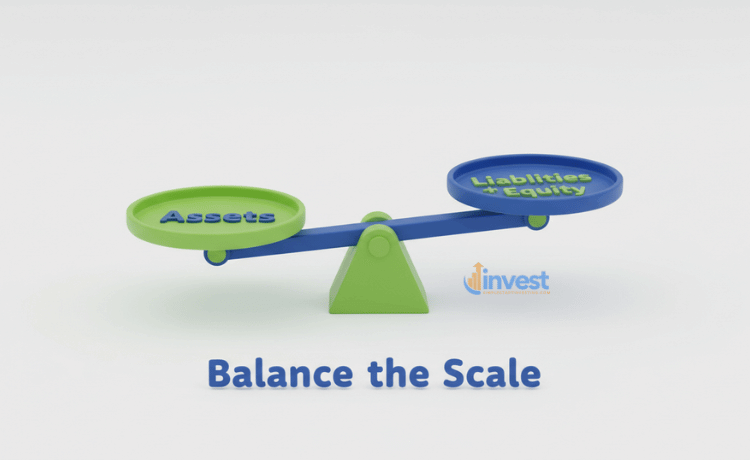
Every balance sheet in the United States follows a very simple logic. It is divided into three main sections: Assets, Liabilities, and Shareholders’ Equity. Think of it as a scale. On one side, you have the things the company uses to make money. On the other side, you have the people who paid for those things.
1. Assets: The “Stuff” a Company Owns
An asset is anything that a company owns that has value. If it can be turned into cash or used to create a product that people will buy, it is an asset. For a giant like Walmart (WMT), this includes everything from the milk on the shelves to the massive trucks parked in the back.
How to understand it simply: Think of your own life. Your car, the money in your checking account, and the laptop you are using right now are all your assets. They have value, and you could sell them if you really needed to.
A real-world example: Consider Amazon (AMZN). They have billions of dollars in “Physical Assets,” which are their massive warehouses. But they also have “Intangible Assets,” like their brand name and their Prime technology. Even though you cannot touch a “brand,” it is still an asset because it brings in customers.
Common beginner mistake: Many new investors think that having more assets always means a company is “richer.” They see a big number under assets and assume the company is doing great.
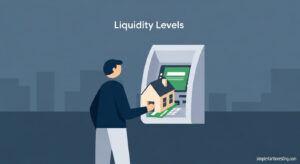
The mindset shift: Not all assets are created equal. You cannot pay your employees with a warehouse; you need cash. A company might have a billion dollars in buildings but zero dollars in the bank. In the world of finance, we call the ability to turn things into cash “liquidity.” A healthy company needs a good mix of things they can sell today and things they use for the long term.
2. Liabilities: The “Bills” a Company Owes
Liabilities are the exact opposite of assets. This is the money that the company owes to other people. It could be money they borrowed from a bank, or it could be a bill they haven’t paid to a supplier yet.
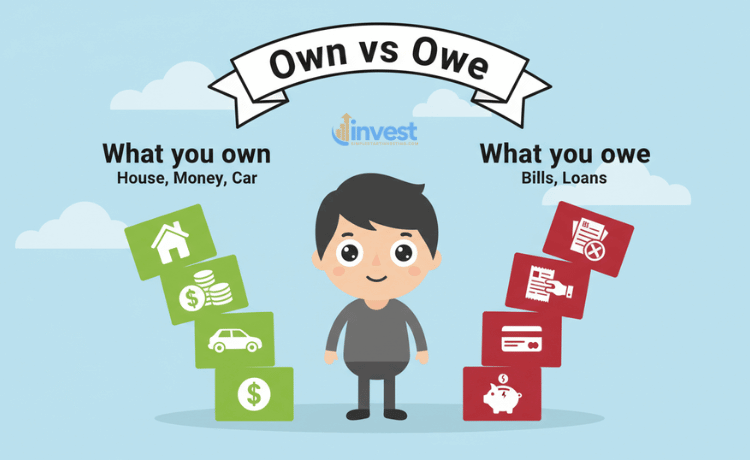
How to understand it simply: In your personal life, your liabilities are your credit card balance, your student loans, or your mortgage. It is money that is “spoken for” by someone else.
A real-world example: Let’s look at a company like Ford (F). To build cars, they have to buy massive amounts of steel and parts from other companies. Sometimes, they don’t pay for these parts immediately. This is called “Accounts Payable.” They also borrow billions of dollars to build new factories. That debt is a liability.
Common beginner mistake: New investors often think that any debt is a bad sign. They see a company with 10 billion dollars in debt and run away in fear.
The mindset shift: Debt is a tool. If a company borrows money at a low interest rate to build a factory that makes a high profit, that debt is actually helping them grow. The problem isn’t having debt; the problem is having more debt than you can handle. You have to compare the liabilities to the assets to see if the weight is too heavy.
3. Shareholders’ Equity: The “Leftovers” for You
This is the most important part for an investor. Shareholders’ equity is the amount of money that would be left over if the company sold every single asset and paid off every single debt today. It is the “net worth” of the company.
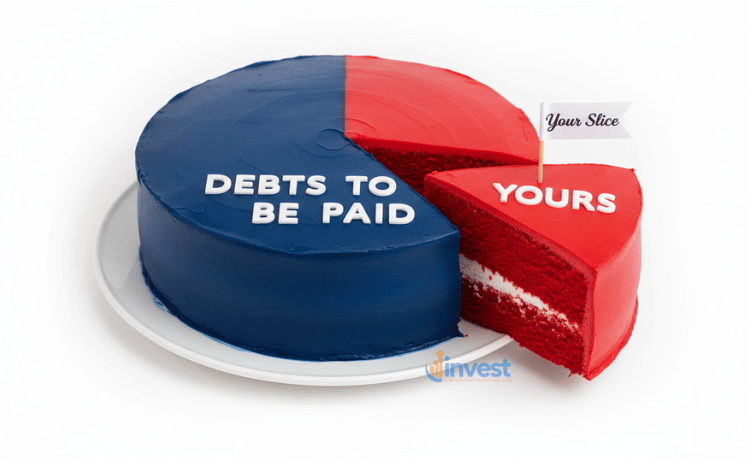
How to understand it simply: Imagine you buy a house for 500,000 dollars. You paid 100,000 dollars of your own money and borrowed 400,000 dollars from the bank. Your asset is the 500,000 dollar house. Your liability is the 400,000 dollar loan. Your equity is the 100,000 dollars you actually own.
A real-world example: If you look at the balance sheet for Microsoft (MSFT), you will see a massive amount of equity. This is because they have been profitable for so long that they have kept their earnings and reinvested them into the business.
Common beginner mistake: Beginners often confuse “Equity” with the total “Market Cap” (the price of all the stocks combined). They think if the equity is 10 billion dollars, the company should be worth 10 billion dollars on the stock market.
The mindset shift: The stock market usually prices companies much higher than their “Book Value” (Equity). This is because investors are paying for future growth and the company’s “magic,” not just the physical stuff they own today. Equity is the floor, but the stock price is the ceiling.
The Balancing Act: Why It Always Must Equal Out
You might be wondering why it is called a “balance” sheet. It is because the two sides must always be equal. This is a fundamental rule of accounting.
Think of it this way: Everything a company has (Assets) had to be paid for somehow. There are only two ways to pay for things:
- You borrowed the money (Liabilities).
- You used your own money or the owners’ money (Equity).
So, the total value of all the assets is always equal to the total liabilities plus the total equity. If a company has 100 dollars in assets and 60 dollars in debt, the equity must be 40 dollars. There is no other way for the math to work.
When understanding balance sheets, always look for this balance. If the assets are growing because the debt is growing, that is a different story than assets growing because the company is making more profit (Equity).
The Concept of Time: Current vs. Long-Term
When you look at a balance sheet, you will see the words “Current” and “Non-Current” (or Long-Term) everywhere. This is a very important distinction that tells you how fast things move.
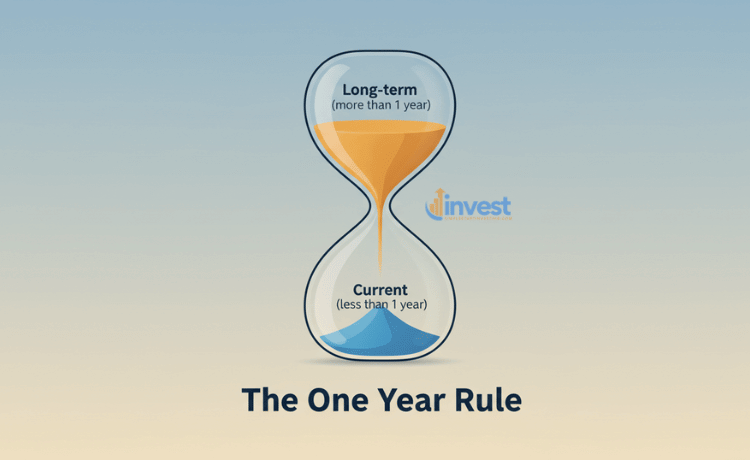
Current Assets and Liabilities (The One-Year Rule)
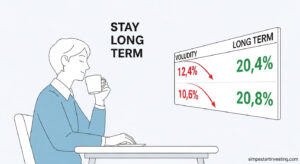
In the United States, “Current” means anything that will happen within the next 12 months.
- Current Assets: Cash, or things that can be turned into cash quickly (like inventory).
- Current Liabilities: Bills that must be paid within the next year.
A real-world example: Imagine Costco (COST). Their current assets include all the hot dogs, rotisserie chickens, and televisions sitting in their warehouses right now. They expect to sell those within weeks. Their current liabilities include the rent for their stores and the paychecks for their employees.
Non-Current Assets and Liabilities (The Future)
These are things that the company plans to keep or pay off over many years.
- Non-Current Assets: Factories, land, and long-term investments.
- Non-Current Liabilities: 30-year loans or bonds that don’t need to be paid back for a long time.
Red Flags: How to Spot a “Sick” Company
As a beginner, you don’t need to be a math genius to spot a company in trouble. You just need to look for a few simple patterns.
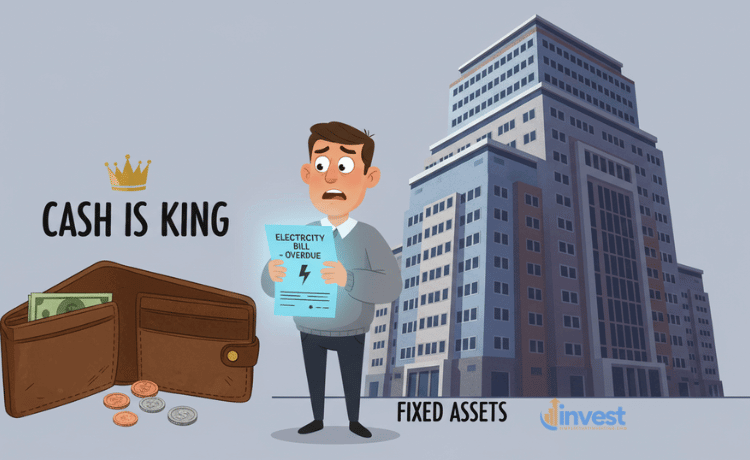
The Cash Crunch
If a company has a lot of “Current Liabilities” (bills due soon) but very little “Cash” or “Current Assets,” they are in trouble. It’s like having a 2,000 dollar rent payment due tomorrow but only having 50 dollars in your wallet. Even if you own a 50,000 dollar car, you can’t pay your rent with a car tire.
The Lesson: Always look at the “Cash and Cash Equivalents” line. It is the lifeblood of any business.
The Debt Mountain
If the “Total Liabilities” are much larger than the “Total Equity,” the company is heavily “leveraged.” This means they are operating mostly on borrowed money. While this can lead to big wins when things are going well, it can lead to total disaster if the economy slows down.
A real-world example: During times of high interest rates, companies with huge amounts of debt have to pay more in interest. This “eats” their profit. Companies like JPMorgan Chase (JPM) look very closely at these numbers before they decide to lend money to a business. You should do the same before you “lend” your money by buying their stock.
Why Is the Balance Sheet Different for Different Industries?
One thing that confuses beginners is that a “good” balance sheet looks different depending on what the company does.
- Software Companies: Companies like Adobe (ADBE) don’t need factories. They have very few “Physical Assets.” Most of their value is in their code and their brand. Their balance sheets often look “light.”
- Manufacturing Companies: Companies like General Motors (GM) have huge “Physical Assets” because they own massive factories and robots. Their balance sheets look “heavy.”
- Banks: Banks are unique because your deposit in your savings account is actually a “Liability” for them (because they owe it back to you!).
The Lesson: Don’t compare a tech company to a car company. Always compare a company to its competitors in the same neighborhood.
How to Read a Balance Sheet in 3 Minutes
When you look at a financial website like Yahoo Finance or Google Finance, don’t let the wall of numbers overwhelm you. Follow this simple 3-step check:
- Check the Cash: Does the company have enough cash and short-term assets to pay off their bills for the next year?
- Check the Debt Trend: Is the debt going up every year, or are they paying it down?
- Check the Equity: Is the “Shareholders’ Equity” growing? If equity is growing, it usually means the company is keeping its profits and becoming more valuable.
Common beginner mistake: Investors often skip the balance sheet and only look at the “Net Income” (Profit).
The mindset shift: Profit is like a paycheck, but the balance sheet is like your bank account balance. You can have a big paycheck but still be broke if you spend it all and have massive debt. The balance sheet tells you what stays in the bank.
Modern Trends: The “Digital” Balance Sheet in 2026
As we move through 2026, balance sheets are changing. Many companies are now using Artificial Intelligence to manage their inventory and debt in real-time. You might also see more mentions of “ESG” (Environmental, Social, and Governance) factors, where companies report on the value of their green energy investments.
While the tools are getting faster, the logic remains the same. Whether it is a lemonade stand or a trillion-dollar tech giant, they still have to answer the same question: Do you own more than you owe?
Summary for the New Investor
Understanding balance sheets is like getting an X-ray of a business. It shows you the bones. It tells you if the company is strong enough to survive a recession or if it is drowning in debt.
Remember:
- Assets are what they own.
- Liabilities are what they owe.
- Equity is what belongs to the owners (including you, if you buy the stock).
Before you click that “Buy” button on your brokerage app, take five minutes to look at the balance sheet. It might be the most important five minutes of your investing career.
Disclaimer: This content is for educational purposes only and does not constitute financial advice. Regulations and market conditions may change; please check current guidelines or consult with a professional advisor.